

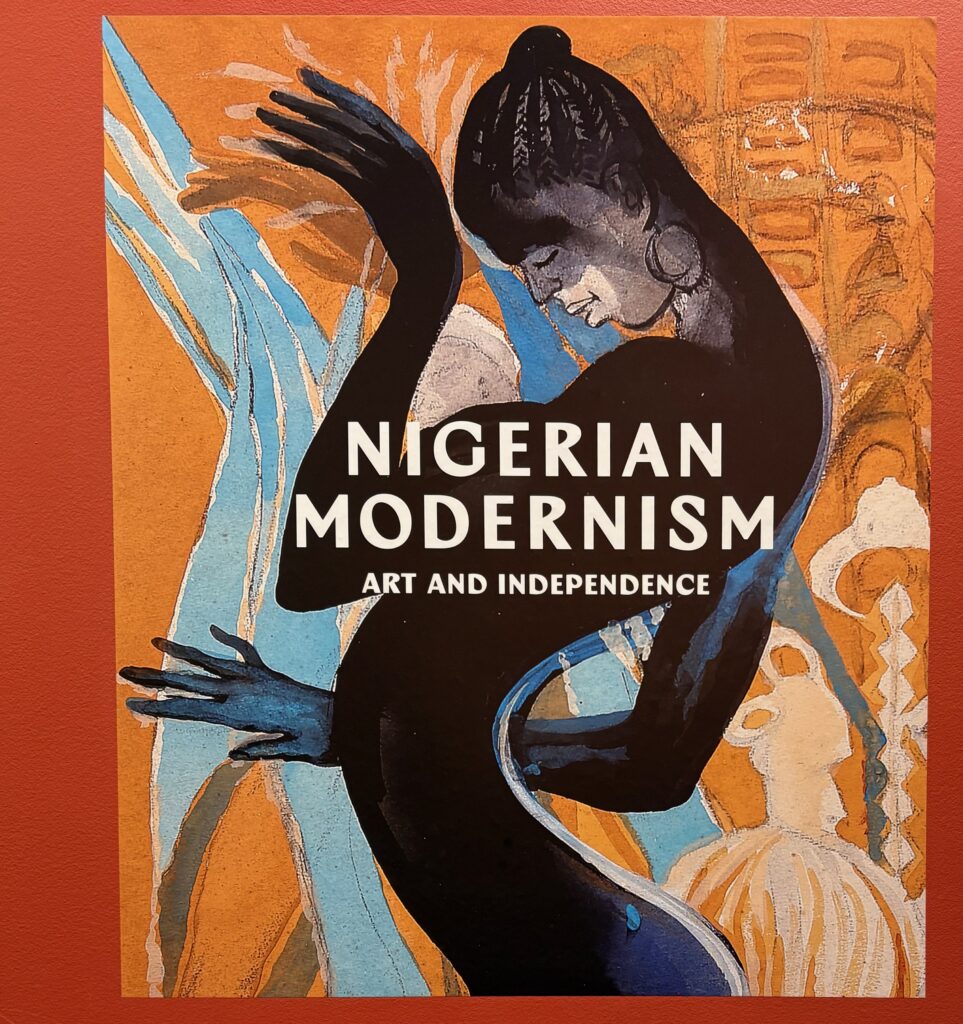
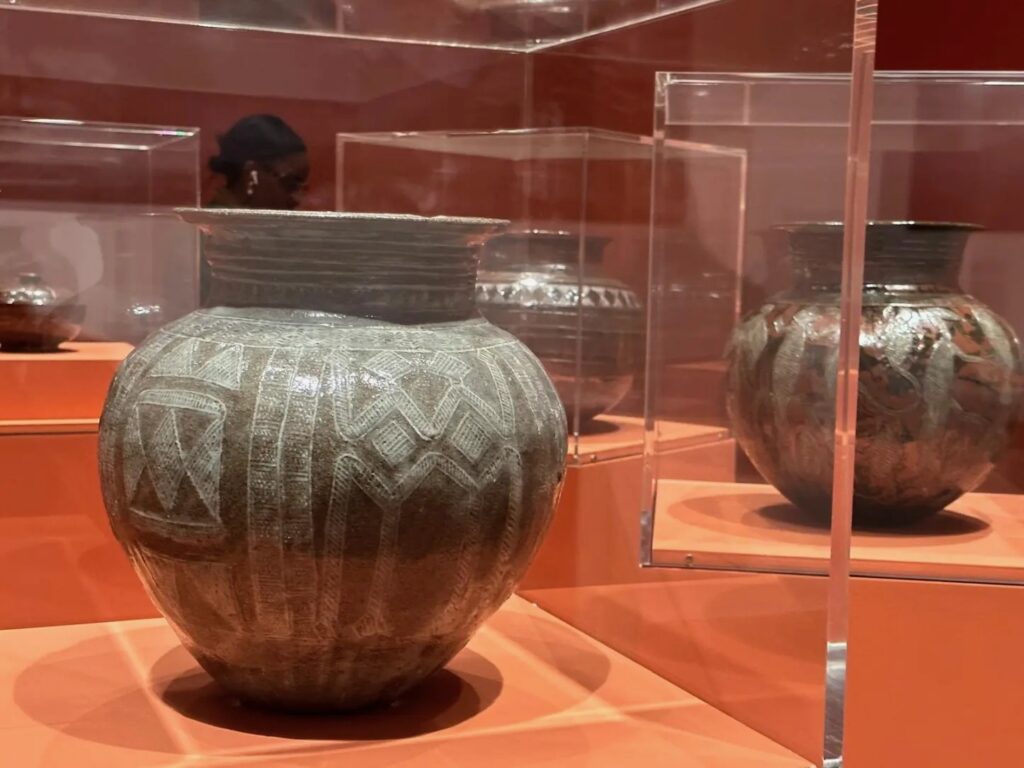
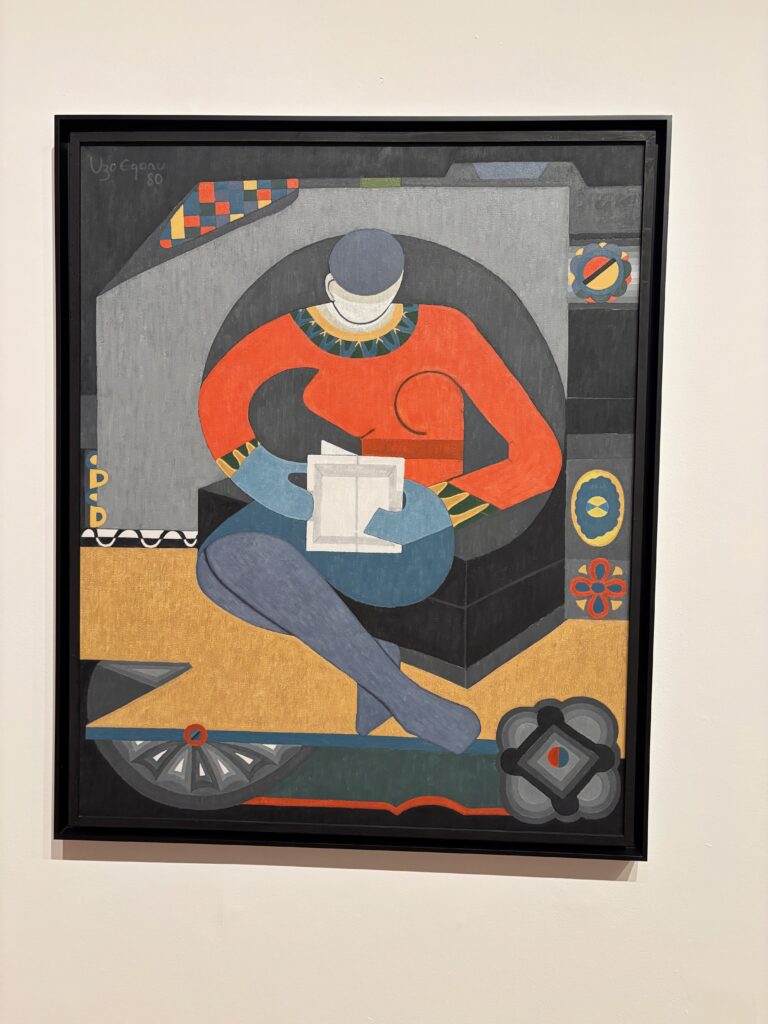
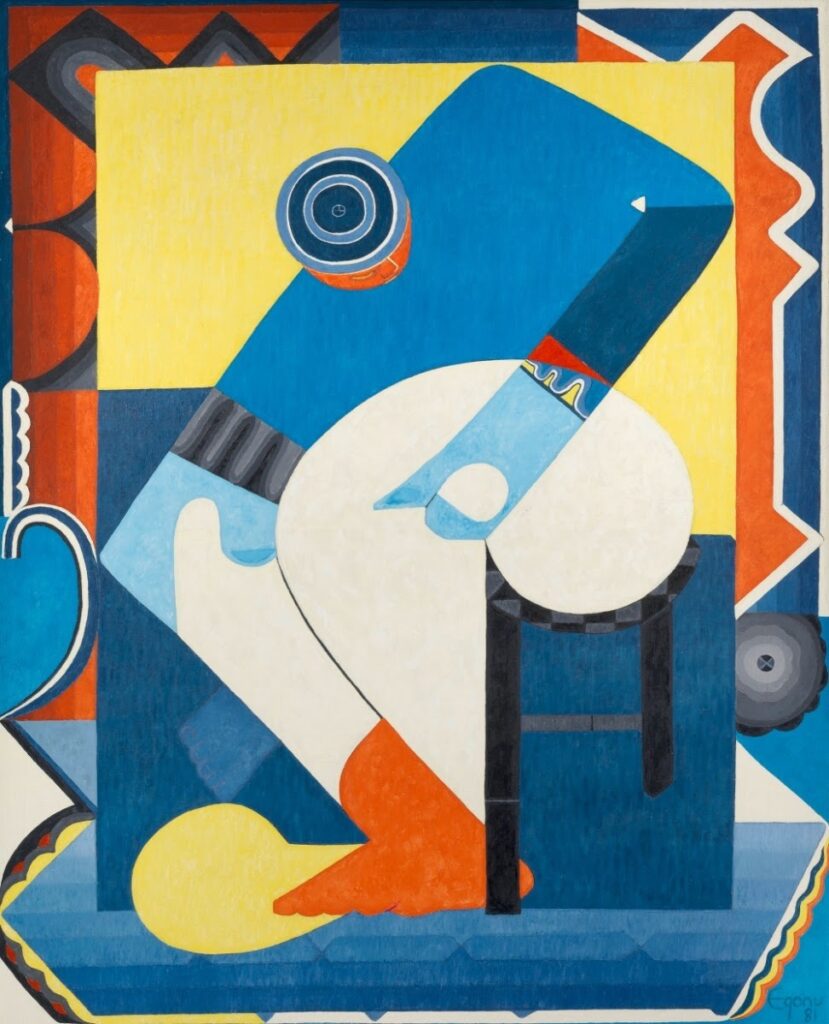
I went to Nigerian Modernism, Art and Independence, the impressive exhibition at London’s Tate Modern last week, 19th March. There are a lot of art works here, a vibrant mix of paintings, tapestries, ceramics and sculpture from the 1940s until the end of the 20th Century. In its nine large rooms, the exhibition confounded my Eurocentric assumptions about African, let alone Nigerian art, and also the idea of international Modernism itself.
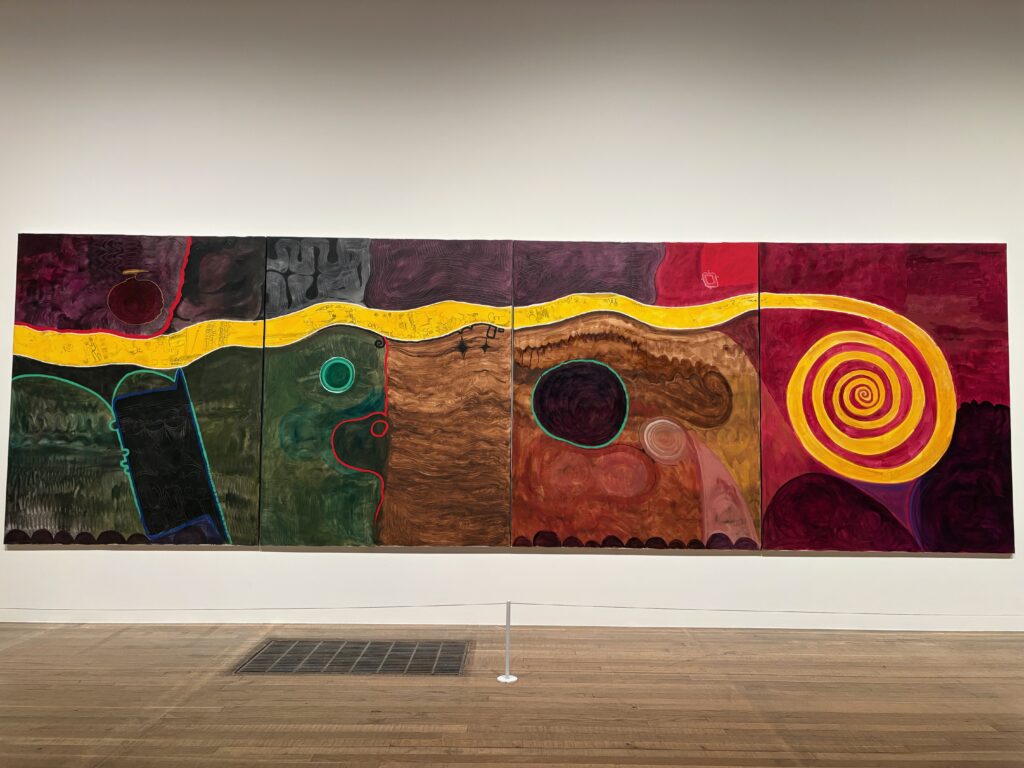
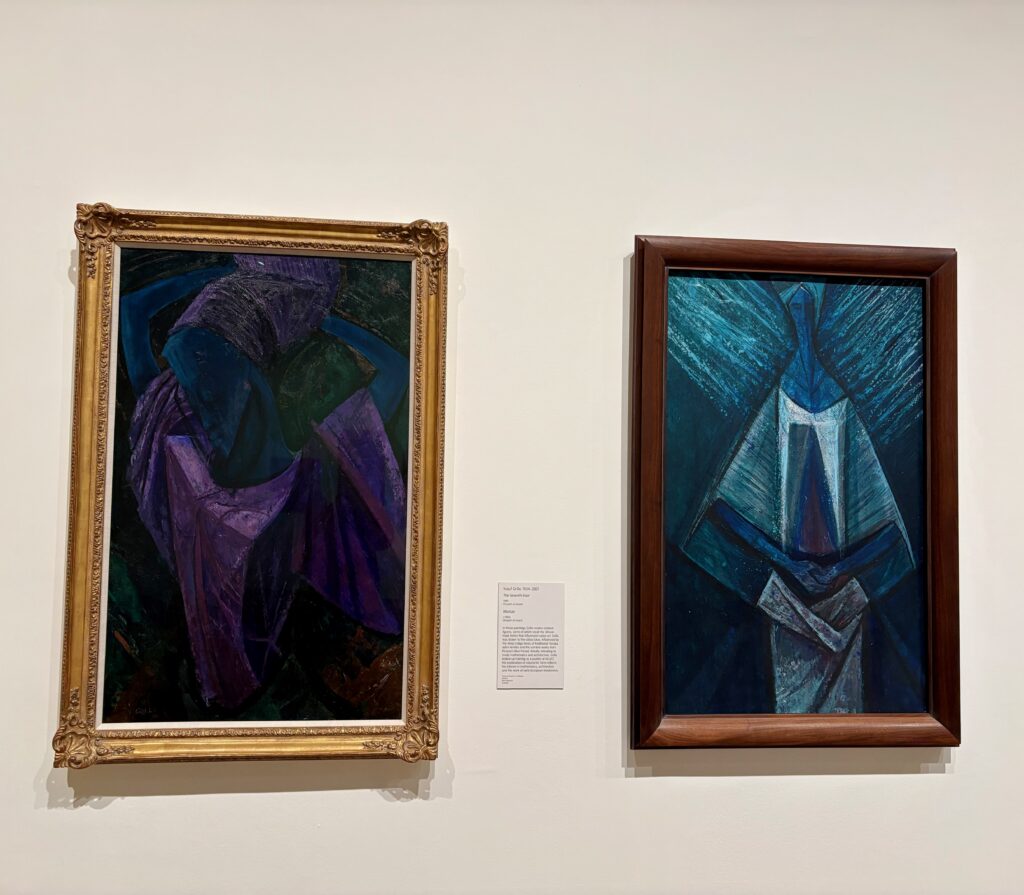
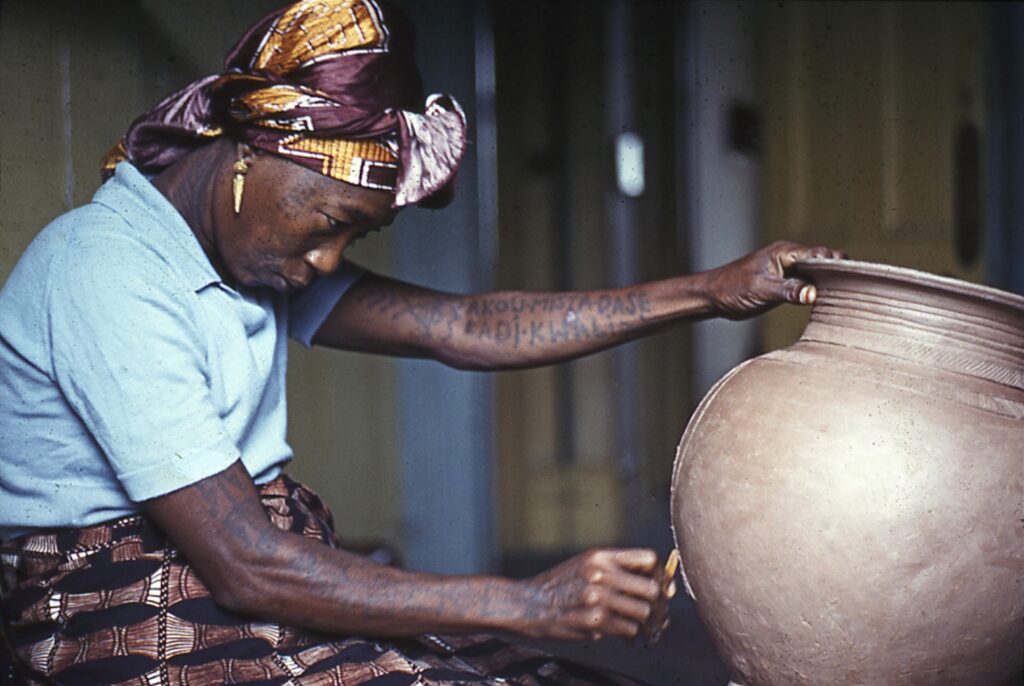
Many of the artists here were not only members of a society dominated and inhibited by white Imperialism, but they were encouraged and inspired by the less imperialist forces in Britain’s leading art colleges where many of Nigerian artists travelled to study in their formative years, but that is just a part of the story. Modernism for Nigeria meant finding ways of creating new art in the latest international styles but also making modern and particularly Nigerian art from the often repressed ancient traditions of pre-colonial years.

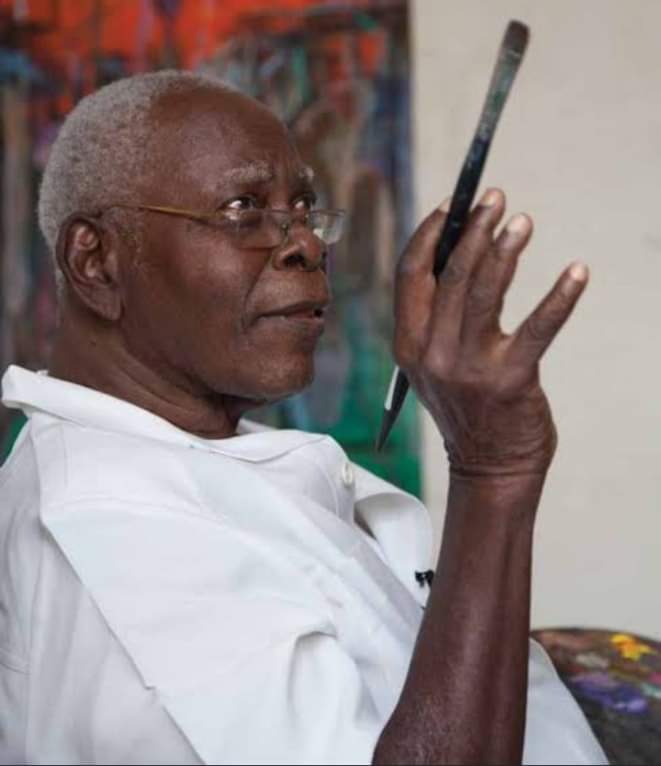
It was all new to me and I was excited to walk through the rooms which almost shouted the story of struggle, celebration and liberation. If I saw Picasso behind some of the works here, then I was humbled by Jusuf Grillo’s frustrated question – why should his work be considered Picasso-inspired when Picasso’s Modernism was so obviously inspired by African art.
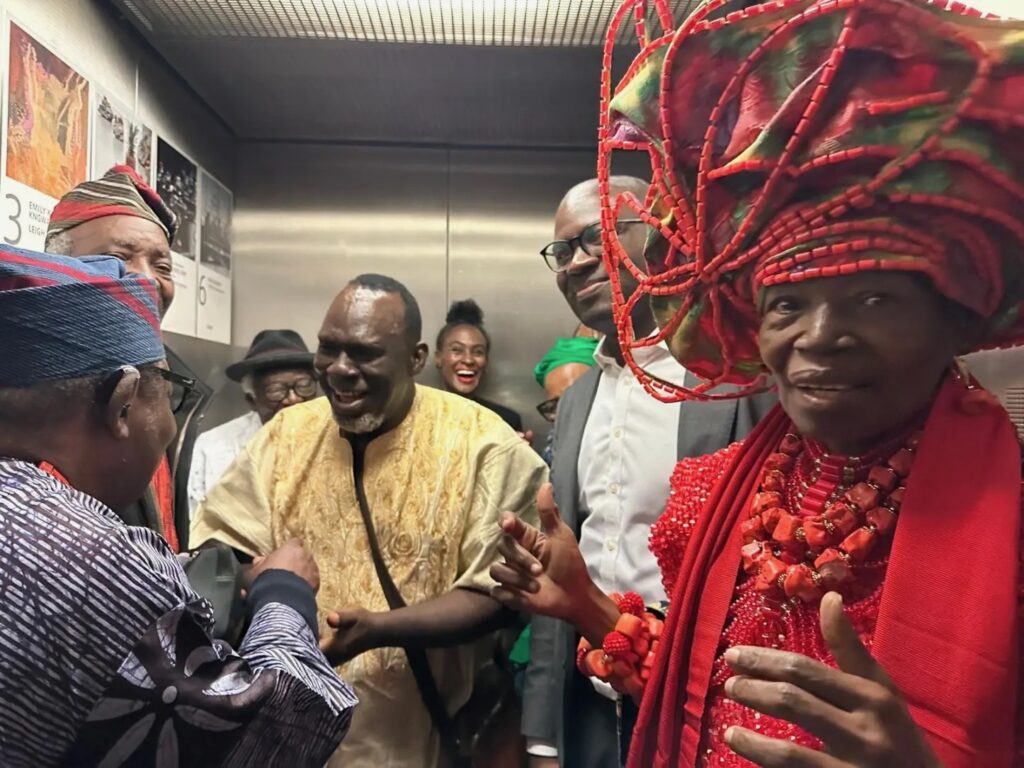
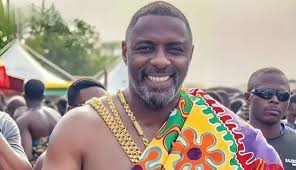
I was at Tate Modern just after the President Bola Tinubu of Nigeria was there on the closing day of his state visit to the UK – a bonus for me was seeing all the Nigerians in traditional clothing, and, not for the first time, making me wish that we old-fashioned Brits could be a bit more exuberant in our dress sense.
A few years ago, my Nigerian friend, Nnamdi Nwachukwu, introduced me to a number of fellow Nigerian artists and writers and opened my mind to the charisma and energy of Nigerian culture. Nigeria is on my bucket-list of must-see places, so there was no question in my mind about not coming to see this show. The vibrancy that I discovered through my friend was everywhere at this exhibition. There is so much to recommend, but, maybe if you see no other Nigerian artist’s work it has to be Ben Enwonwu (1917 – 1994).
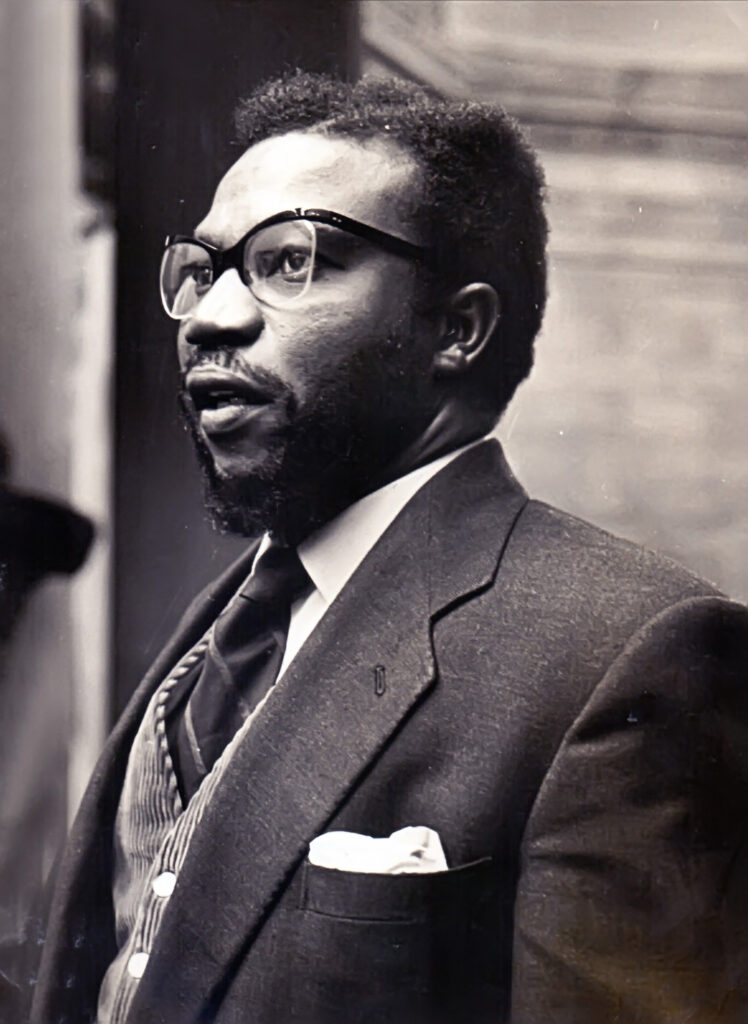
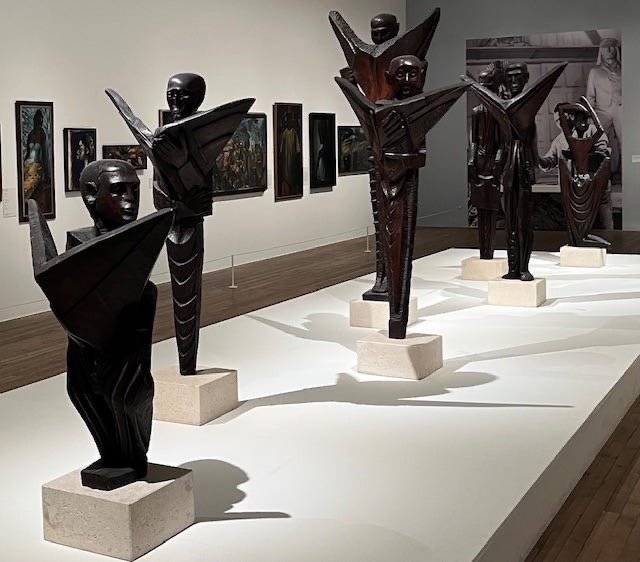
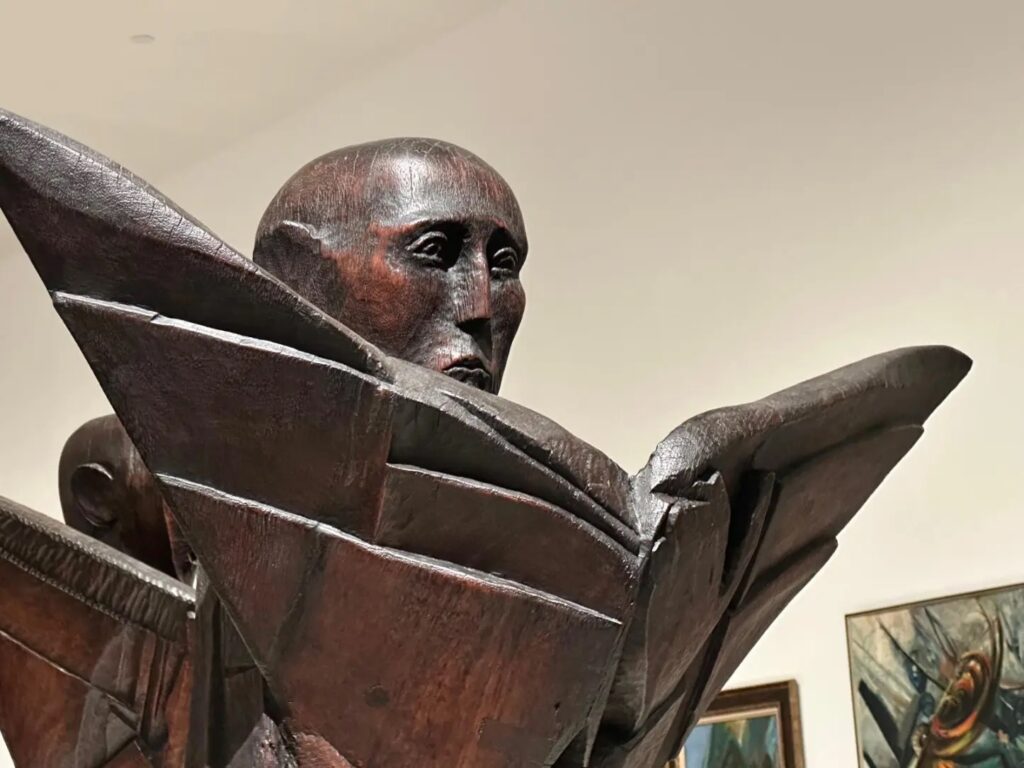
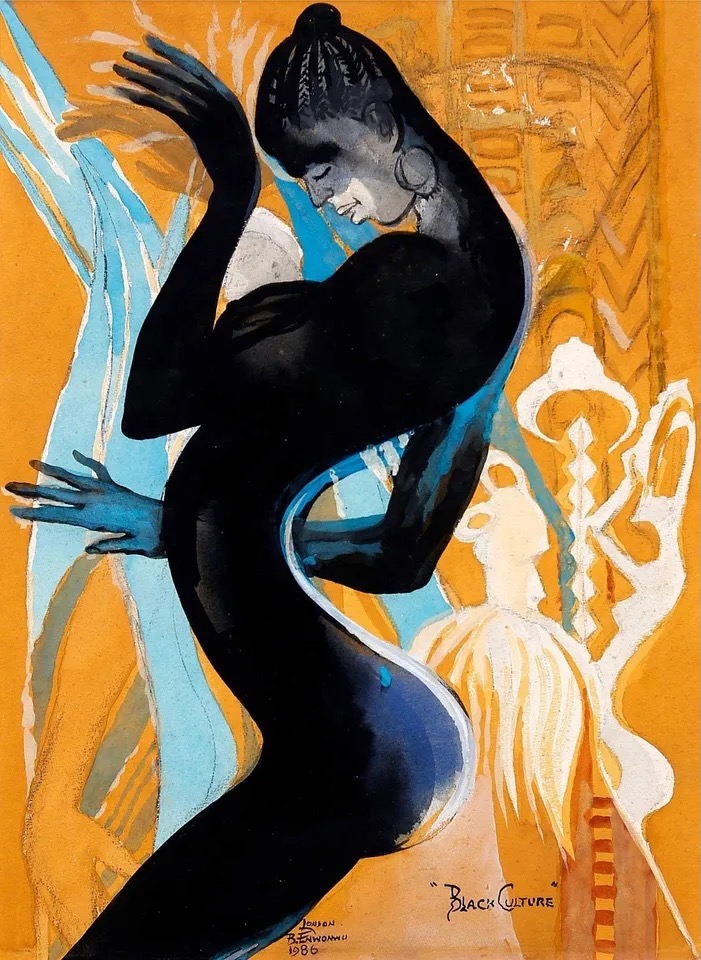
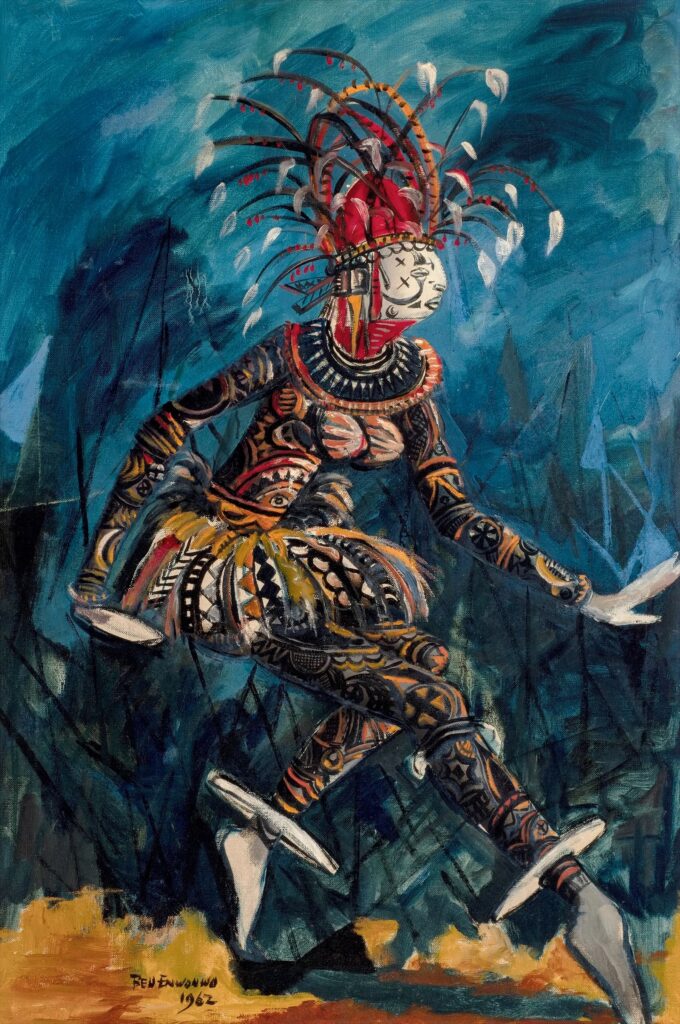
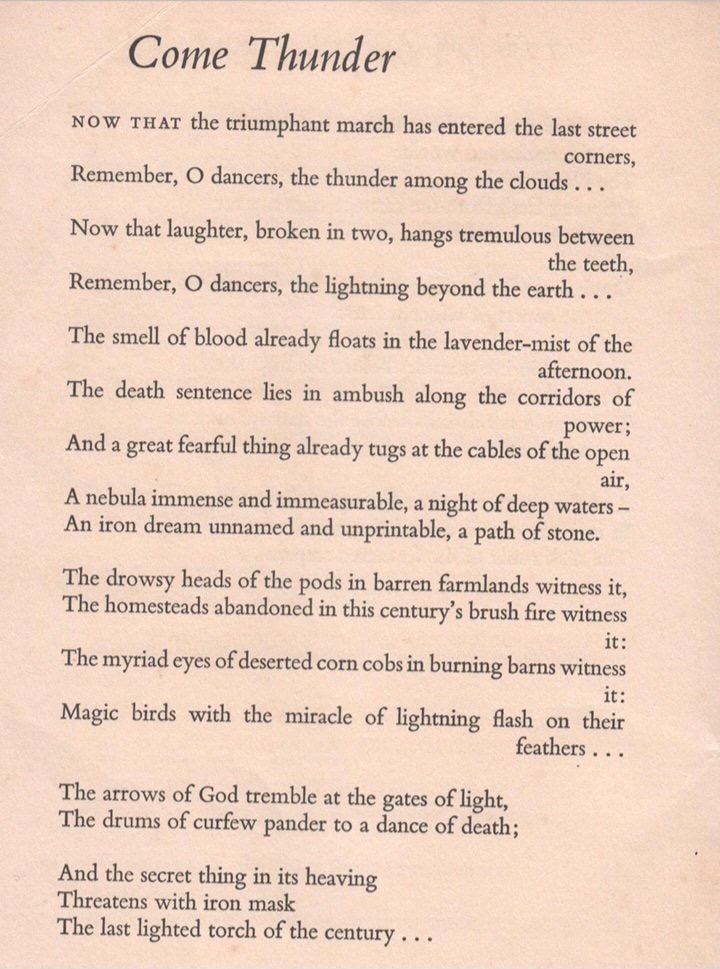
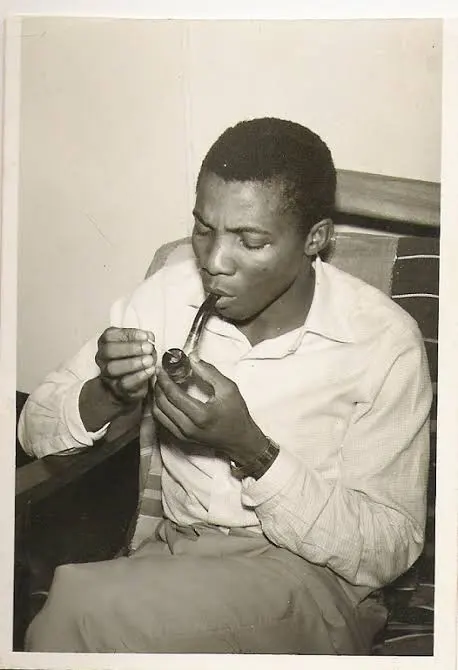
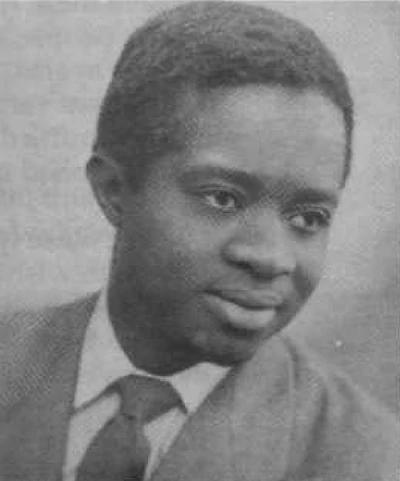
It was great also to see a poet featured amongst the fine artists here – displayed on the wall but also relayed as a sound recording. Come Thunder by Christopher Okigbo is a classic from this period of Nigeria’s struggle towards independence. His voice is a warning too and a reminder of the suffering and difficulties of the journey towards freedom.
Here are some more of the exhibits in this action-packed show that have stayed with me long after I made my way back outside on a sunny, but, sadly, no longer a Nigerian, London afternoon. Don’t miss this show – it runs until 11 May.
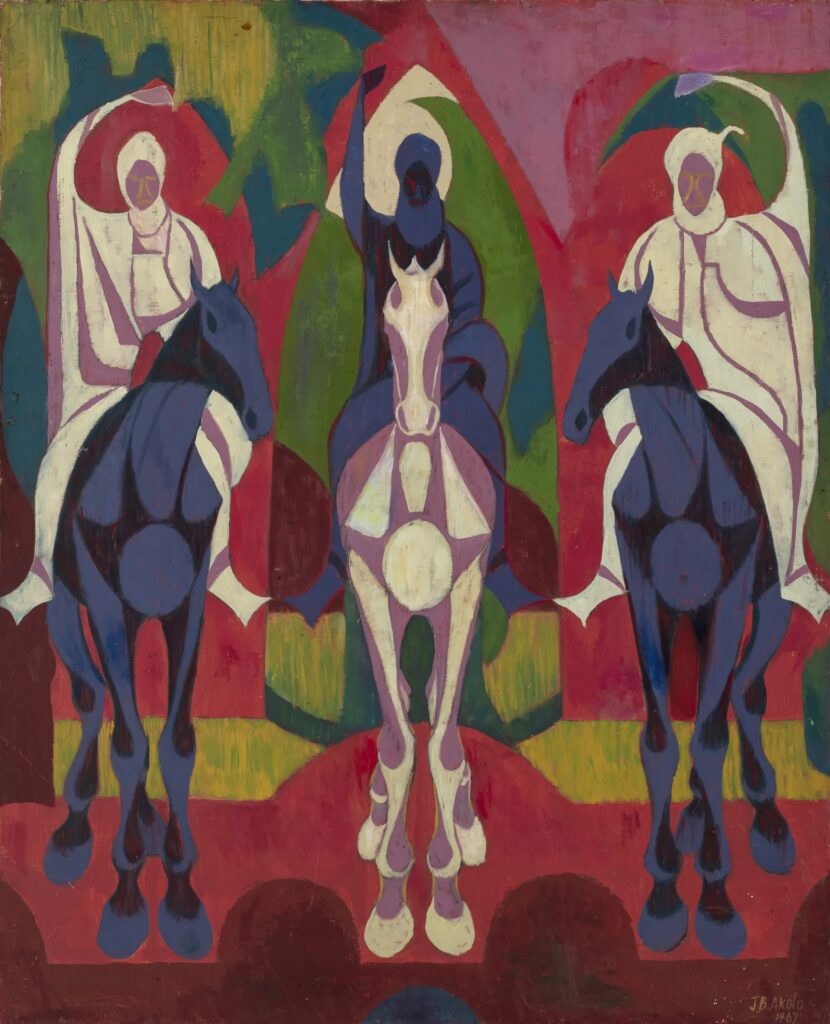
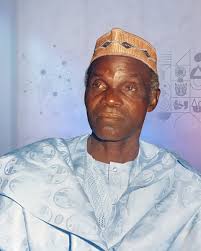
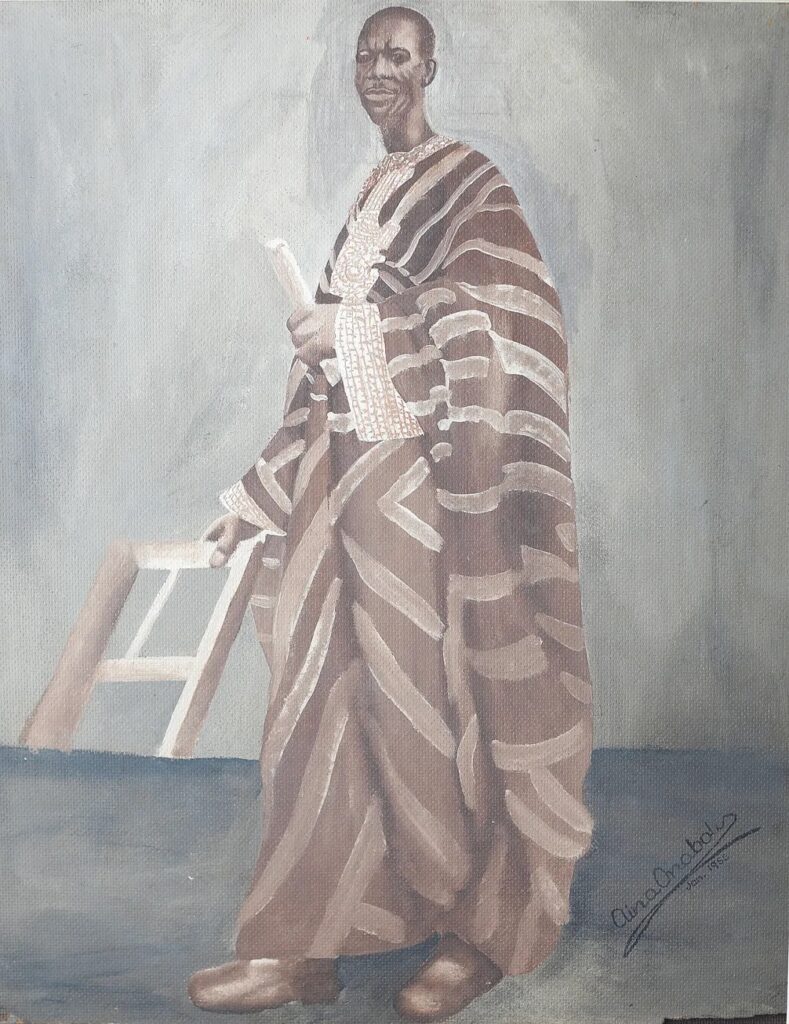
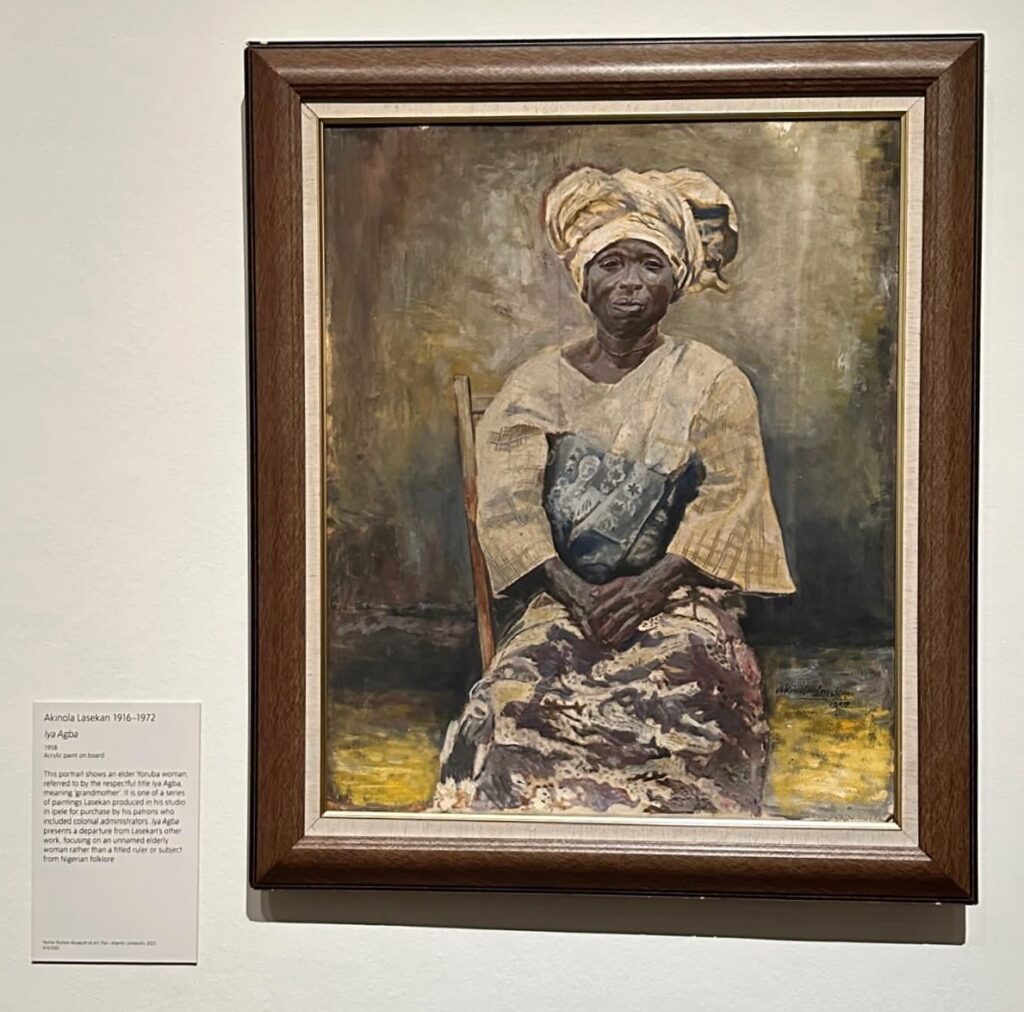
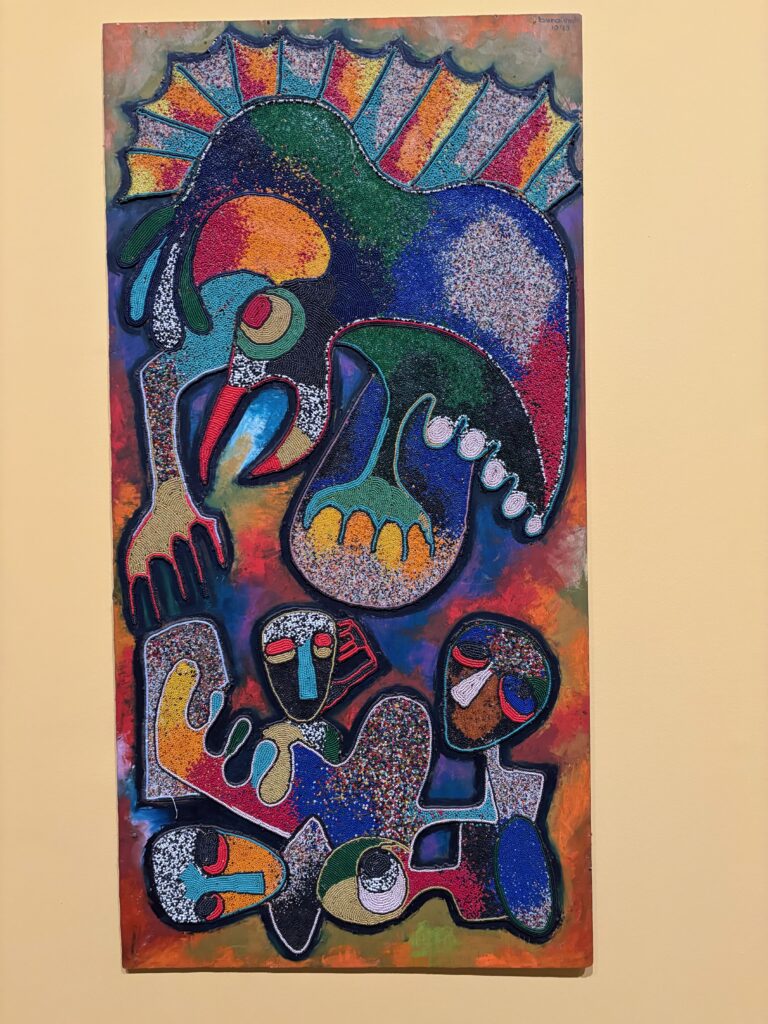
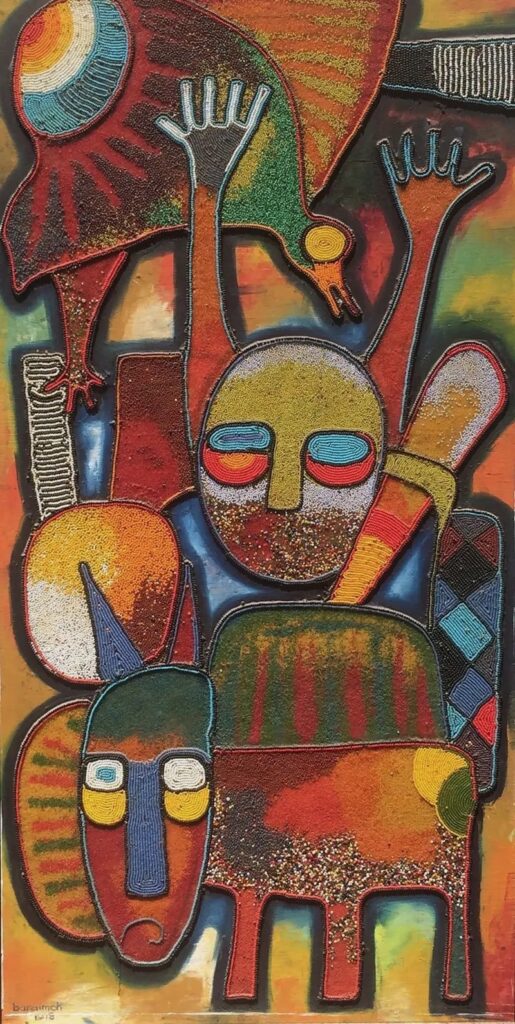
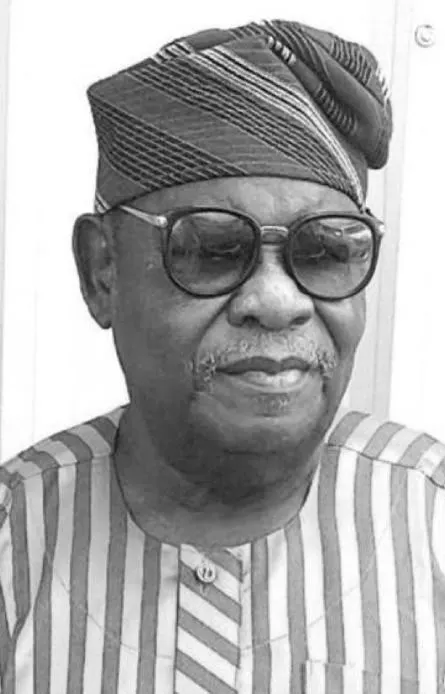
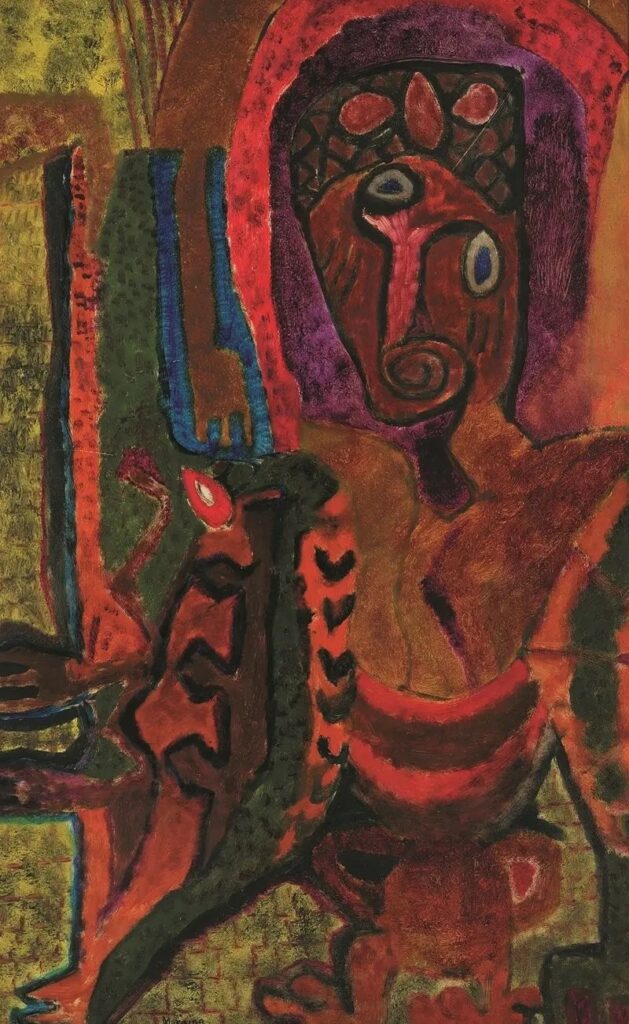
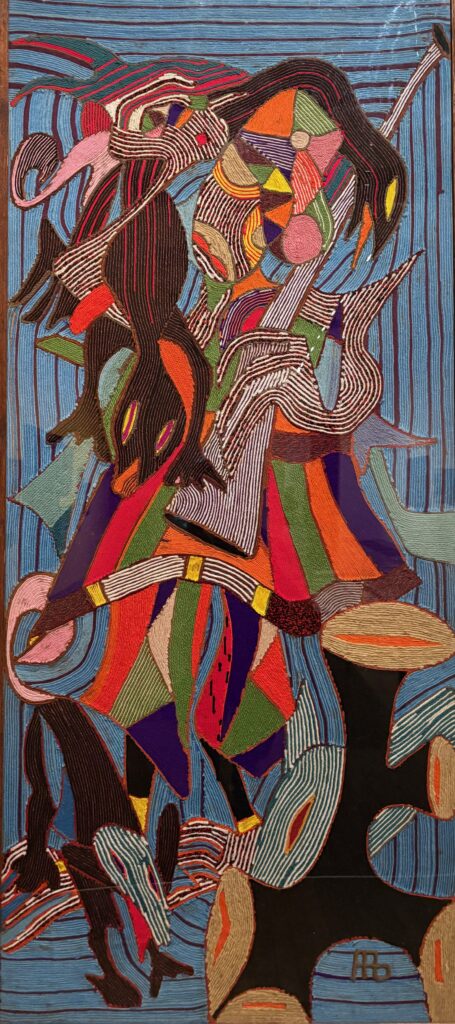
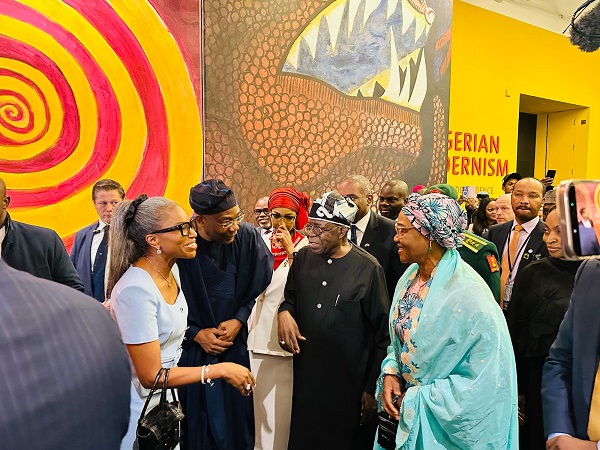
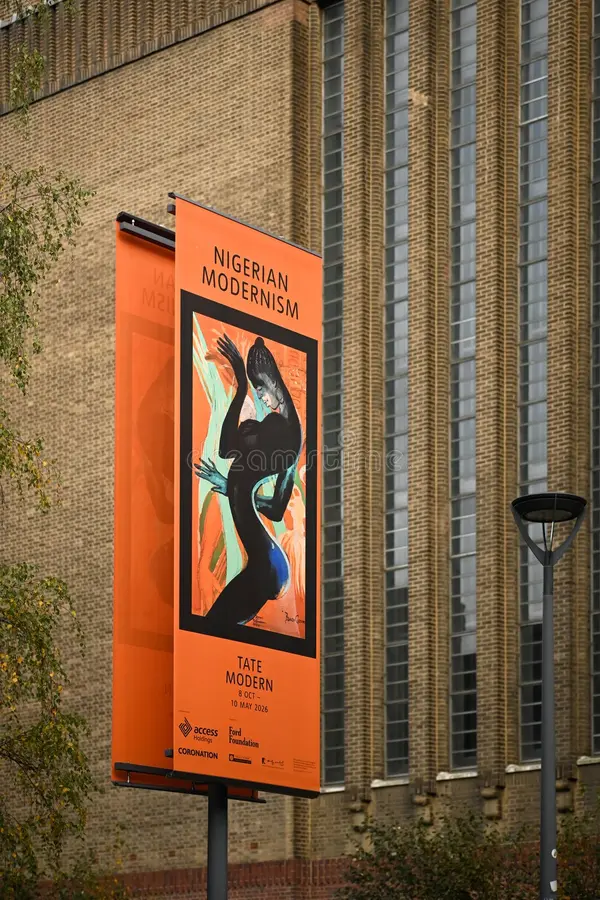
President Tinubu’s comments about the Tate modern exhibition: ‘The theme of the exhibition, Nigeria’s modernism, is more than just a title for an art show. It is a testament to revolution. It tells the story of a generation of Nigerian giants, who in the middle of the 20th century refused to be despised but chose to define themselves.’