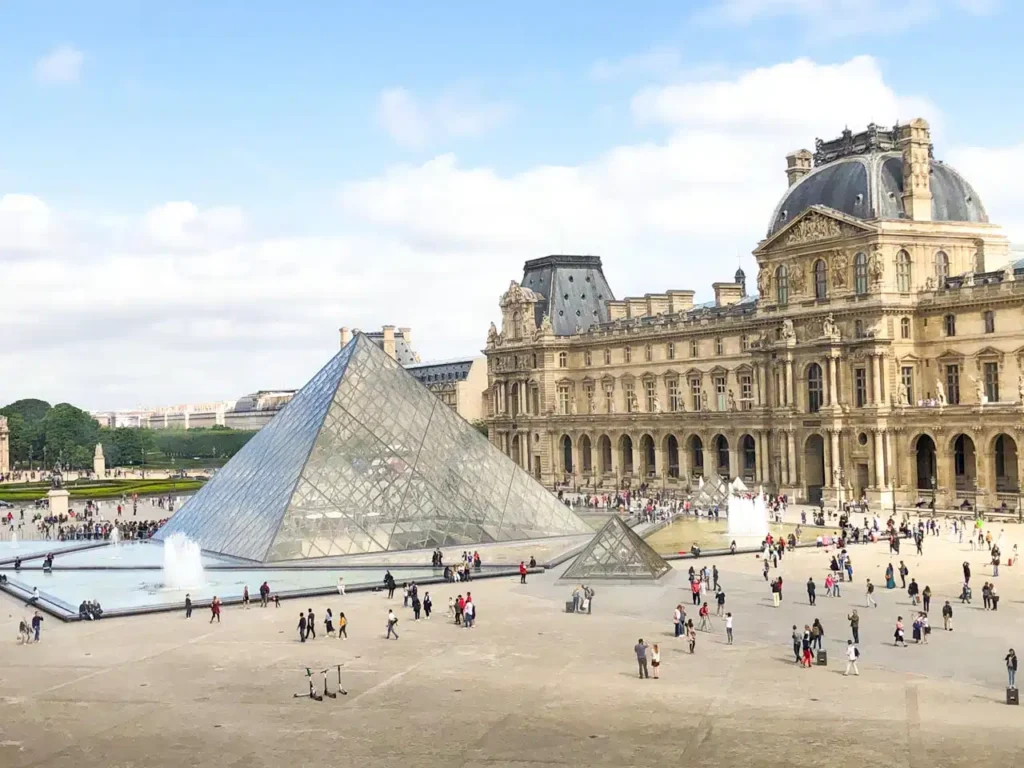
In my previous blog I said had avoided going to Montmartre in the past because of the crowds but decided to go along anyway this time on my recent trips to Paris. This is also the reason why last year was the first time I had visited possibly the most well-known classical fine art gallery in the world, the Louvre. I knew so many of the pictures from studying art and from loving so many of the paintings that are housed here. So many of them, and one in particular, makes the Louvre the busiest gallery in the world .
There are long queues before you get in and, once inside, with a few exceptions, and one in particualar, it is easy enough to get round all the galleries housed here and perfectly possible to study individual paintings. It is a problem, I think because of the massive numbers trying to get inside, that it has to be an epic event to visit here. It is unlikely that many people would have the patience to spend so long queuing for a regular visit just to look at an old favourite like you can do in many of the other great galleries, like, for instance London’s National Gallery. and the wonderful Musée d’Orsay https://wolfiewolfgang.com/a-day-at-musee-dorsay-in-paris/, that I visited in 2013. The Louvre is vast, it has thousands of exhibits and it is therefore impossible to see everything or even a significant proportion of the works here without overloading your brain with too much input. Maybe, after the promised, refurbishment, the Louvre’s directors will make it possible to have drop in passes and season tickets. Until then, I decided this was going to be one busy day in which I would have to decide up front which pictures i just had to see and which I would have to give a miss to. It is a problem of too many riches, but I did it and left thrilled but exhausted.
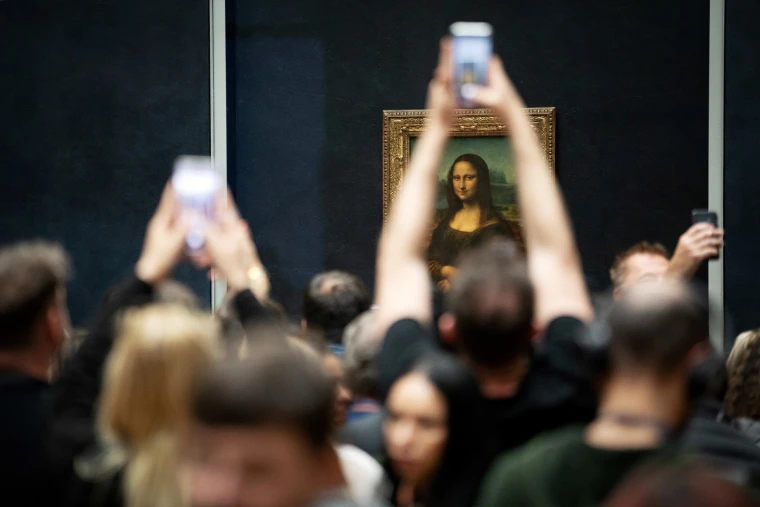
So, this time iI decided which of the amazing art works here could be fitted into a day when I could reasonably take in the details rather than just do the art gallery shuffle, two seconds a glimpse and a quick selfie with a masterpiece. One of my choices had to be you know what, but I had to pick my other long-term favourites – the Italian Renaissance, of course, the Italian and French baroque and, if there was time, the Dutch Golden Age. I know what you are thinking, and, yes, there are so many different lists I could make about what i would like to see next time. But there you go. Of course everyone in the huge crowds had one painting in mind. The world’s best known work of art, by possibly the greatest artist, Leonardo da Vinci. Yes, I mean the Mona Lisa. And, yes, nowhere else in the gallery had crowds like this.
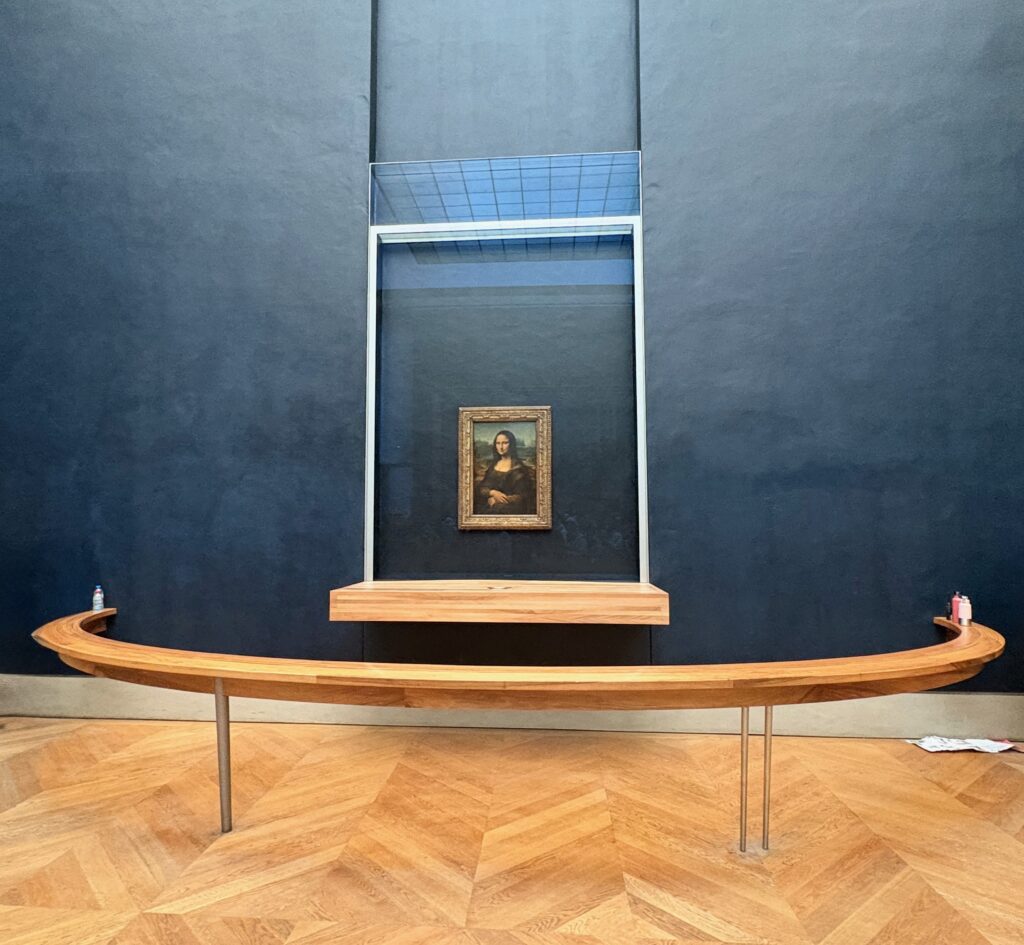
Everyone was snapping memories for themselves of this legendary painting. Most visitors found ingenious ways of getting an image of Lisa but for most visitors that day, they had to make do with standing in a crush twenty or thirty people deep. With some patience it was possible to get nearer to the front where the lucky few could take their turn to stand with their back to the painting for the inevitable selfie. When I was, say, six or seven people away from the front, I started to volunteer to take pictures for others and thus soon enough found myself at the front with an uncluttered view of this most famous of paintings.
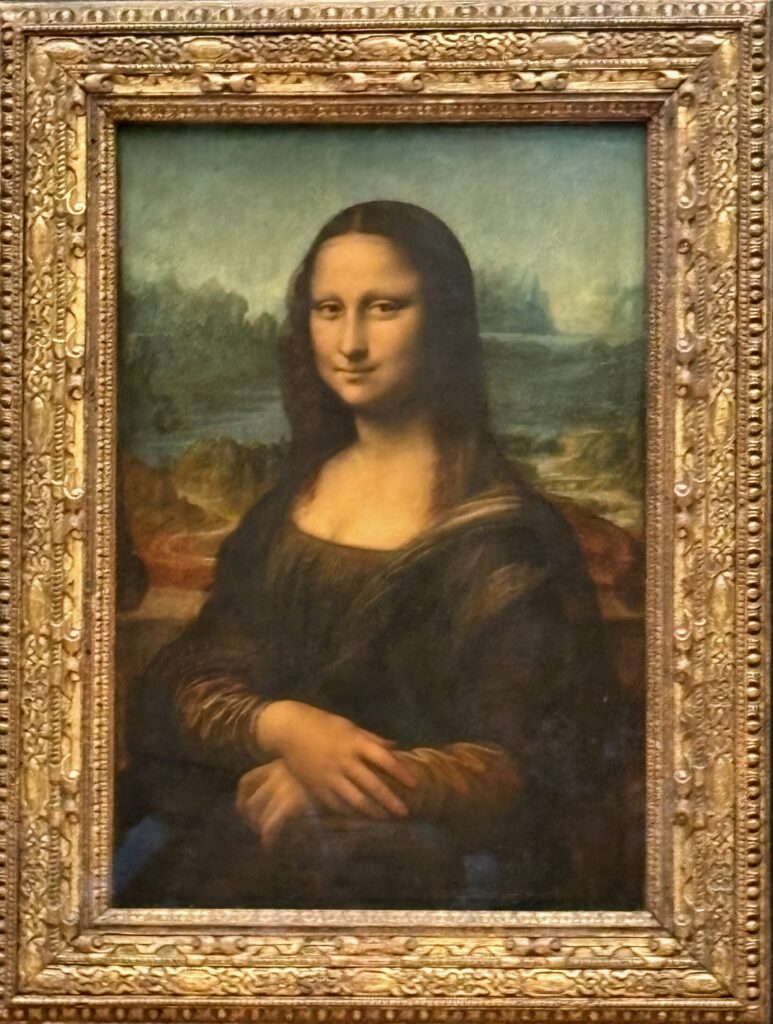
I have to say, Mona Lisa is worth the wait and spending time with her, eye to eye, was as moving an experience of seeing Leonardo’s Last Supper in Milan. Yes, I can see why this lady causes all the fuss. This is truly great art, sublime, eye-wateringly beautiful and enigmatic. Everyone should see it.
THE ITALIAN RENAISSANCE
Leonardo da Vinci
Mona Lisa, or La Gioconda, 1503/16, by Leonardo da Vinci (1452 – 1519)
There are other Leonardo da Vinci paintings in the Louvre, all masterpieces, but they don’t attract this kind of attention.
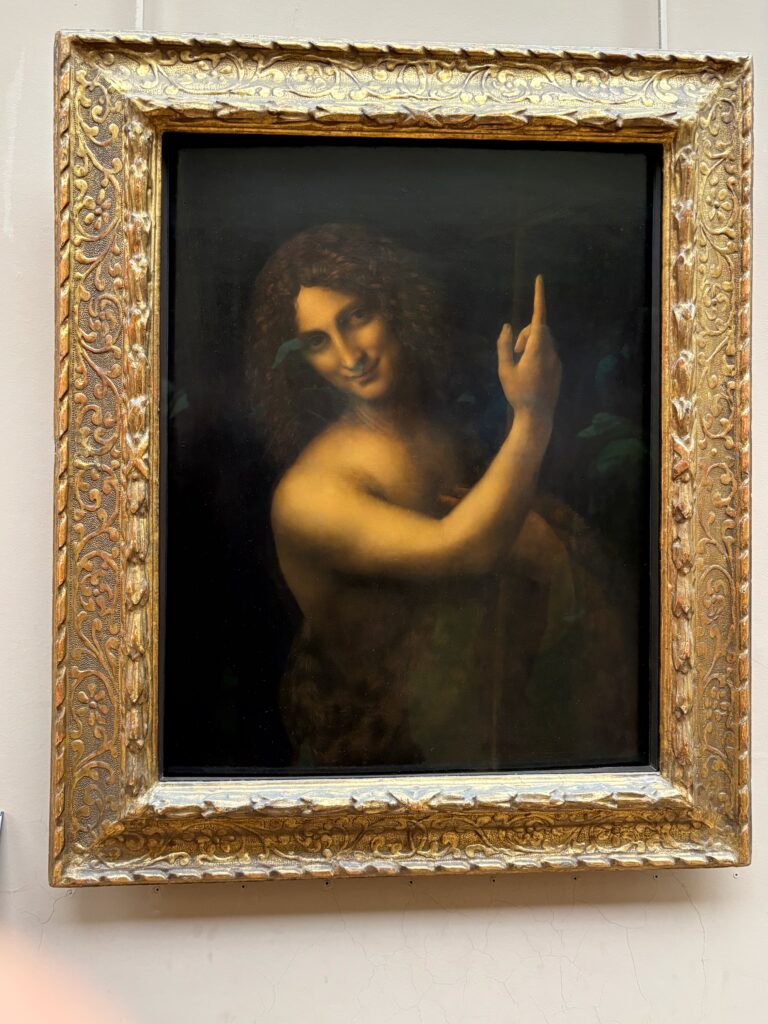
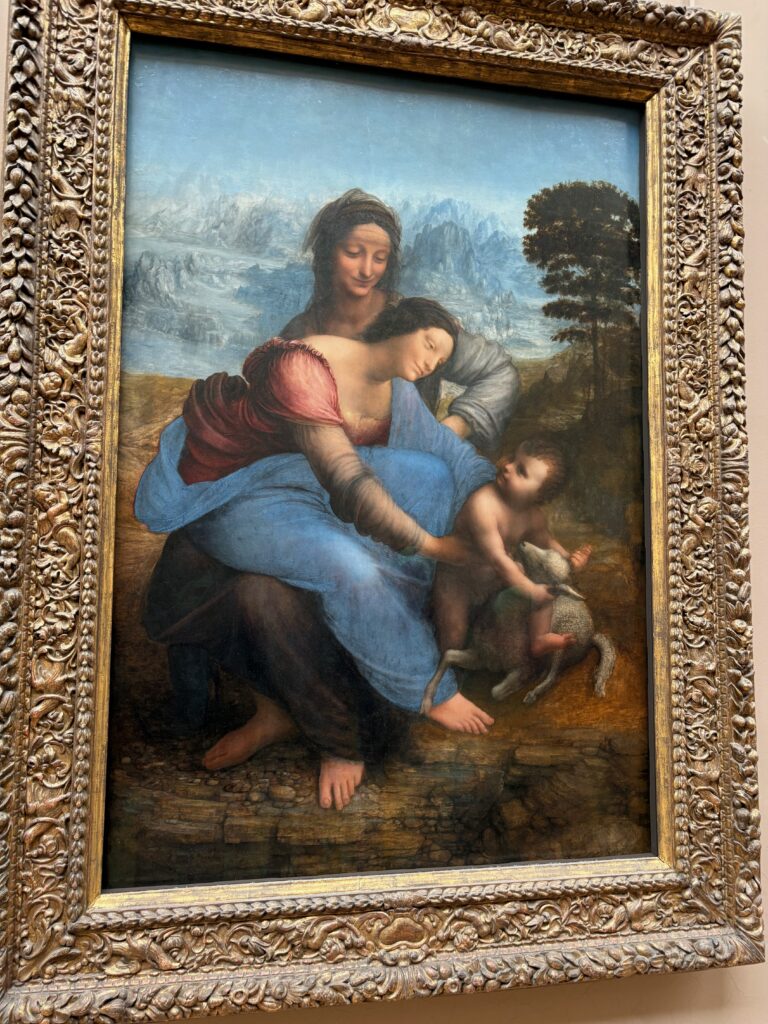
The Virgin of the Rocks, 1483/93, by Leonardo da Vinci (1452 – 1519)John the Baptist, 1507/16, by Leonardo da Vinci (1452 – 93)The Virgin and Child with Saint Anne, 1501/19, by Leonardo da Vinci (1452 – 1519)
There are so many masterpieces in the Louvre that is is impossible to show them all here….but all the other great masters in Italian Renaissance art are represented. I had a wonderful day here, wonderful but truly exhausting, and I saw many of the pictures that I set out to find. Here, for the record, are the ones that I went for – plus, at least for me, a few surprises that popped in on the way.
Michelangelo
The Rebellious Slave and The Dying Slave by Michelangelo (1475 – 1564)The Dying Slave, 1513/16, by Michelangelo (1475 – 1564)The Rebellious Slave, 1513, by Michelangelo (1475 – 1564)
Raphael
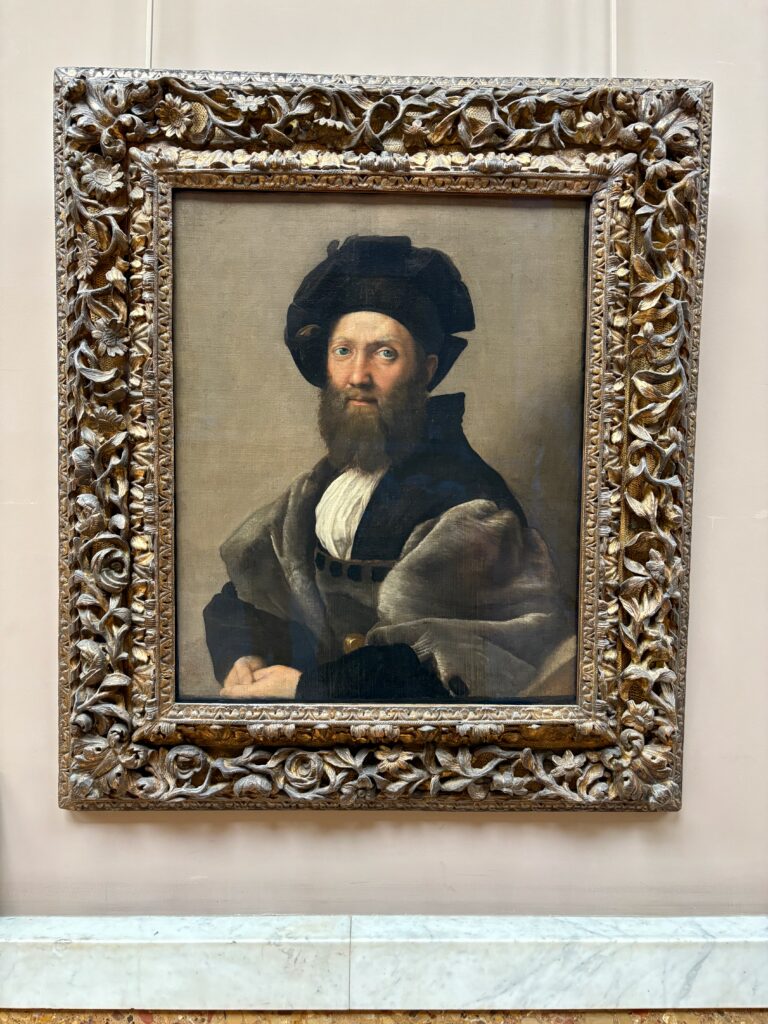
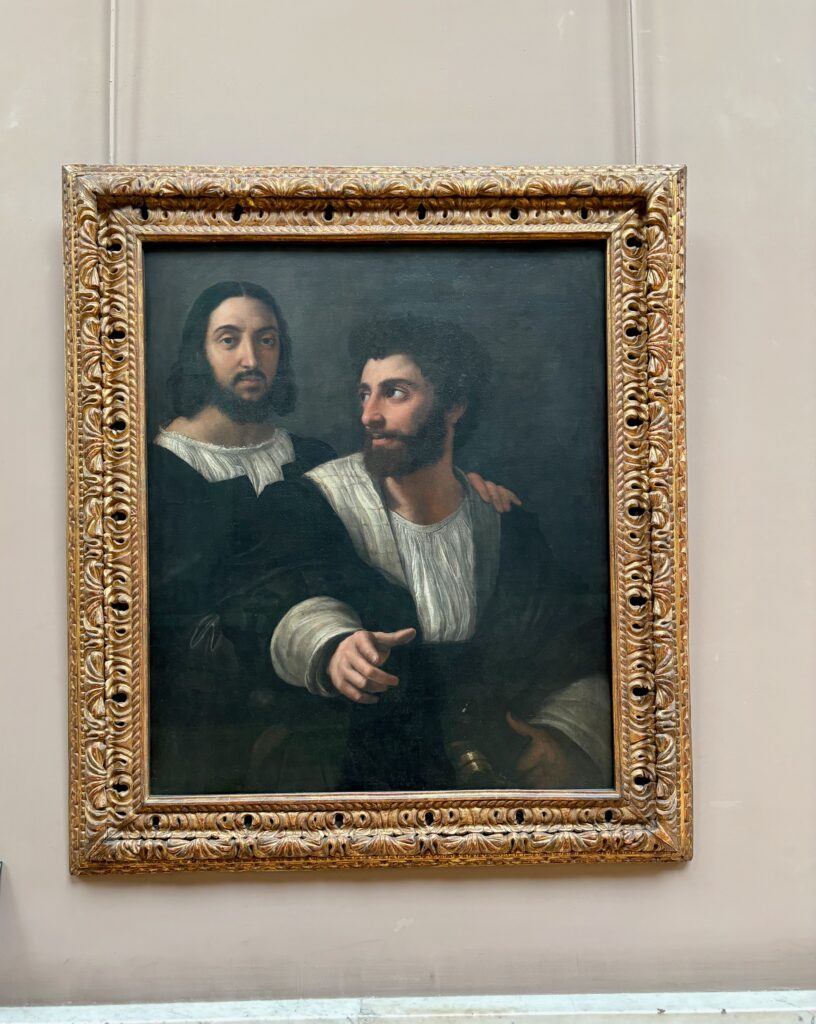
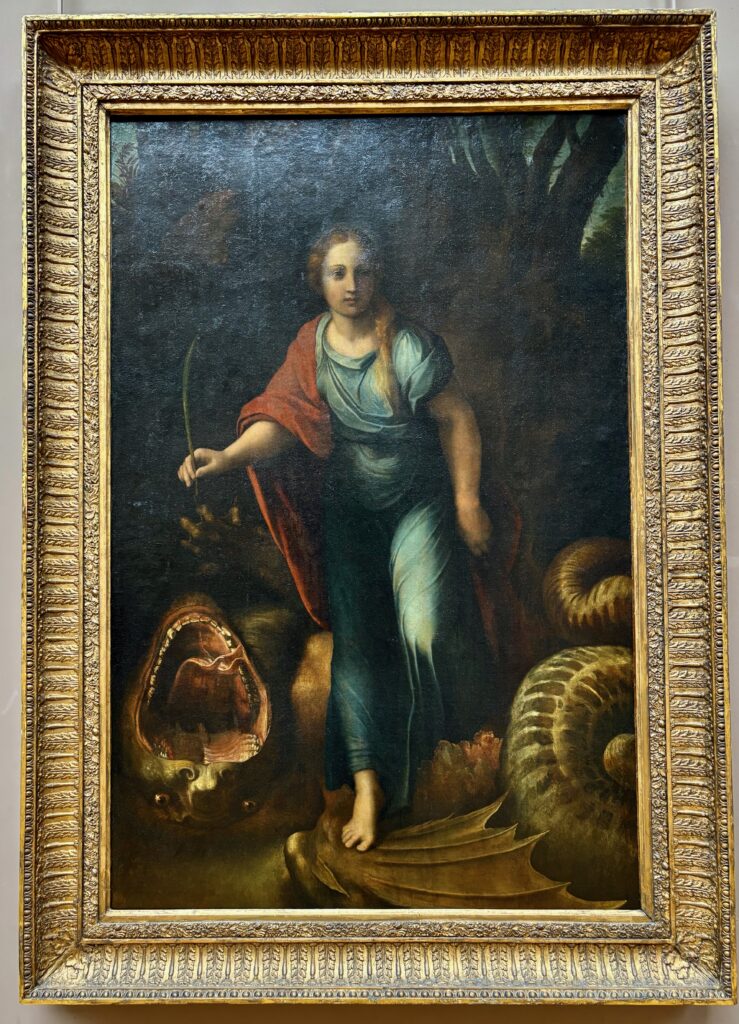
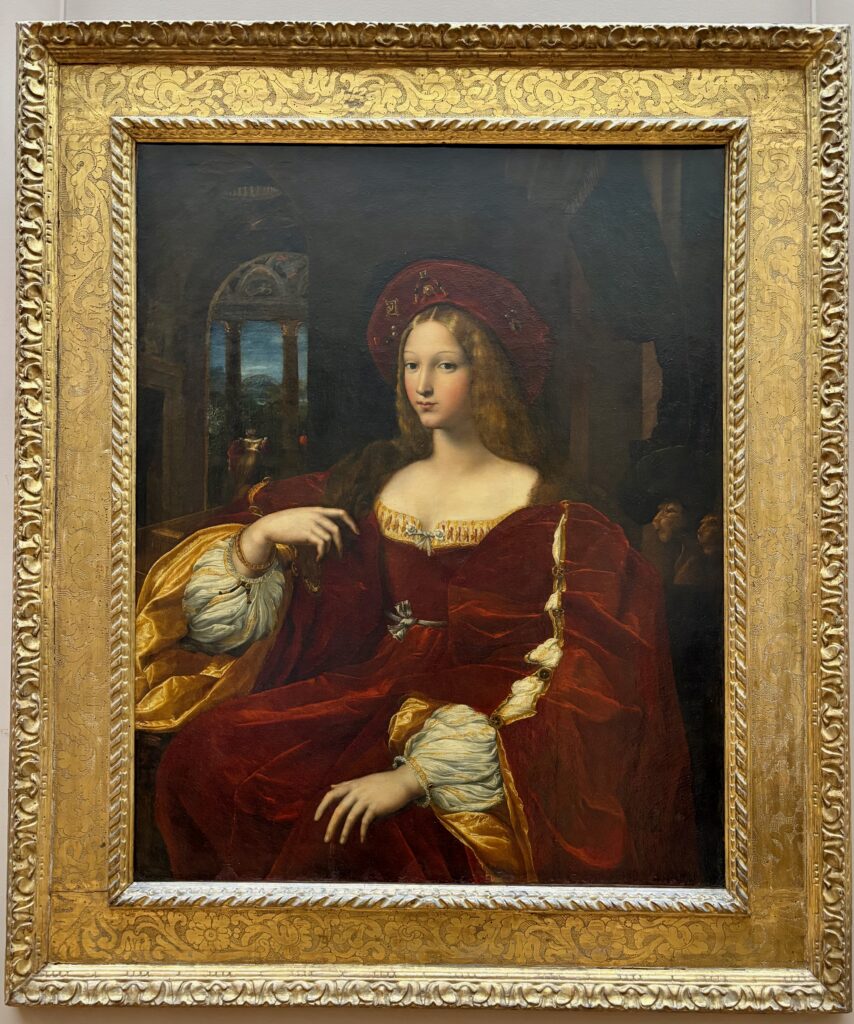
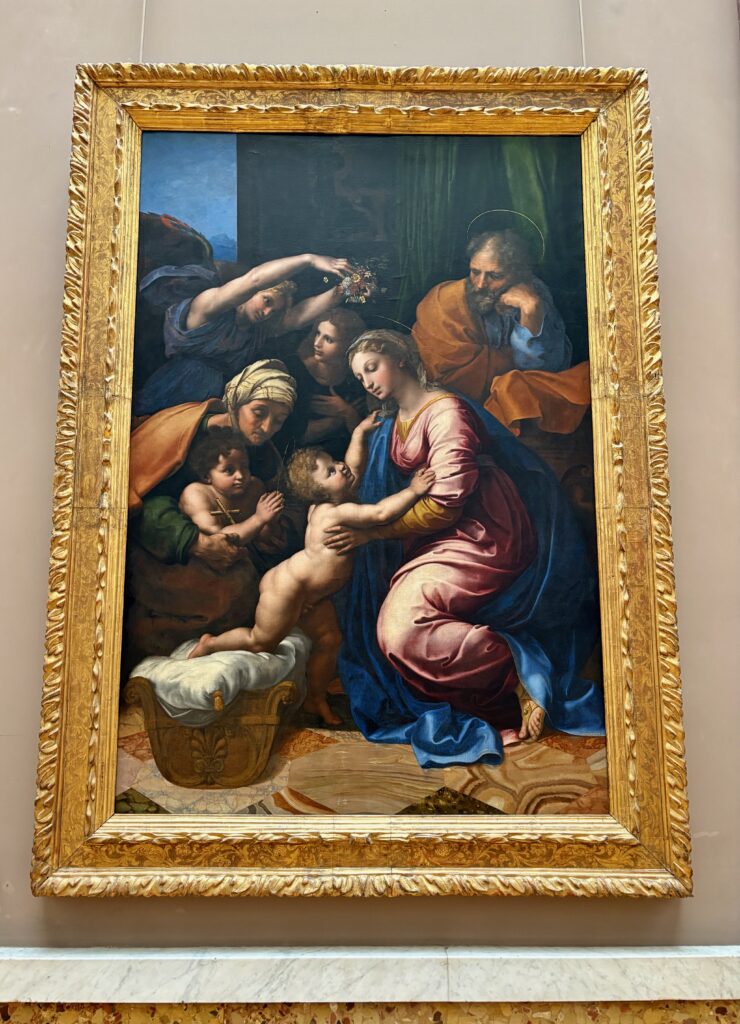
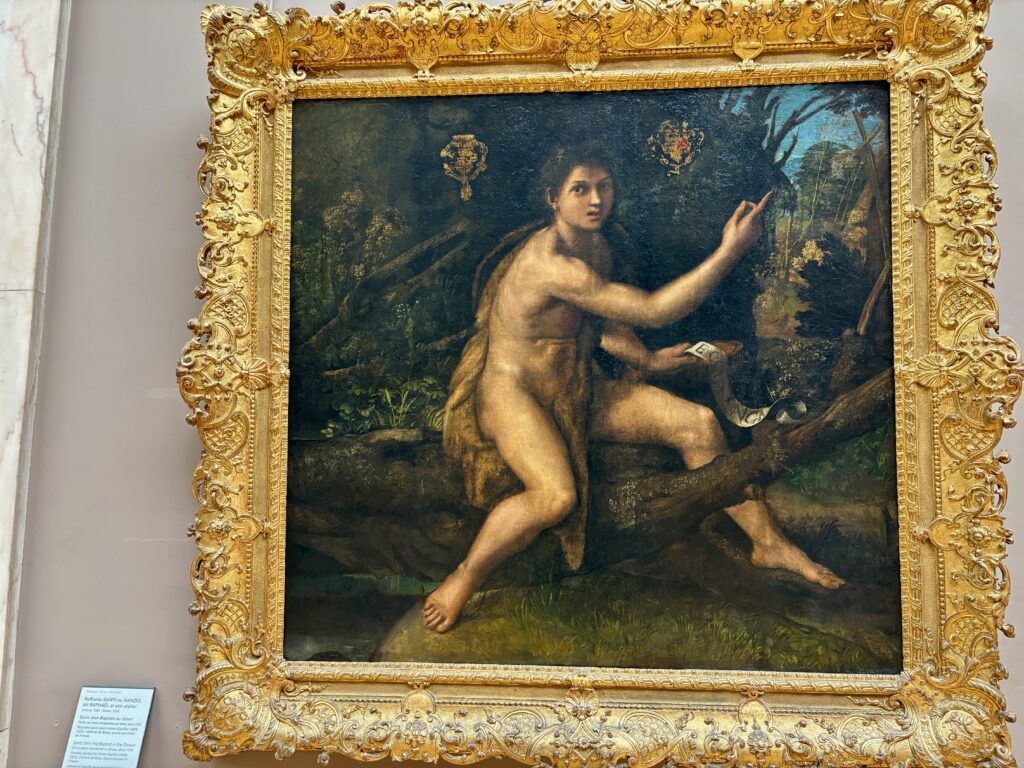
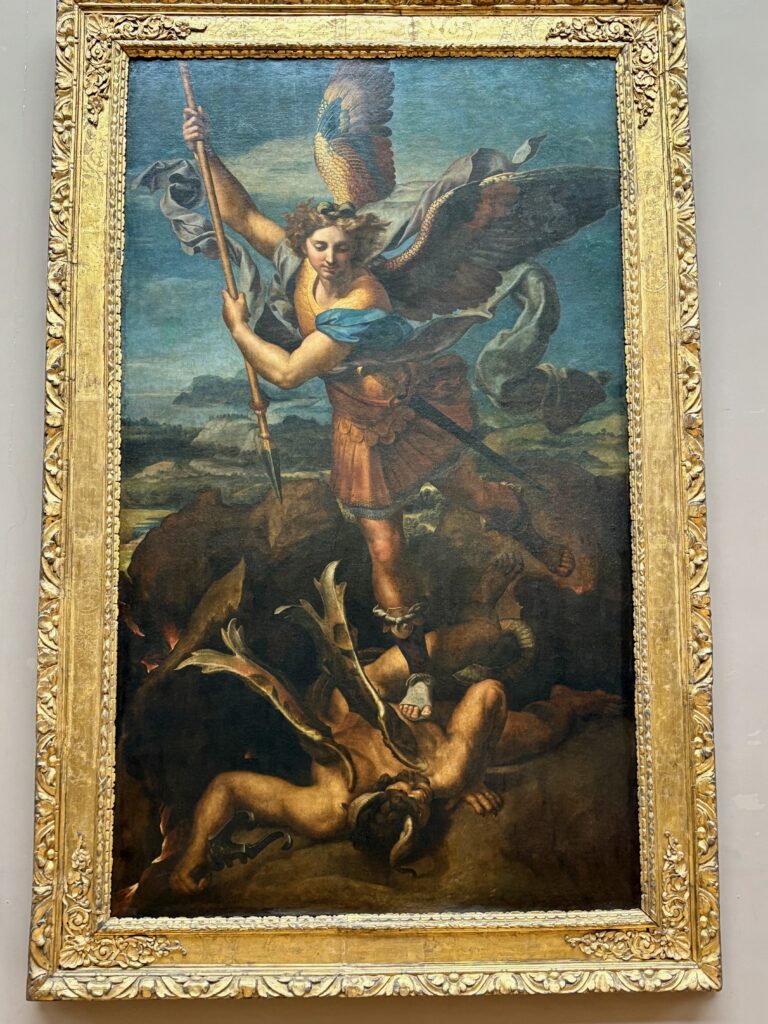
Portrait of Baldassare Castiglione, 1514/15, by Raphael (1483 – 1520)Self-Portrait with a friend, 1518/20 by Raphael (1483 – 1520)Saint Margaret, 1518, by Raphael (1483 – 1520)Portrait of Doña Isabel de Requesens, 1518, by Raphael (1483 – 1520)The Holy Family by Raphael (1483 – 1520)John the Baptist in the Desert by Raphael (1483 – 1520)Saint Michael vanquishing Satan by Raphael (1483 – 1520)
Piero della Francesca
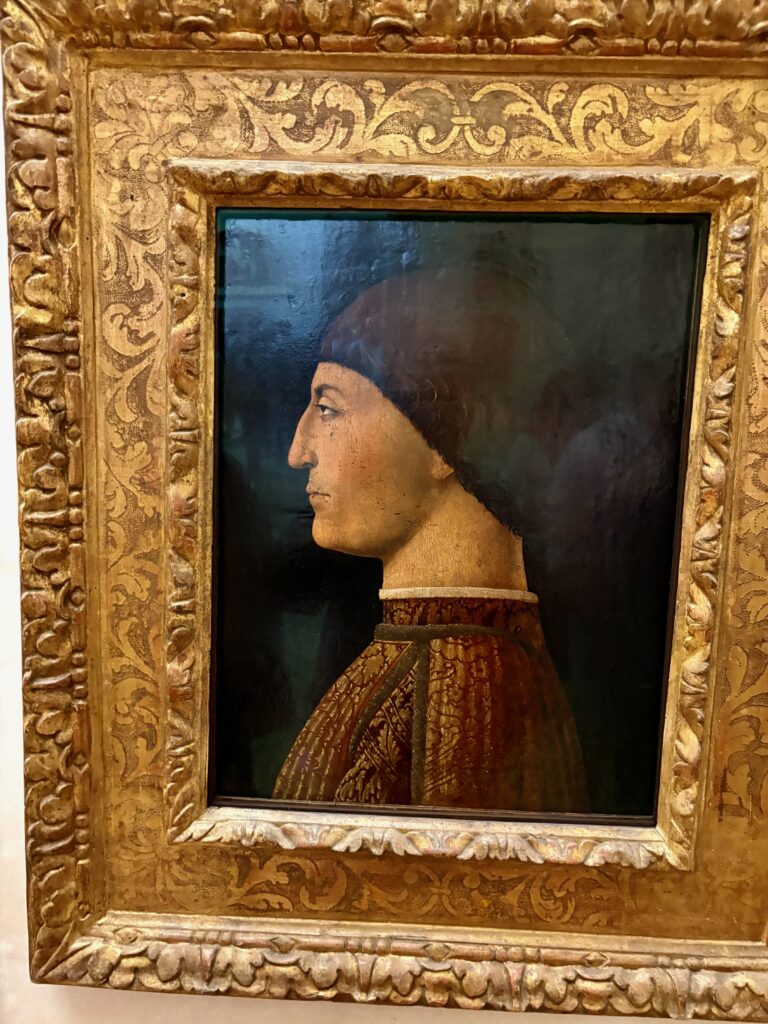
Portrait of Sigismundo Pandolfo Malatesta, c. 1451, by Piero della Francesca (1415 – 1492)
Giovanni Bellini
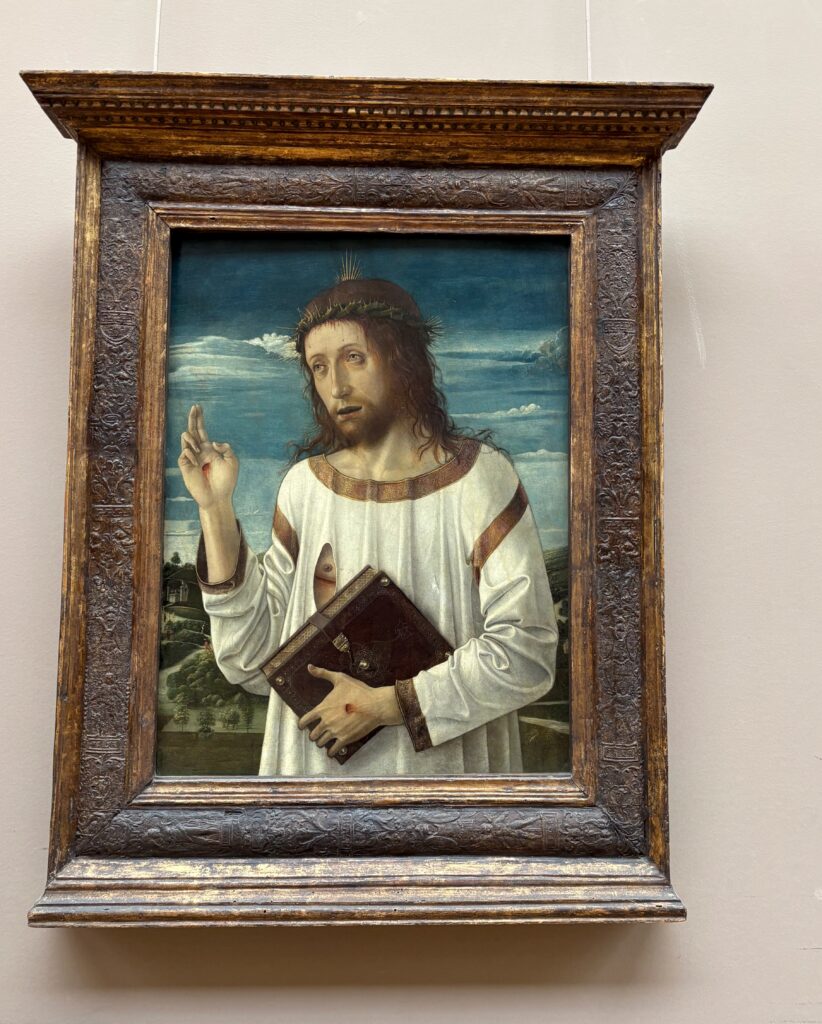
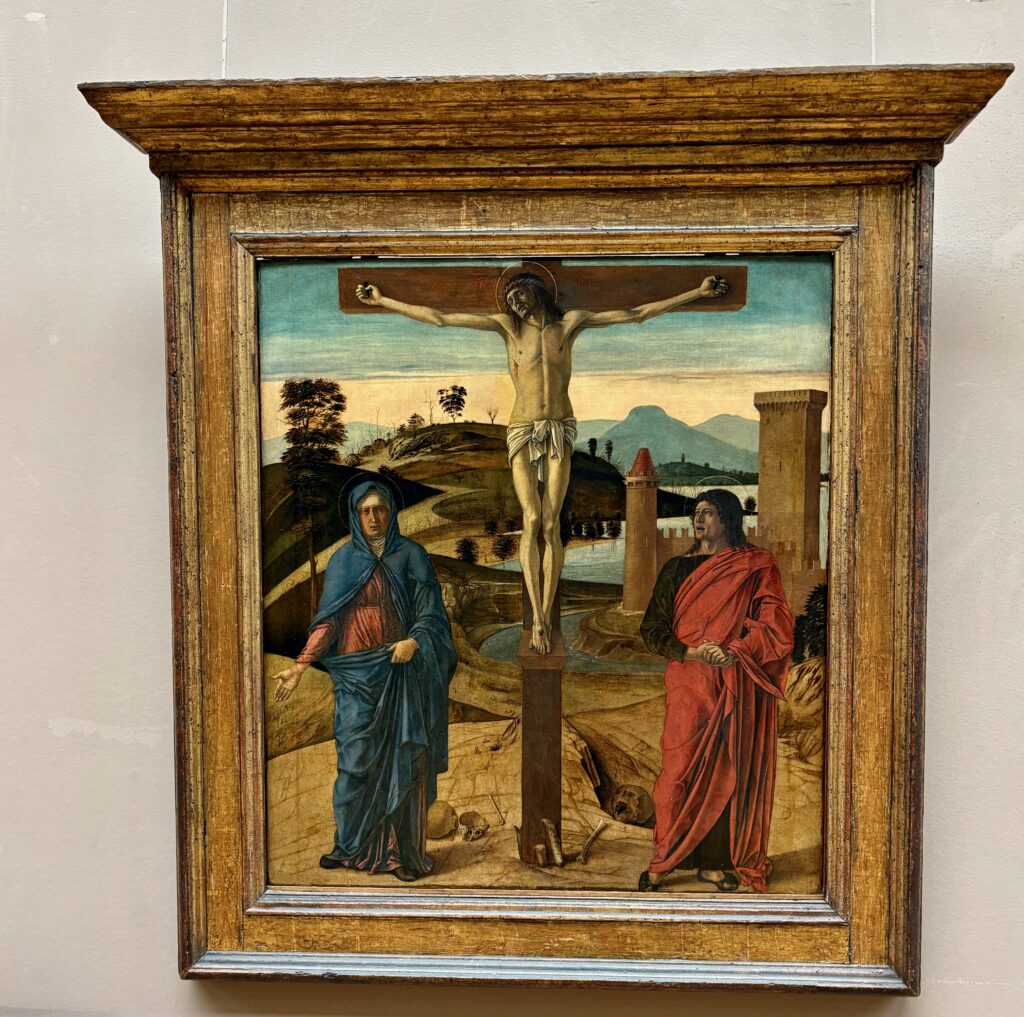
Christ Blessing, 1460, by Giovanni Bellini (1430 – 1516)The Crucifixion, 1465/70, by Giovanni Bellini (1430 – 1516)
Andrea Mantegna
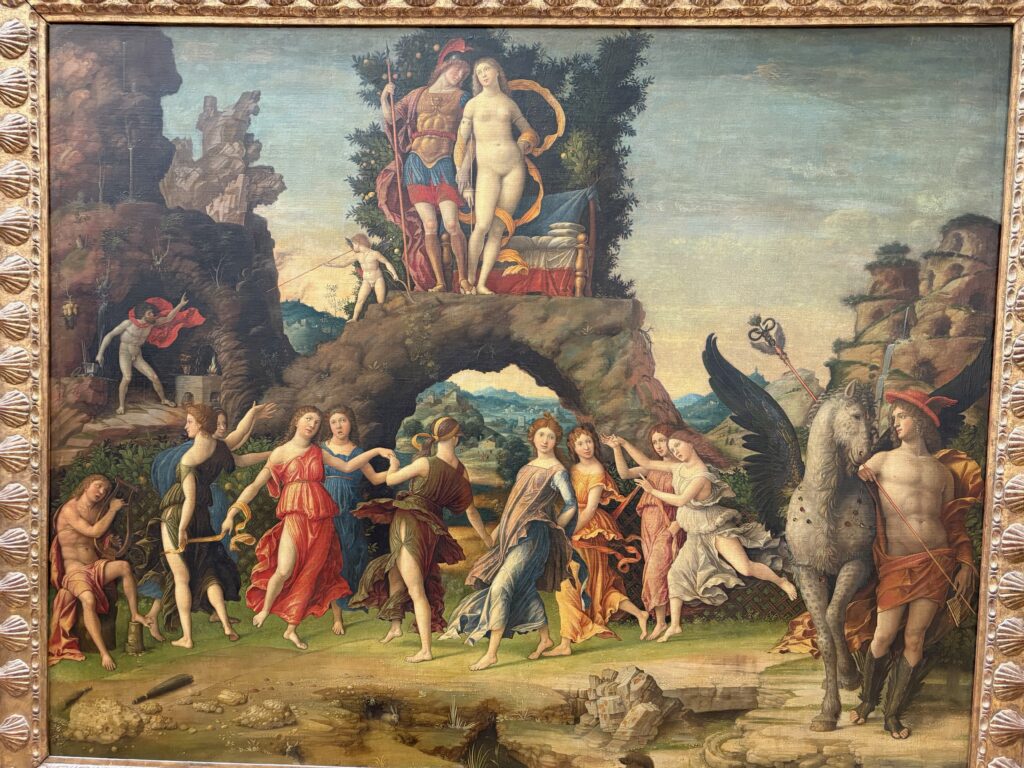
The Crucifixion by Andrea Mantegna (1431 – 1506)Saint Sebastian by Andrea Mantegna (1431 – 1506)Parnassus, 1497, by Andrea Mantegna (1431 – 1506)
Perugino
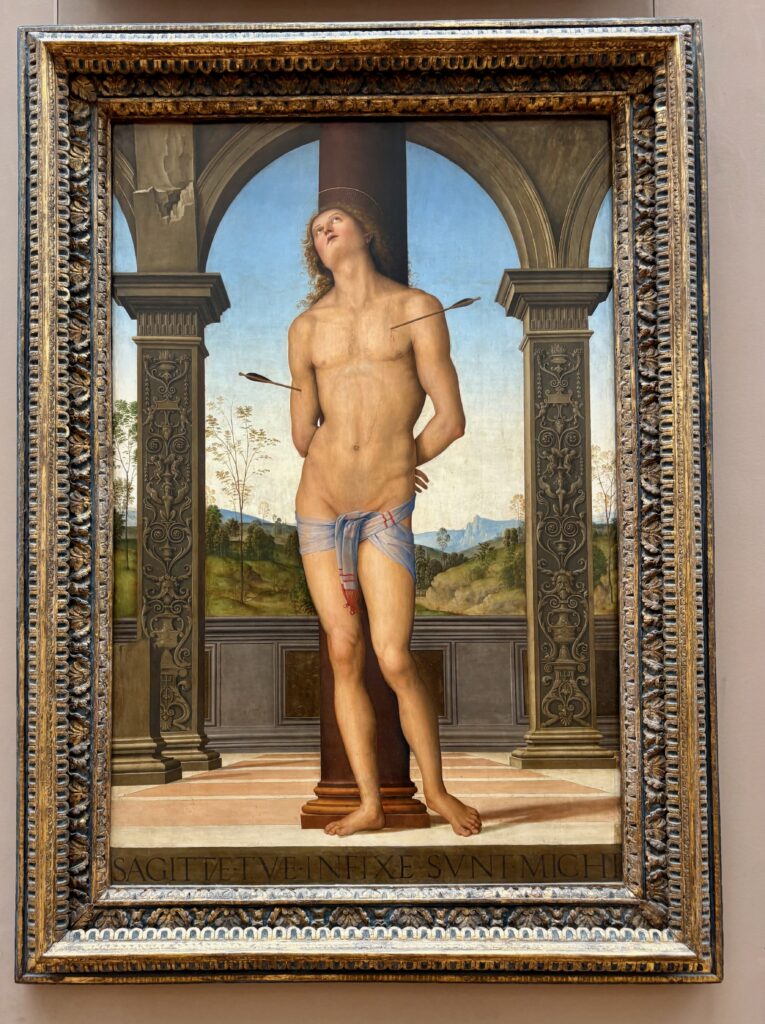
The Battle between Love and Chastity, 1503, by Perugino (c.1446 – 1523)Saint Sebastian, 1490/1500, by Perugino (c. 1446 – 1523)
Titian
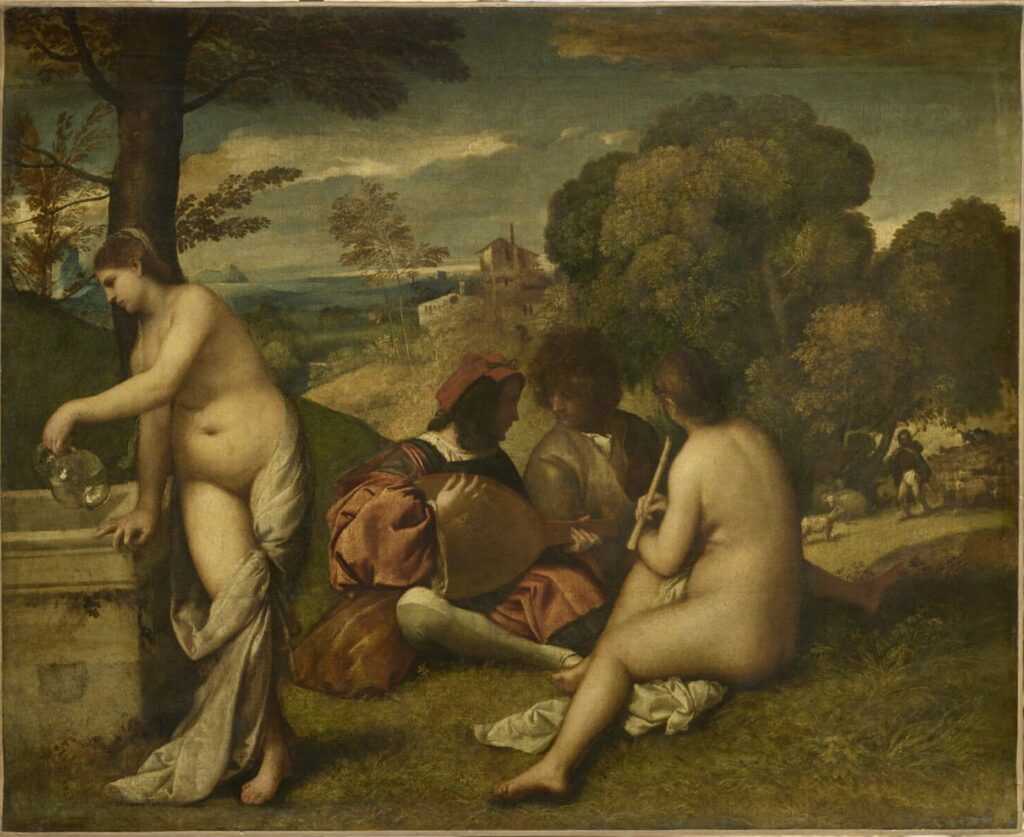
Le Concert Champêtre, 1509/10, by Titian (c.1485 – 1576)Man with a Glove, c.1510, by Titian (c.1485 – 1576)
ITALIAN BAROQUE + A FRENCHMAN
Bronzino
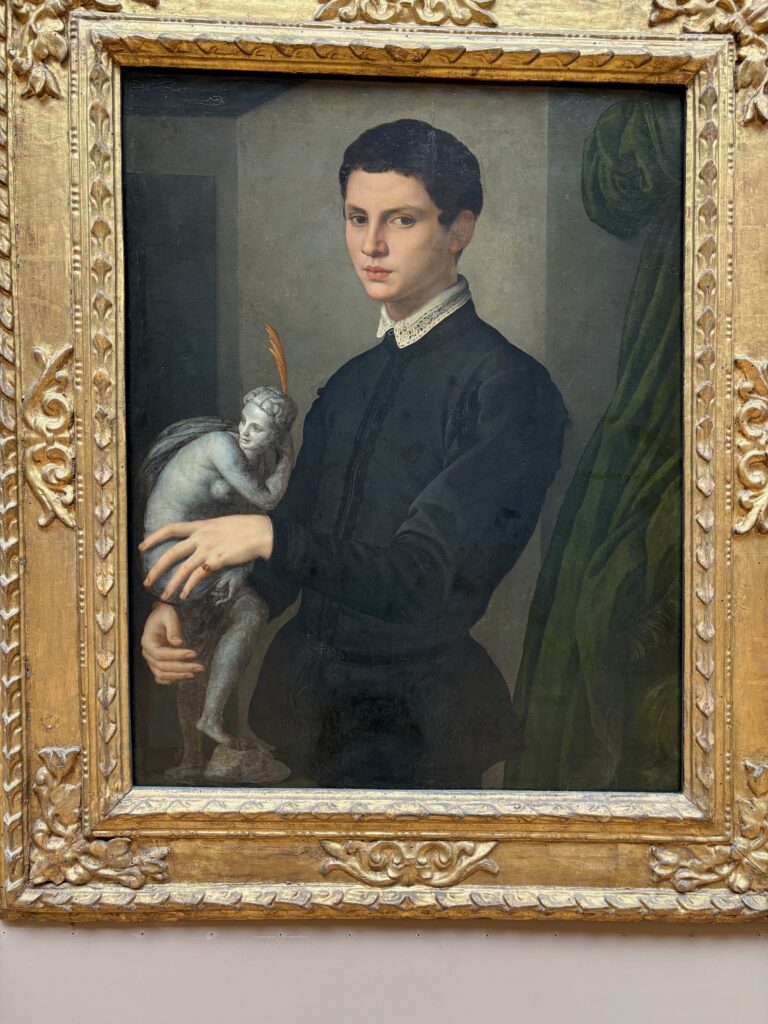
Noli me Tangere (Christ as a Gardener appearing to Mary Magdalene), 1561, by Bronzino (1503 – 1572)Portrait of a Young Man holding a Statuette, 1560/61, by Bronzino (1503 – 1572)
Antonio Carracci
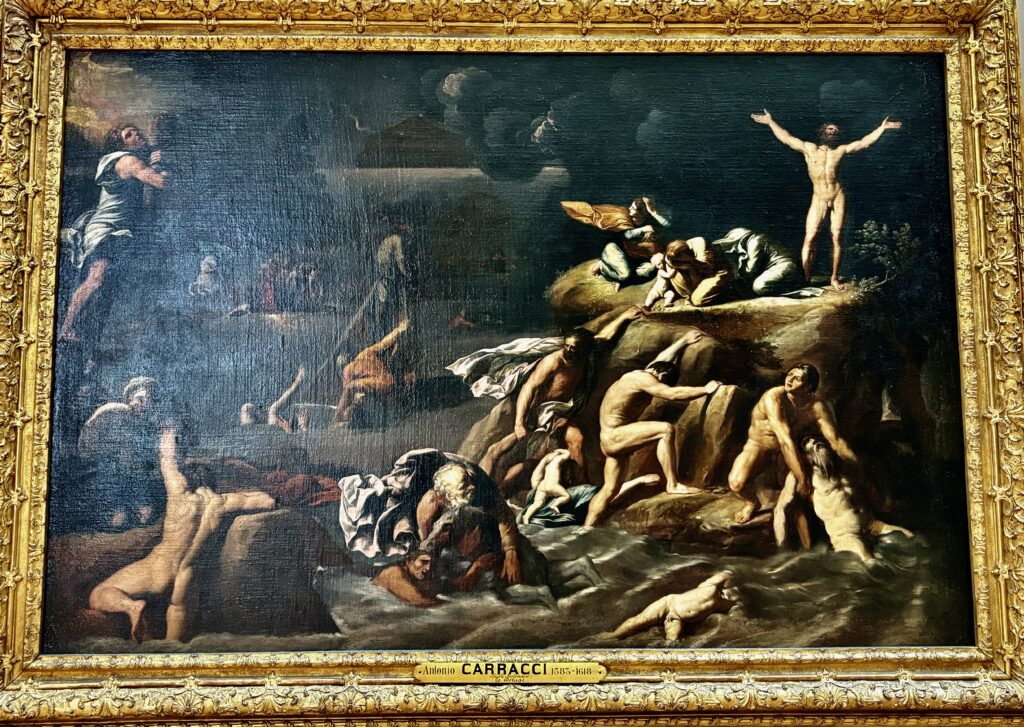
The Flood, 1616/18, by Antonio Carracci (1583 – 1618)
Annibale Carracci
Pietà with Saint Francis and St Mary Magdalene, 1602/07, by Annibale Carracci (1560 – 1609)
Caravaggio
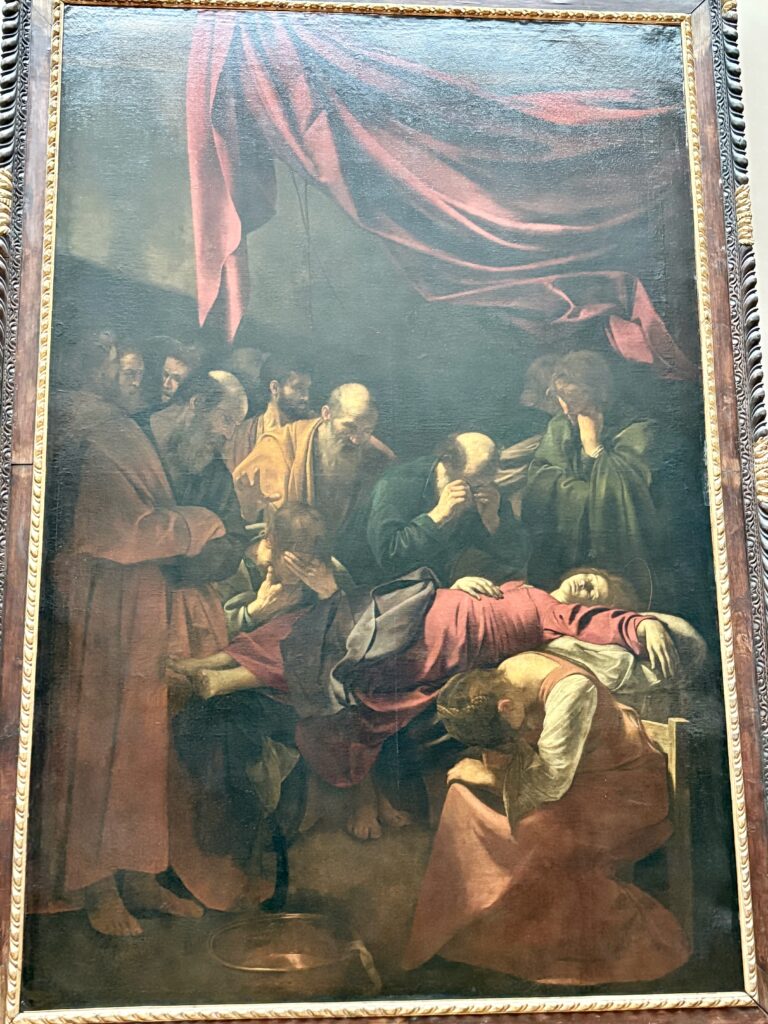
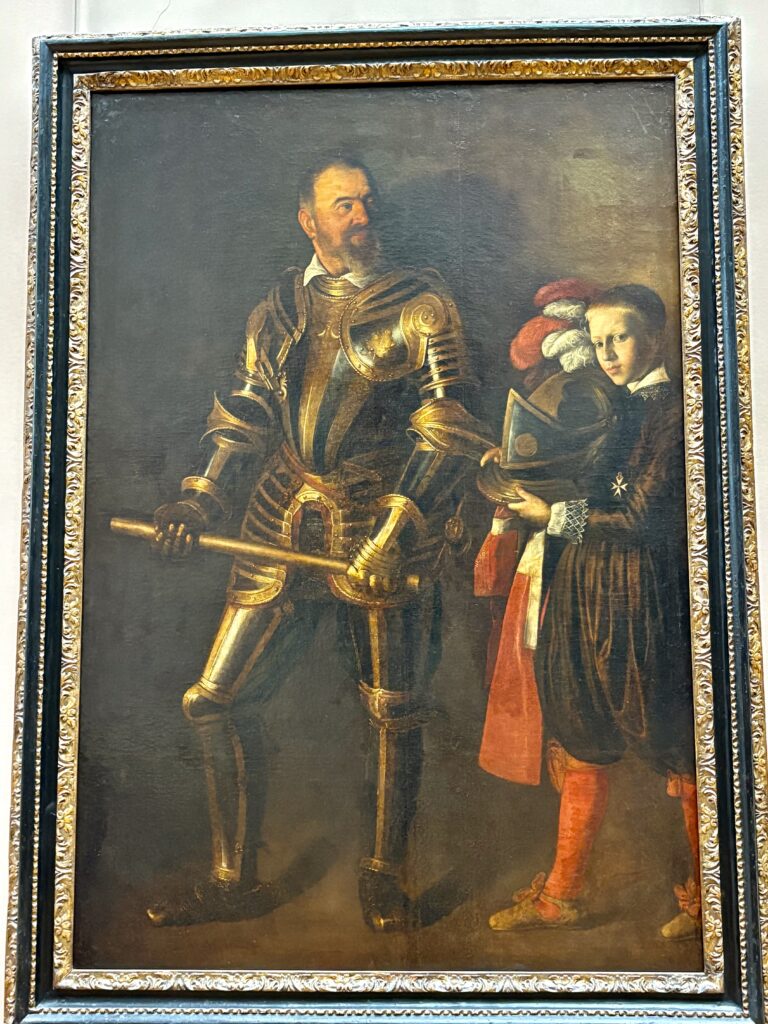
The Death of the Virgin by Caravaggio (1571 – 1610)Portrait of Alof de Wignacourt, 1608, by Caravaggio (1571 – 1610)The Fortune Teller by Caravaggio (1571 – 1610)
Guido Reni
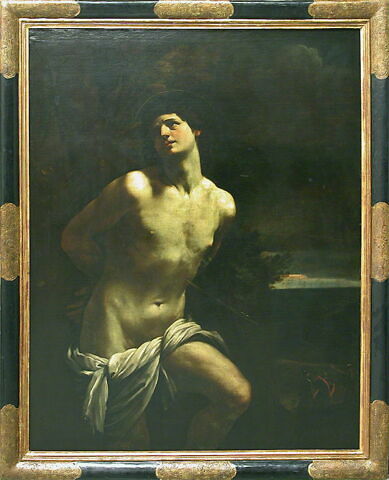
Saint Sebastian, 1625, by Guido Reni (1575 – 1642)
Nicolas Poussin
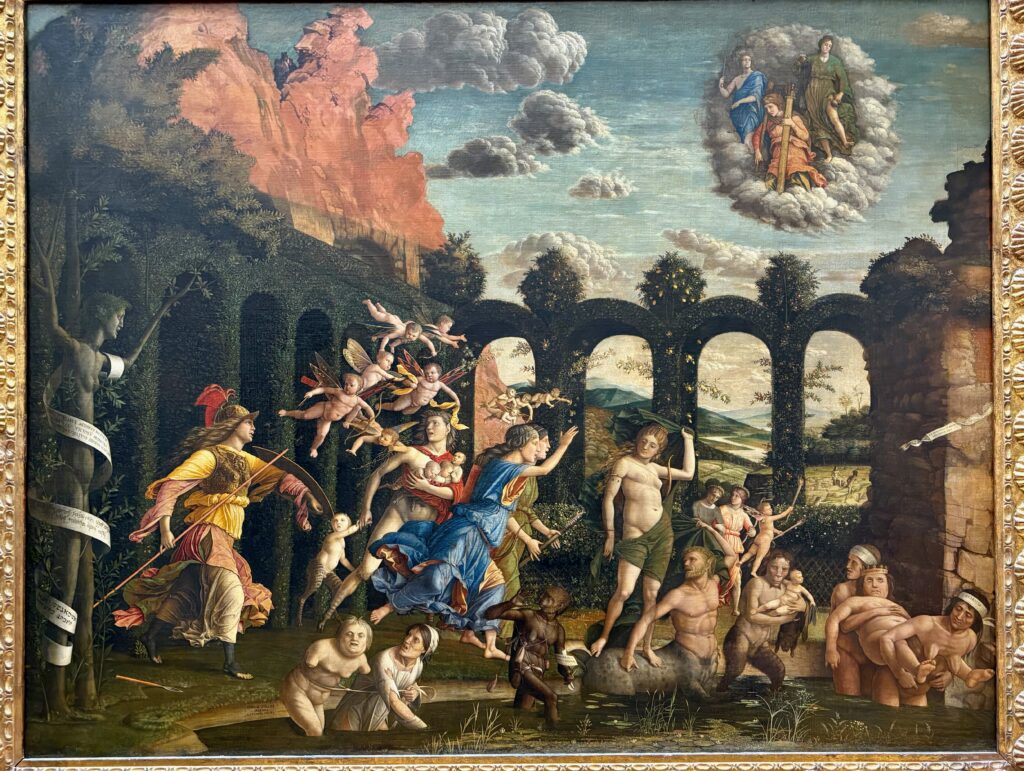
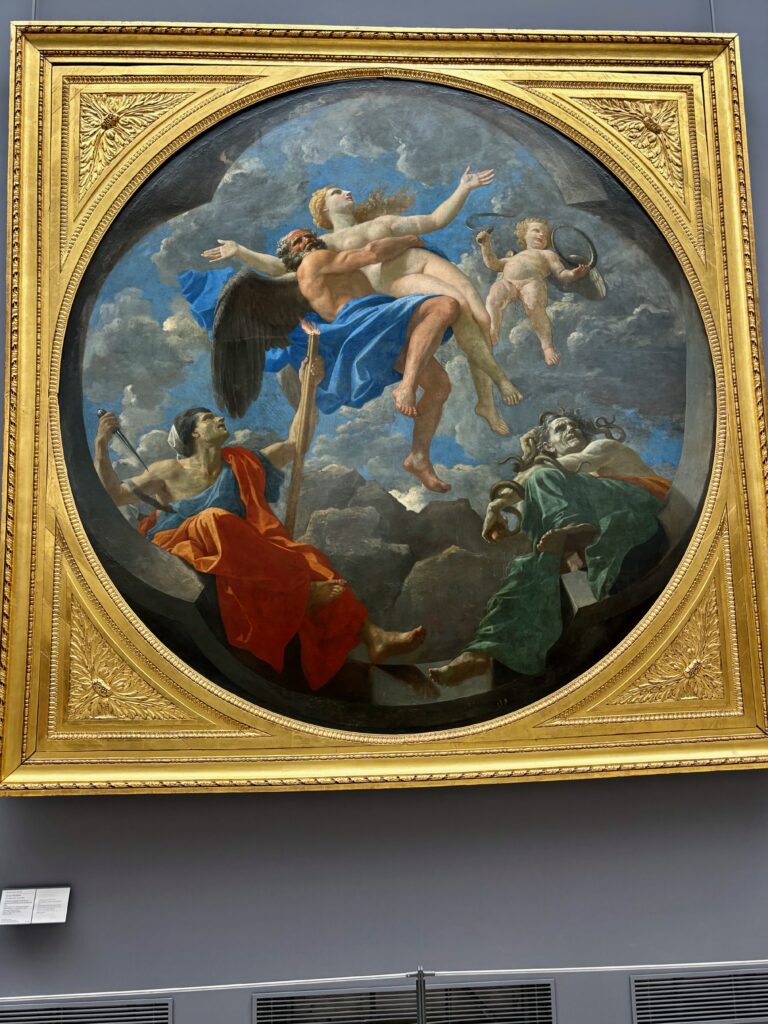
The Assumption of the Virgin, 1650, by Nicolas Poussin (1594 – 1665)Time Shields Truth from the Attacks of Envy and Discord, 1641, by Nicolas Poussin (1594 – 1665)
THE DUTCH GOLDEN AGE
Rubens
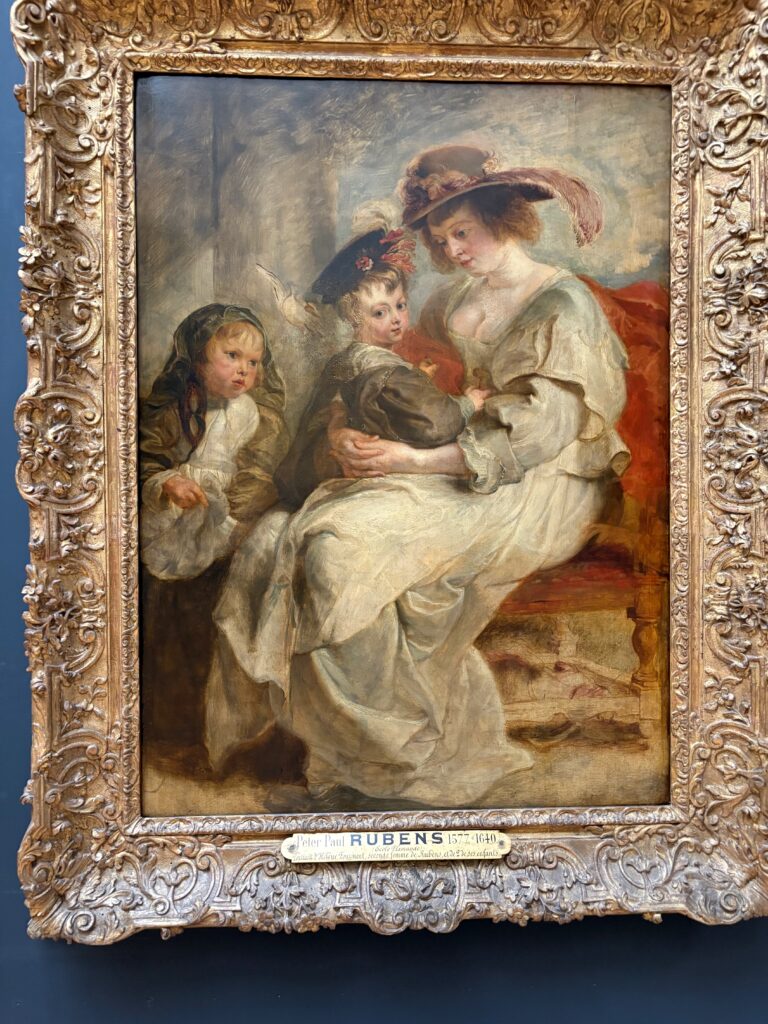
Portrait of Helena Fourment, Wife of the Artist, and two of her Children, 1636, by Pierre Paul Rubens (1577 – 1640)The Demigod Hercules and Omphale, Queen of Lydia, 1606/7, by Pierre Paul Rubens (1577 – 1640)
Rembrandt
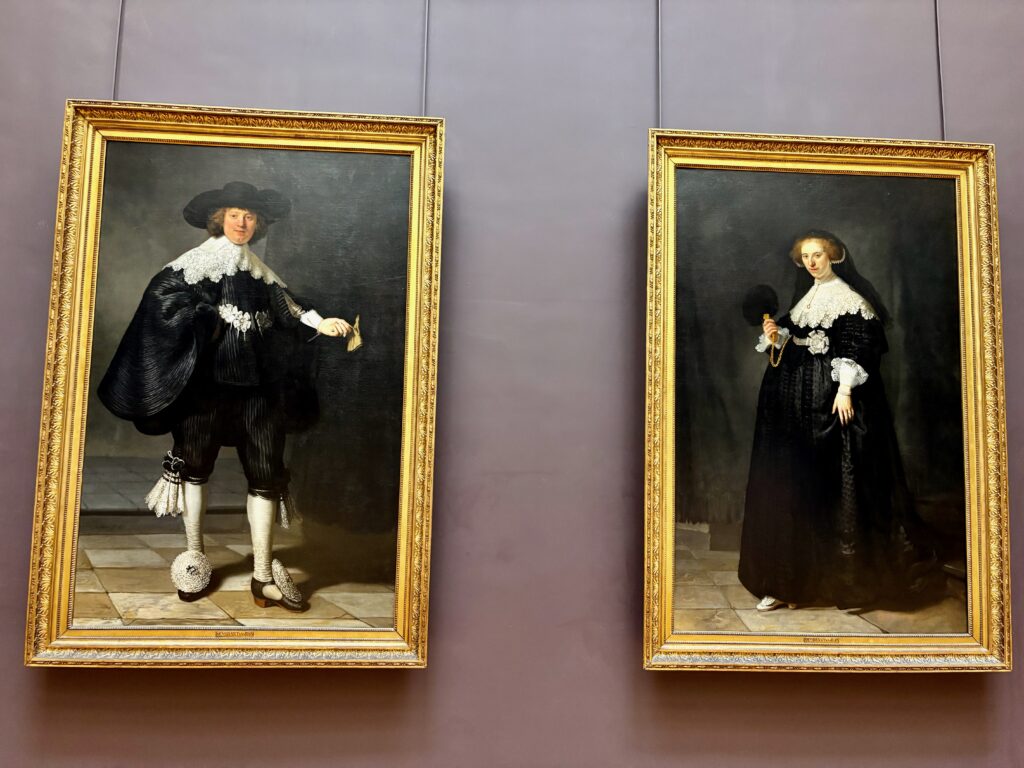
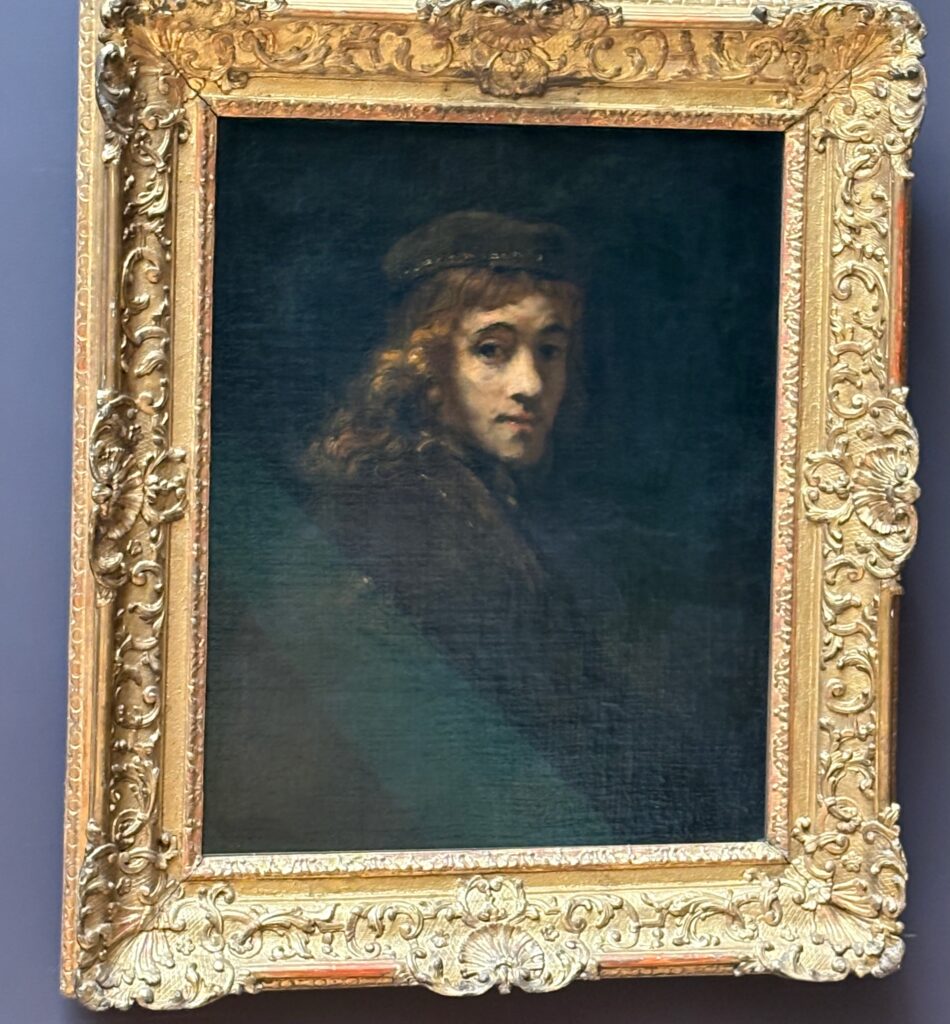
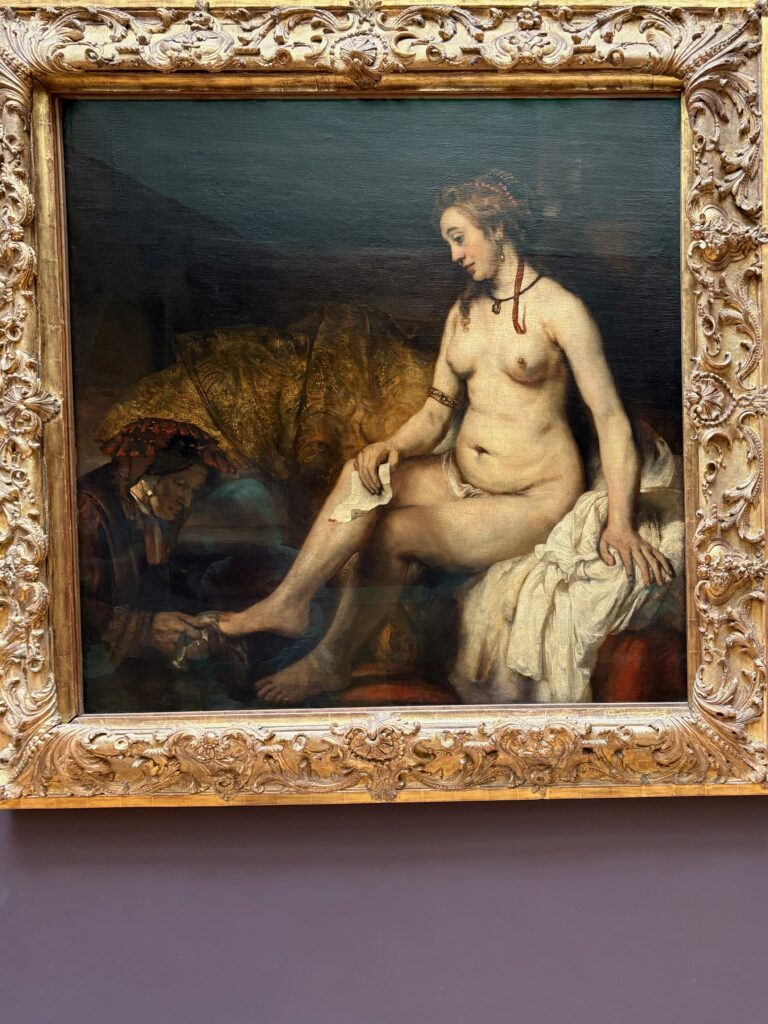
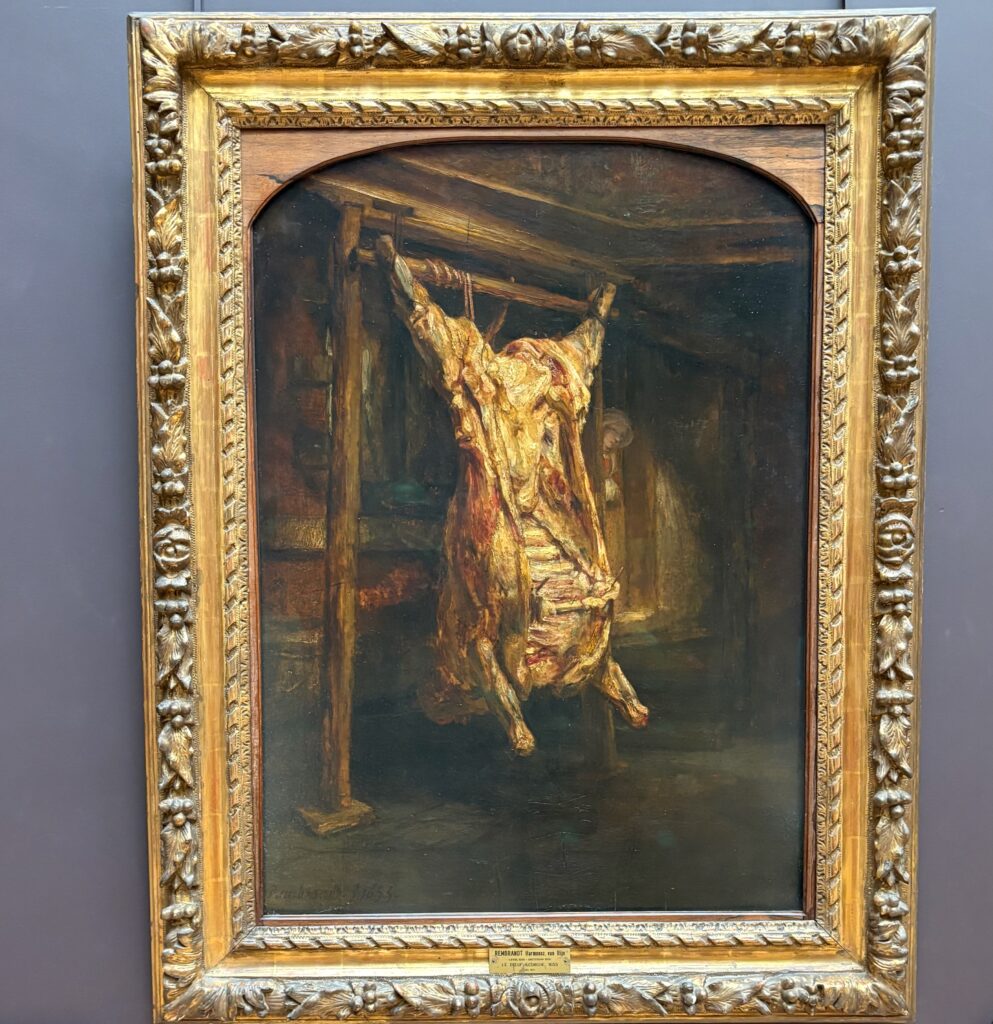
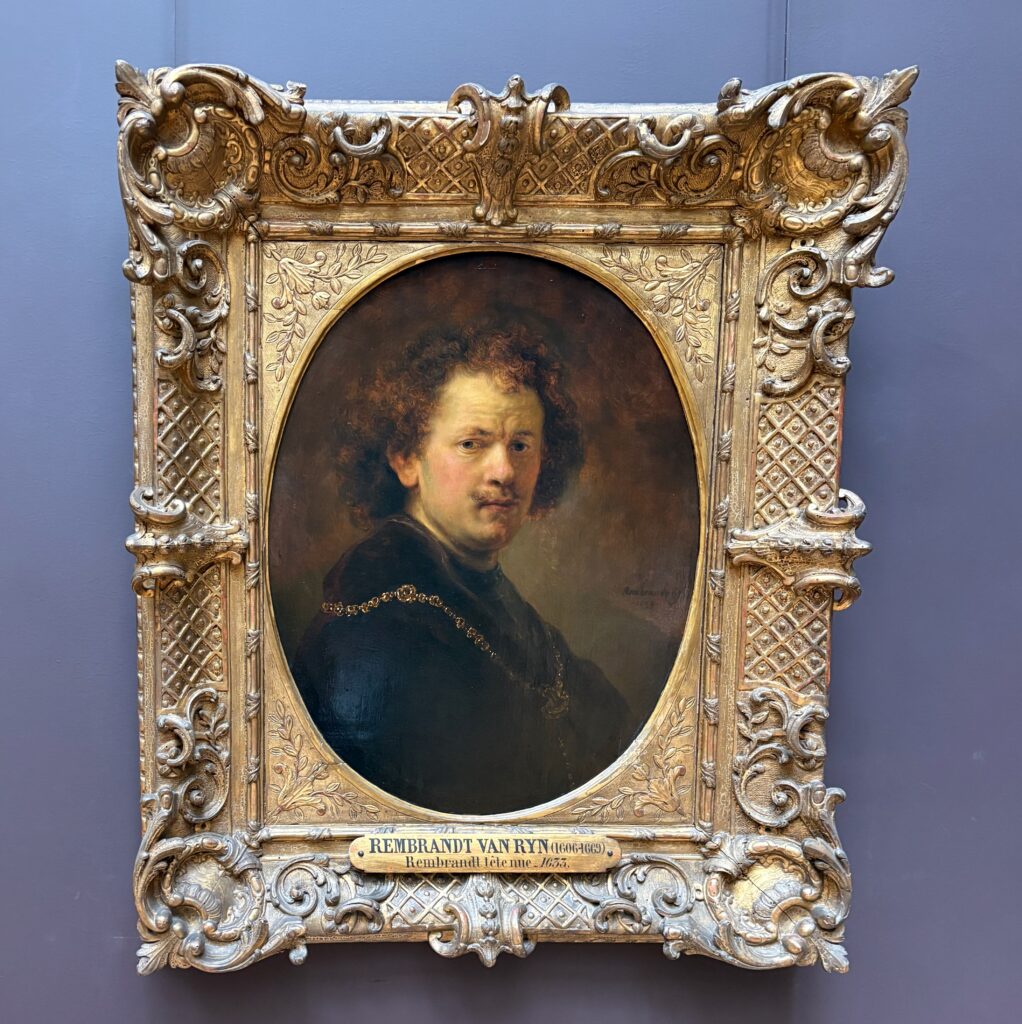
Portrait of an Old Man, 1630, by Rembrandt (1606 – 1669)Portrait of Hendrickje Stoffels with a Velvet Beret, 1654, by Rembrandt (1606 – 1669)Portraits of Marten Soolmans, 1634, and Oopjen Coppit, 1634, by Rembrandt (1606 – 1669)Portrait of Titus, Son of the Artist, 1662. by Rembrandt (1606 – 1669)Bathsheba at her Bath, 1654, by Rembrandt (1606 – 1669)Slaughtered Ox, 1655, by Rembrandt (1606 – 1669)Self-Portrait, 1633, by Rembrandt (1606 – 1669)
Vermeer
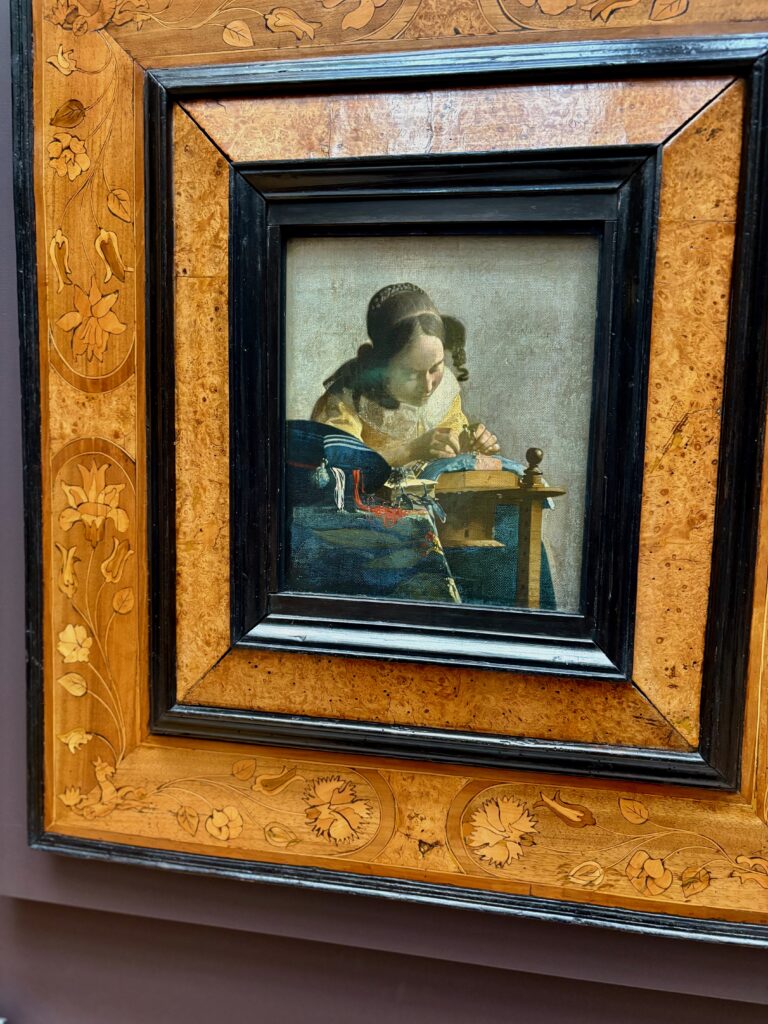
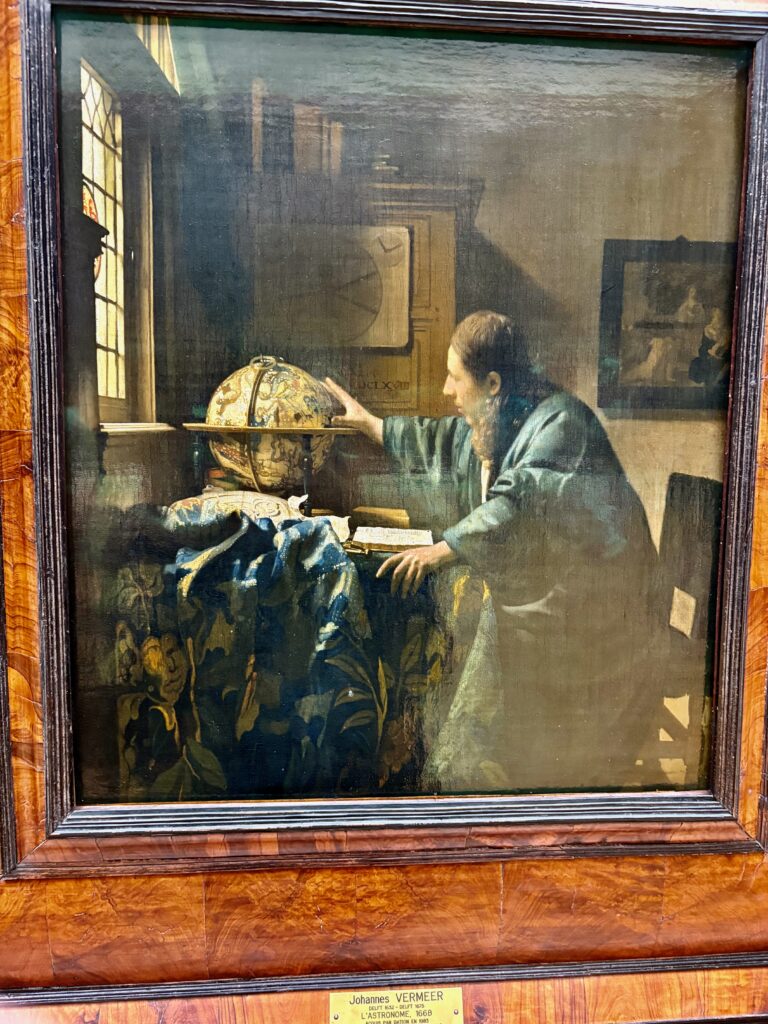
The Lacemaker, 1669/70, by Johannes Vermeer (1632 – 1675)The Astronomer, 1668, by Johannes Vermeer (1632 – 1675)
Van Dyke
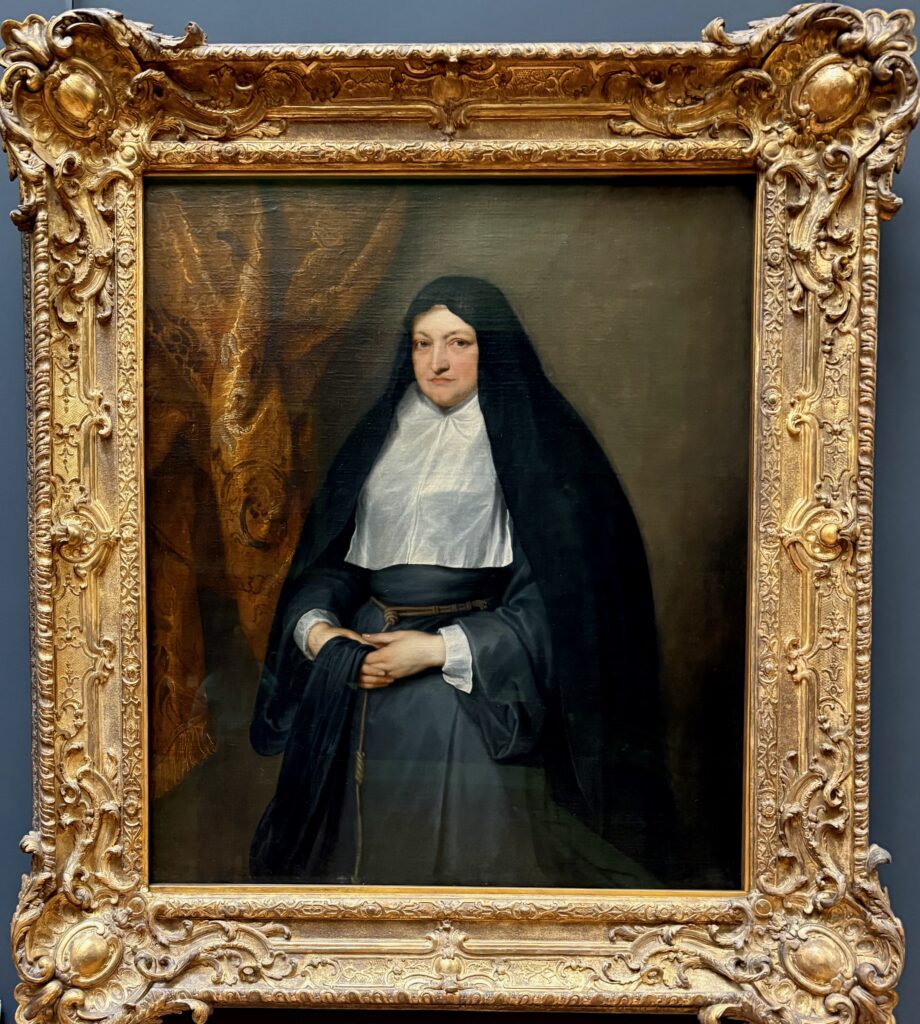
Charles I at the Hunt, c.1635, by Anthony van Dyke (1599 – 1641)Saint Sebastian, 1617/18, by Anthony van Dyke (1599 – 1641)Christ Crucified with the Virgin, Saint John and Mary Magdalene, 1617/19, by Anthony van Dyke (1599 – 1641)Rinaldo and Armide as Lovers Observed by Ubaldo and Carlo, 1629, by Anthony van Dyke (1599 – 1641) Infanta Isabella Clara Eugenia of Spain, after 1628, by Anthony van Dyke (1599 – 1641)Portrait of the Princes Palatine Charles-Louis I and his Brother Robert, by Anthony van Dyke (1599 – 1641)Study Head of an Apostle, 1616/17, by Anthony van Dyke (1599 – 1641)
Frans Hals
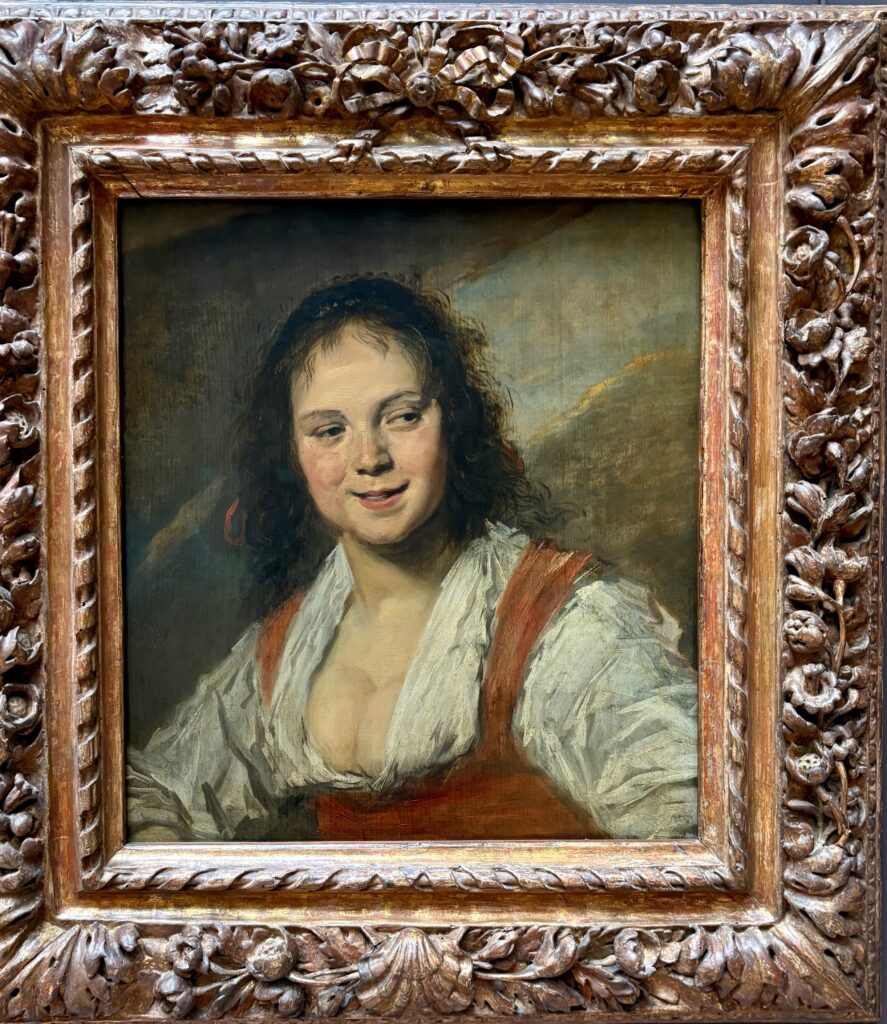
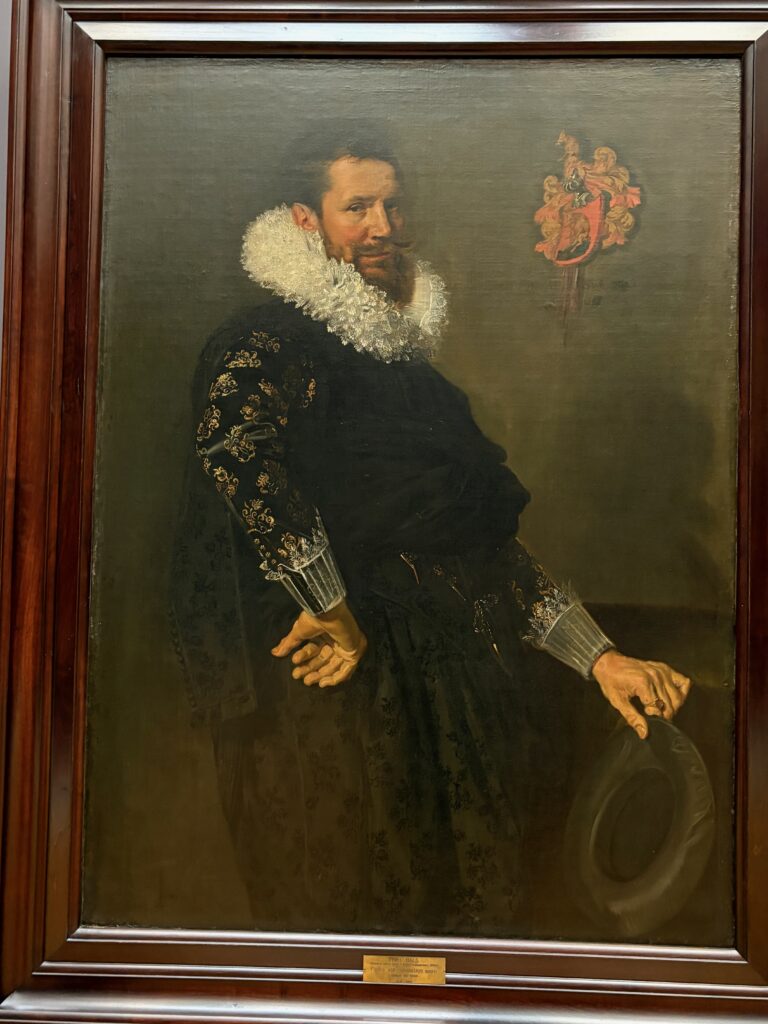
Jester with a Lute, 1623/24, by Frans Hals ( 1581 – 1666)The Gypsy Girl, 1626, by Frans Hals (1581 – 1666)Portrait of Paulus van Beresteyn, 1619/20, by Frans Hals (1581 – 1666)
Salomon van Ruysdael
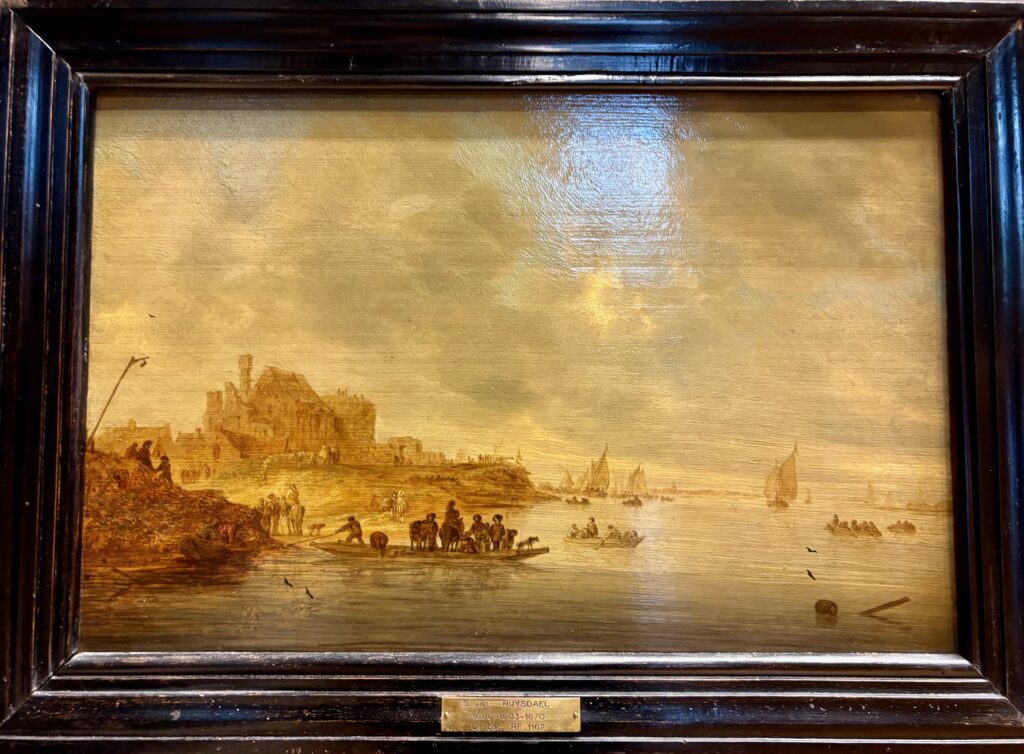
View of the Fortifications of the Castle of Gennep at the mouth of the Meuse River, 1643, by Salomon van Ruysdael (1600 – 1670)
Jacob Isaackz van Ruisdael
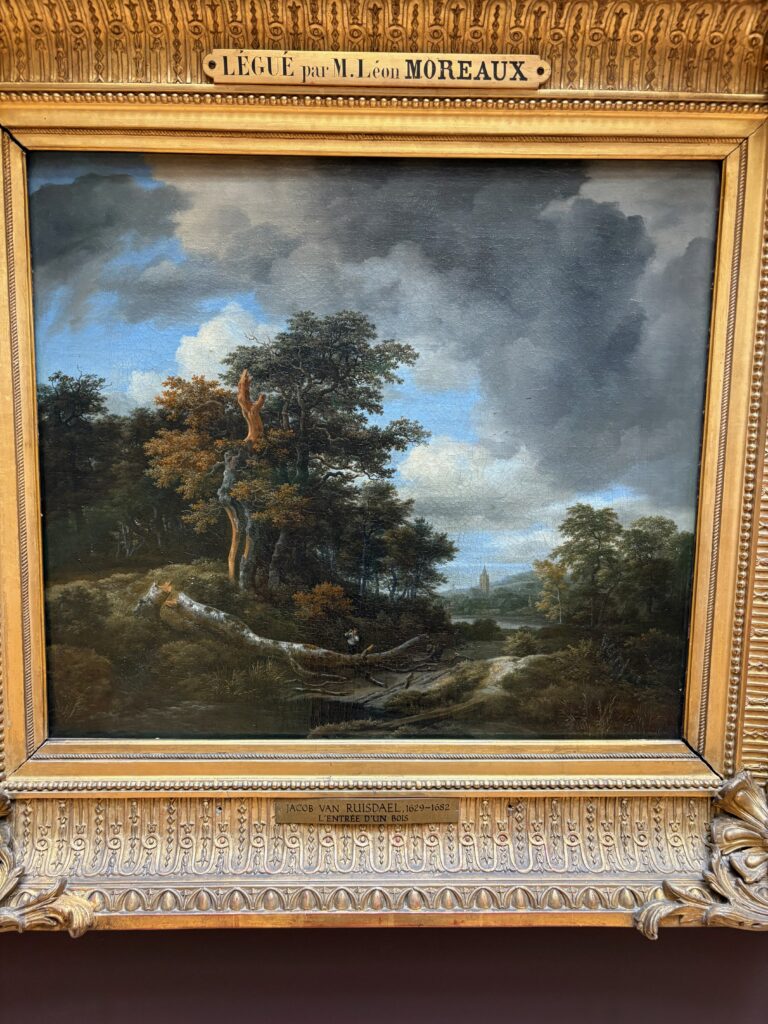
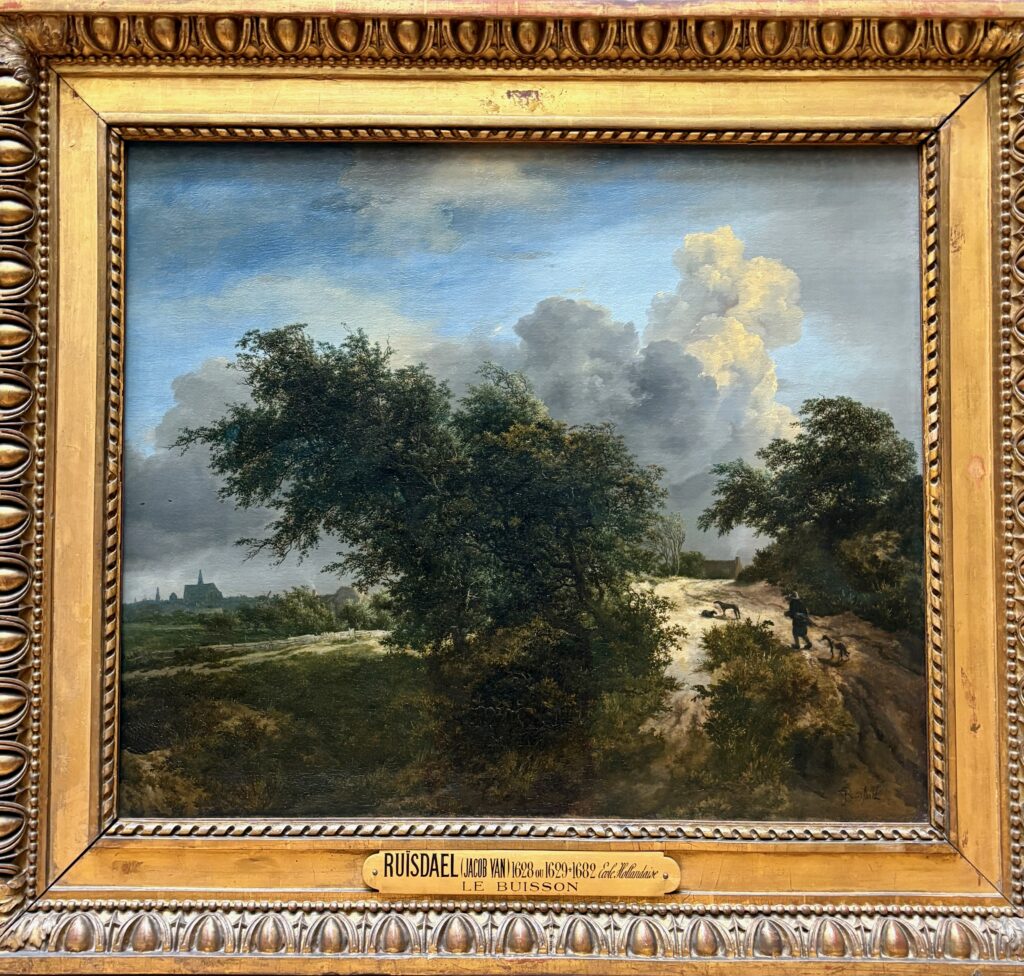
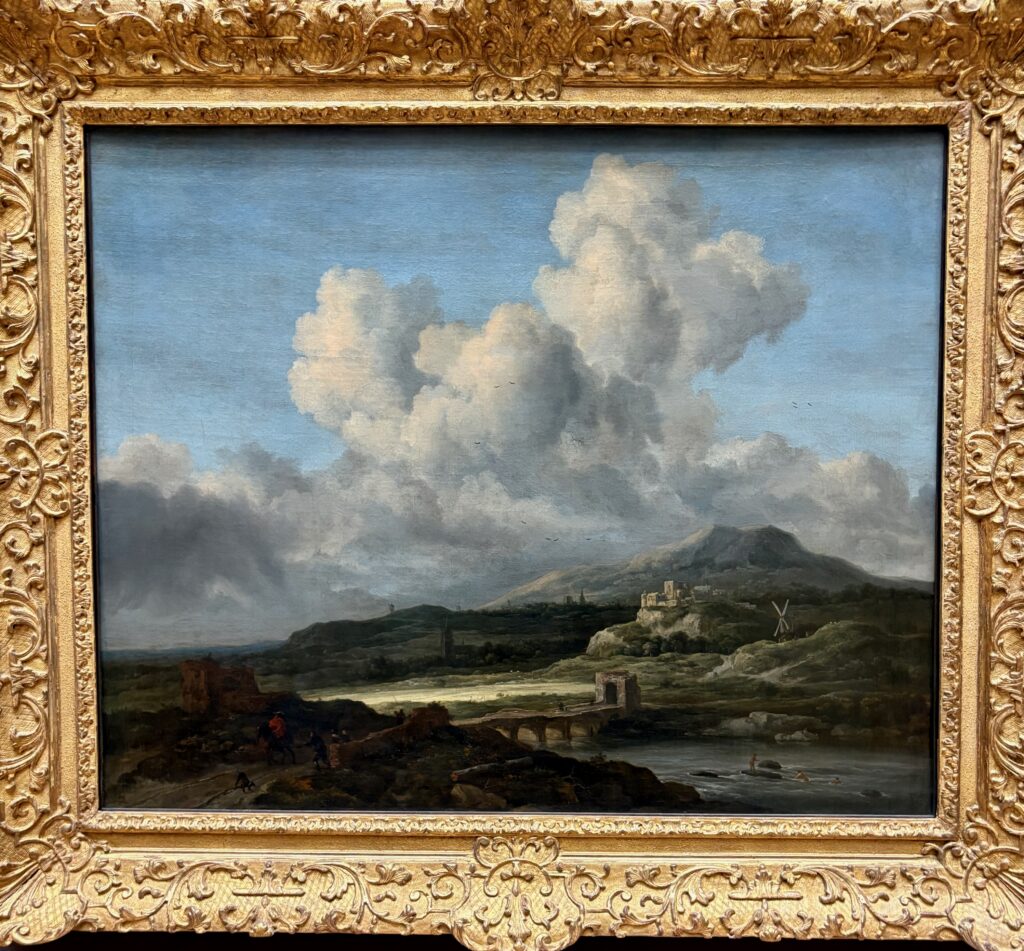
The Entrance to a Wood, 1660s, by Jacob Isaackz van Ruisdael (1628 – 1682)The Thicket, 1649/50, by Jacob Isaackz van Ruisdael (1600 – 1670)The Ray of Light, 1665, by Jacob Isaackz van Ruisdael (1628 – 1682)
BACK IN FRANCE – FROM DAVID TO DELACROIX
David
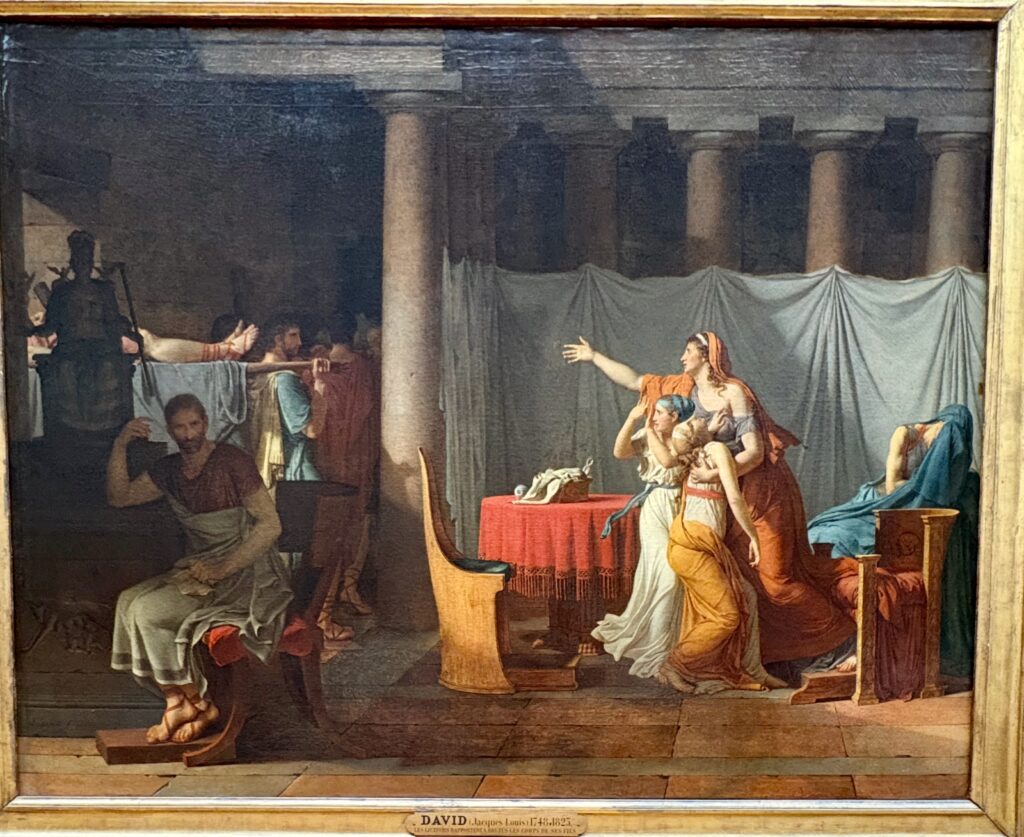
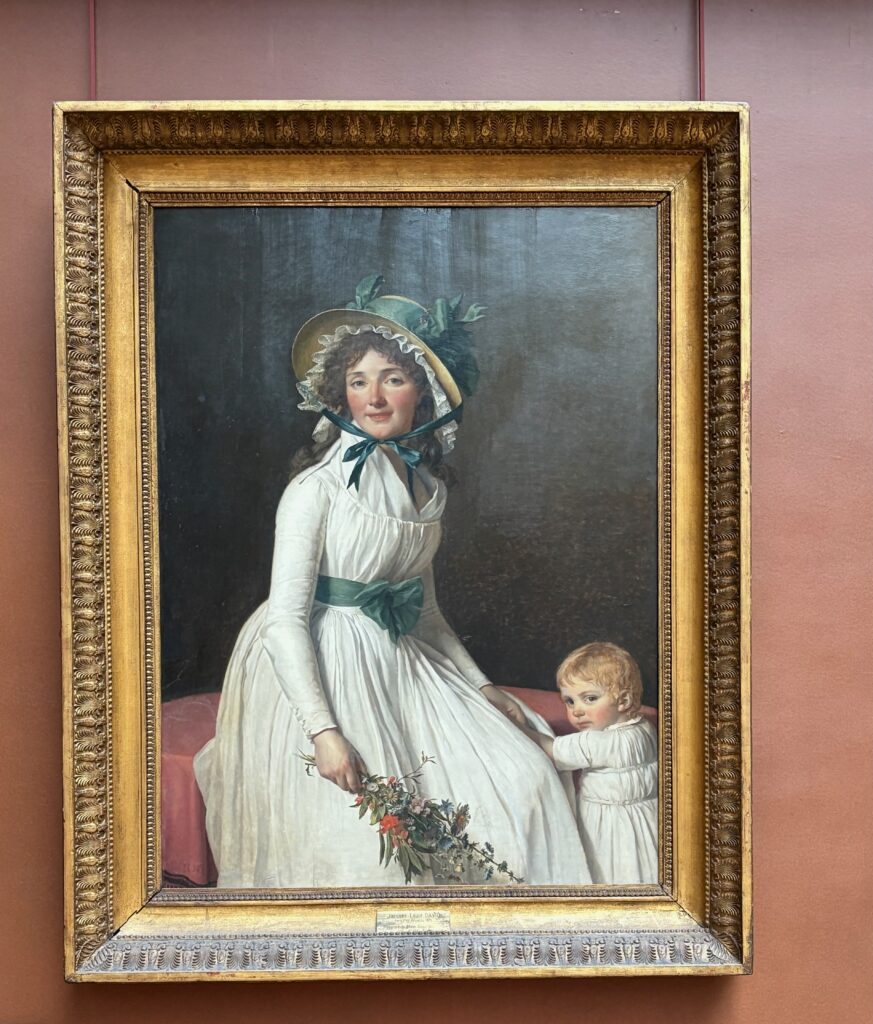
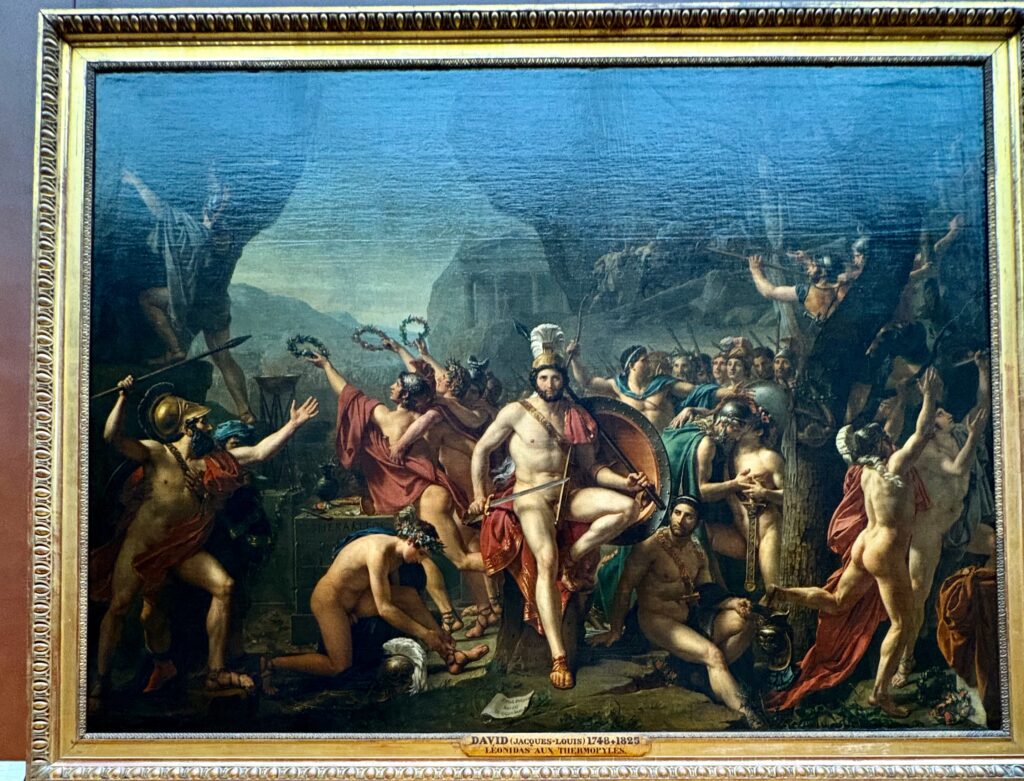
The Oath of the Horatii , 1786, by Jacques-Louis David (1748 – 1825)The Lictors Bring to Brutus the Bodies of His Sons, 1789, by Jacques-Louis David (1748 – 1825)The Intervention of the Sabine Women, 1799, by Jacques-Louis David (1748 – 1825)The Death of Marat, 1793, by Jacques-Louis David (1748 – 1825)Portrait of Madame Pierre Sériziat , 1795, by Jacques-Louis David (1748 – 1825)Portrait of Pope Pius VII, 1805, by Jacques-Louis David (1748 – 1825)The Coronation of Napoleon I, 1805/7, by Jacques-Louis David (1748 – 1825) Leonidas at Thermopylae, 1814, by Jacques -Louis David (1748 – 1825)
Ingres
Oedipus and the Sphinx, 1808/27, by Jean-Auguste-Dominique Ingres (1780 – 1867)Grande Odalisque, 1814, by Jean-Auguste-Dominique Ingres (1780 – 1867)Roger freeing Angelica, 1819, by Jean-Auguste-Dominique Ingres (1780 – 1867)
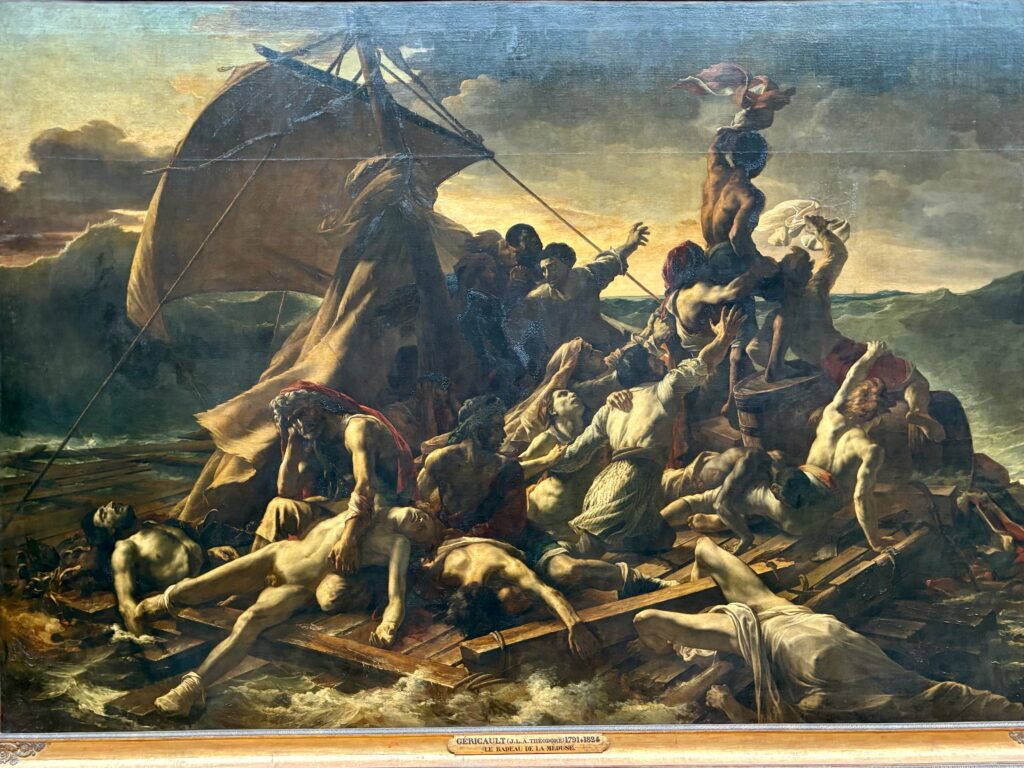
Géricault
The Raft of the Medusa, 1818/19, by Théodore Géricault (1791-1824)
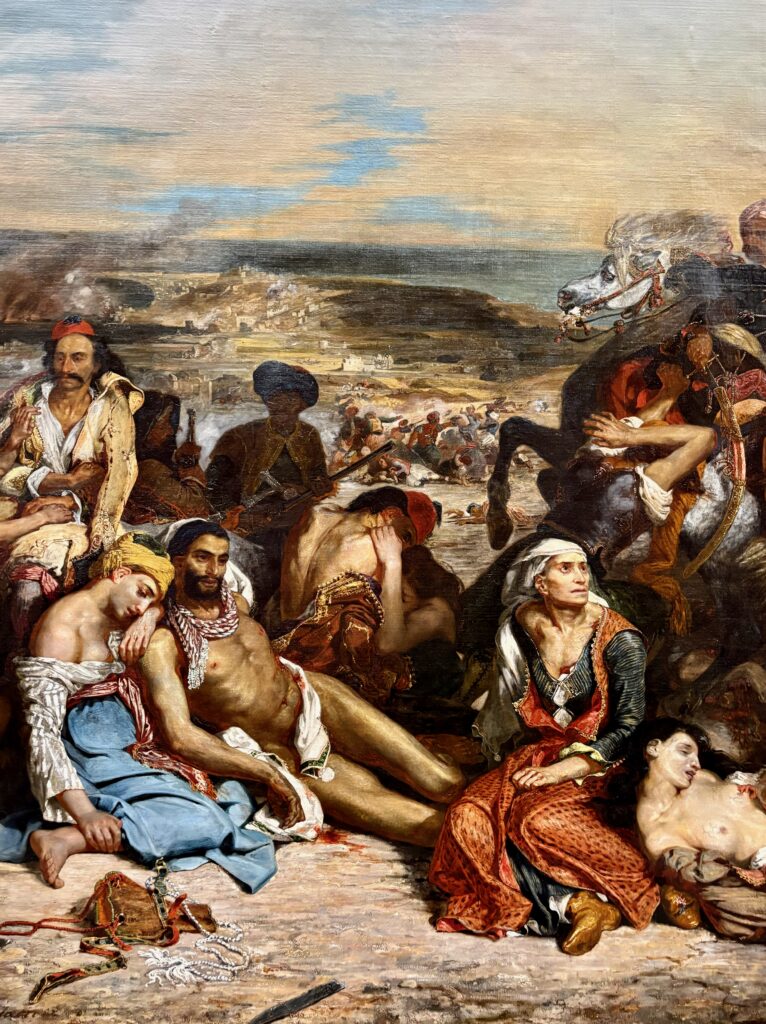
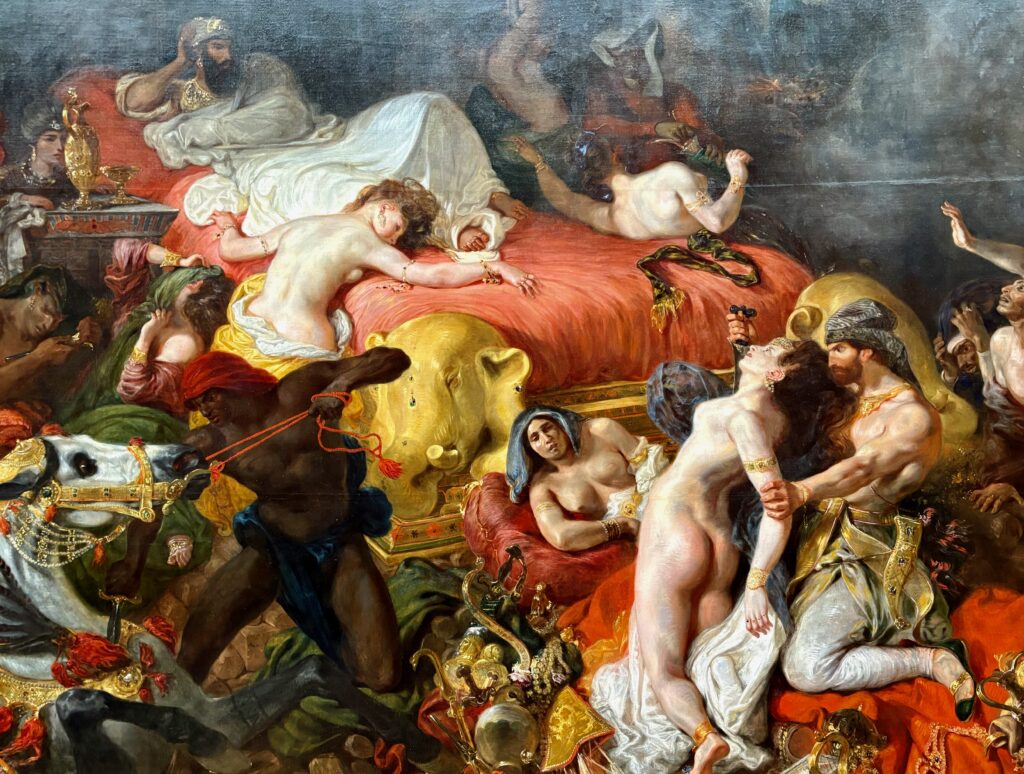
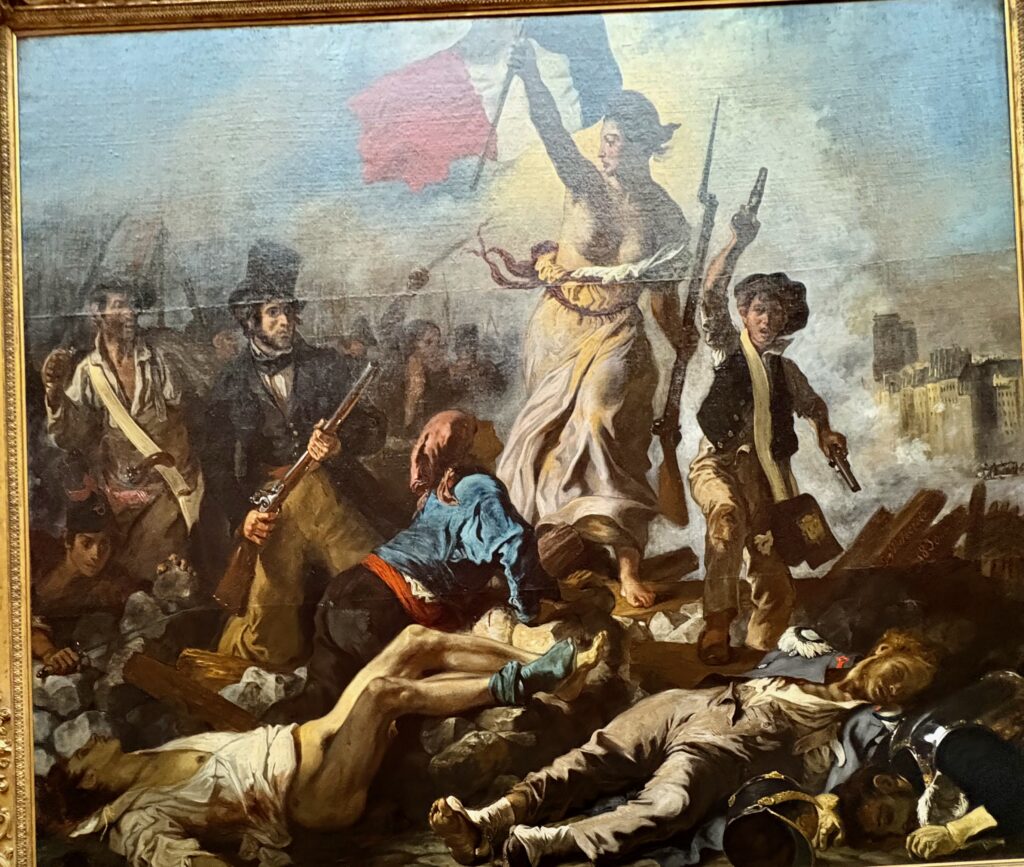
Delacroix
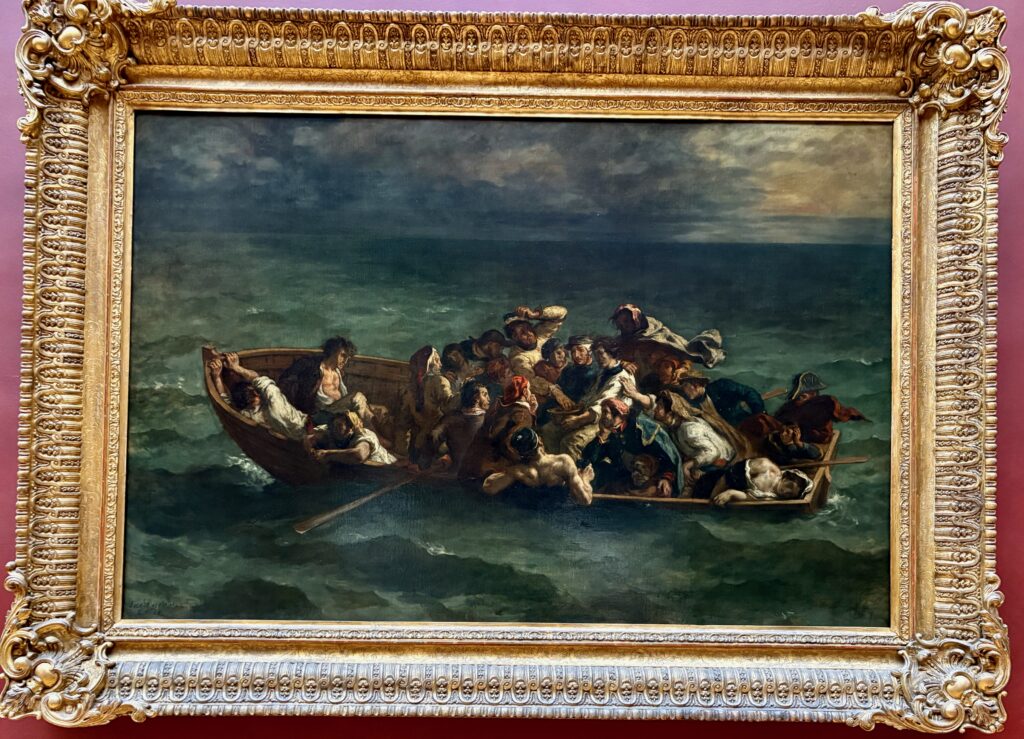
The Barque of Dante, 1822, by Eugène Delacroix (1822)Massacre at Chios, 1824, by Eugène Delacroix (1798 -1863)The Death of Sardanapalus, 1827, by Eugène Delacroix (1798 – 1863)Liberty Leading the People, 1830, by Eugène Delacroix (1798 – 1863)The Women of Algiers, 1834, by Eugène Delacroix (1798 – 1863)The Shipwreck of Don Juan, 1840, by Eugène Delacroix (1798 – 1863)
AND A FEW MORE SCULPTURES
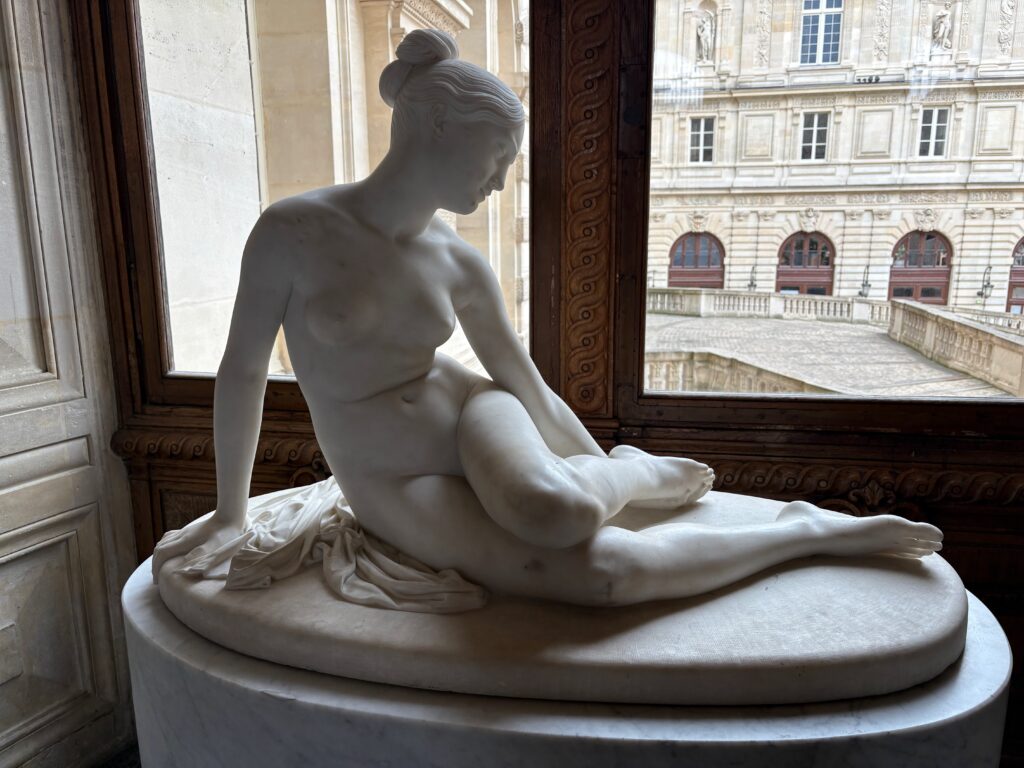
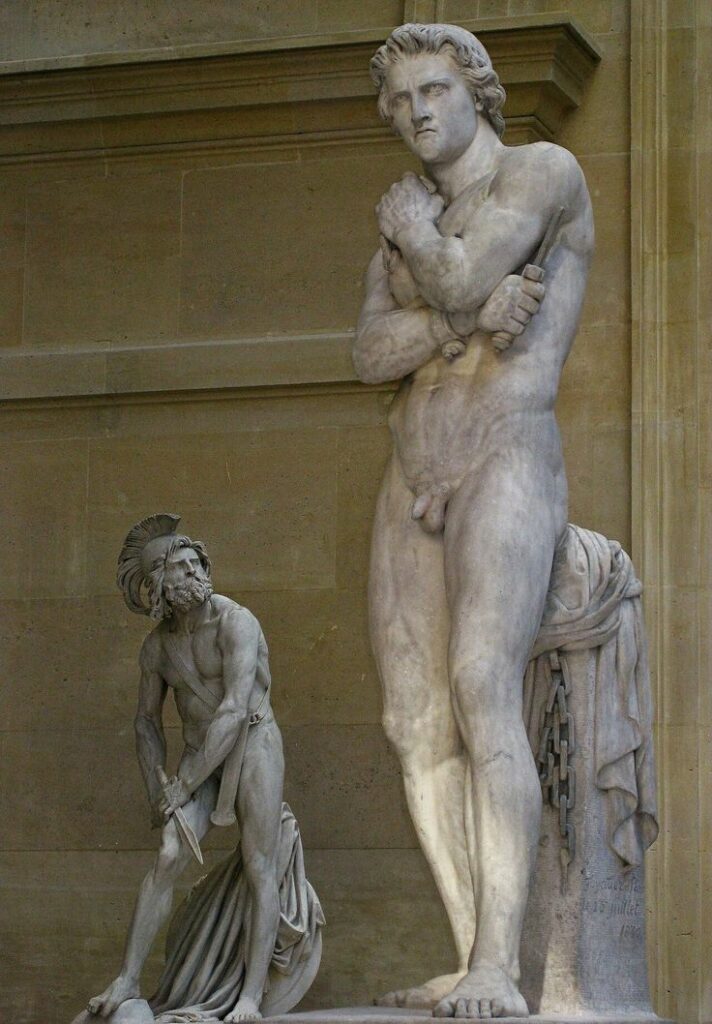
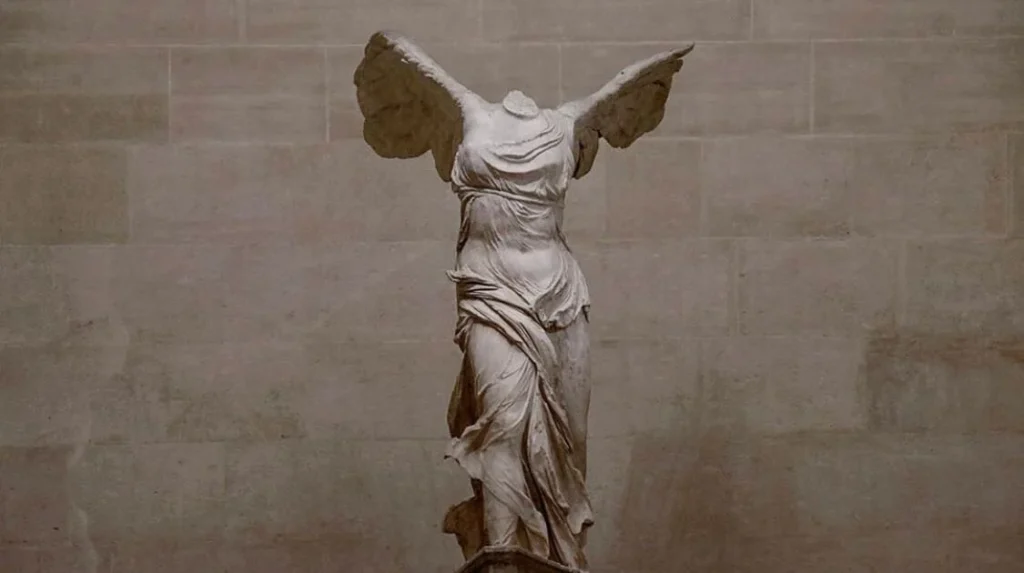
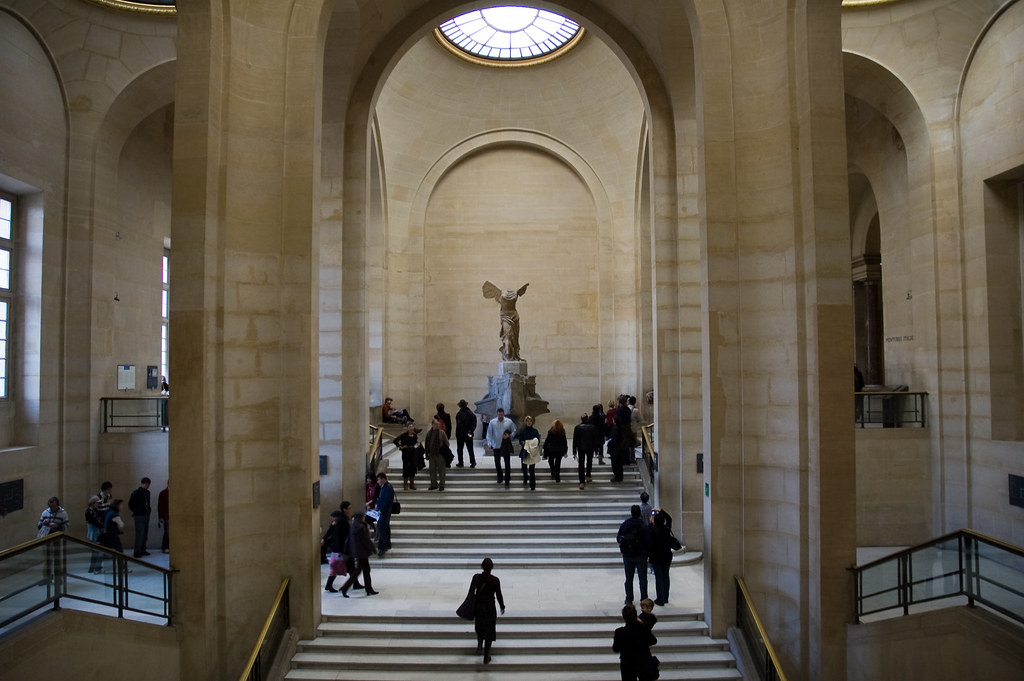
Nymph with a Scorpion, 1835/45, by Lorenzo Bartolini (1777 – 1850)The Three Graces, 2nd century AD?, restored in 1609 by Nicolas Cordier (1565-1612) Psyche revived by Cupid’s Kiss, 1787/93, by Antonio Canova (1757 – 1822)Spartacus, 1830, by Denis Foyatier (1793 – 1863)Venus de Milo, 2nd century BC, GreeceThe Winged Victory of Samothrace, 2nd century, BC, Greece
After the visit, I went for a hot shower, little lie-down and then a couple of drinks while I looked into space. So many work of genius, each one deserving at least a day to itself, but, that is what it is like to be living after at least a milenium of great paintings and in an age of so many magnificent and gigantic international art galleries. I was happy to have seen what i saw, but I know that I will have to return many times to fully appreciate the glory of La Louvre.

































Wot no Brits? L.H.O.O.Q!