

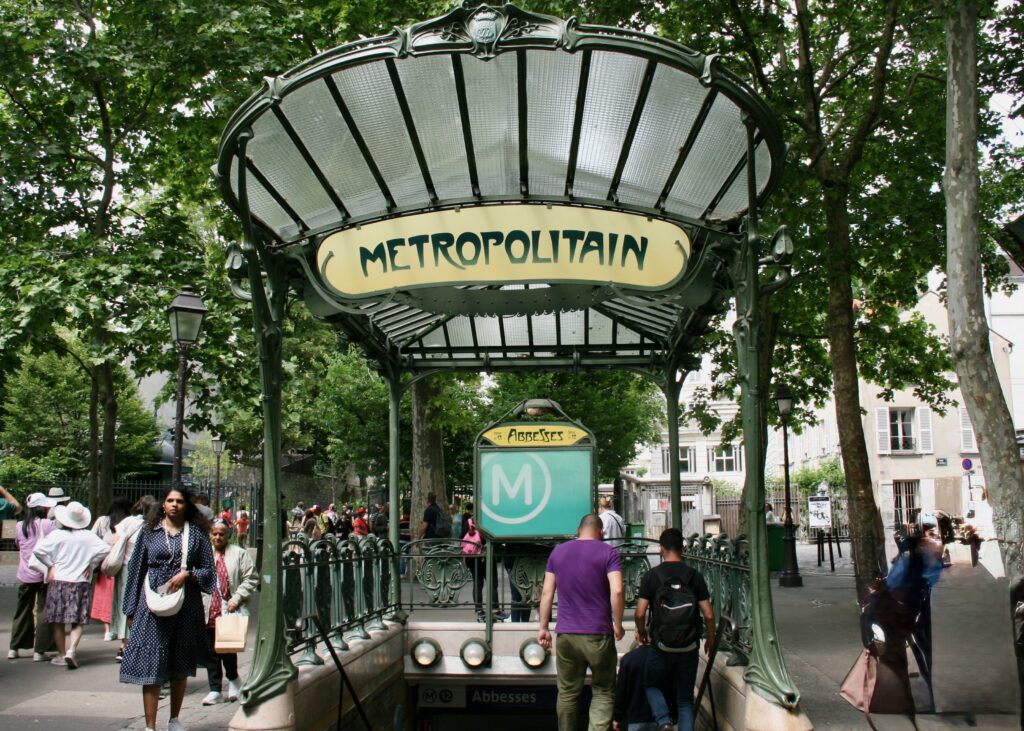
I have visited Paris more than a few times in my life, mostly on short trips for work, in my television days, but there were two places, maybe the most famous ones, where I never quite brought myself to go. One was the Louvre and the other was Montmartre – both world-famous destinations for anyone with an interest in art. The two weeks I spent in Paris in May 2025 wasn’t for work, it was for pleasure, to spend the time in the cultural capital of my adolescent dream. This time, I had the time, but why was I reluctant to visit the Louvre and Montmartre? It was the crowds. I’m not happy in crowds, but sometimes it’s impossible to avoid being in the same place as everyone else. Paris is the most popular tourist destination on planet earth and for good reason – it is a wonderful city. So, in 2025, I made the plunge and survived.
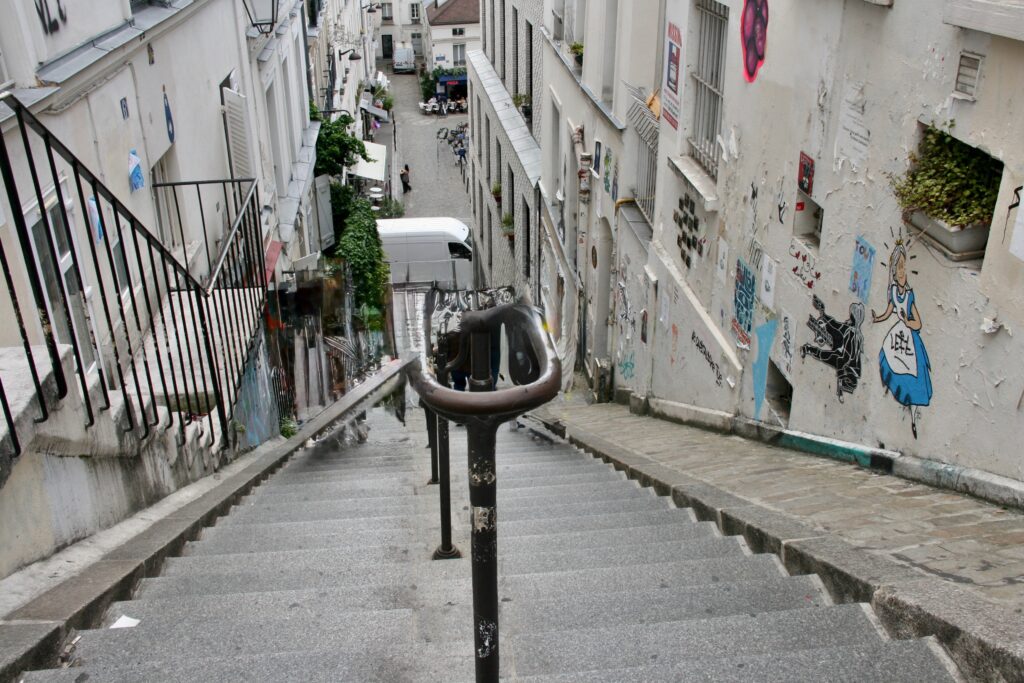
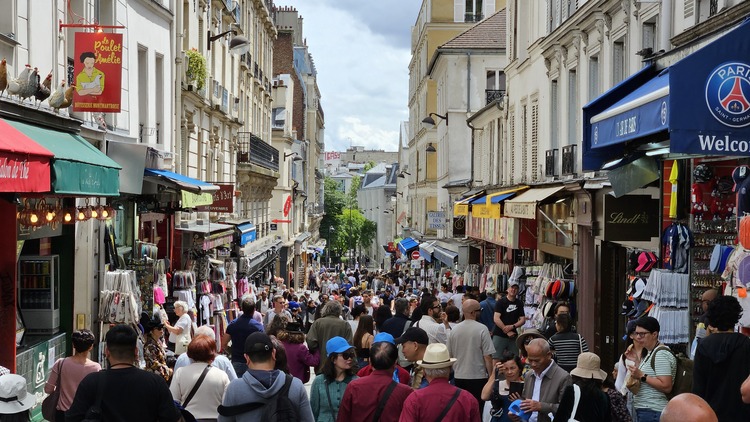
Montmartre is a major tourist destination. It is, of course, famous as the home of 19th and early 20th century artists, writers and musicians – especially those icons of bohemian art, Pablo Picasso, Vincent van Gogh, Henri de Toulouse-Lautrec and Pierre-Auguste Renoir. Perhaps we yearn to walk in their footsteps and hope that some of their star-dust rubs off on ourselves. Montmartre is on a hill – a small mountain, so, it isn’t an easy visit on foot if you don’t like climbing hundreds of steps. Public transport does allow folk to skip some of the more strenuous ways up and this means that those hoards of tourists all mostly go to the same streets, Rue de l’Abreuvoir and Place du Tertre, where the shops are and where they can see landmark basilica of Sacré Coeur at the summit and a panoramic view over Paris. I edged my way through the crowds as quickly as I could, forsaking my chance to buy an Eiffel Tour key-ring, I took in the view, as you have to, and then made a quick escape. As in Venice, the thousands of daily visitors all go to the same places but, if you step away, down a side street, suddenly, like a miracle, you are on your own.


At the top of the hill is th Basilica church of Sacré-Coeur, where thousands of visitors sit on its steps with their backs to the church, mostly there to take in the view of Paris below.

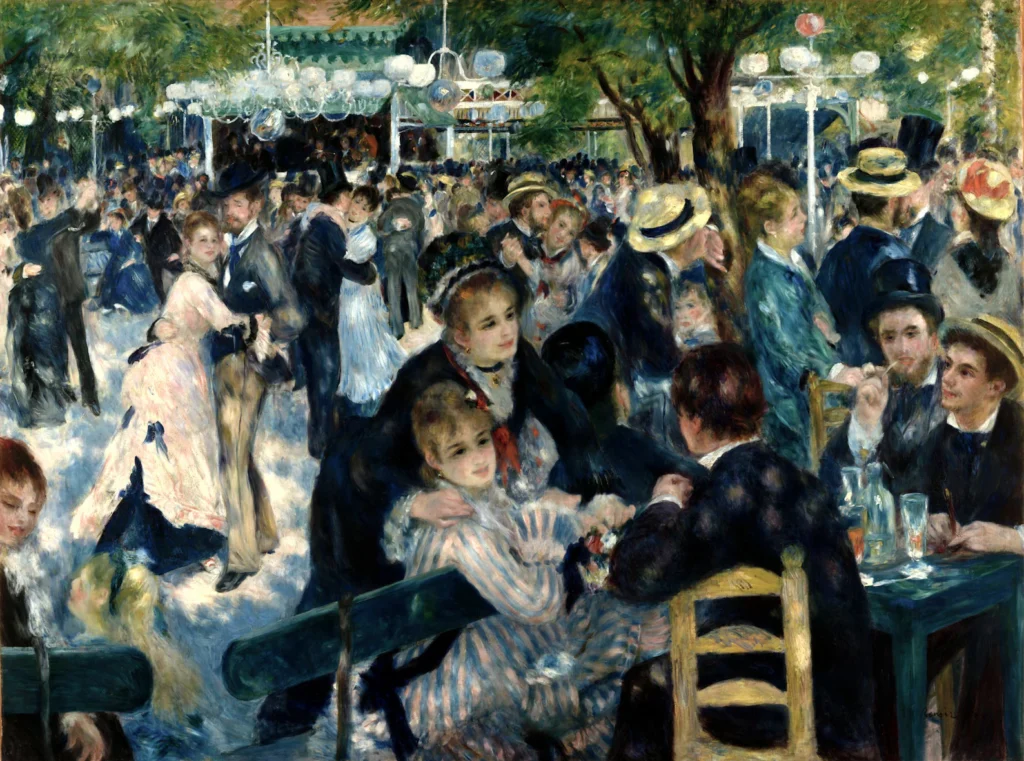
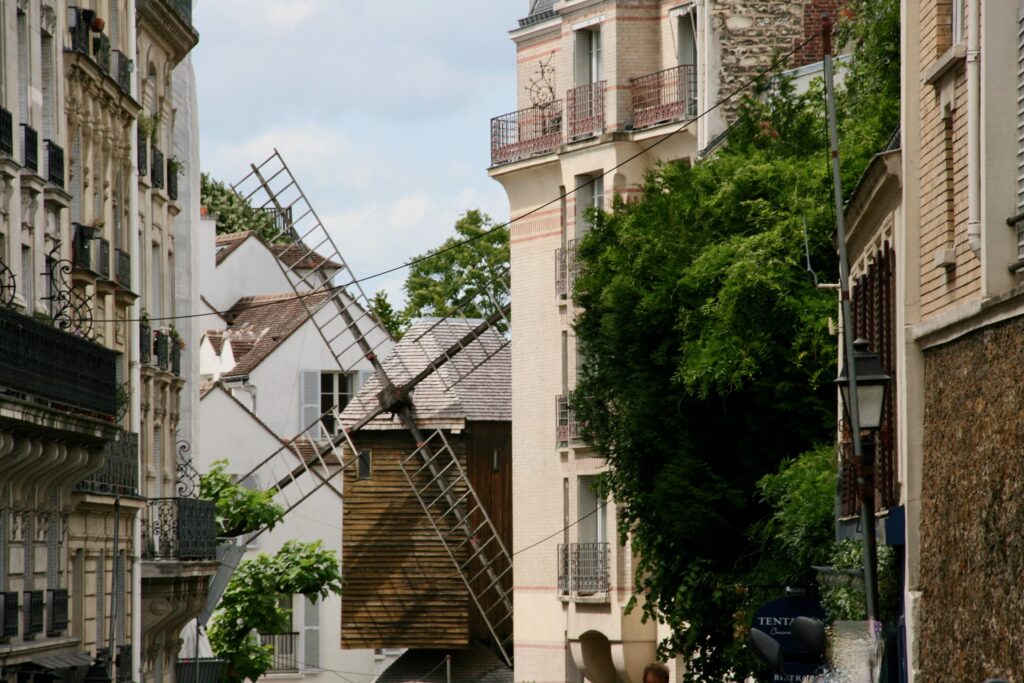
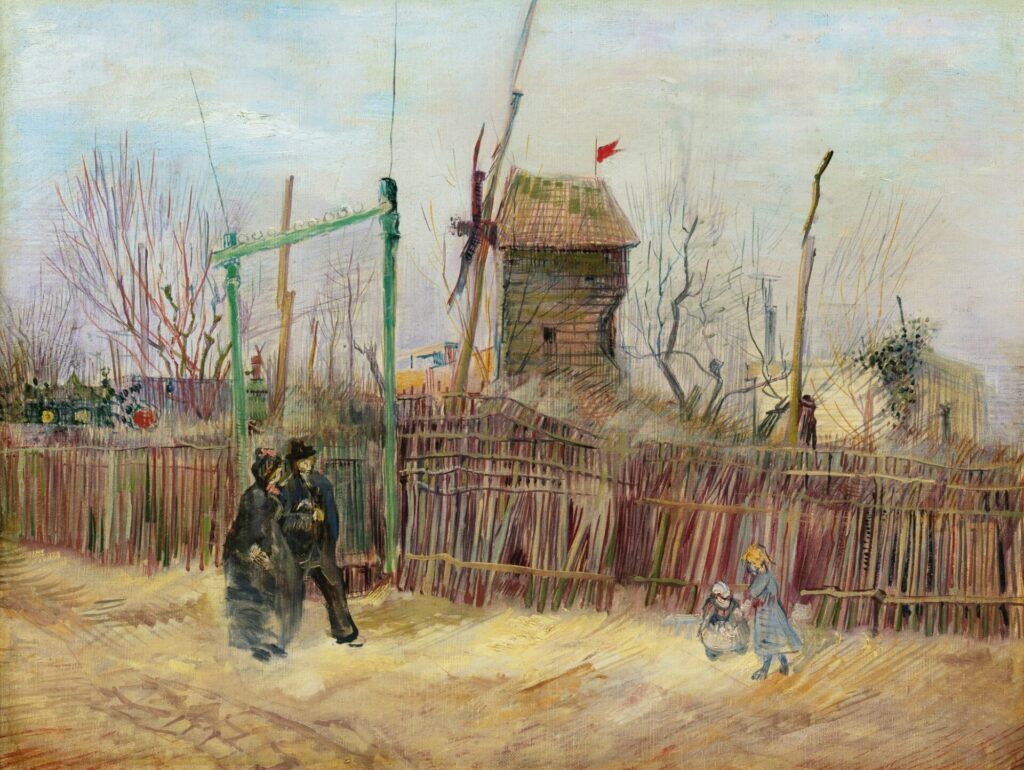
Maybe we flock to Montmartre hoping to find the joyous world of Renoir’s masterpiece, Bal du moulin de la Galette (Dance at the Moulin de la Galette). The Moulin de la Galette was a popular outdoor café and dance hall in the centre of Montmartre, named after the moulin, the windmill, that is still there today. I think we would all love to be there today, to recapture that moment in 1876 when Renoir painted his friends having a ball under those trees in the dappled light of a hundred gas lamps.


Another of the artists resident in Montmartre at this time and frequenter of the famous dance halls was Henri de Toulouse-Lautrec (1864–1901). He shows a different, more sinister but maybe a no less alluring part of Montmartre than Renoir’s Moulin de la Galette in his Jane Avril at the Montmartre cabaret club , Le Divan Japonais.

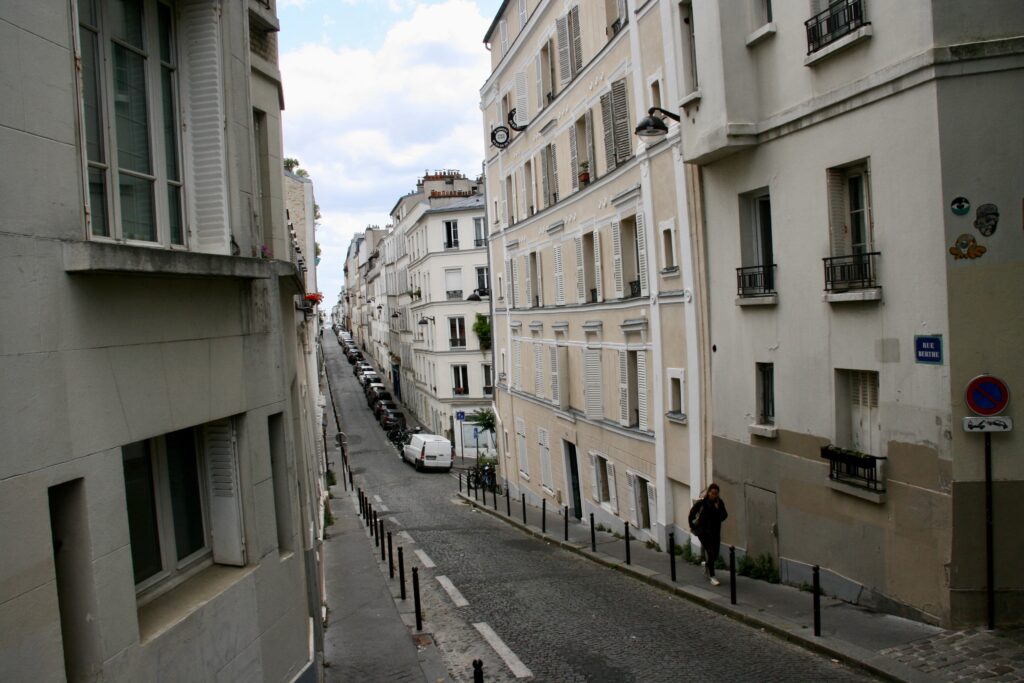
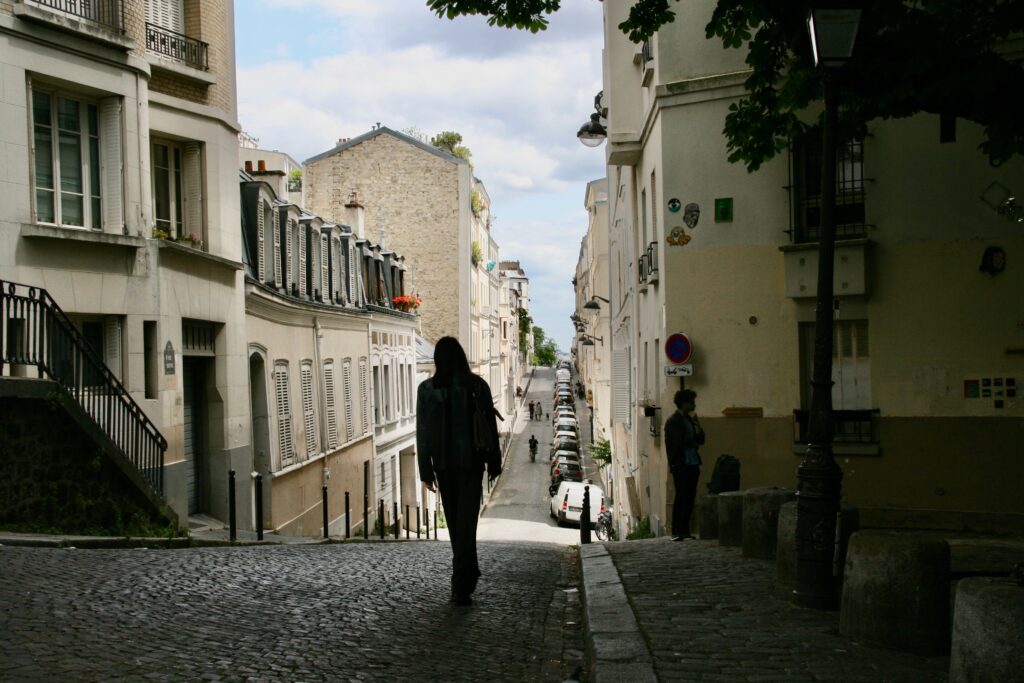
Just. a street away from the tourist bustle, Montmartre is just your average Parisian residential district, albeit, one of the most beautiful parts of Paris, mostly way from those crowds with shops and cafés and a few surprises, like a mini Calvary in a leafy garden.


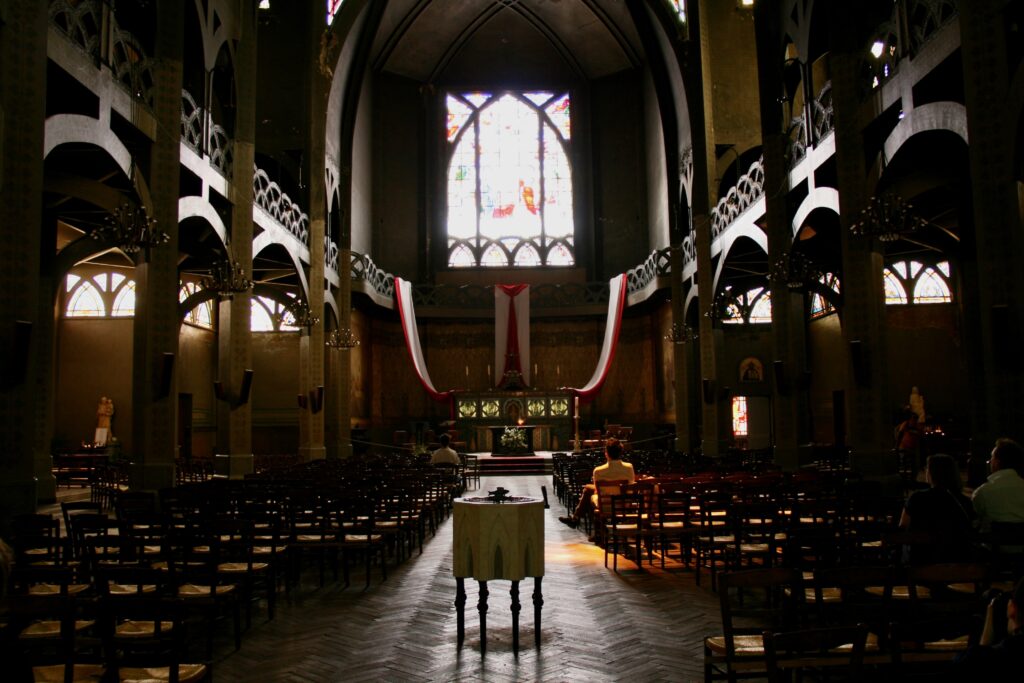
A surprise for me was the art nouveau church of Saint Jean de Montmartre, designed by Anatole de Baudot (1834 – 1915). The first religious building in France to use reinforced concrete, allowing the architect to make the dramatic curves of the exterior and interior.

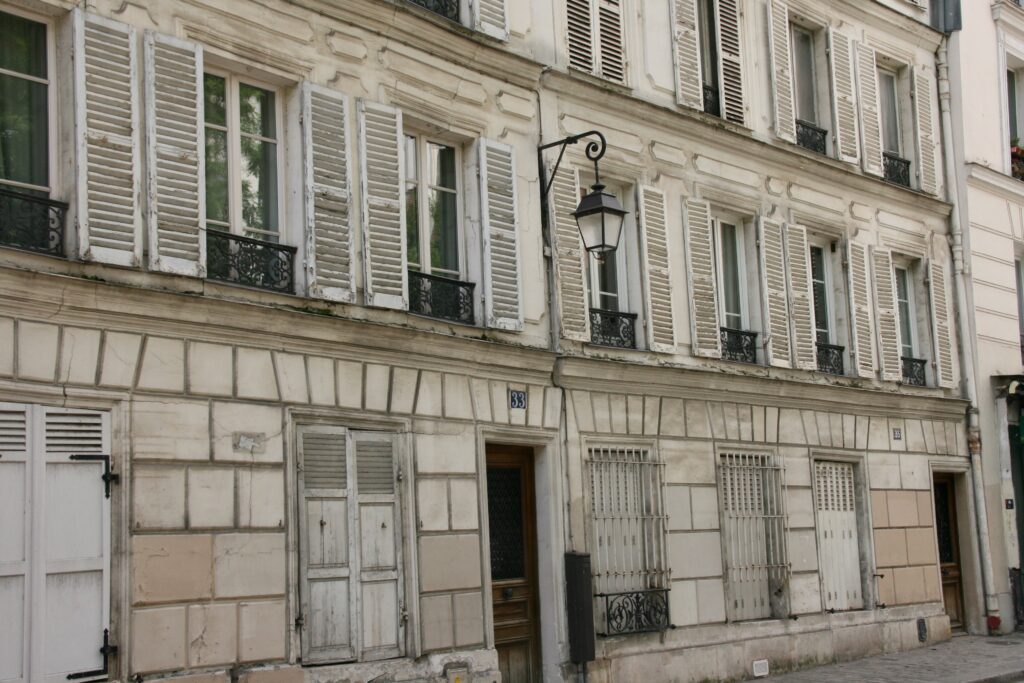

In 1900, the young Pablo Picasso came to live in an artists’ commune at Bateau Lavoir, at 13, Rue Ravignan, where he painted his pioneering Blue and Rose Period paintings and his first Cubist works, including one of his famous masterpiece Les Demoiselles d’Avignon (1907).
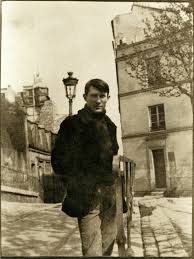


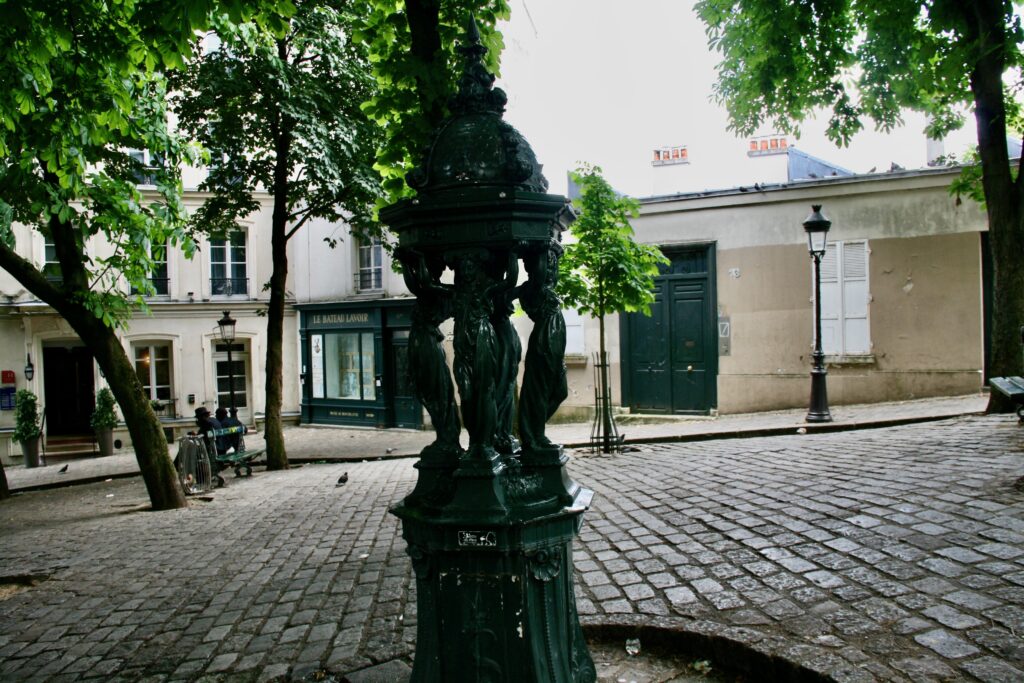
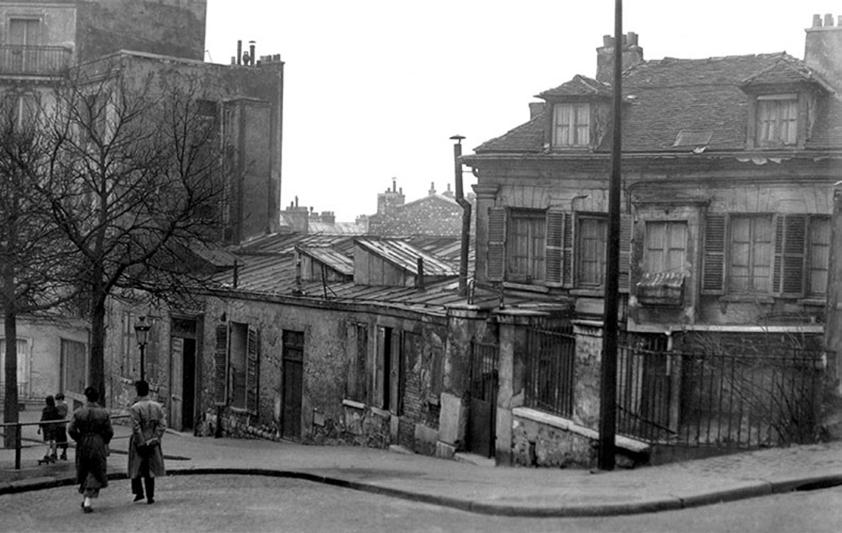
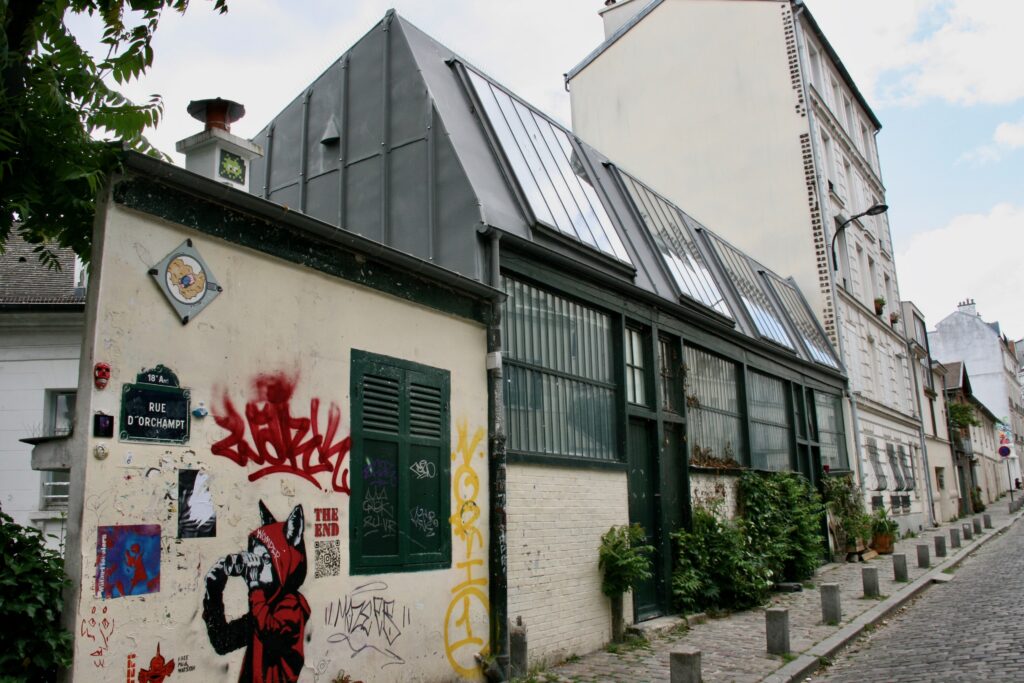
So it is perfectly possible to visit some of the most significant places associated with the great art of this period with just a few fellow passers-by, a man with a guitar and a few pigeons. There’s still a hint of bohemianism in the air. Merveileux.
