Arts ancient and modern, some sight-seeing and two great writers’ beds

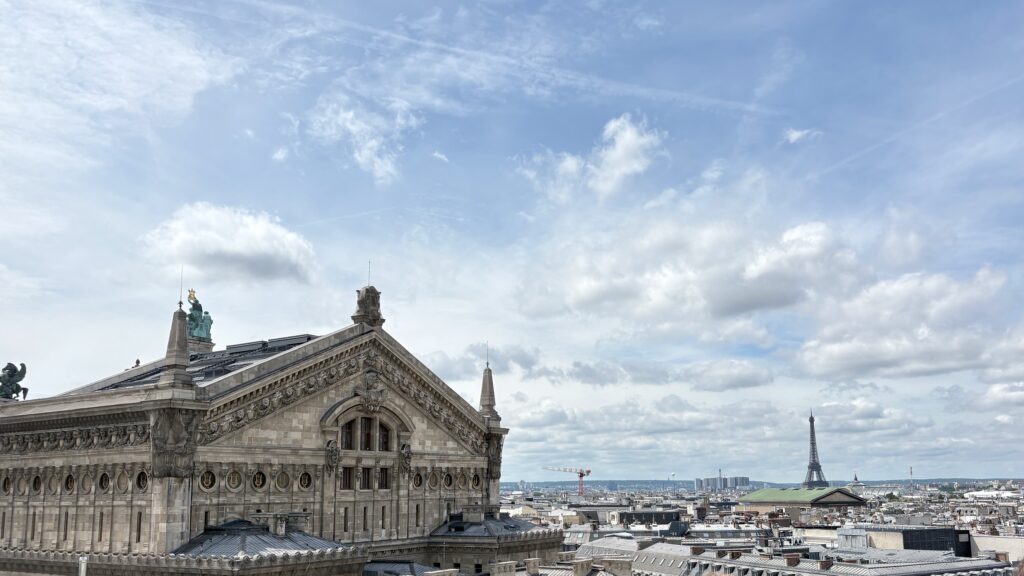
I’ve been looking through the photographs of my two trips to Paris, in June and July 2025 and then again in February this year, as I bring my eight Parisian blogs to a conclusion. It’s been like going on holiday all over again – take a look over the previous ones and see how this ever fascinating city, deserves its reputation at the most visited tourist attraction in the world. I have visited its great art and exhibition galleries, the Opéra Bastille, the jazz club, 38Riv, and the miraculously restored cathedral of Notre-Dame for an organ recital, and, of course, as this is Paris, I visited a number of splendid restaurants and cafés. I never went to the top of the Eiffel Tower, but I often saw it out there as I walked round the city.
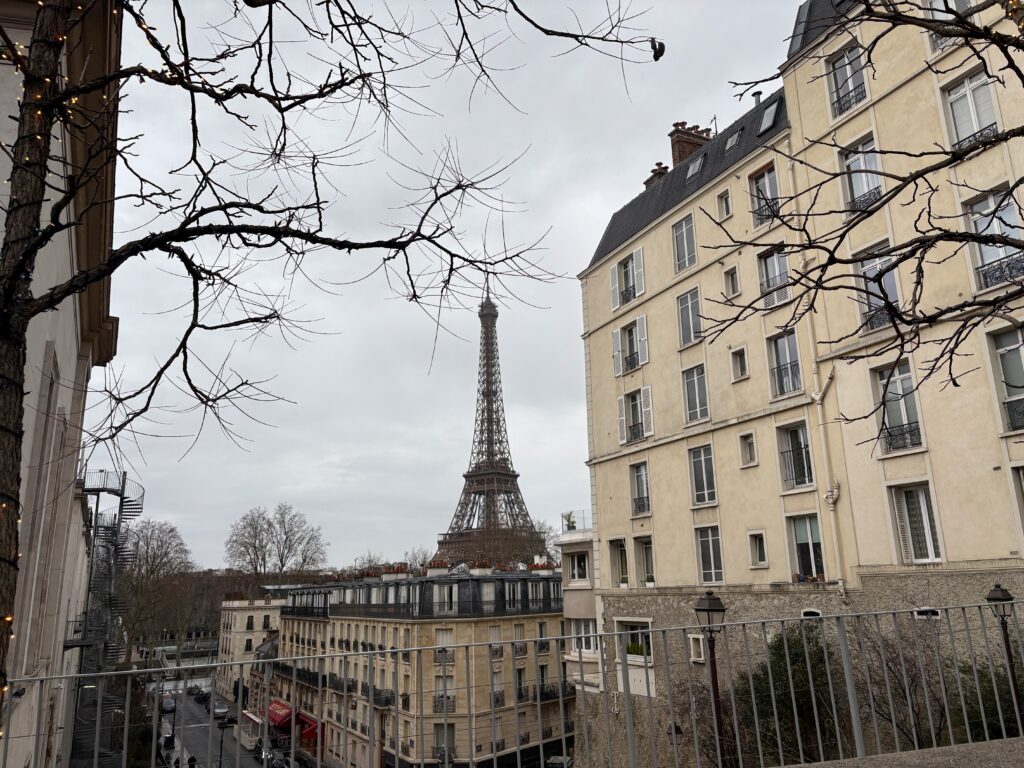
Palais de Tokyo
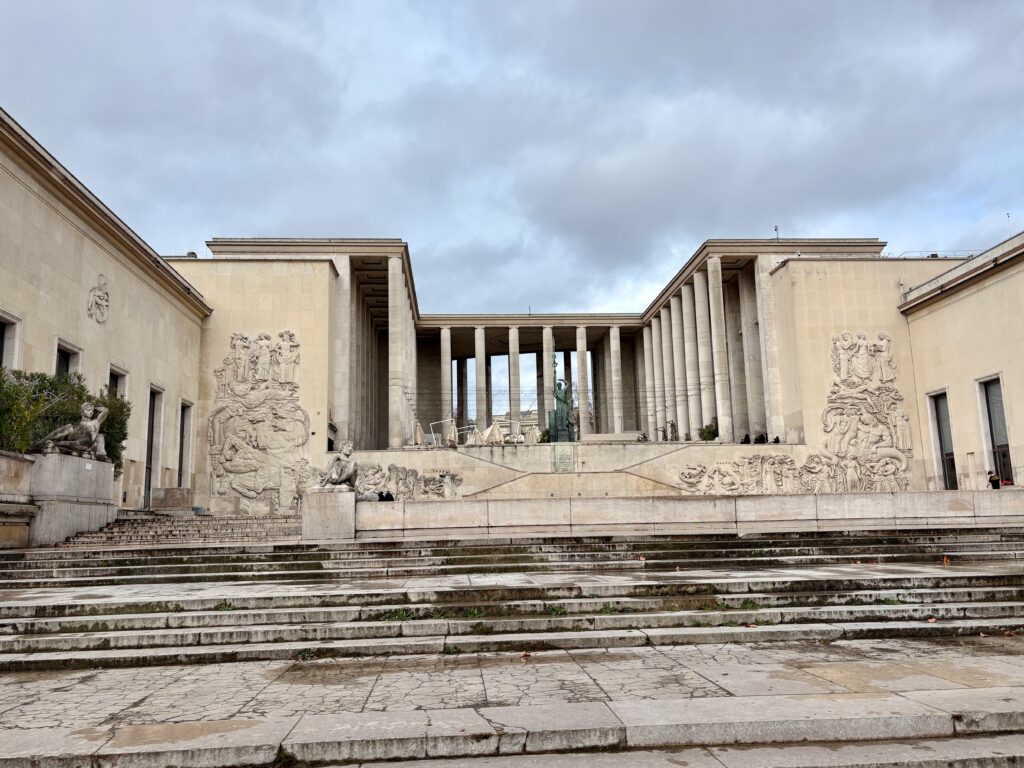
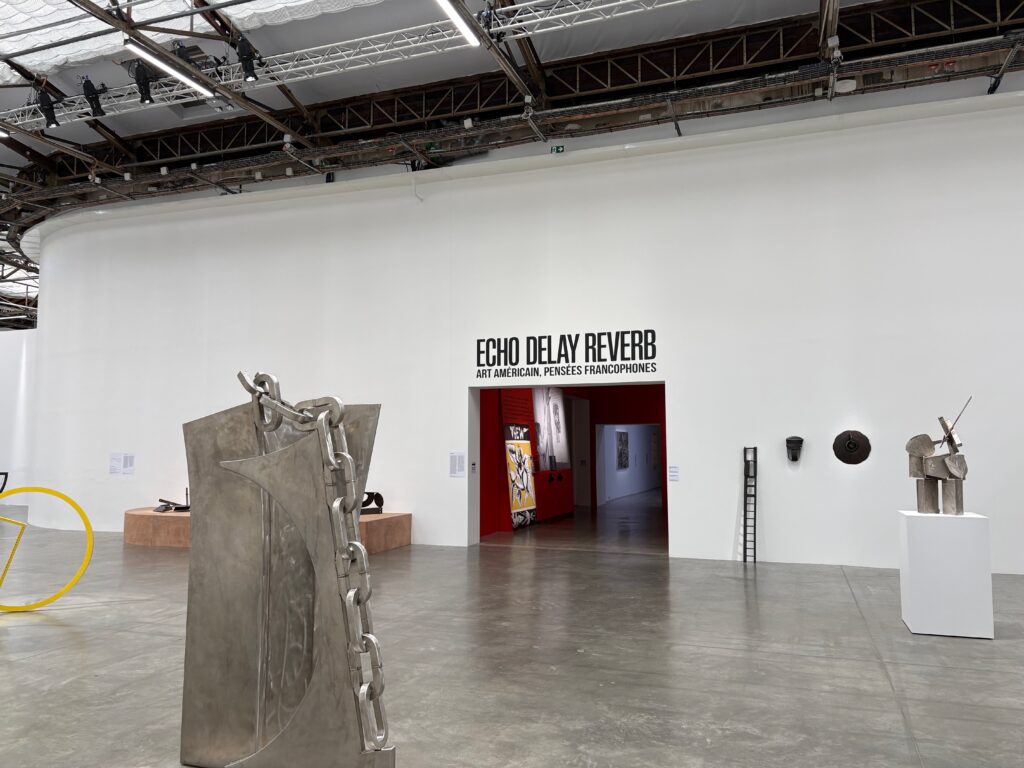
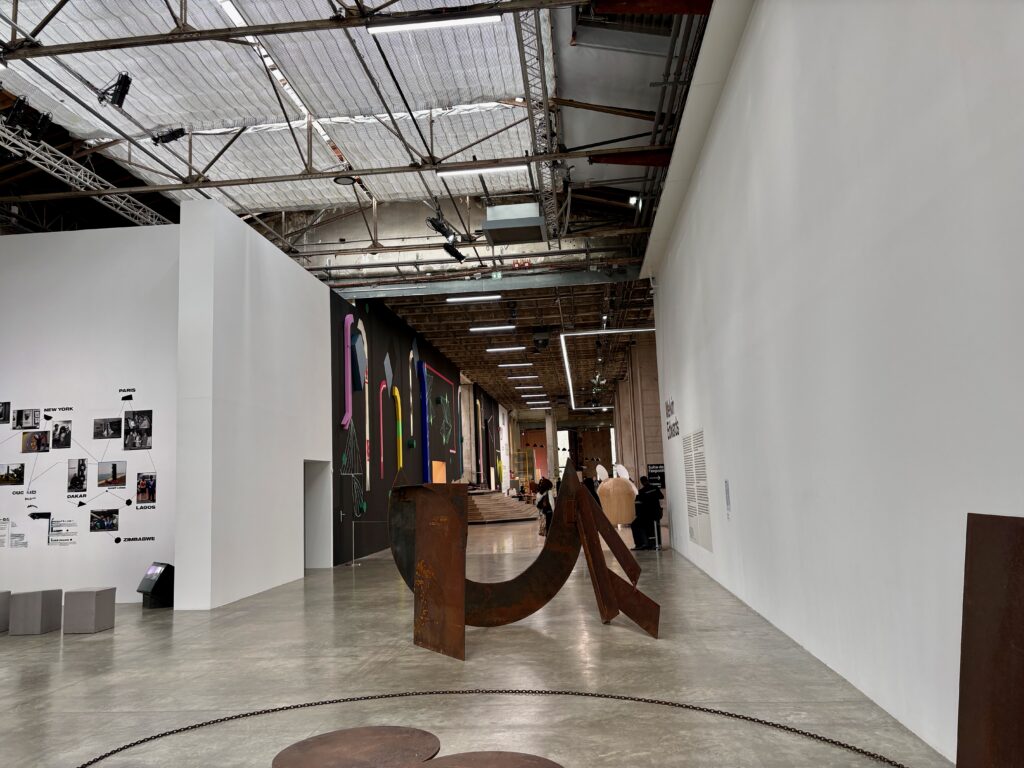
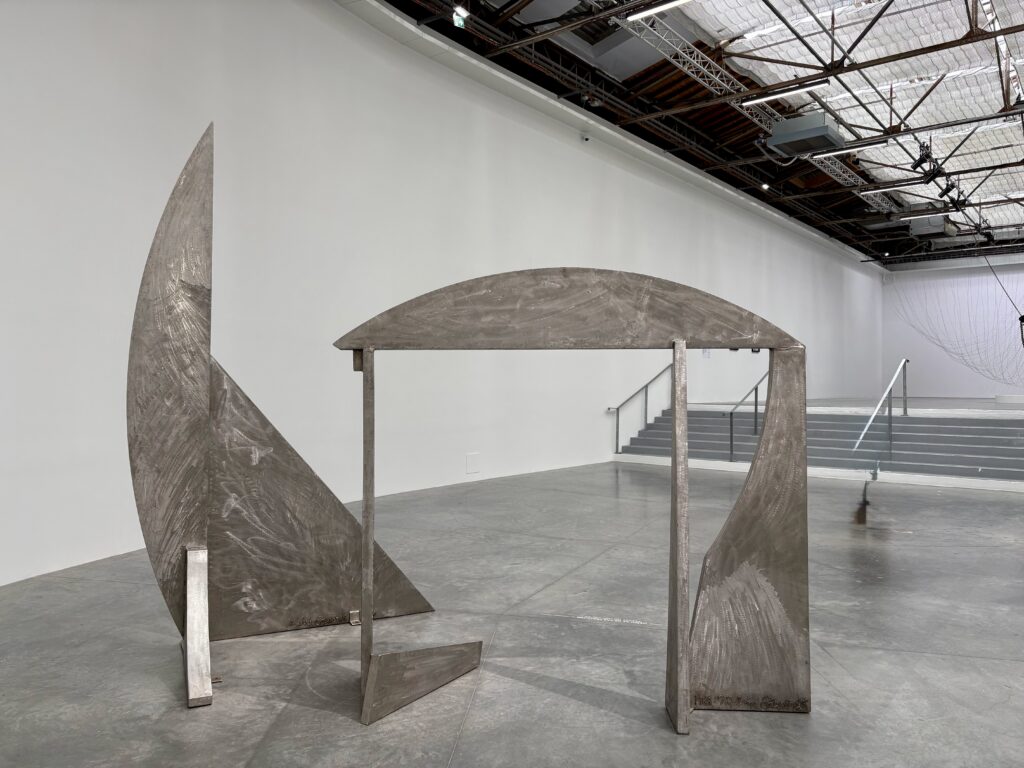
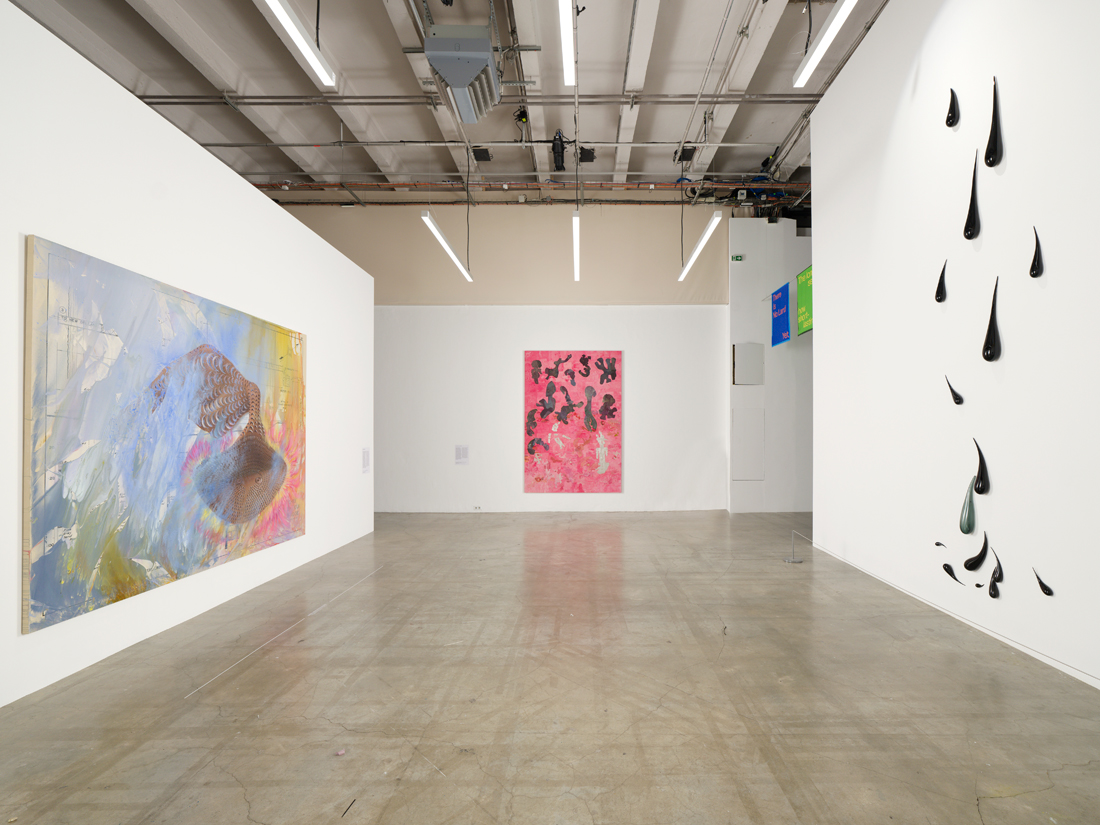
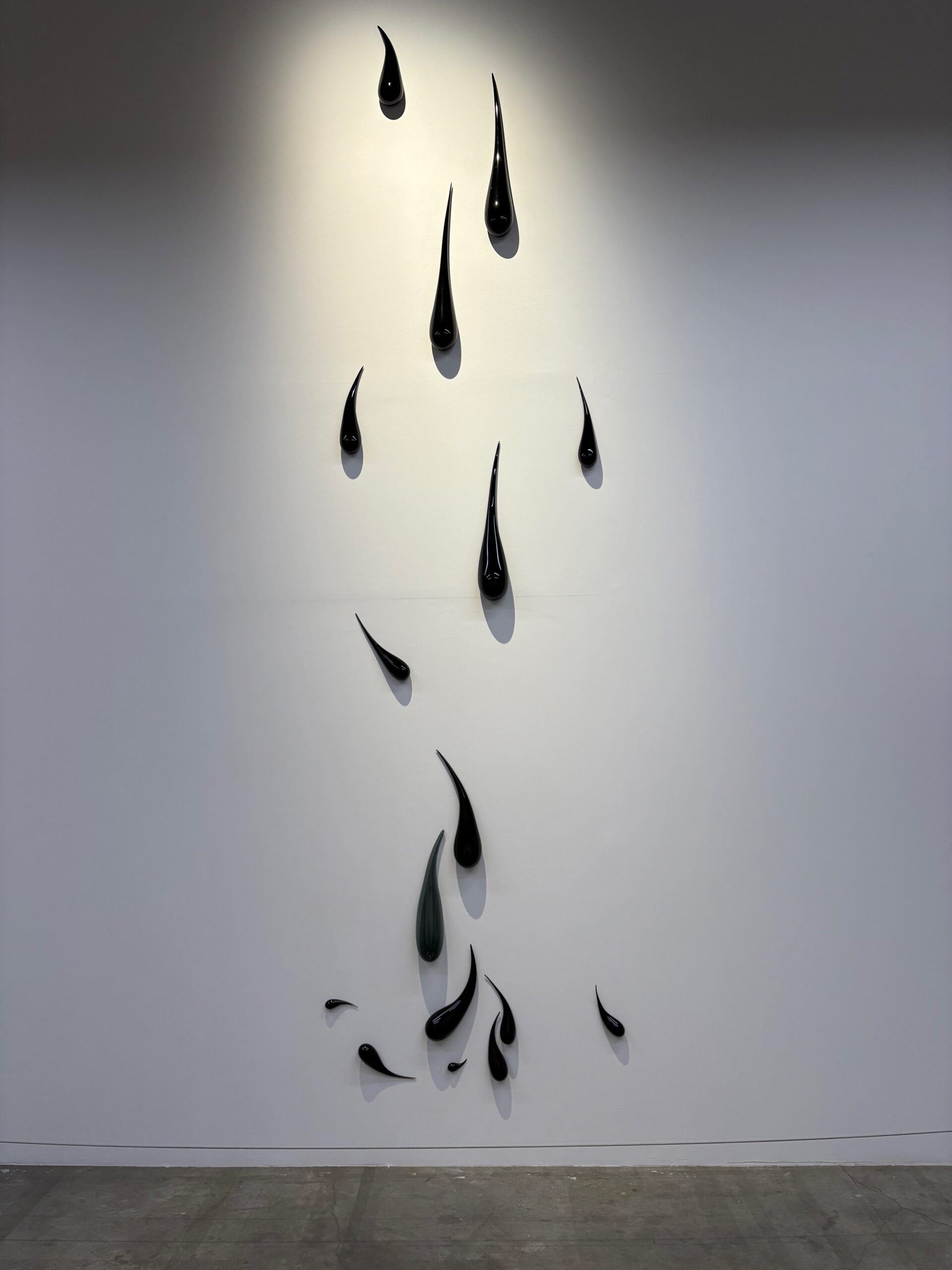
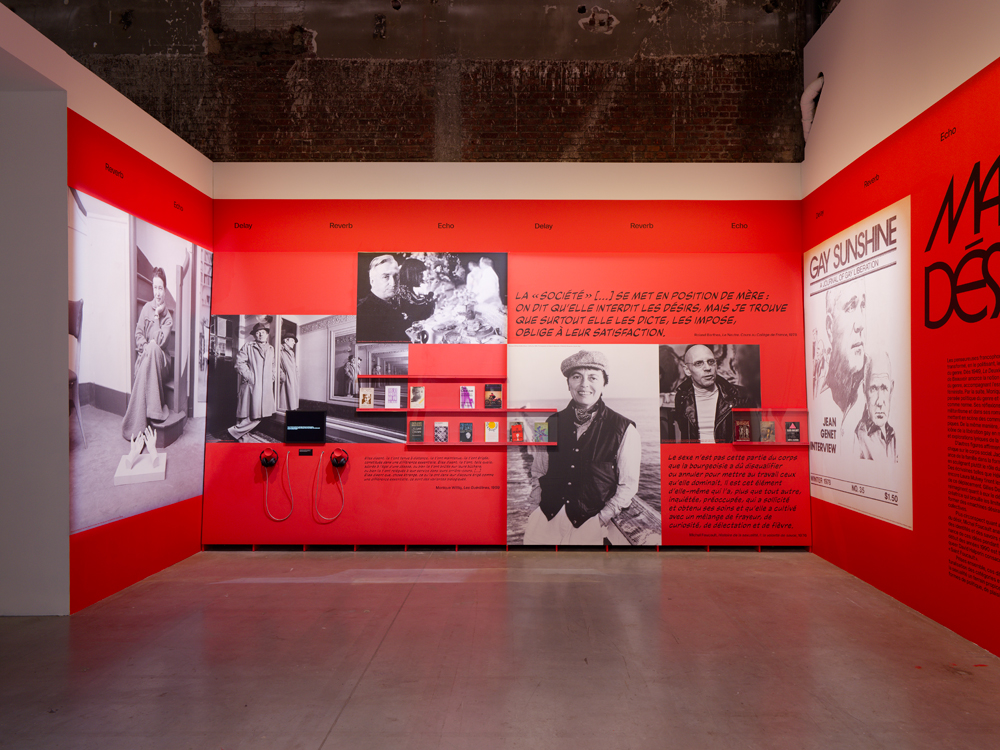

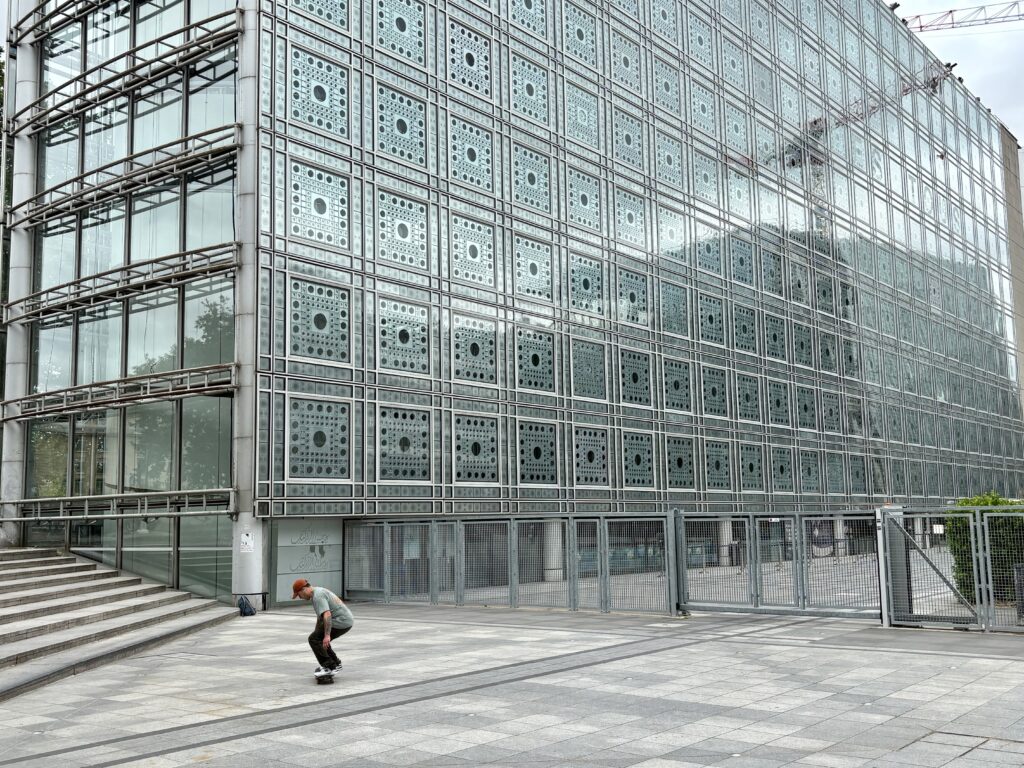
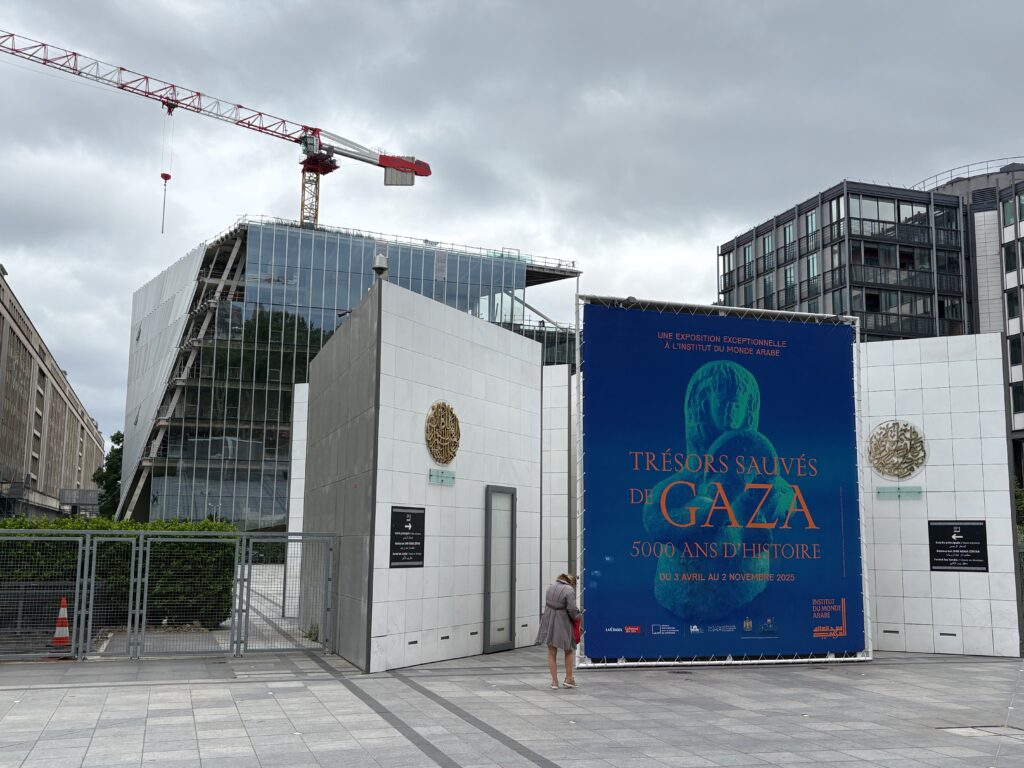
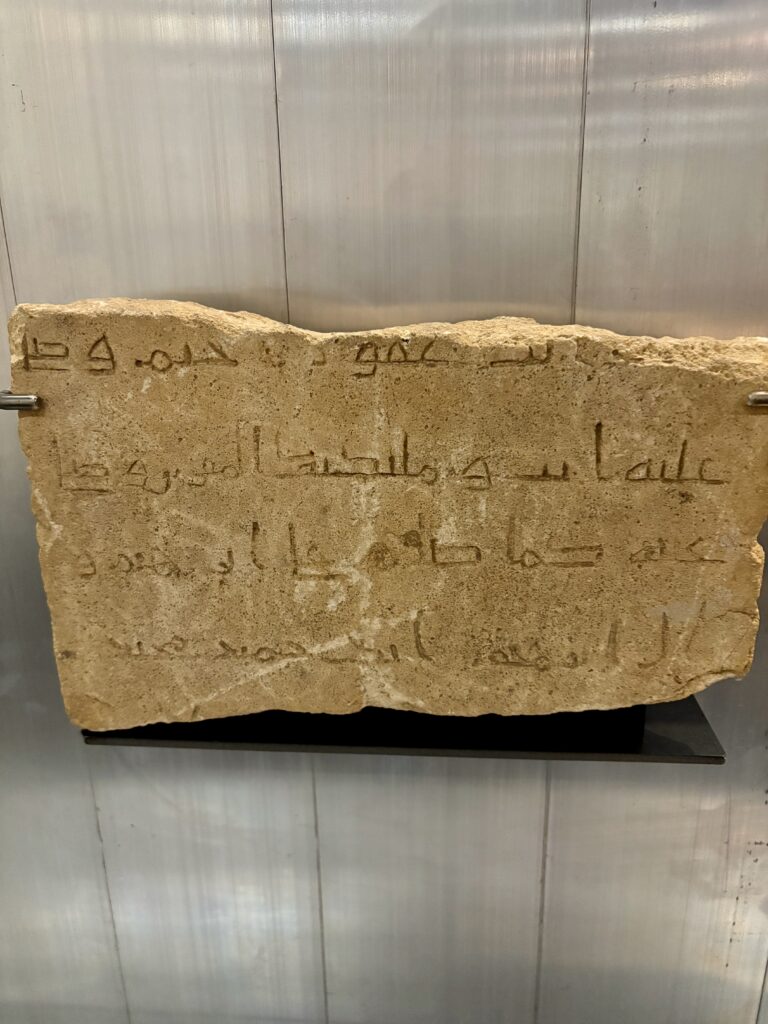
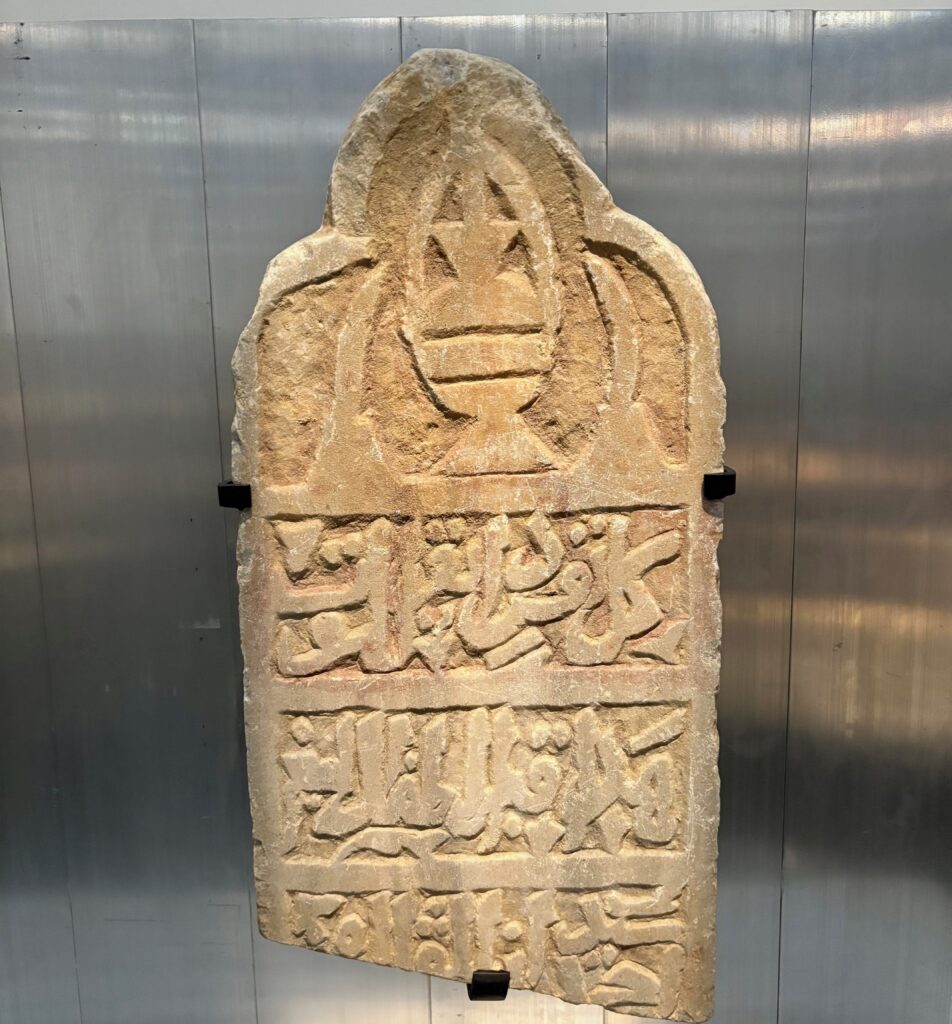
Institut du monde arabe (Arab World Insitute)


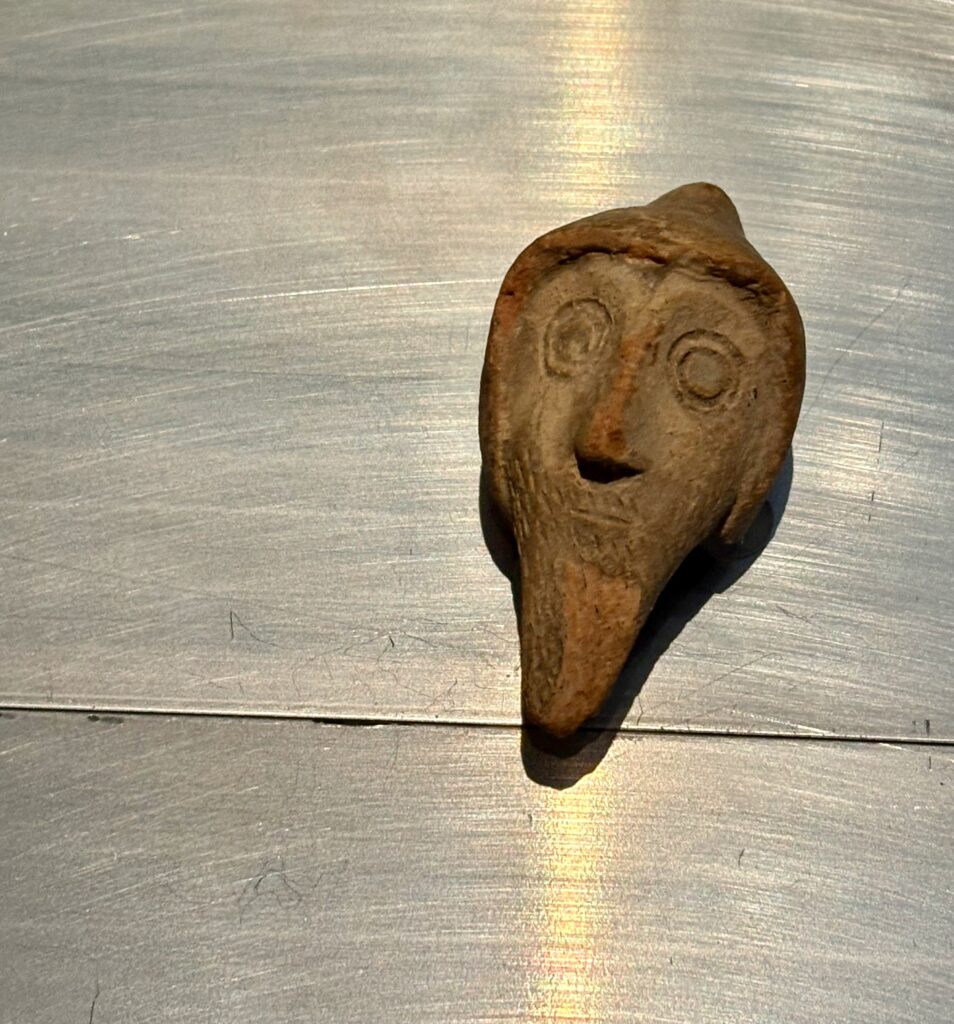

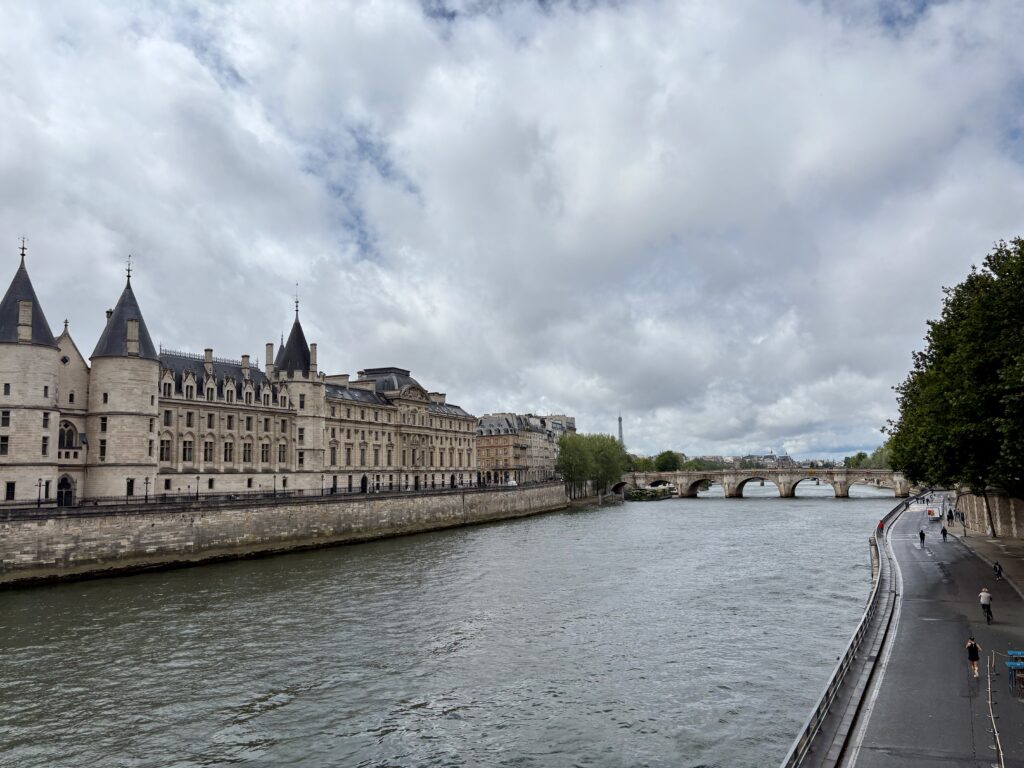
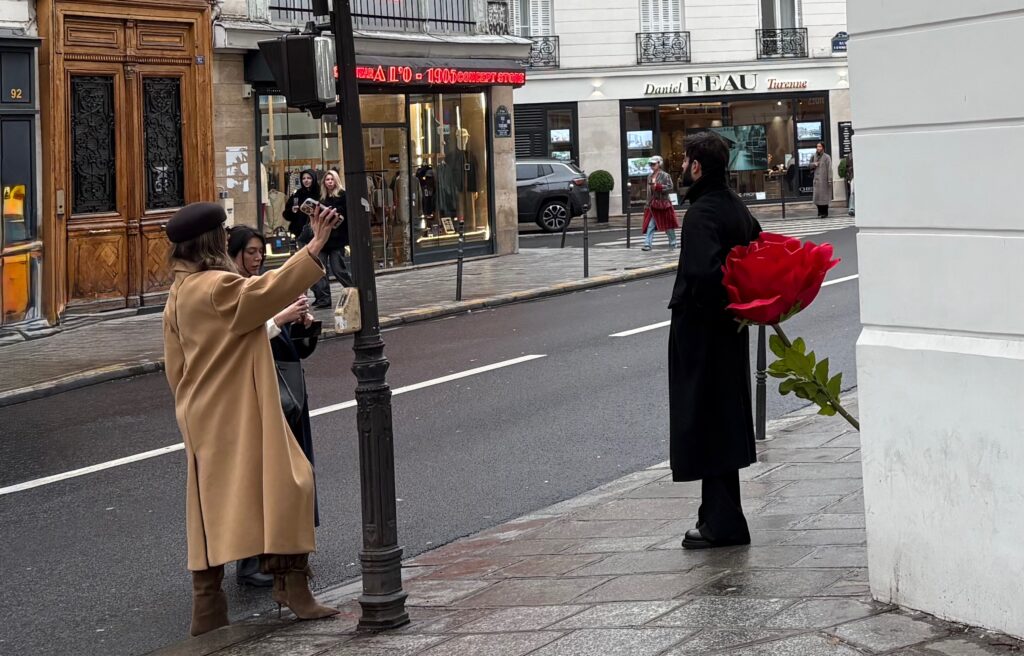
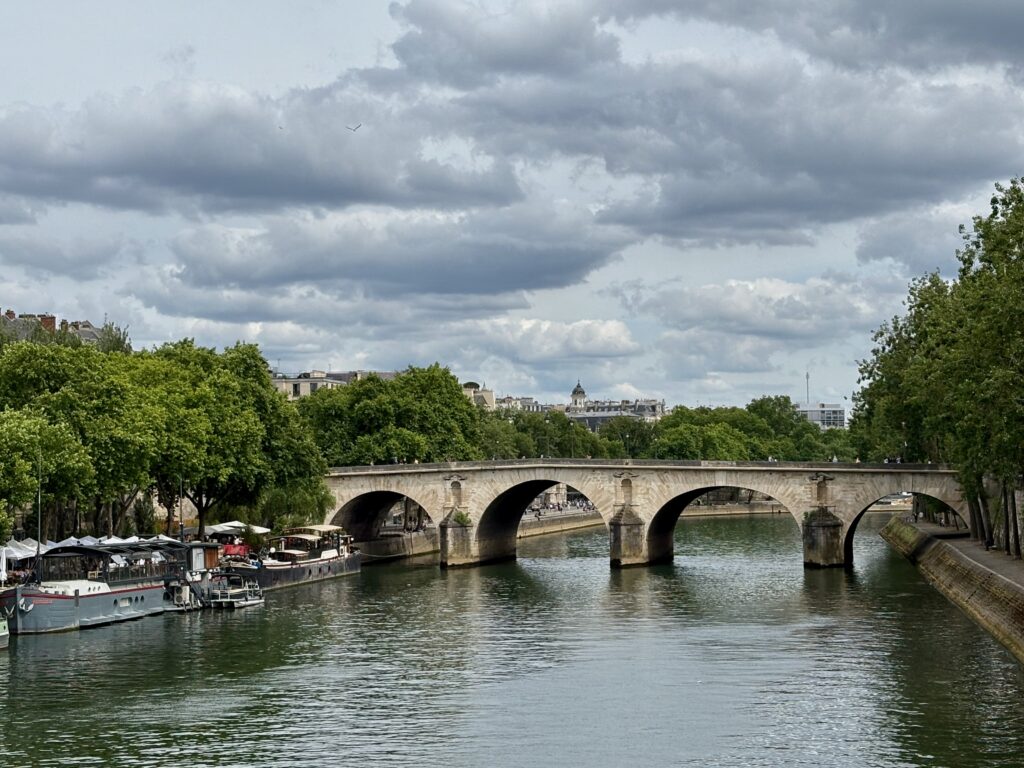
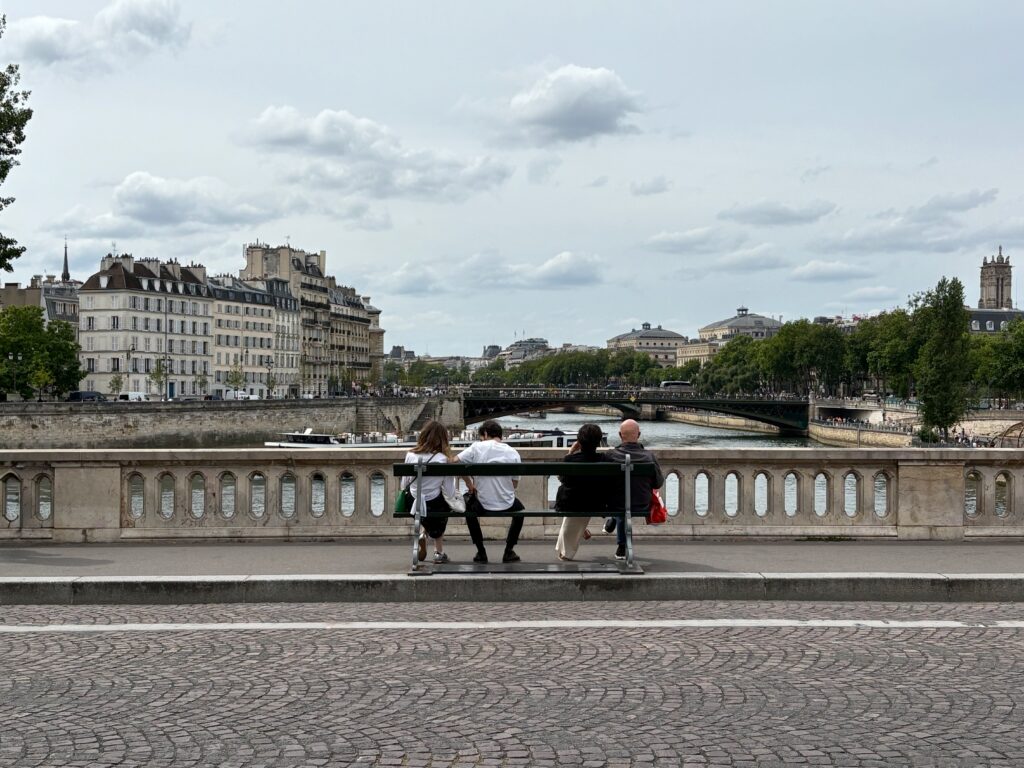
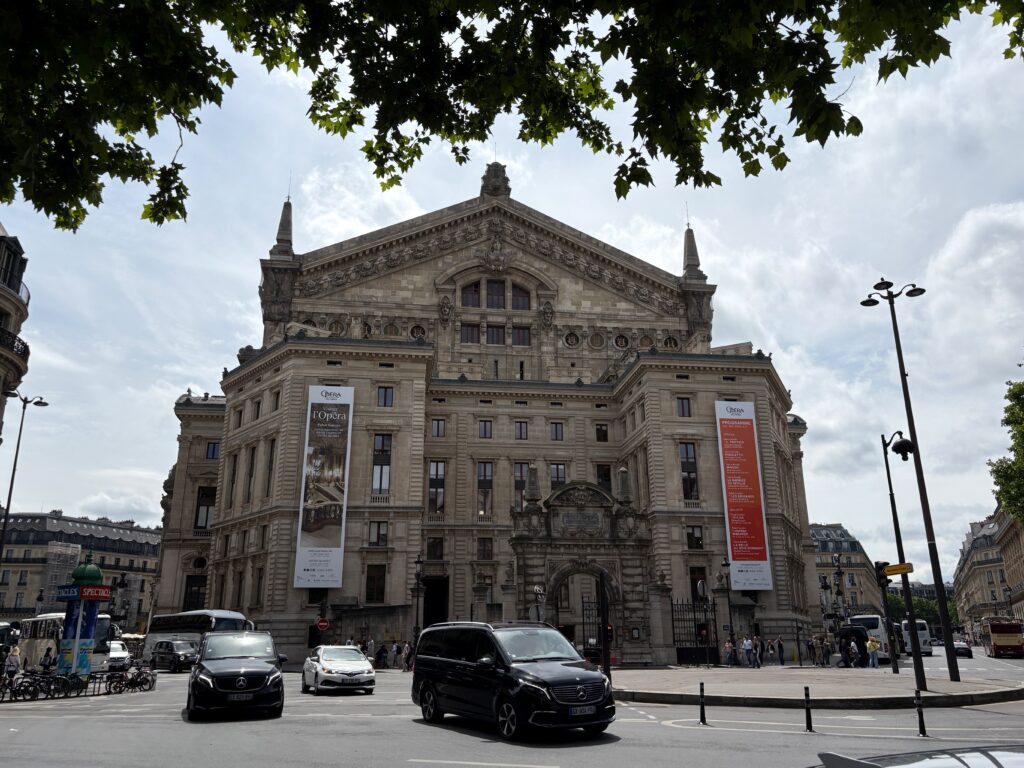
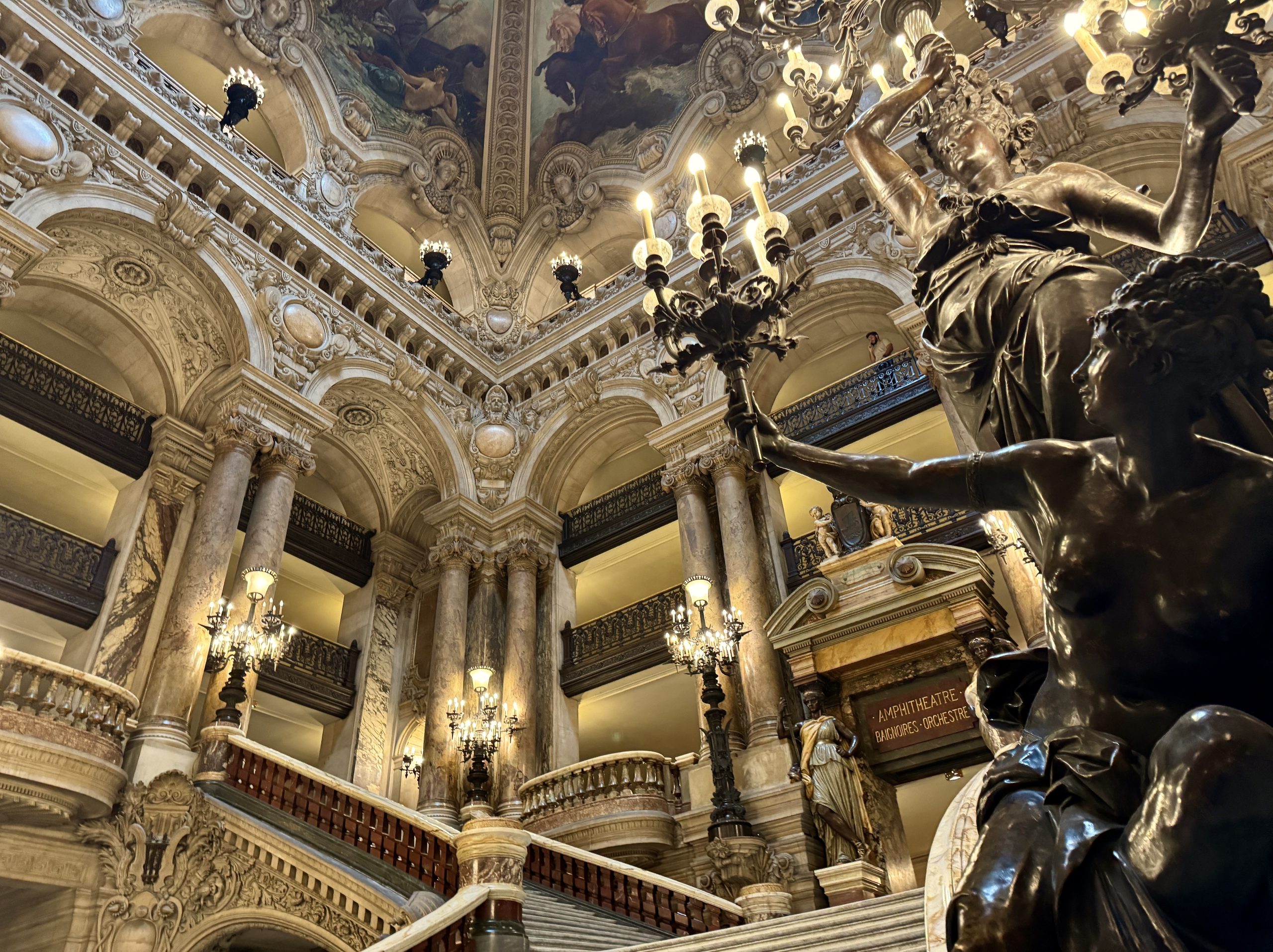
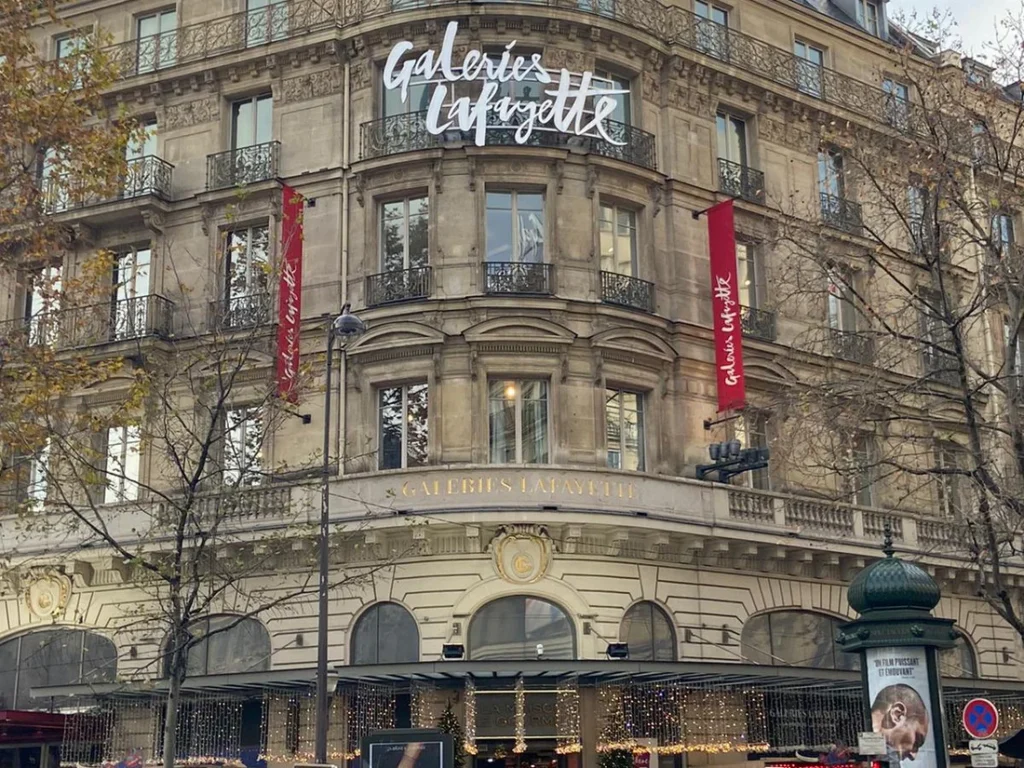
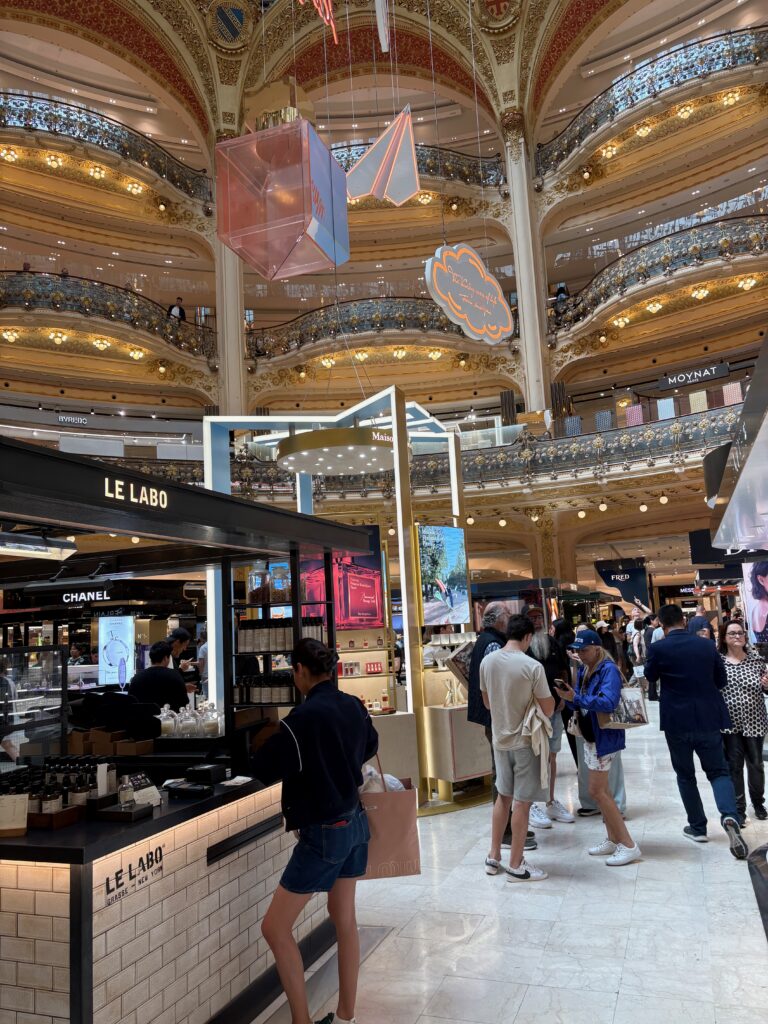
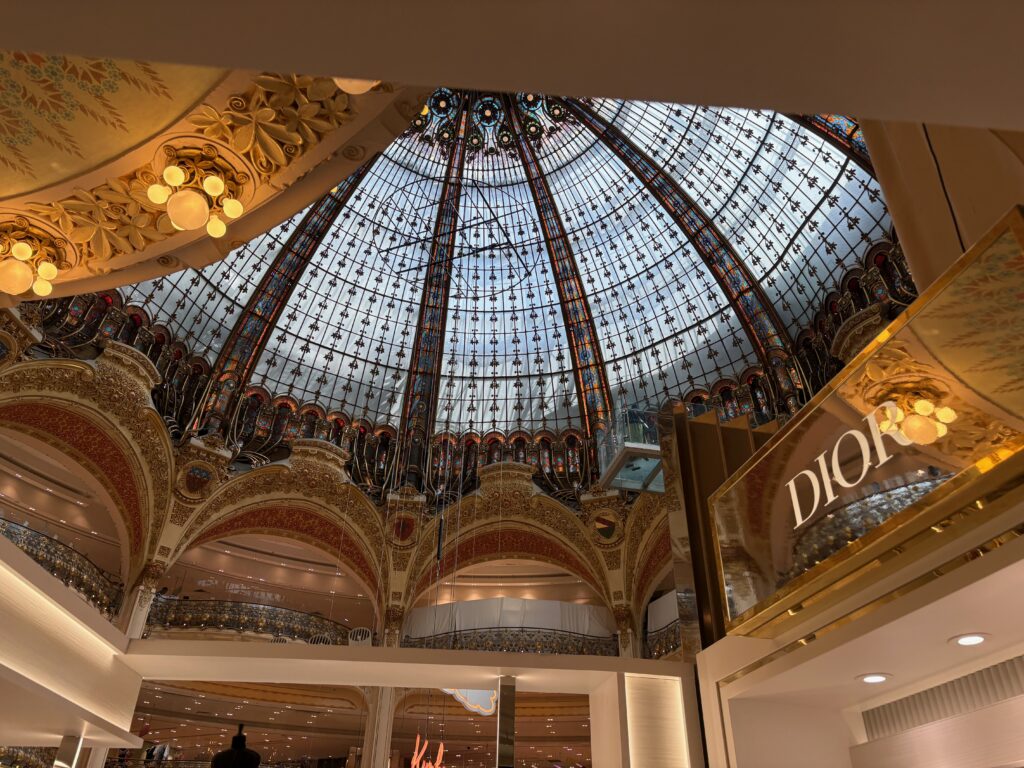
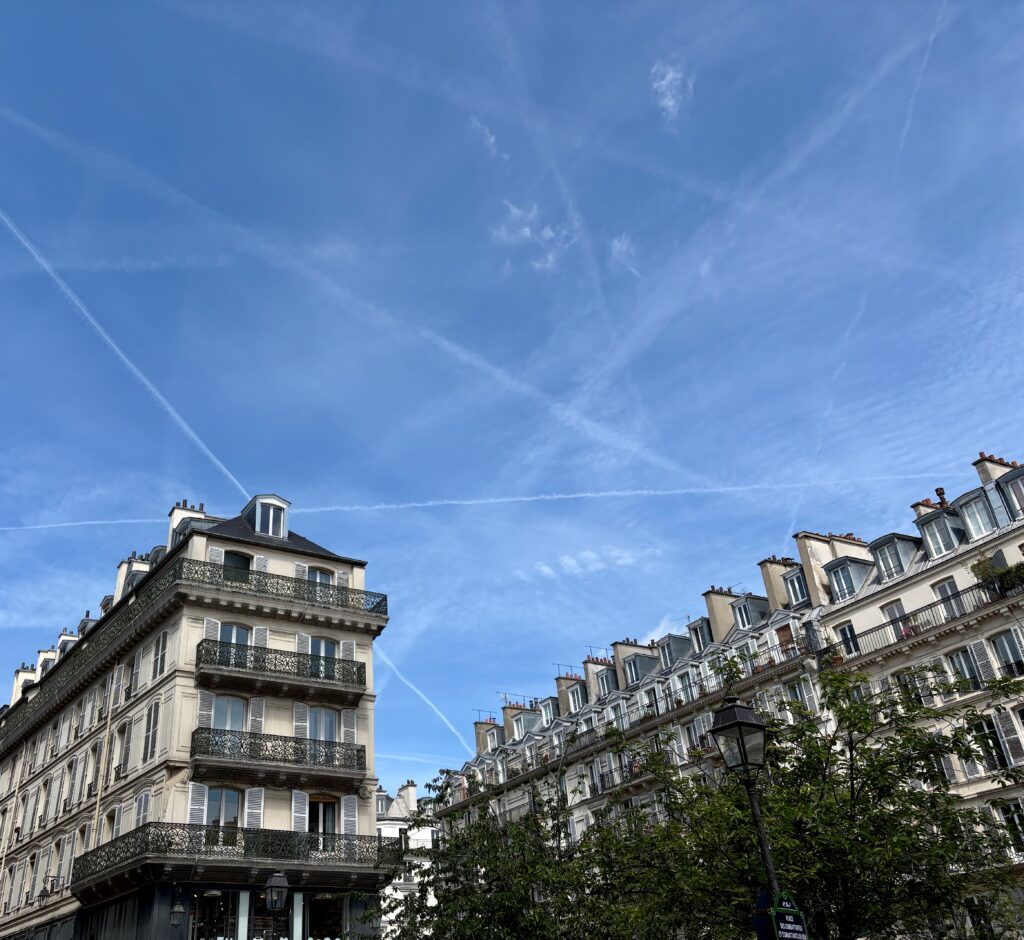
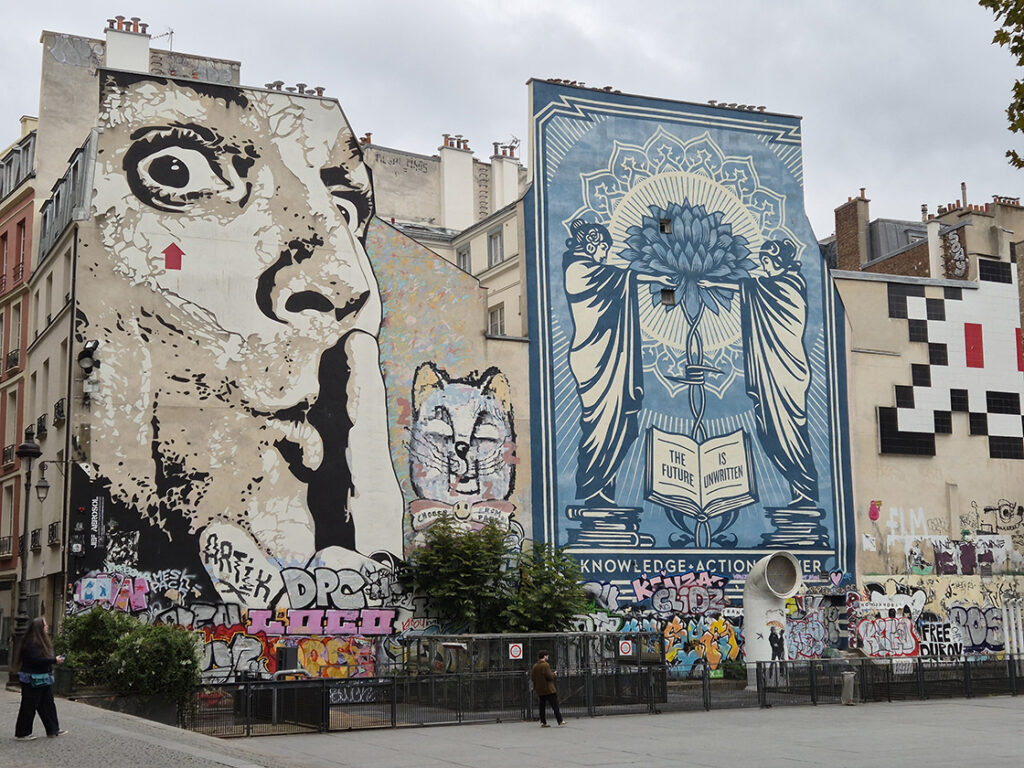
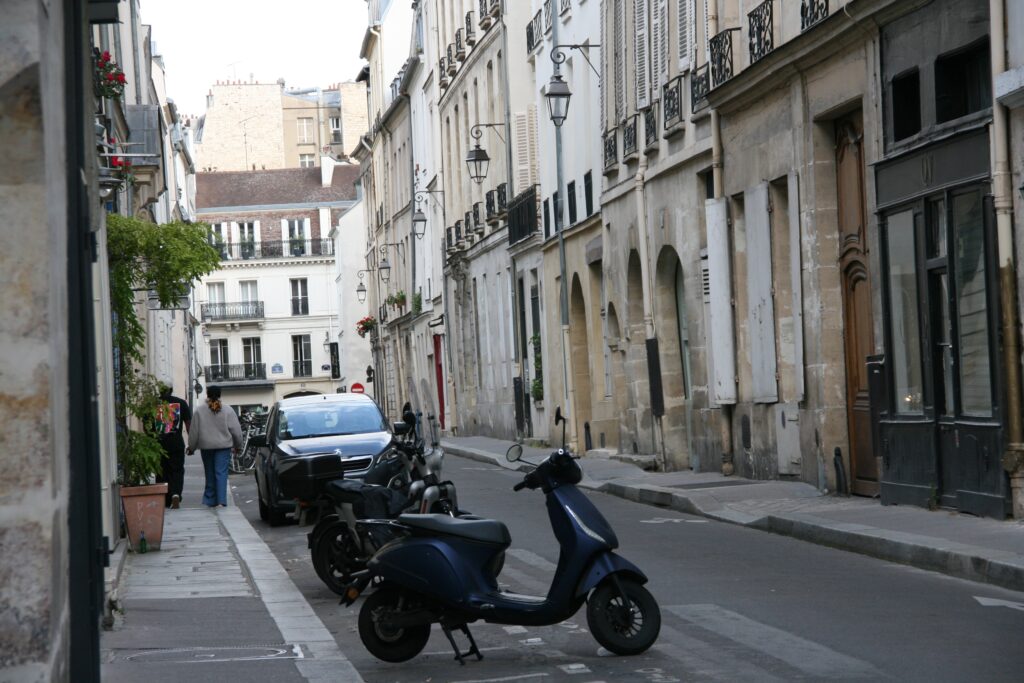
Walking round Paris
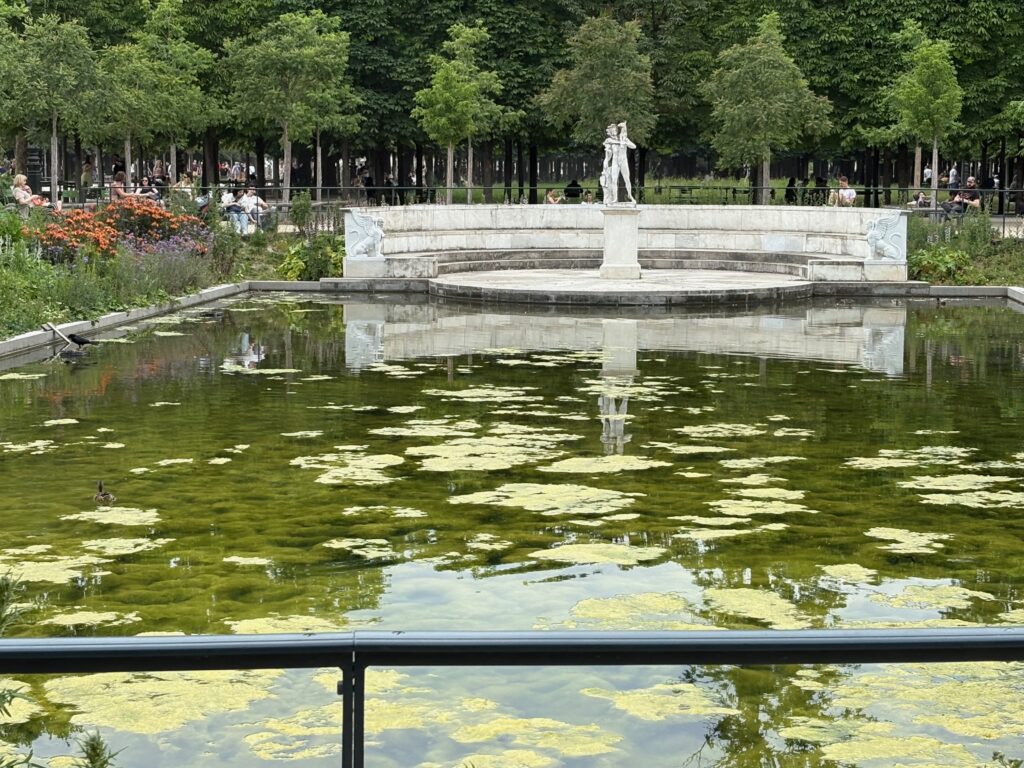
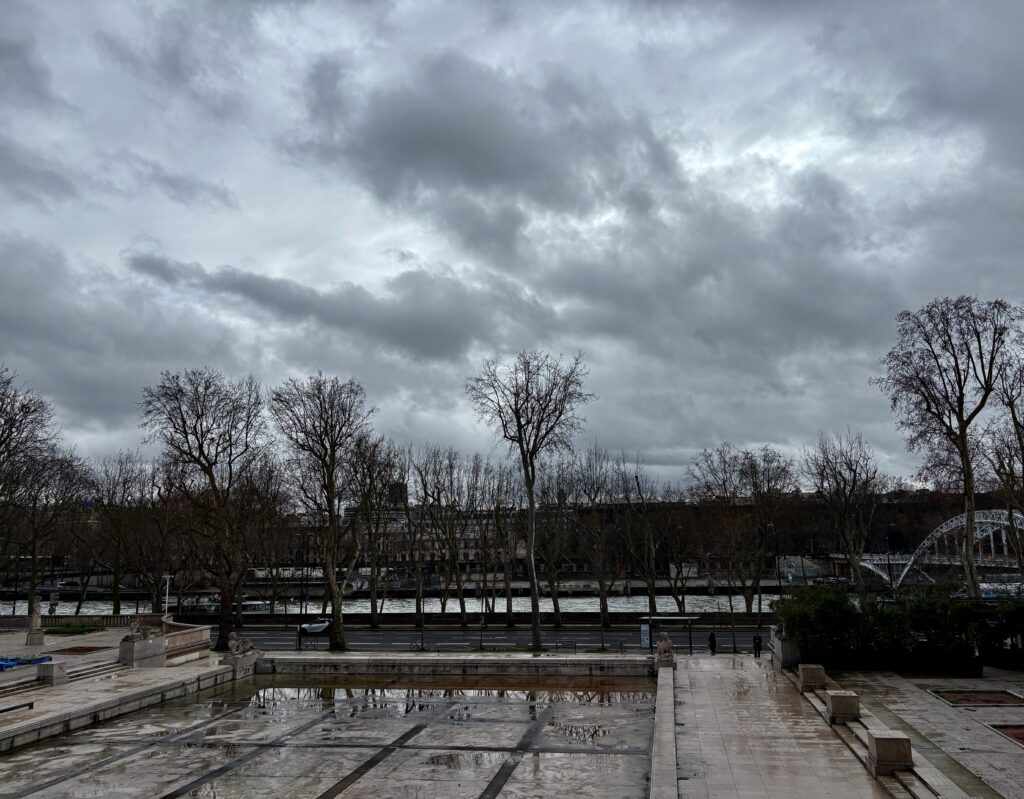
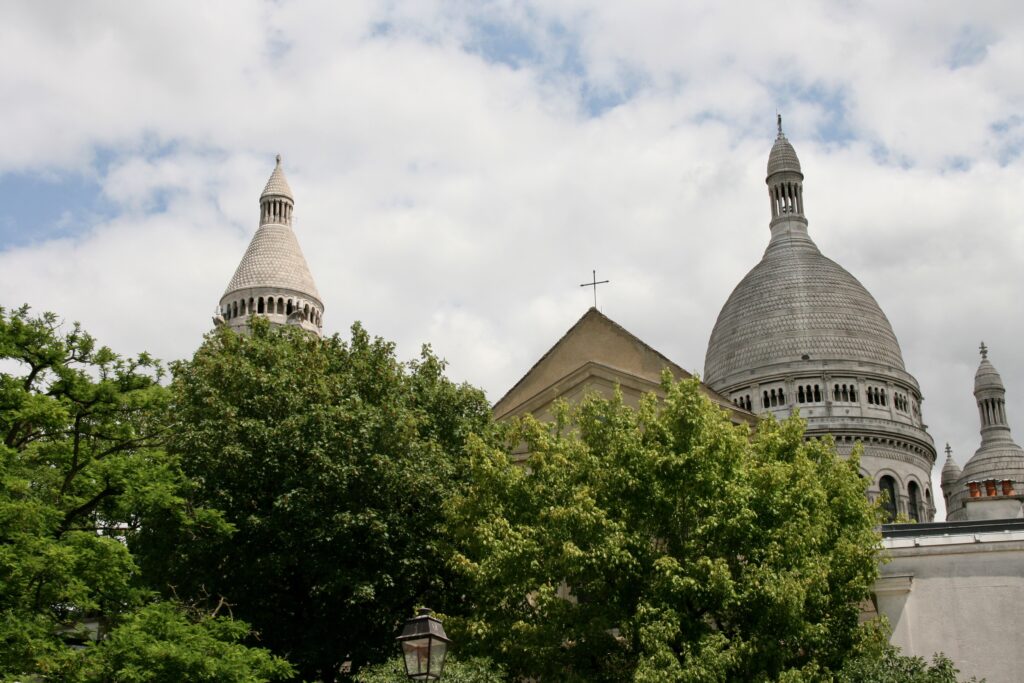
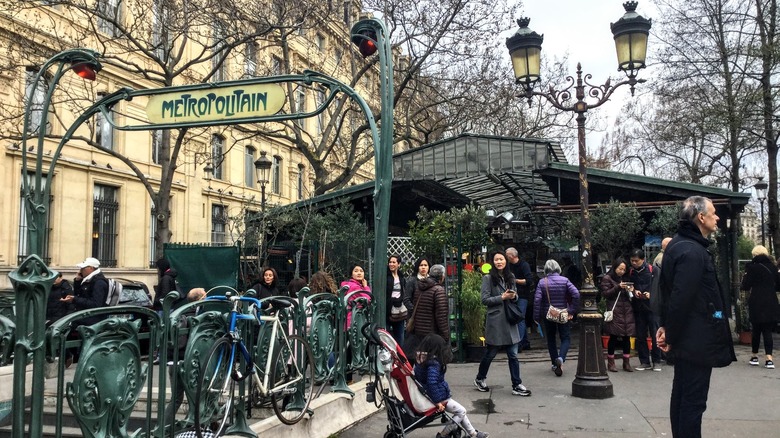
Back to Le Marais
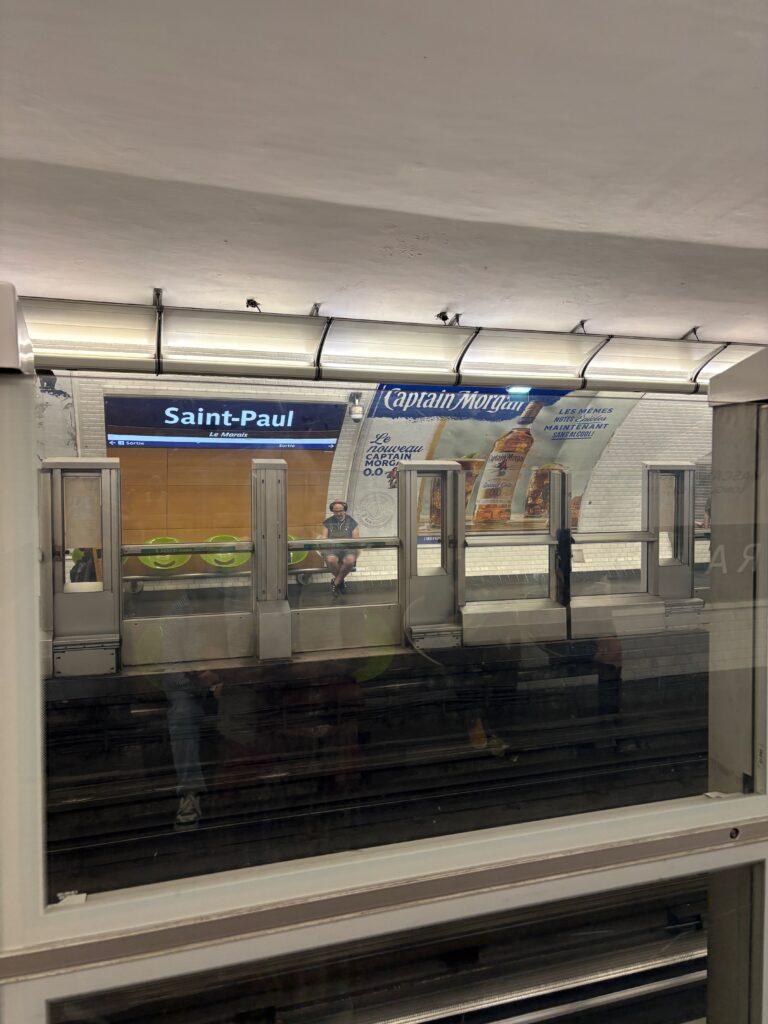
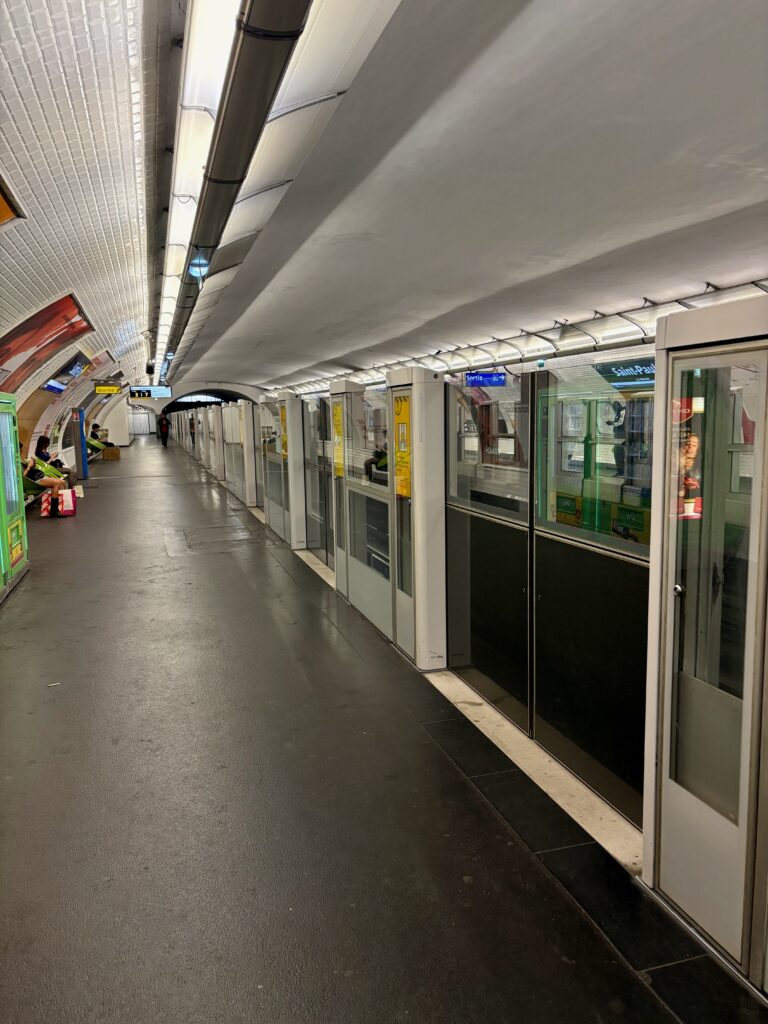
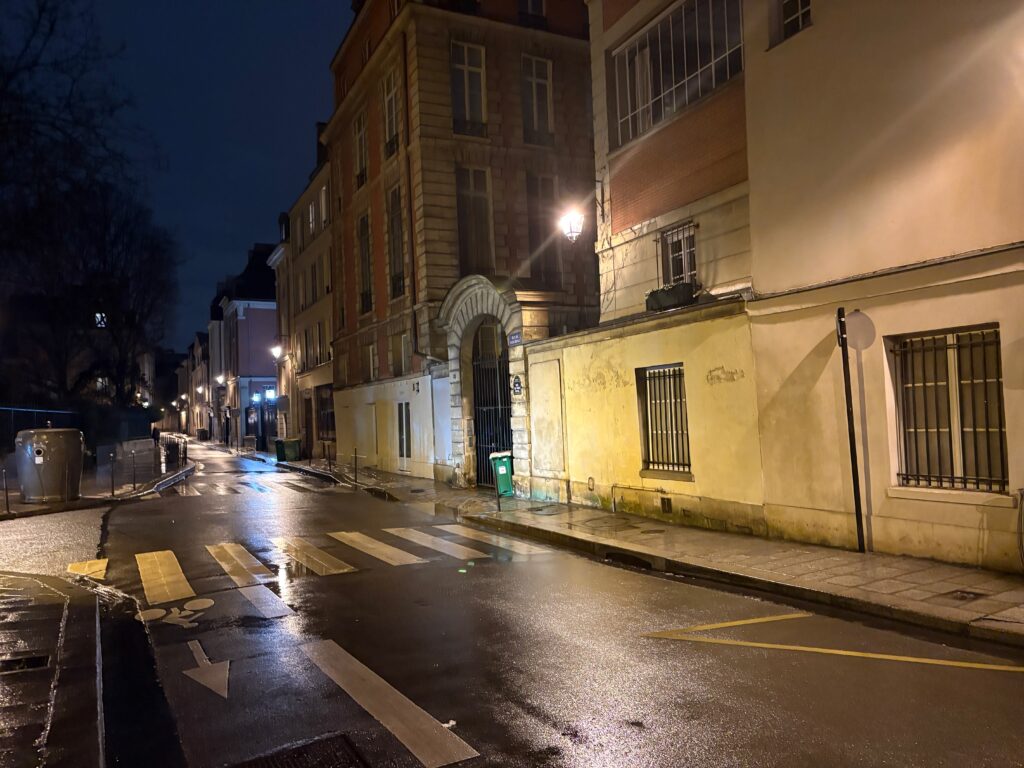
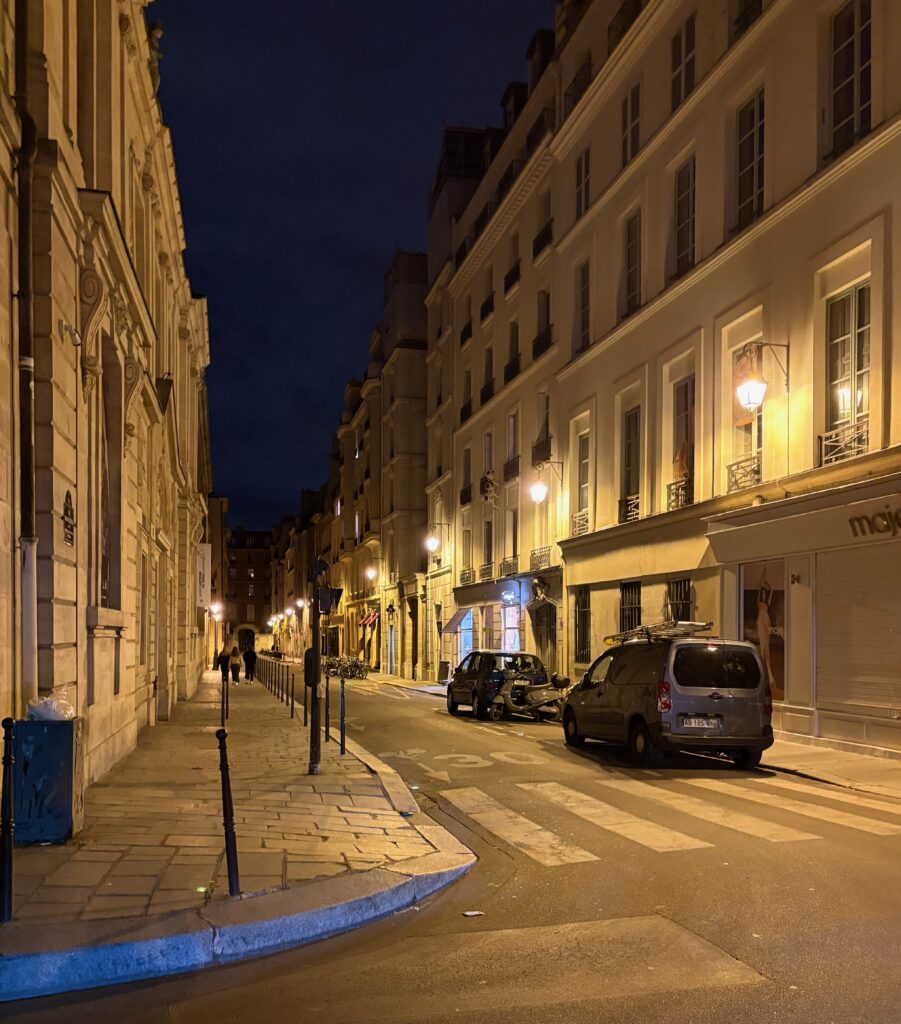
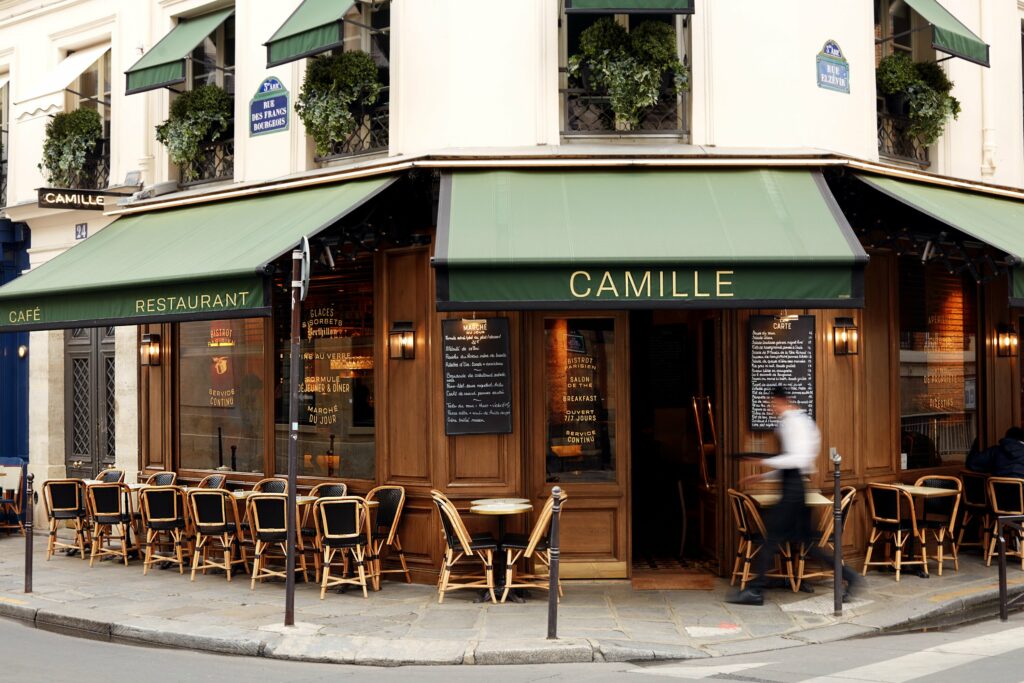
Saint-Paul métro station is an eight minutes walk from the apartment in Le Marais where I stayed on both trips to Paris, and now it feels like home.
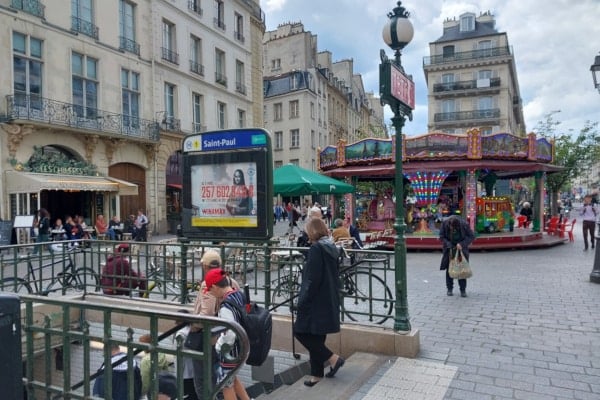
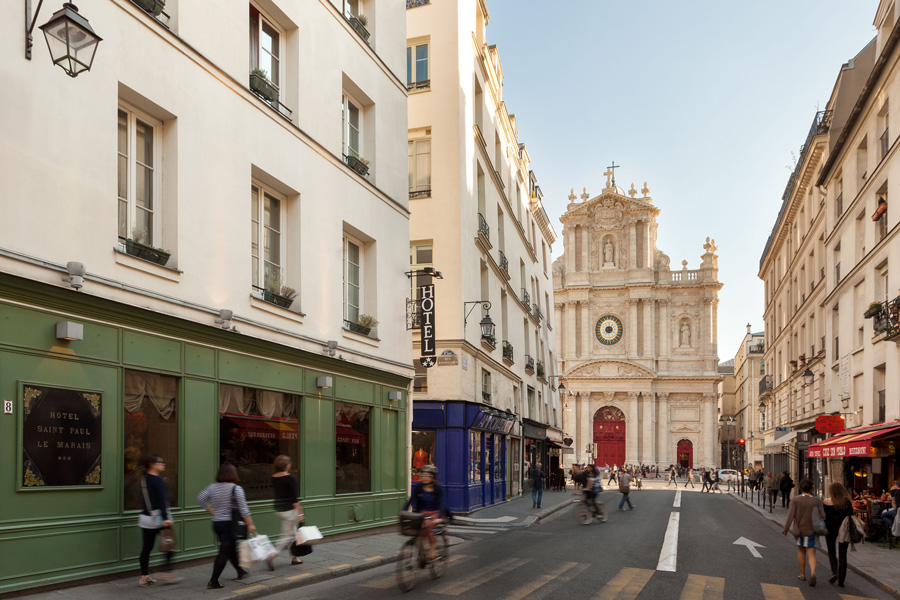
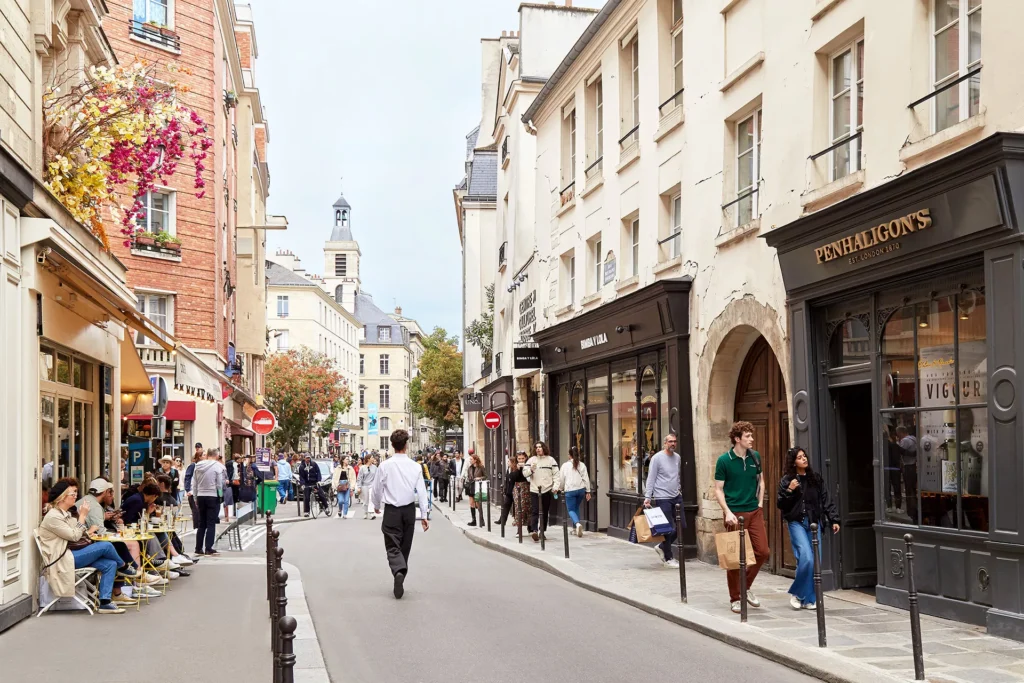
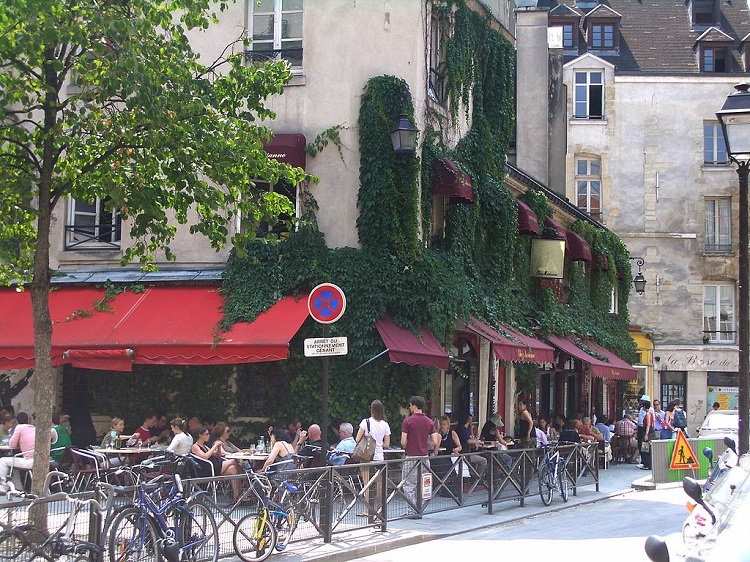
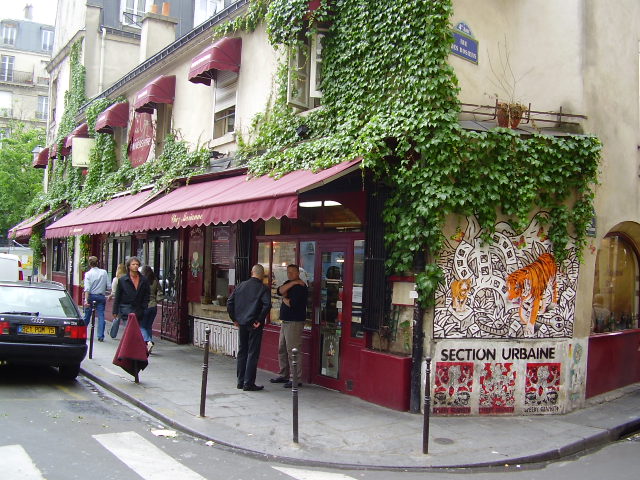
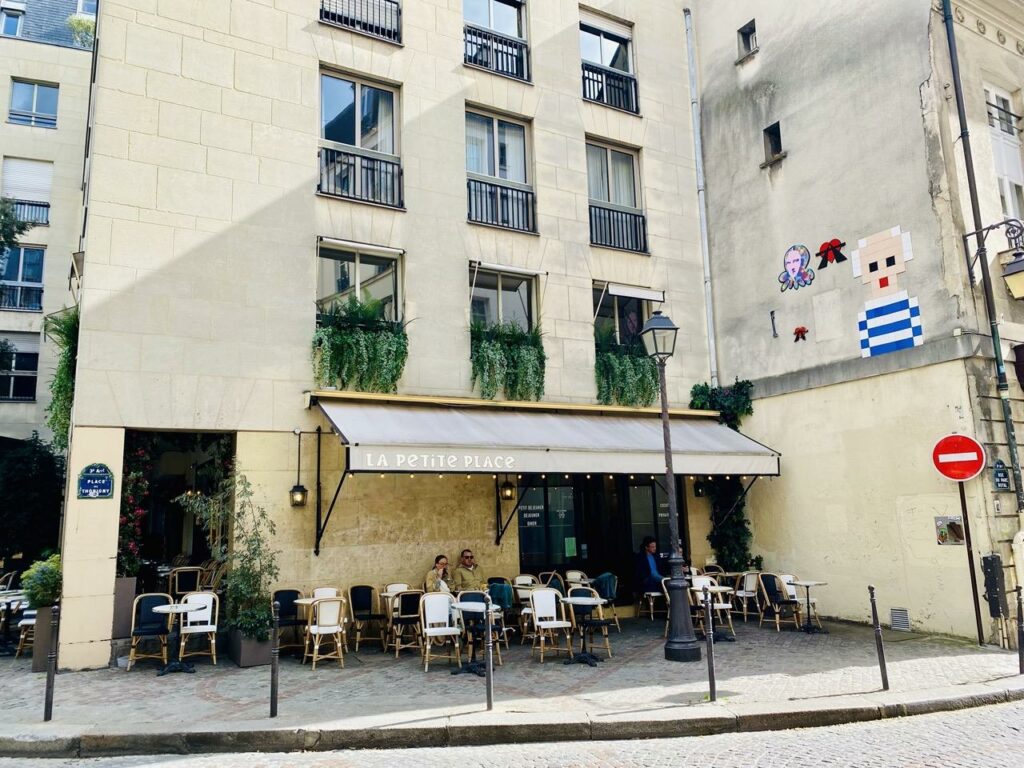
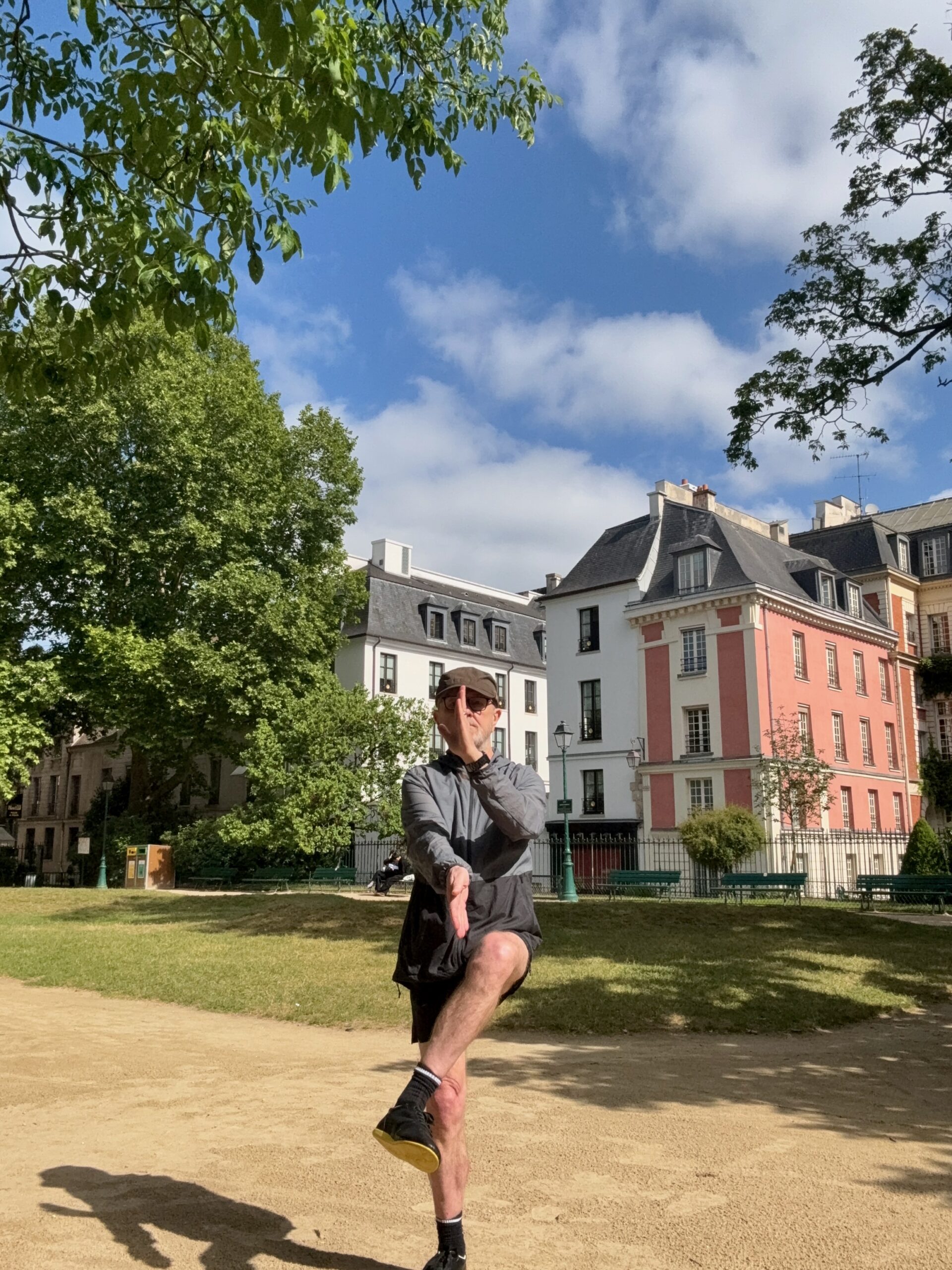
My local café, La Petite Place, is just round the corner, and my dojo, the little park where I do my martial arts practice is at the end of my street. This whole area is definitely my patch.
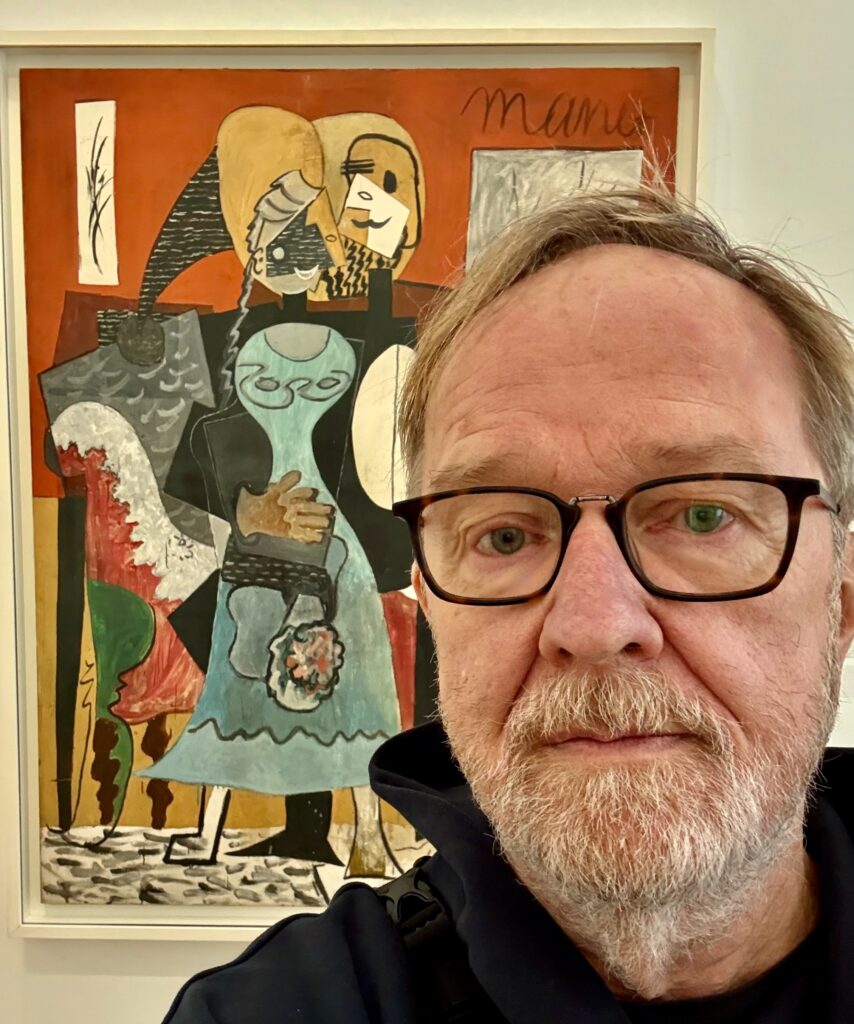
Round the next corner is the Musée Picasso Paris,

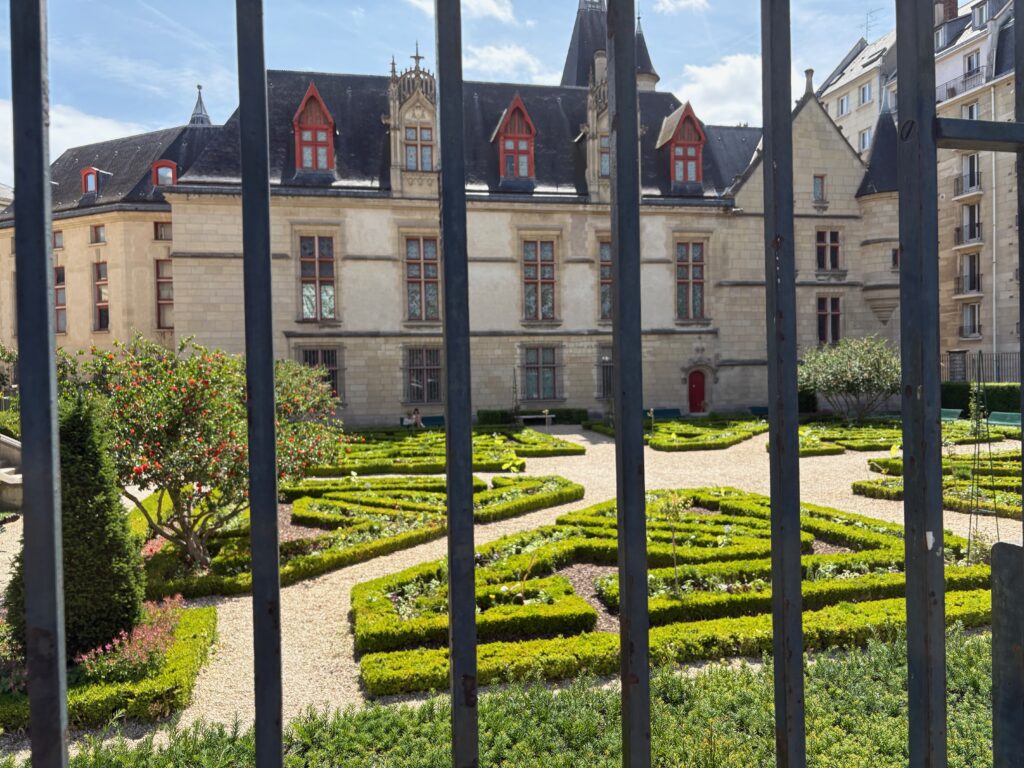
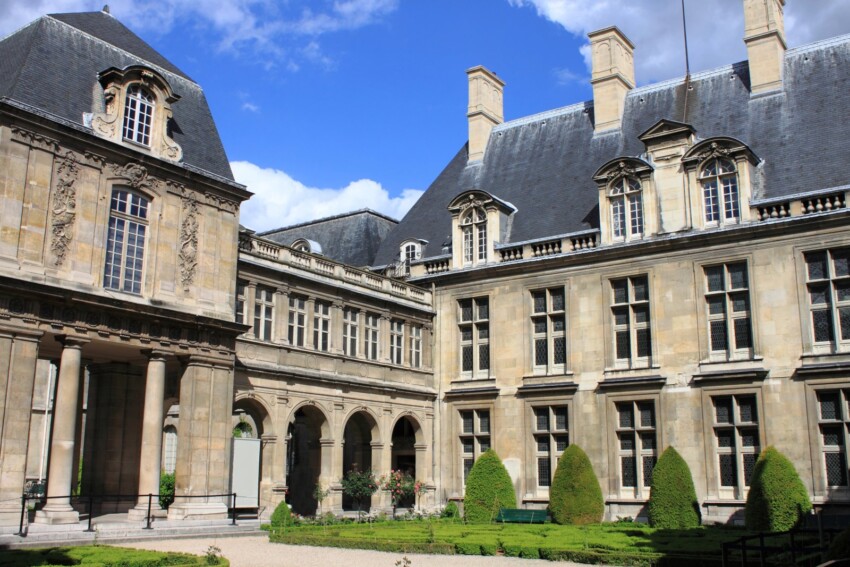
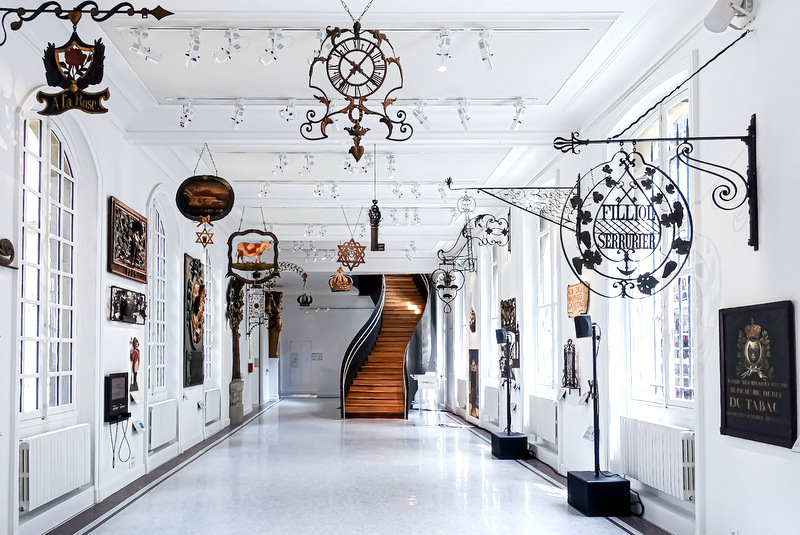
and at the other end of my street is the Musée Carnavalet, the History of Paris Museum, which tells the dramatic and world-changing history of the city itself in numerous rooms of well-curated objects and art-works.
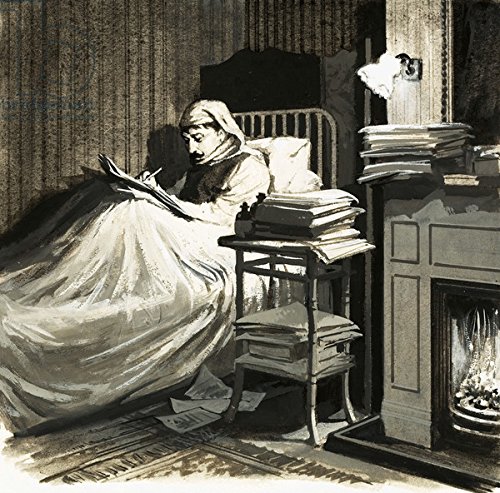
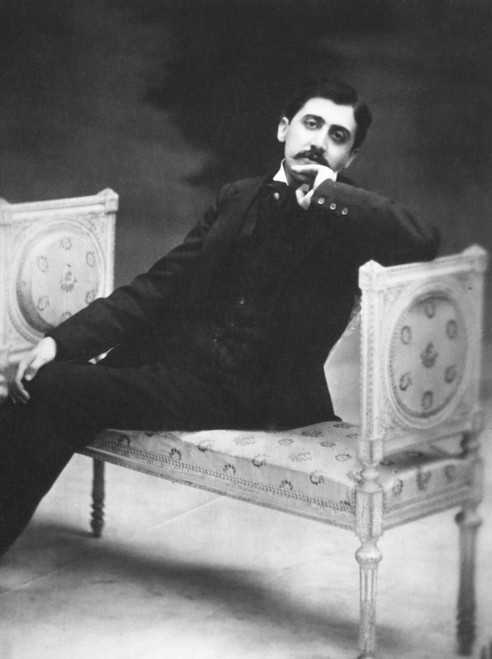
I didn’t realise until I visited here that the museum is custodian of all the furniture from one of my hero’s Marcel Proust’s bedroom, which is famous because most of Proust’s masterwork, the novel À la recherche du temps perdu (In Search of Lost Time), was written here, literally on this bed, between 1913 and 1937. He wrote in bed, not because he was a lazy near-do-well, even though he was often misdiagnosed as a hypochondriac, but because he was a life-long sufferer of Ehlers-Danlos Syndrome, a still uncurable genetic disease of the connective tissues.
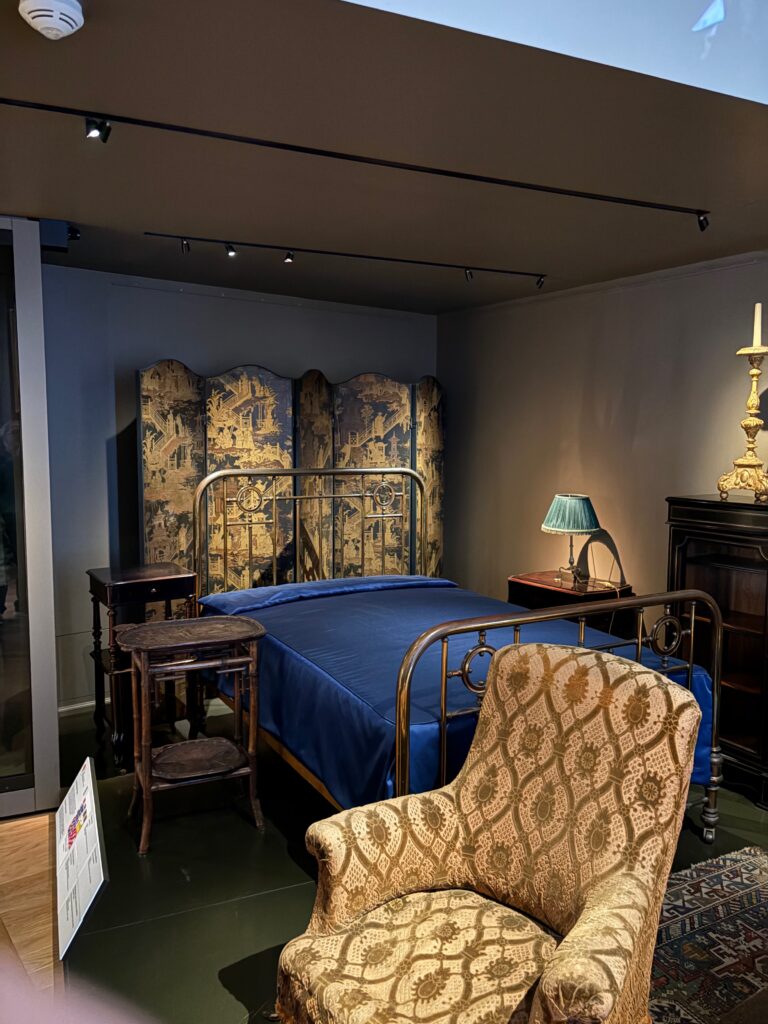
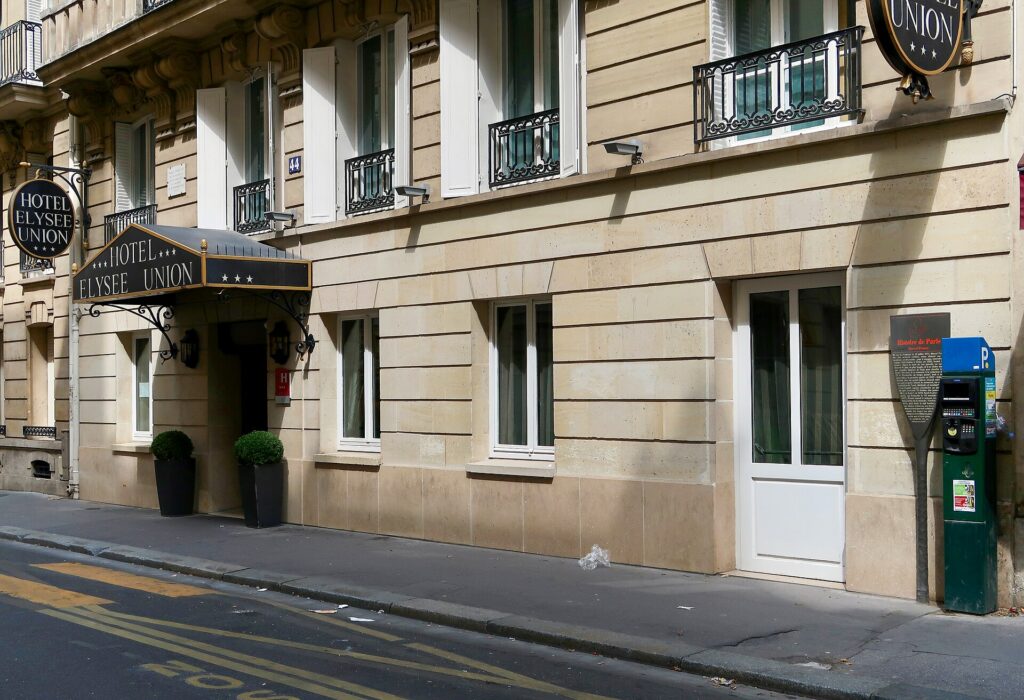
The furniture was moved here from Proust’s last home in Paris, the apartment where he died in 1922. The building is now the Hotel Elysée Union, 44 rue Hamelin, 16e, Paris.
If we remember only one passage from Proust’s novel it is the so-called madeleine moment when he dips a small madeleine cake into his tea and he’s immediately overwhelmed by what is known as involuntary memory. After visiting Proust’s bedroom, I had to experience my own madeleine moment in a nearby café.
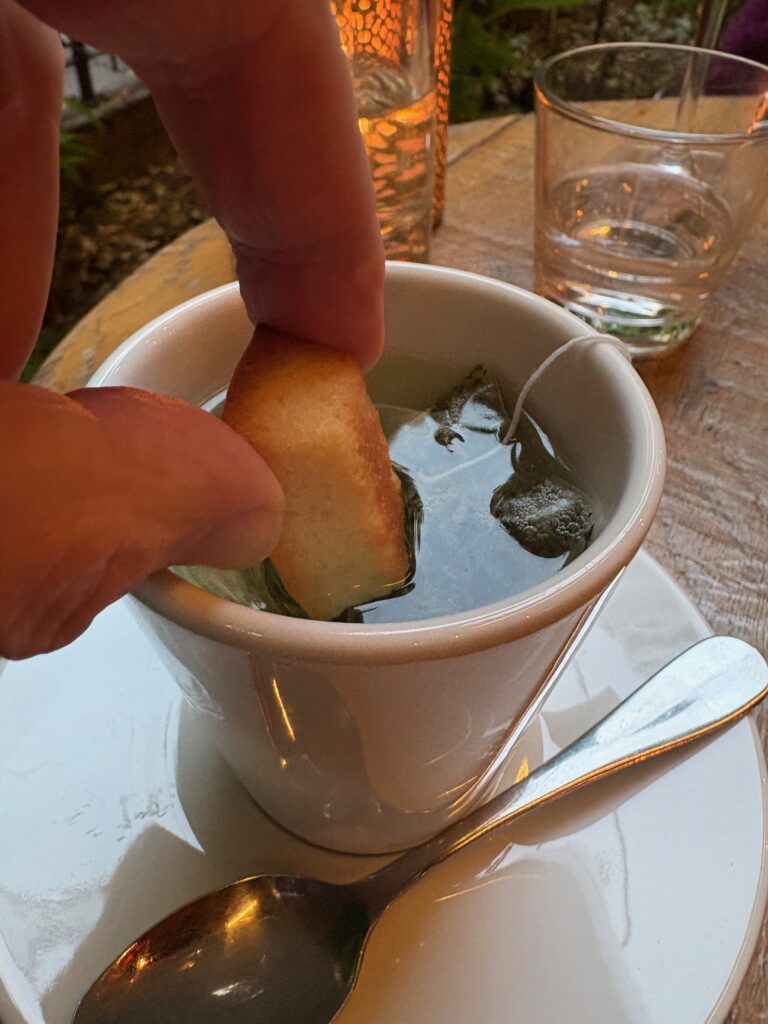
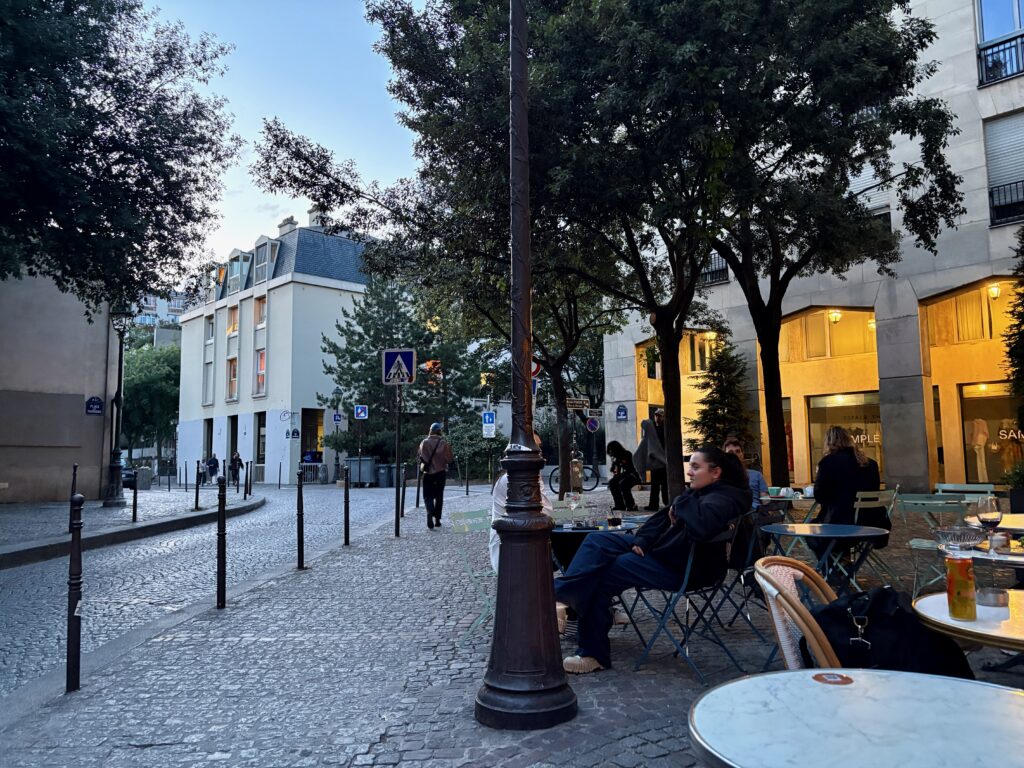
I can’t claim to have been overwhelmed in the same way as Proust was, but I was flooded with memories of reading the whole of his wonderful novel, the longest ever written, at around 1.3 million words, one of my life ambitions fulfilled around ten years ago. Here’s that passage in French and English:
“And suddenly the memory revealed itself. The taste was that of the little piece of madeleine which on Sunday mornings at Combray… my aunt Léonie used to give me, dipping it first in her own cup of tea or tisane.
No sooner had the warm liquid mixed with the crumbs touched my palate than a shudder ran through me and I stopped, intent upon the extraordinary thing that was happening to me.
And at once the vicissitudes of life had become indifferent to me, its disasters innocuous, its brevity illusory—this new sensation having had on me the effect which love has of filling me with a precious essence; or rather this essence was not in me, it was me.”
“Et tout d’un coup le souvenir m’est apparu. Ce goût c’était celui du petit morceau de madeleine que le dimanche matin à Combray… ma tante Léonie m’offrait après l’avoir trempé dans son infusion de thé ou de tilleul.
Mais à l’instant même où la gorgée mêlée des miettes du gâteau toucha mon palais, un frisson me parcourut, attentif à ce qui se passait d’extraordinaire en moi.
Il m’avait aussitôt rendu les vicissitudes de la vie indifférentes, ses désastres inoffensifs, sa brièveté illusoire, de la même façon qu’opère l’amour, en me remplissant d’une essence précieuse : ou plutôt cette essence n’était pas en moi, elle était moi.”
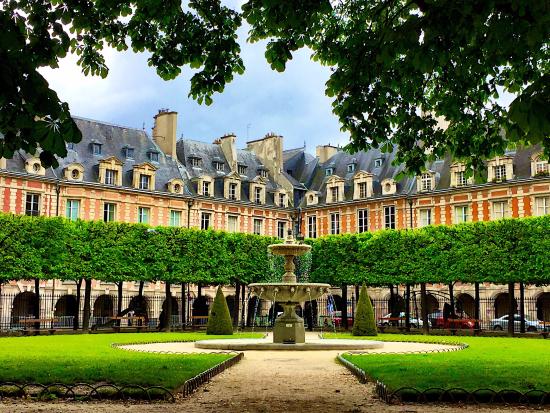
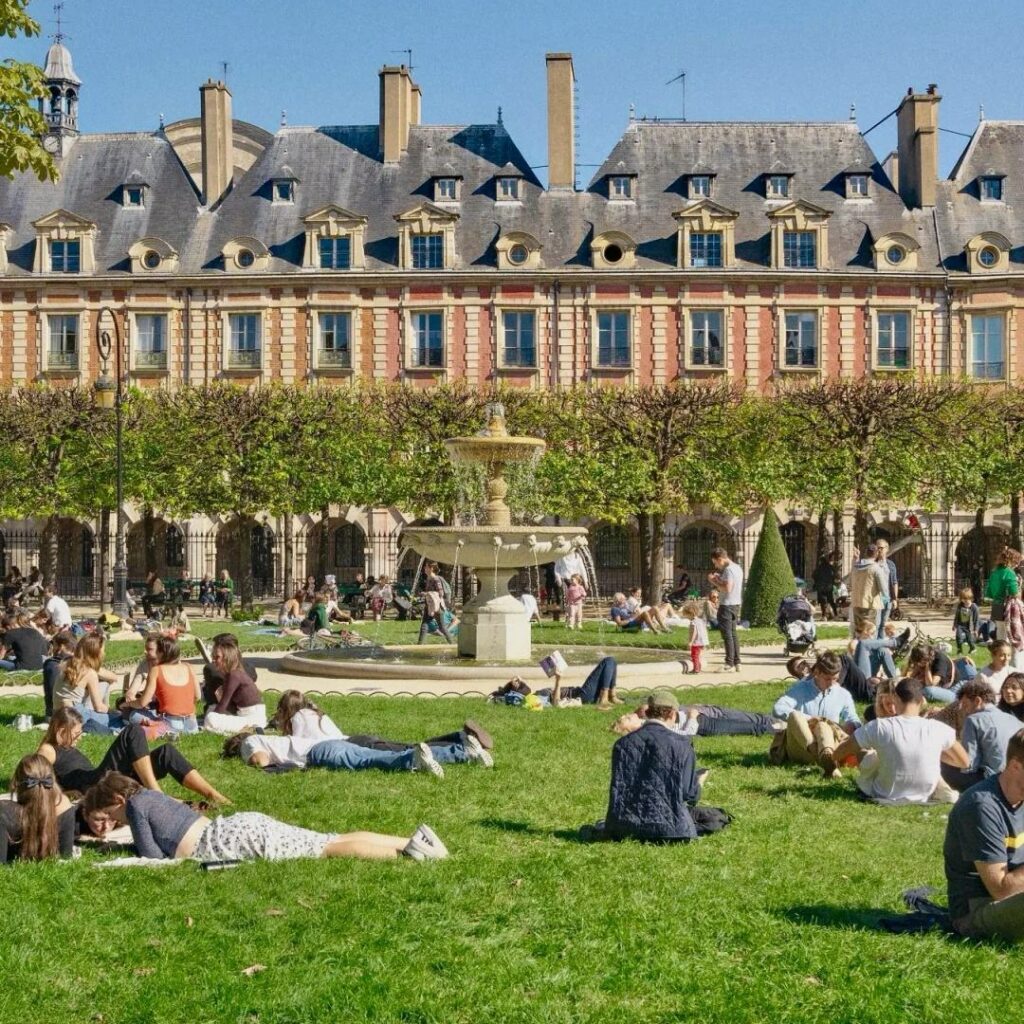
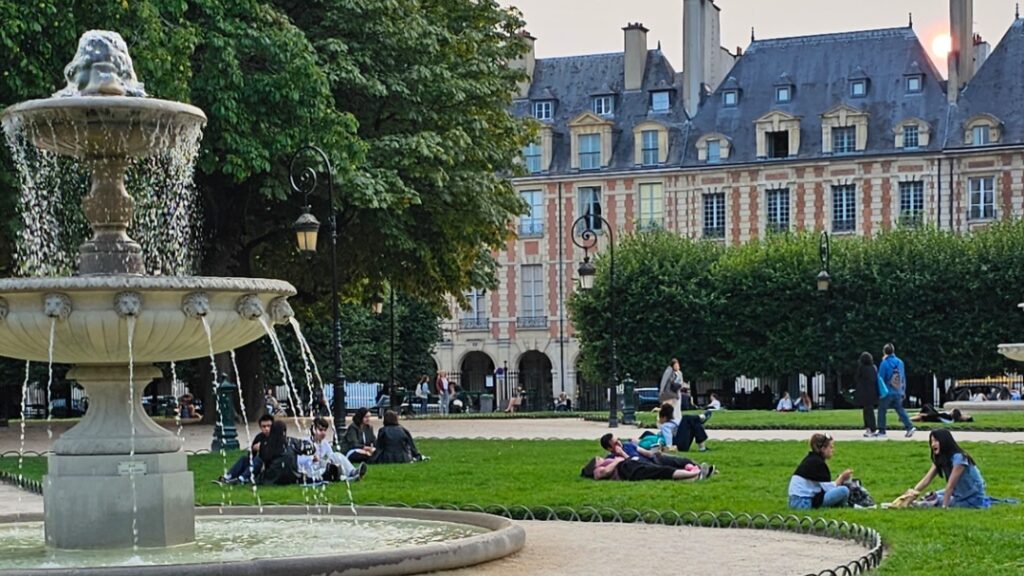
Still in Le Marais, and near to my apartment, is the grandest, the leafiest and the oldest square in Paris, Place des Vosges. If there’s room on the grass on a pleasant summer’s day, it’s a lovely place for a picnic. Sometimes though it can be a bit cheek by jowl.

In the far corner of the square, under the arches was the last home of France’s most famous novelist, Victor Hugo, he of Les Miserables and The Hunchback of Notre-Dame fame. The building is now the Victor Hugo museum. If, like me, you are a geek in these things, a visit to the great man’s house is a must.
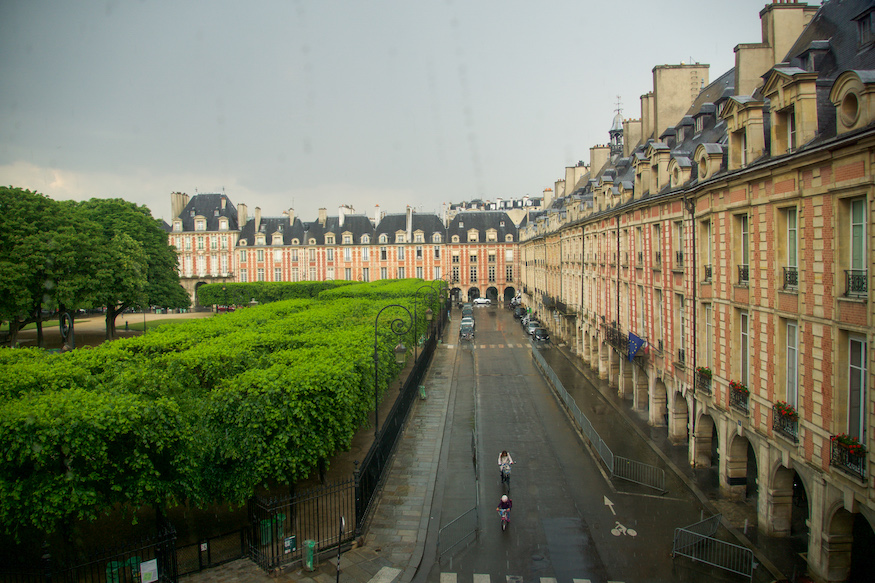
He lived, sumptuously at the end of his life here at No. 6, Place des Vosges. I thought I’d pay a visit.
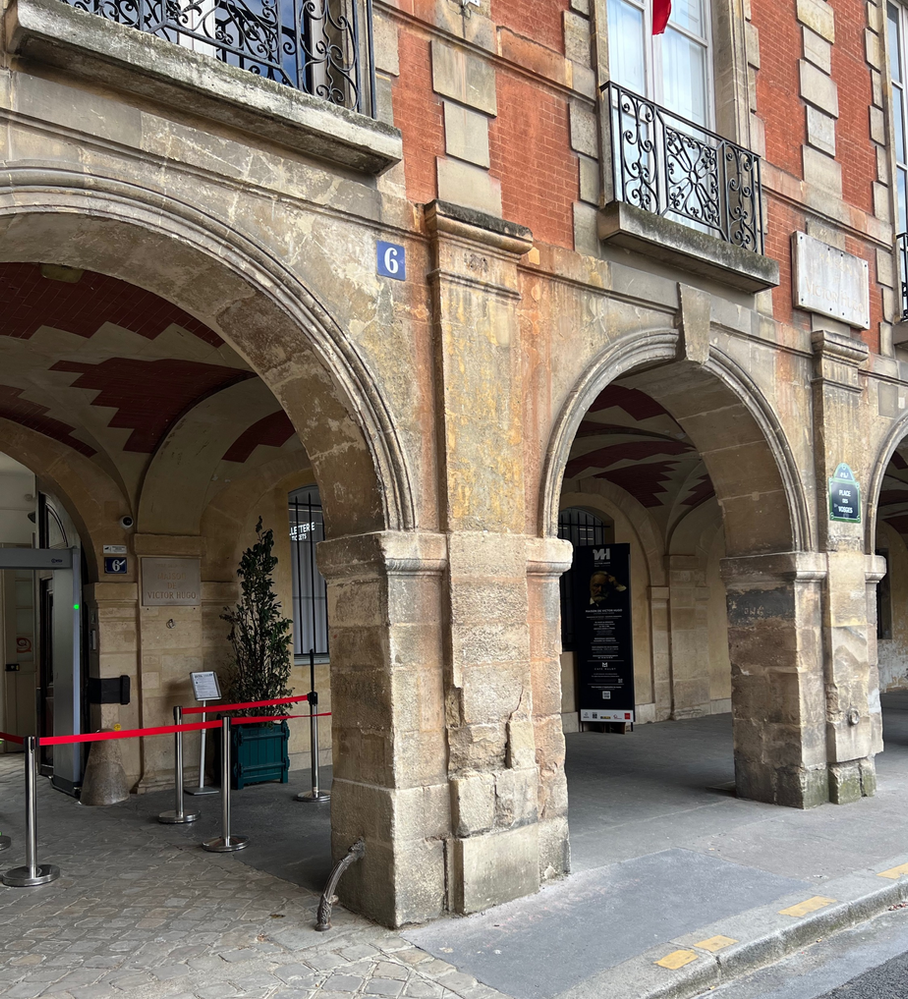
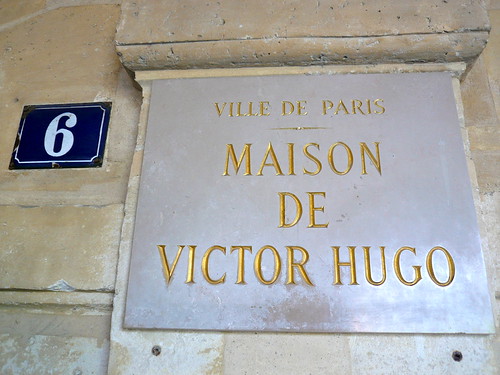
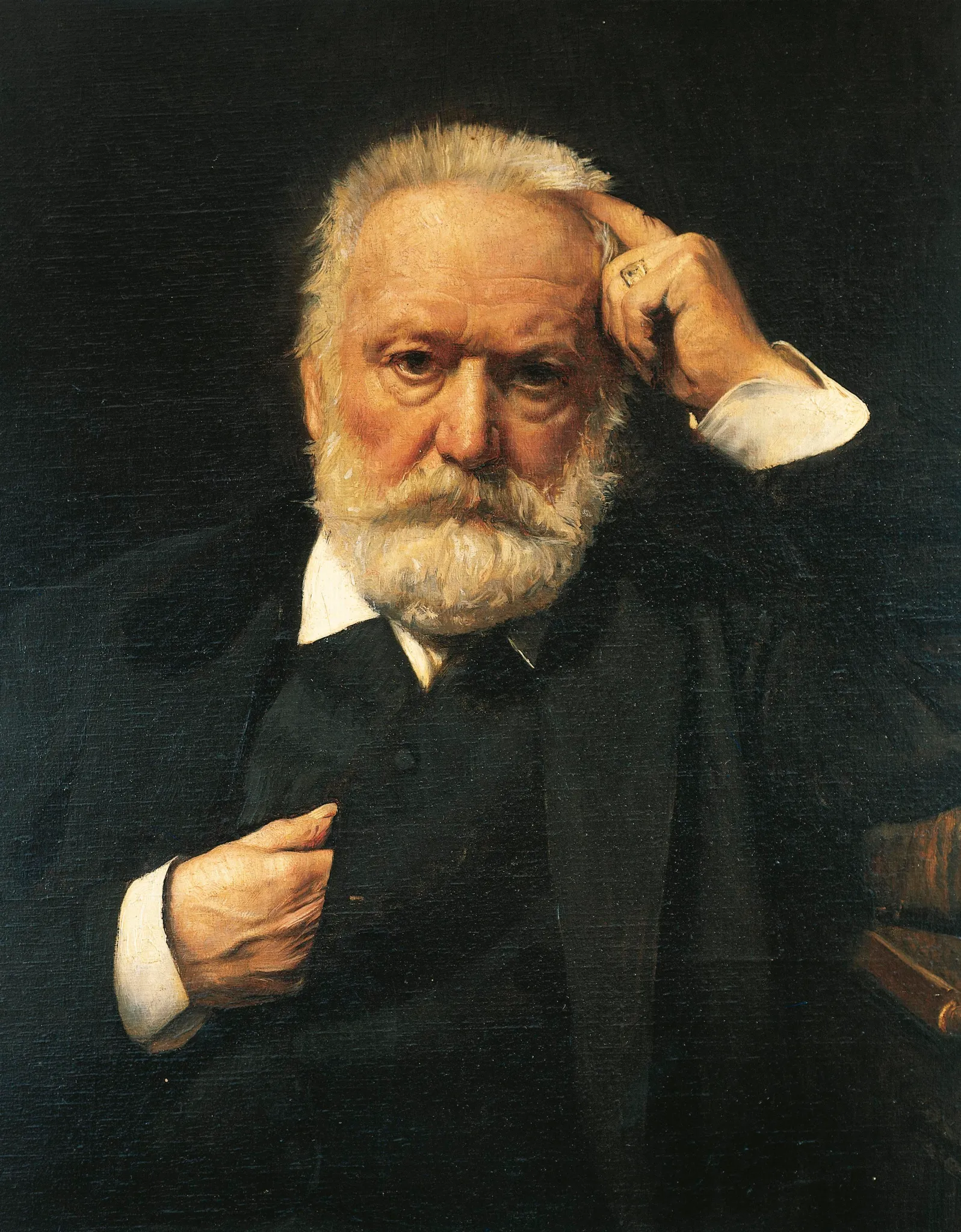
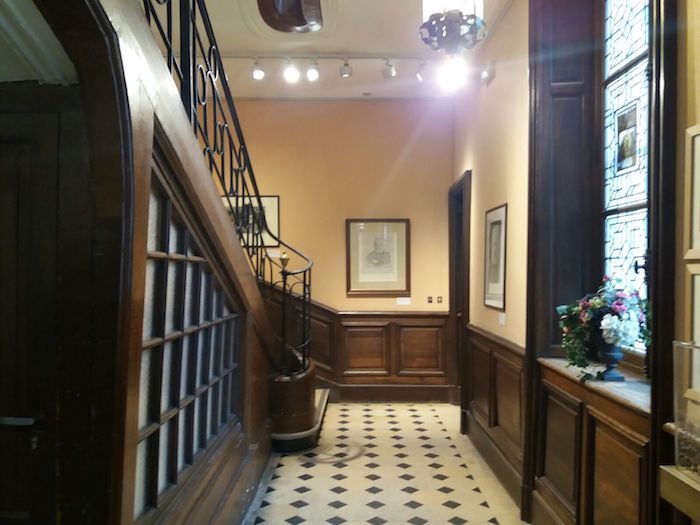
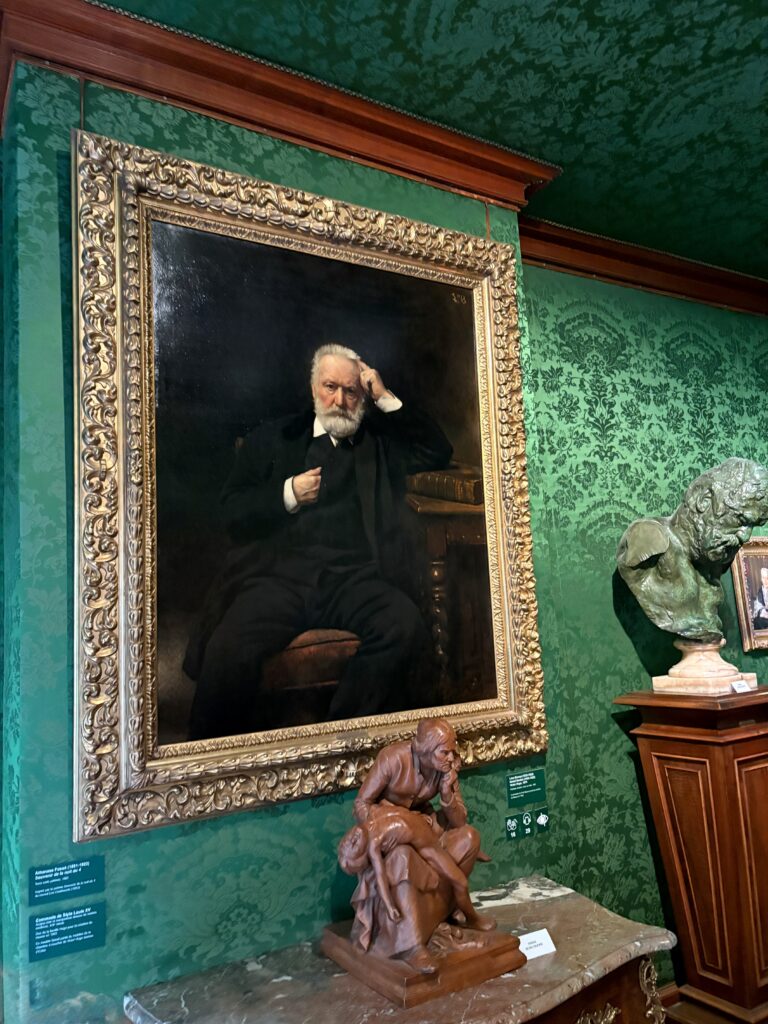
It did feel spooky, in a good way, to walk round this beautifully preserved apartment, with its high 19th century decor, on a day when the museum was almost empty. It really did feel like Victor Hugo could have walked in at any moment. His writing quill was in place on his desk and I could imagine him writing Les Miserables here with just the ticking of a stately clock to break the silence.
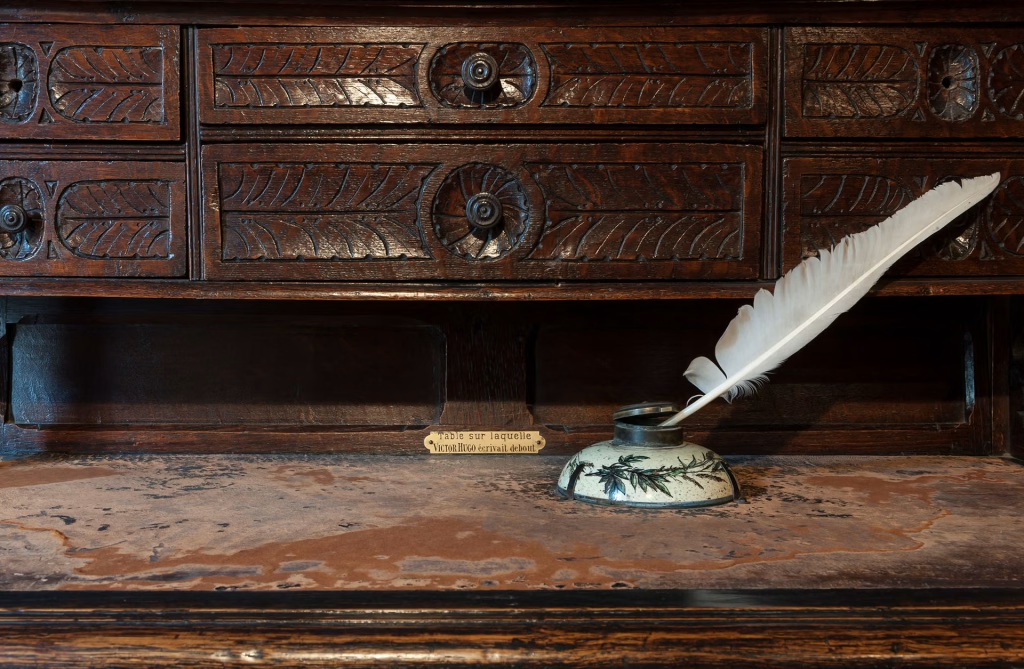
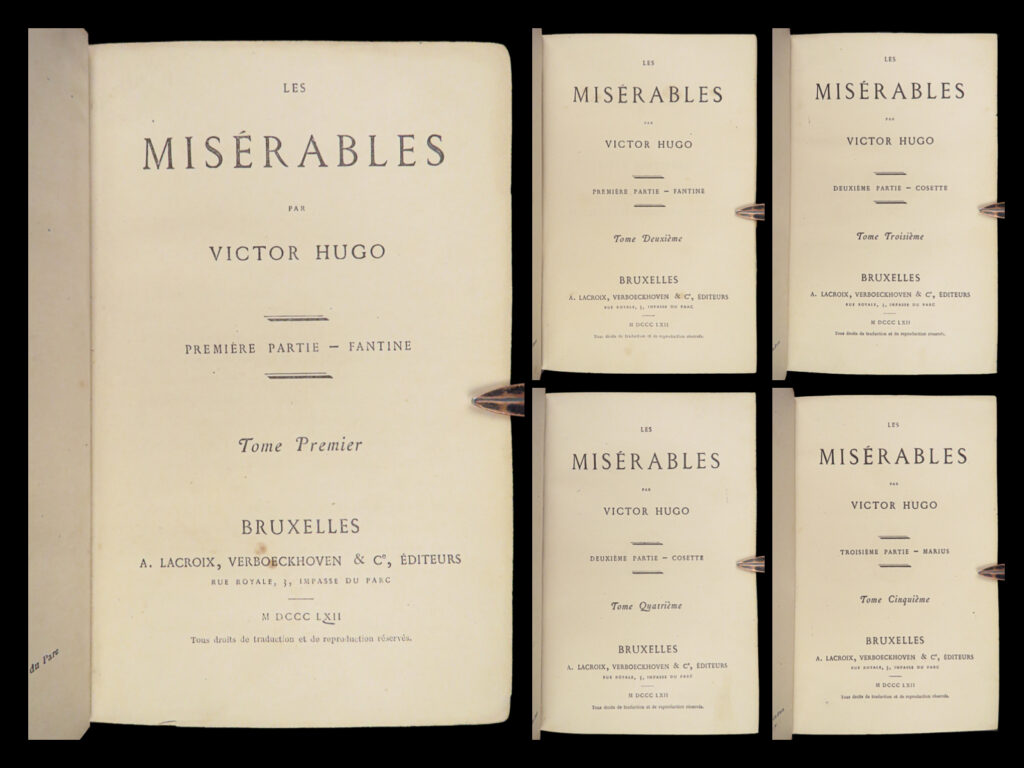
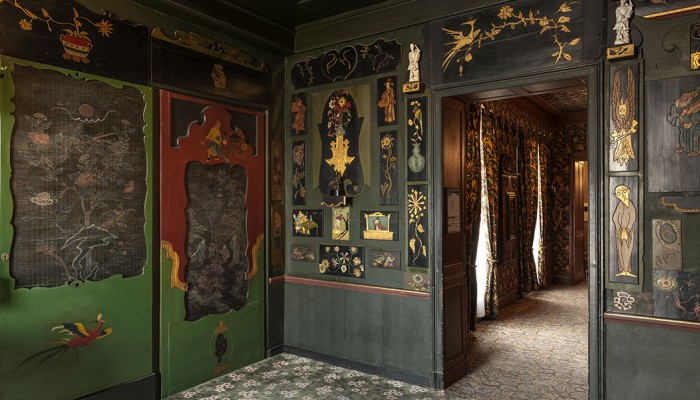
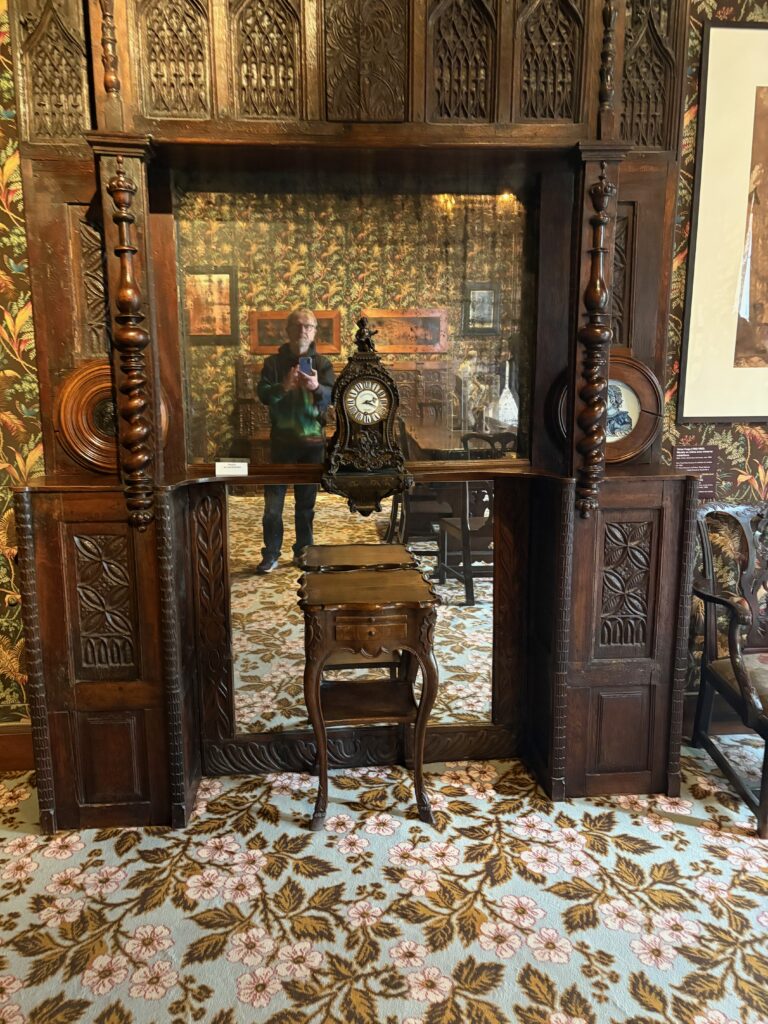
And then there was his bedroom with the grand four-poster bed where he died 22 May 1885. I have to admit that I felt a shiver down my spine.
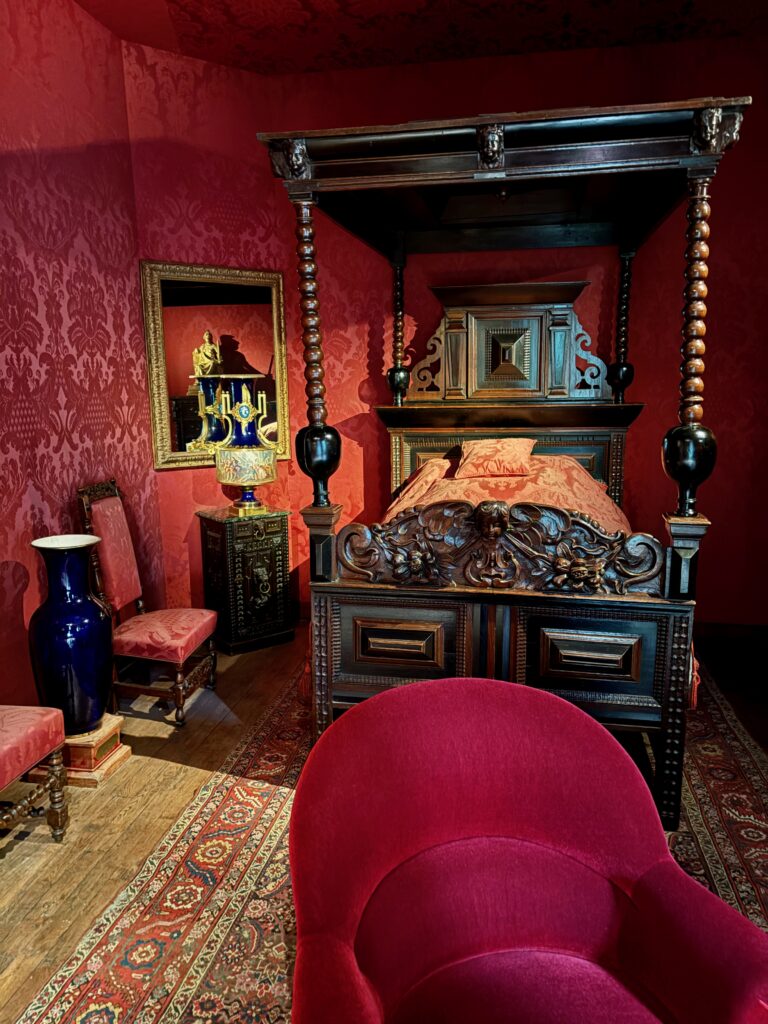
The passing of large personalities leave its mark, I believe, and I could definitely feel some of his charisma still lingering here over his bed.
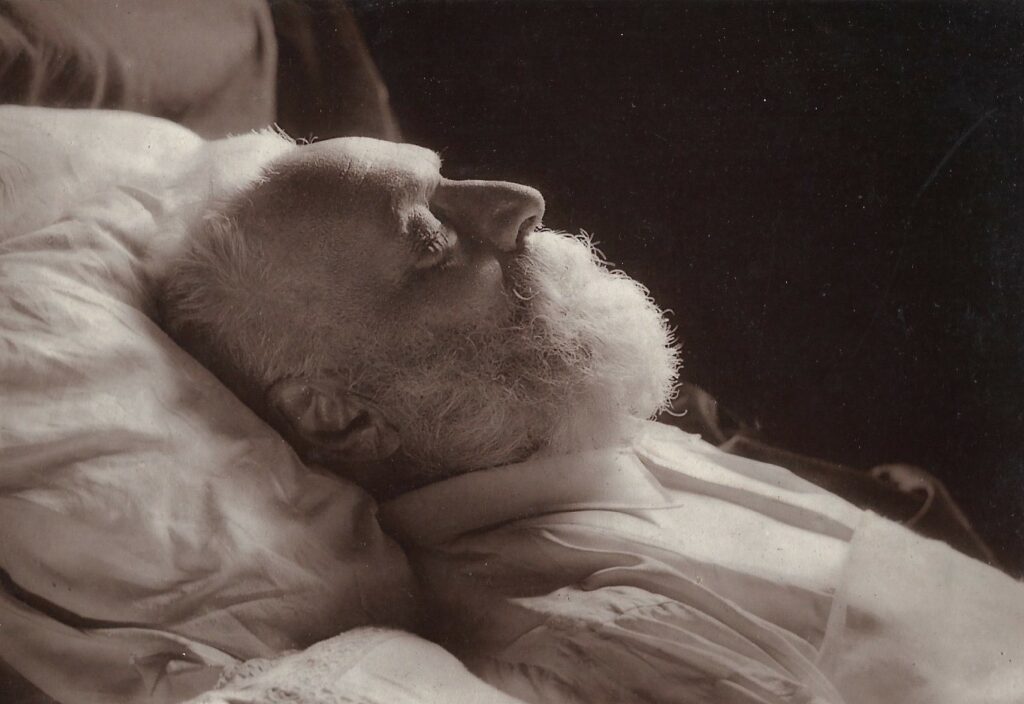
Nadar’s son, Paul, accompanied his father to take this photograph and, in 1928, he gave this eye-witness report to the film-director Carlo Rim (1902 – 1989):
“Hugo laid out on his great big four-poster bed, his nightshirt and pillow all wrinkled, his hair on end, his rather large nose not yet emaciated by death. An old worker sleeping peacefully after an honest day’s work. My father had not wished to carry a lot of material. Victor Hugo’s deathbed photo was taken by nothing but daylight and lamplight… The last time his face was lit was by the sun… This shot, taken by my weeping father, may well be his masterpiece… ”
So that is about it for my memoir about two of my visits to Paris since June 2025. Looking back at the photographs has allowed me to return to a city that I hope to revisit regularly and often from my home on the other side of the English Channel, or as they say in France, La Manche.
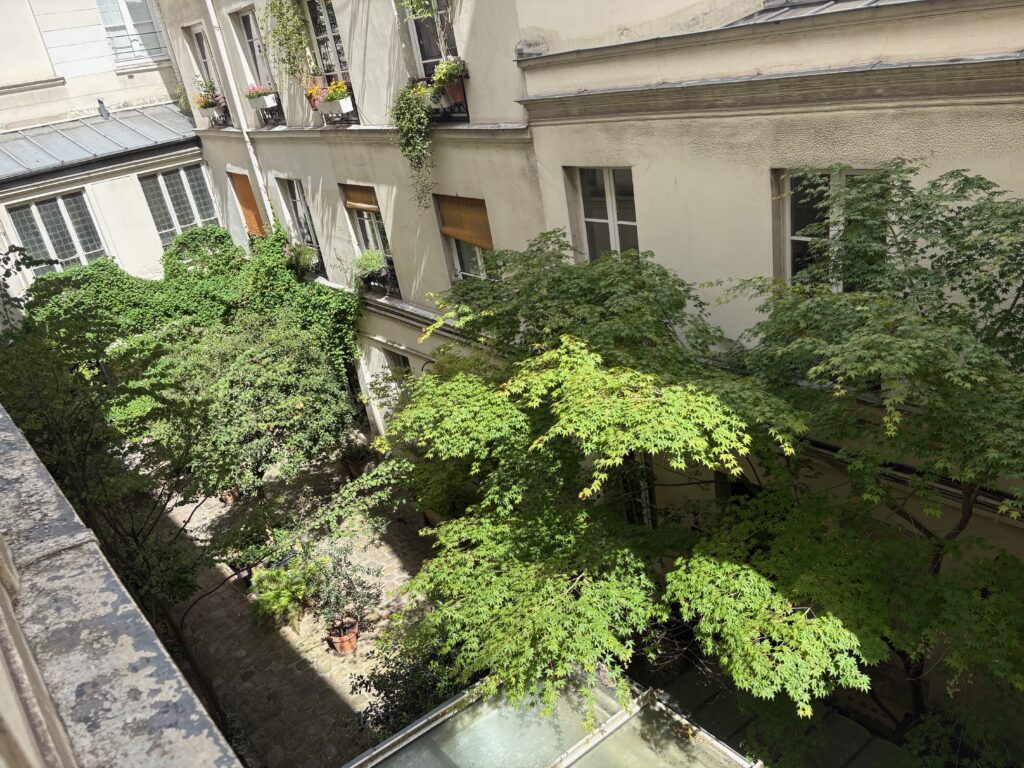
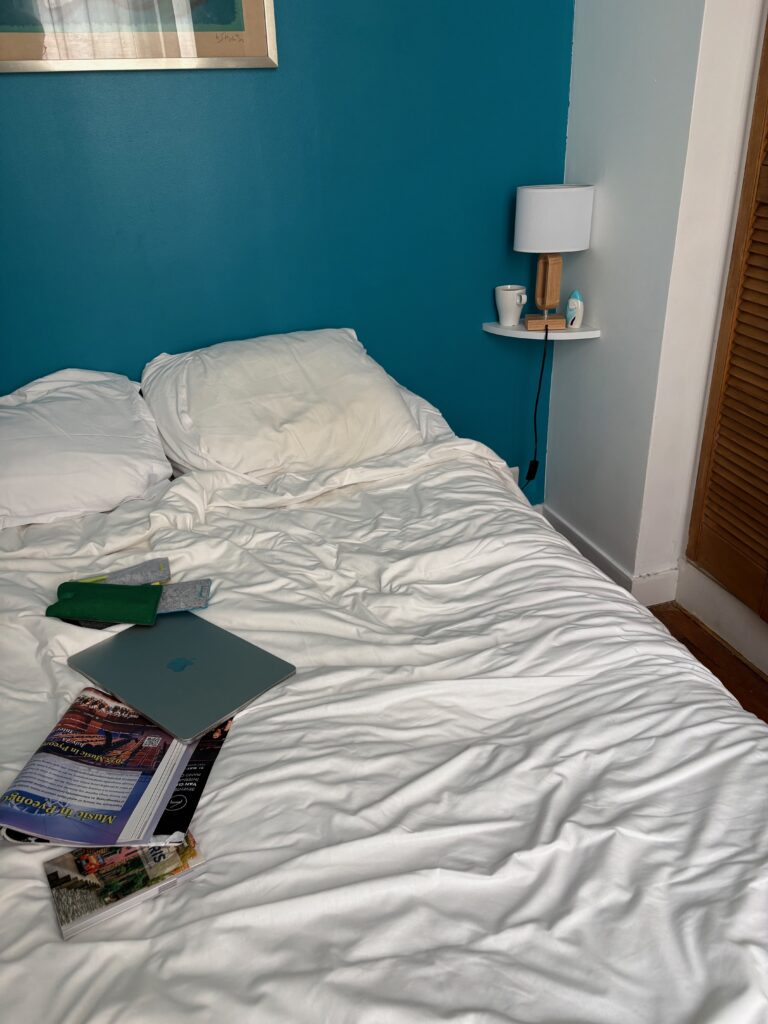
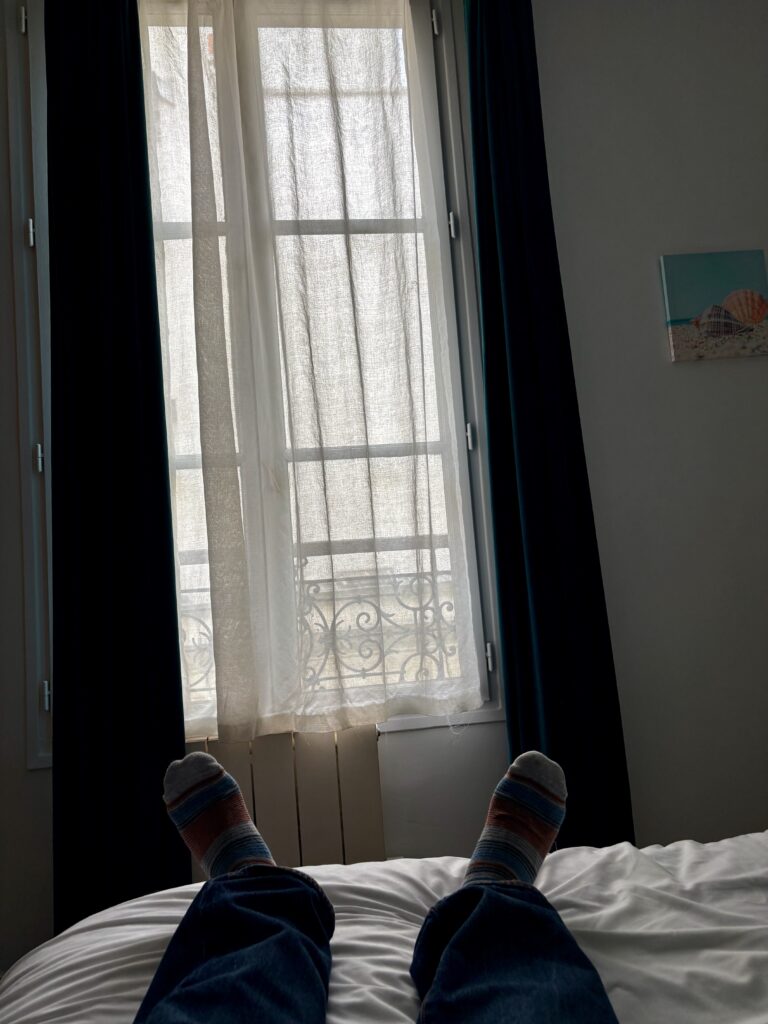
Back in the Le Marais apartment, after all that walking, I fancied a little lie-down, but after visiting the death-beds of two writers, I hesitated before closing my eyes. Au revoir Paris, et merci.