

Cathédrale Notre-Dame


In June 2025, I was lucky enough to get tickets for one of the first concerts to be held in the recently reopened cathedral of Notre Dame in Paris. I thought going to a concert might be the best way of seeing inside this landmark building, knowing how crowded it was going to be after the great drama that had made it headline news around the world in 2019.
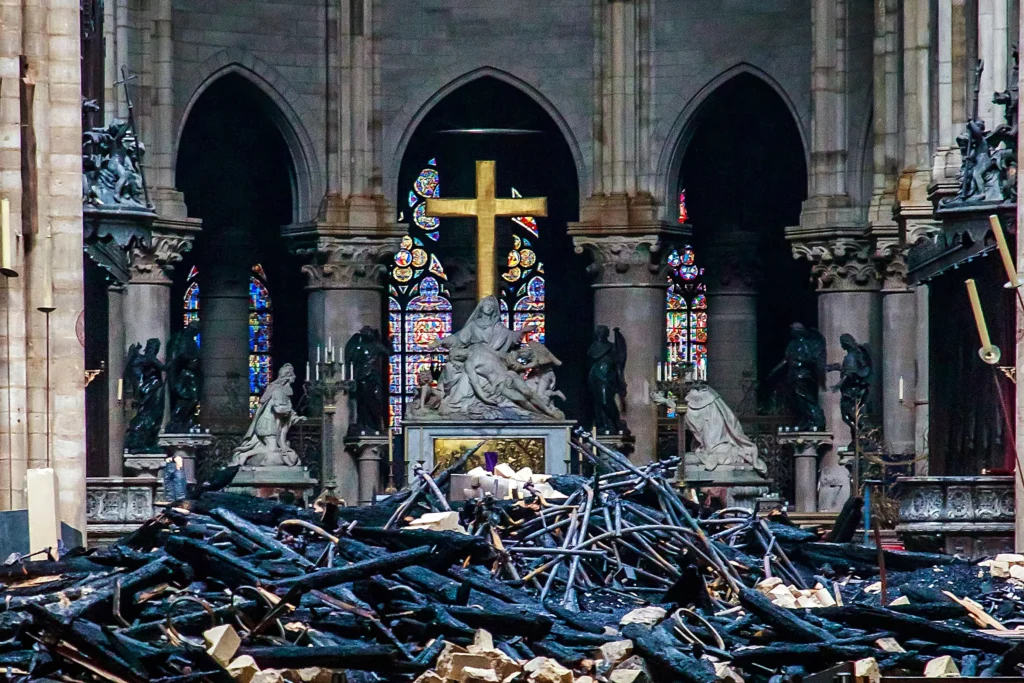
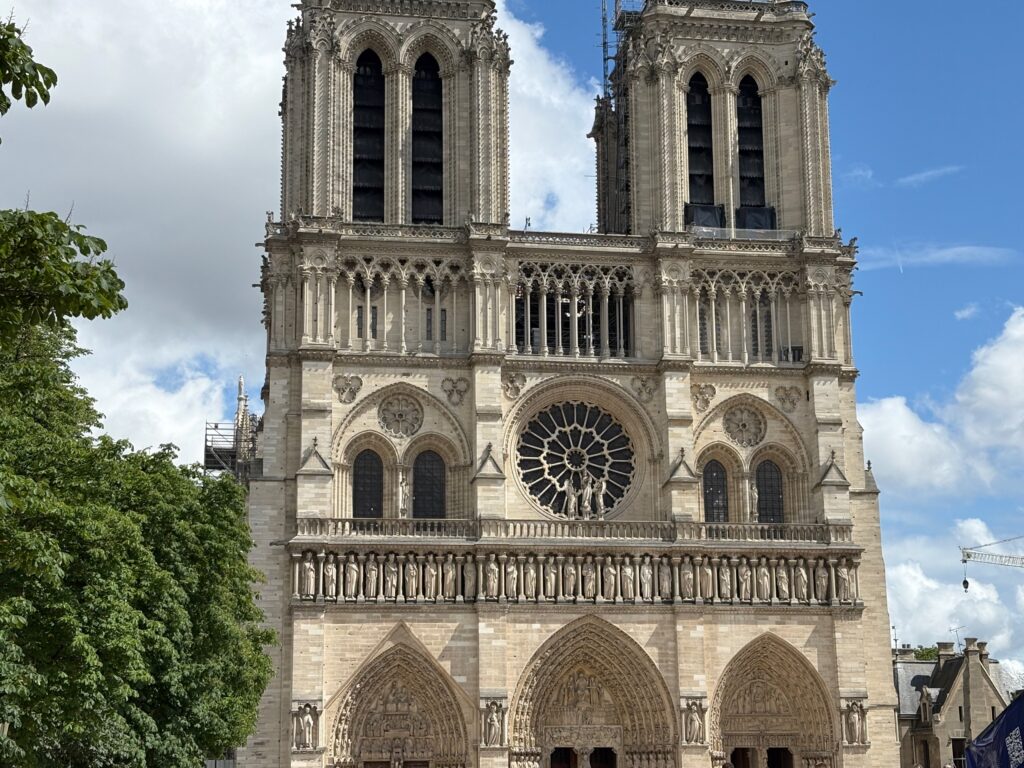
After the apparent ruin left after the fire that raged through this historic landmark, restoring the cathedral to this pristine building on display six years later will be seen as one of the greatest examples of medieval restoration in modern times . Buying concert tickets meant that I could not just hear the music, but sit for a couple of hours looking at the, sparklingly clean, freshly restored French Gothic architecture built between 1163 – 1345. I’d last visited it in 2013 and remember a dark church with centuries of dirt on its walls. The near tragedy of the fire lead to a great achievement by the of architectural restorers who have recreated the cathedral almost as it would have looked in 1345. I was truly excited to see the result for myself.
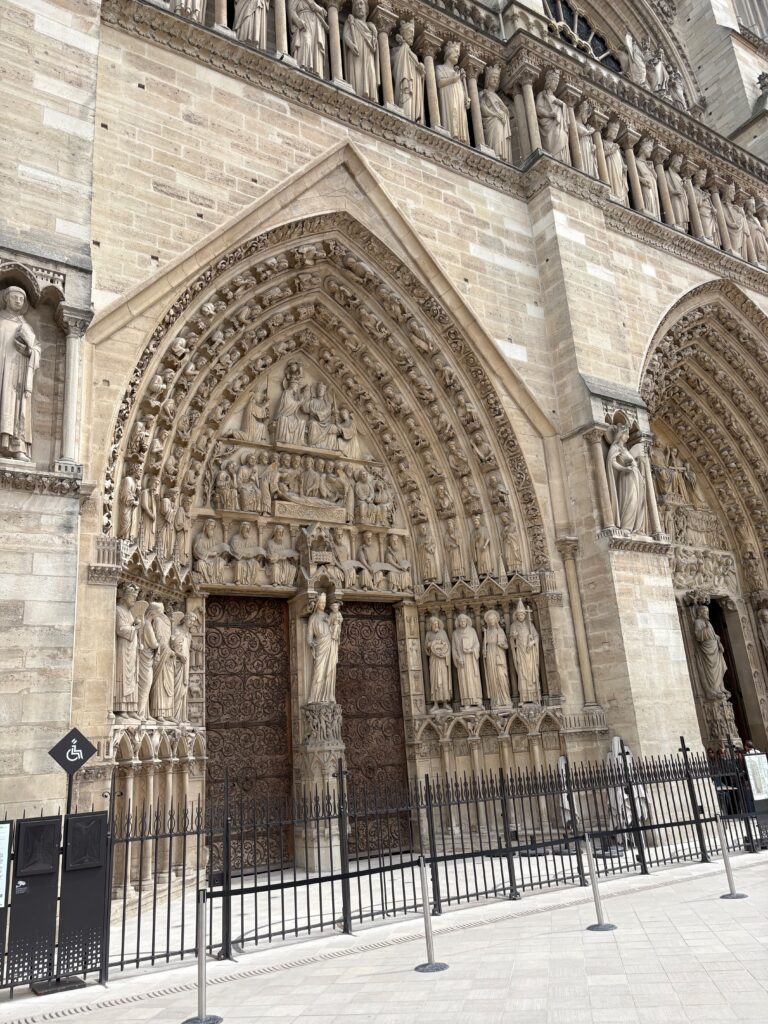
The cathedral’s architecture and its place as one of the great Gothic buildings of Paris, was made into a symbol of old France by the great Victor Hugo (1802 – 1885), the novelist, poet and activist. One of his most famous works, the Gothic novel about the cathedral and its most famous inhabitant, Quasimodo, the hunchback, was intended as a polemic against the apparent destruction of Paris’ medieval architecture.

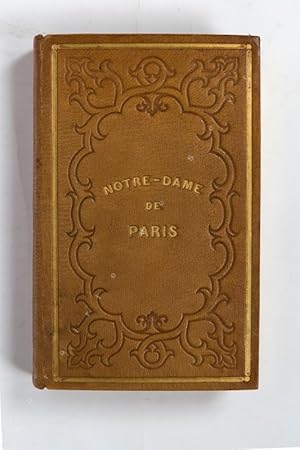
His 1831 novel, Notre-Dame de Paris, known these days mostly as The Hunchback of Notre-Dame, was intended by the author as a manifesto and a plea for the preservation of Paris’ medieval architecture at a time when there were already plans to demolish whole parts of central Paris. After the book’s publication, he was annoyed that Quasimodo and his love for the beautiful Esmerelda, had stolen the limelight from 15th century Paris itself.
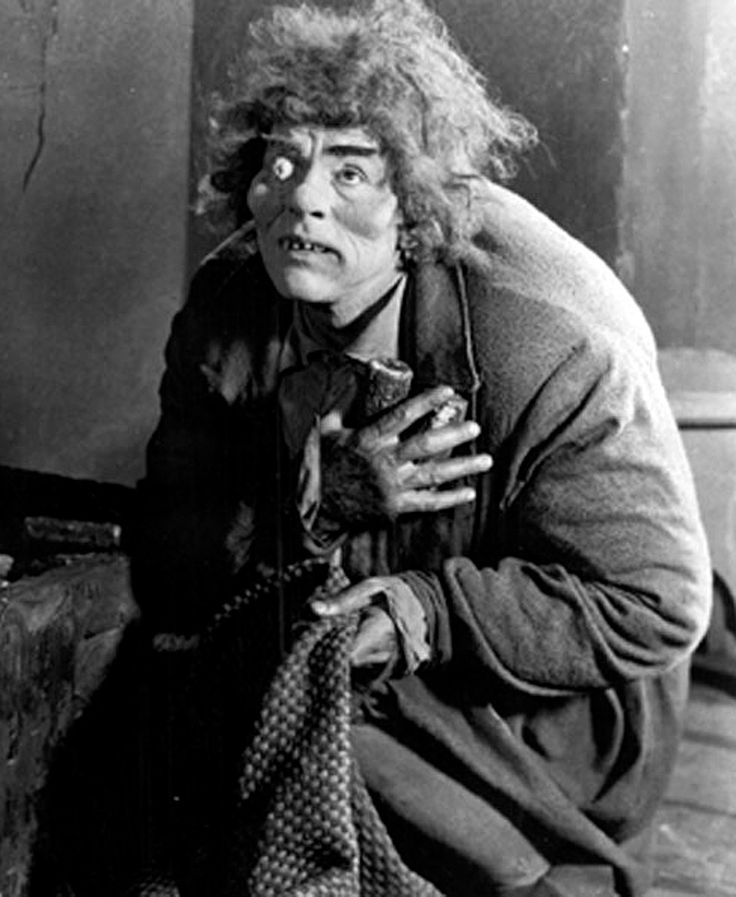
Quasimodo had by the 20th century become a film star in two classic movies with great actors (Lon Chaney and Charles Laughton) in what is now considered the title role. Hugo might have preferred the 1923 film which is closer to the original story.
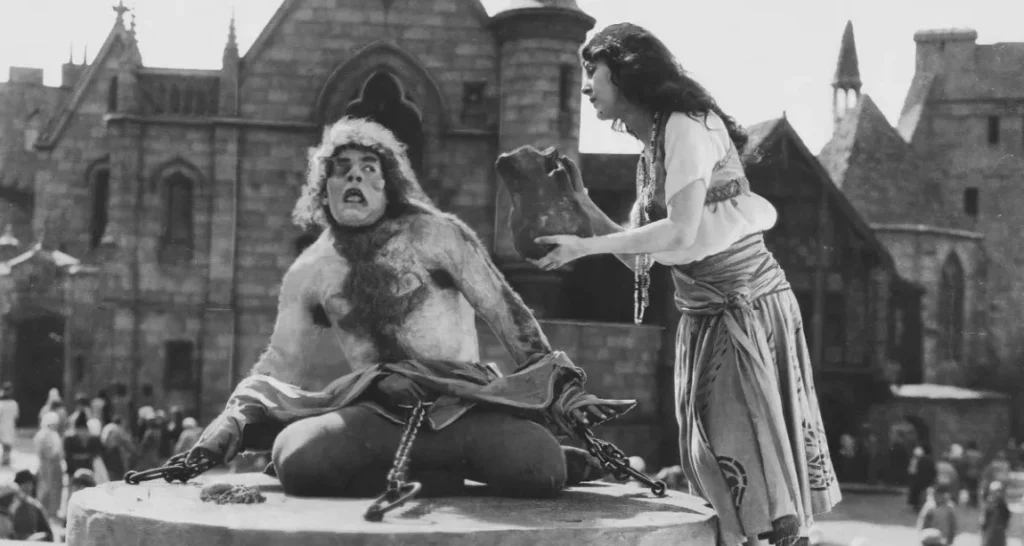
If you have the time, here’s a five minute clip of Lon Chaney’s iconic performance. https://youtu.be/KkB2DyoQakU?si=Qu3lYrDvg-IHeL3U
Victor Hugo deserves some credit for the preservation of Notre-Dame, but he lost most of the battles against Baron Haussmann’s virtual demolition of medieval Paris. I think he would have been thrilled by the new Notre-Dame, even though he grieved for many of Paris’ old buildings. If you are interested in his plea for medieval Paris, read the long first chapter of Notre-Dame de Paris. tHugo begins his novel without any of the characters from the story, instead it is a paean, an essay, to what we have lost. Bravo Victor!


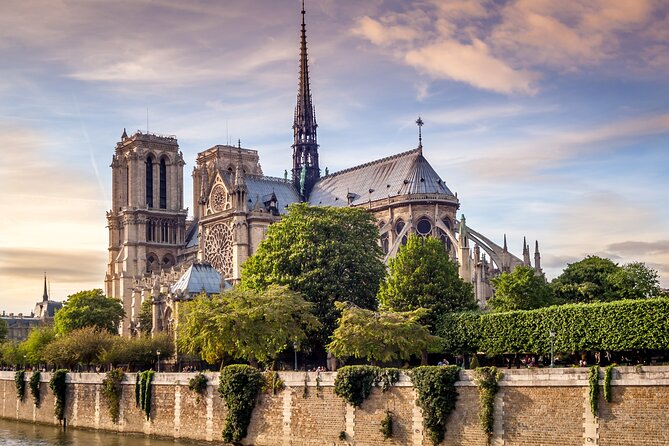
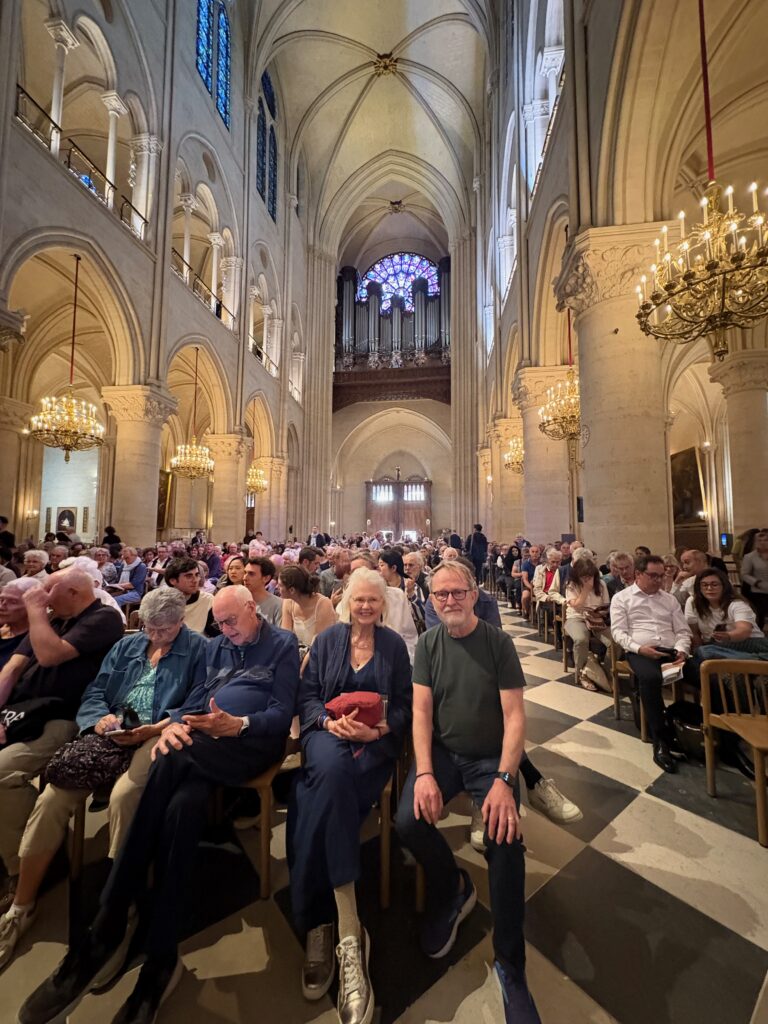
Back to 3 June 2025, and that concert at Notre-Dame. I had tickets for the first organ recital there since the cathedral and the organ’s restoration. The original 19th Century Cavaillé-Coll organ could have been lost in the fire, but amazingly, it survived and, after much work, was ready to be heard regularly in public again. I’d bought my ticket months earlier and, when I arrived at the cathedral I was glad that I had booked.
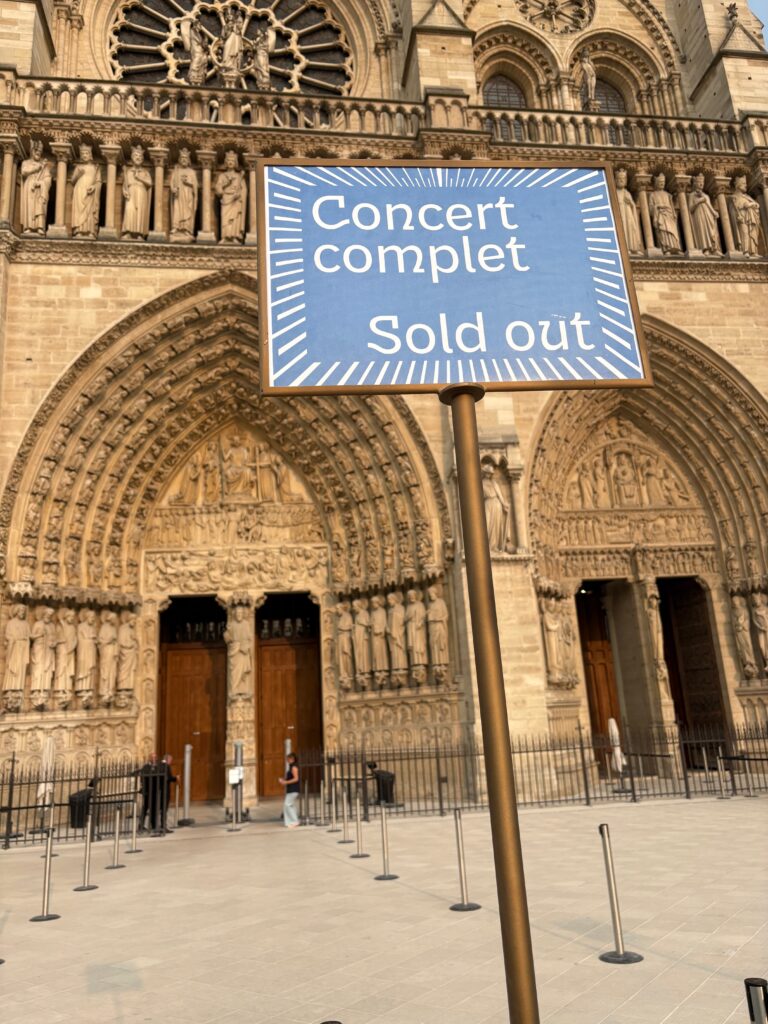
I’d arrived early because I wasn’t sure how or where I would get in. There was nobody in a queue – there wasn’t a queue – maybe I was the queue. I was definitely at the front of it as the next hour unfurled when I discovered that there were no numbered seats. When the doors opened, I was first inside and, well, the sight of this mighty building in its virgin state and empty, was deeply memorable. I hope the pictures tell the story without words.

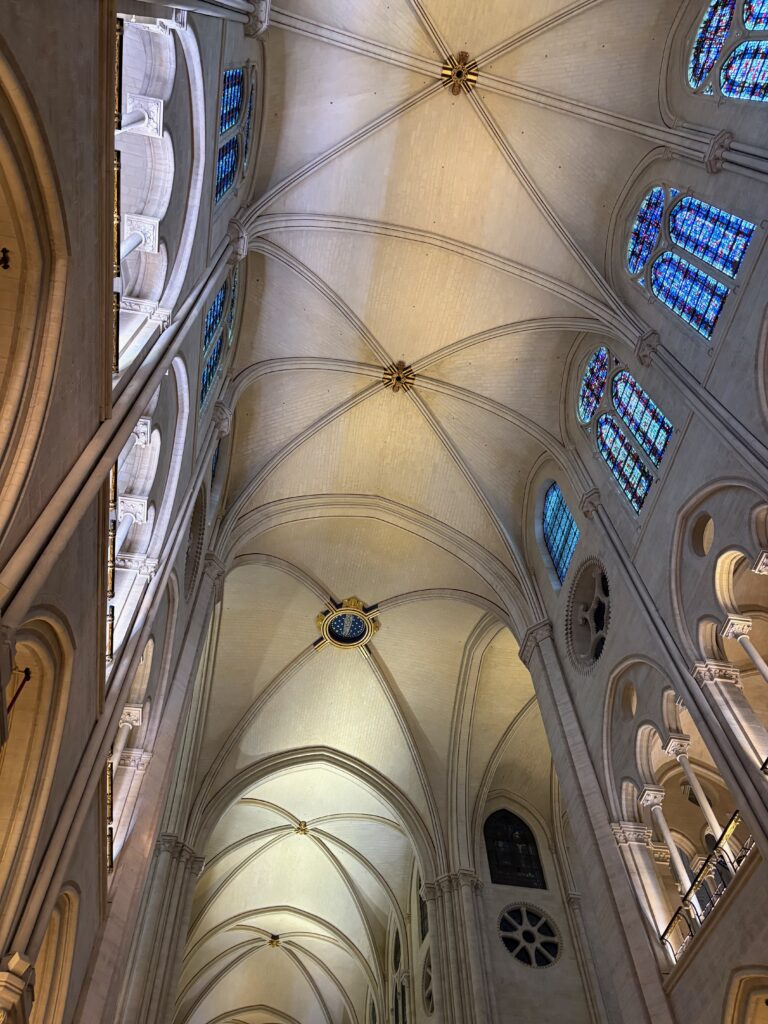

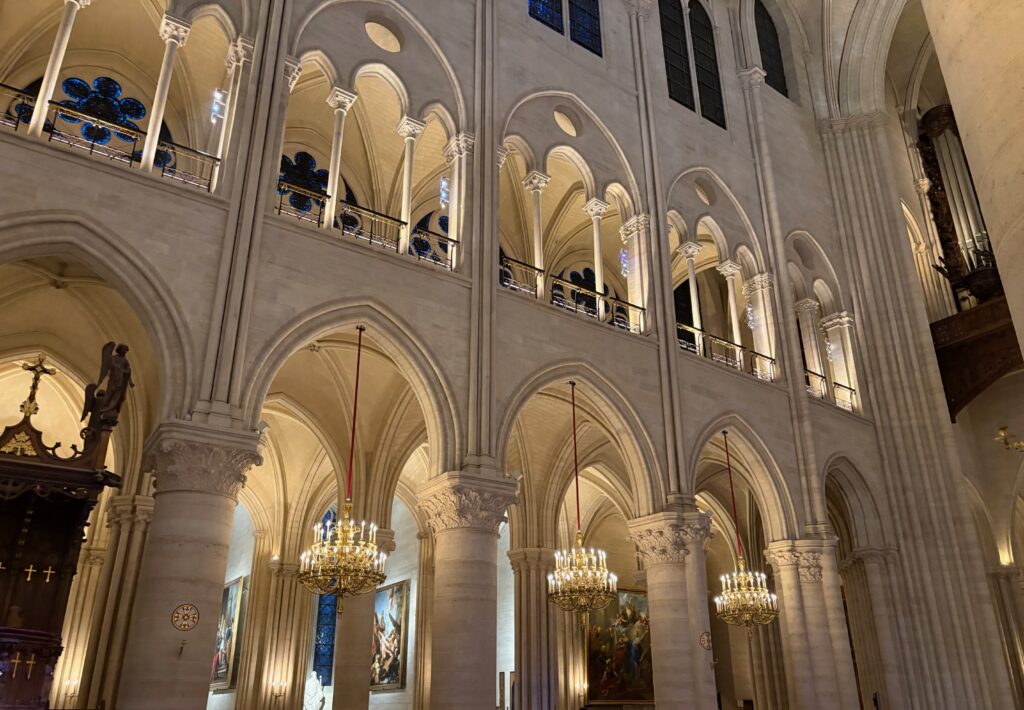
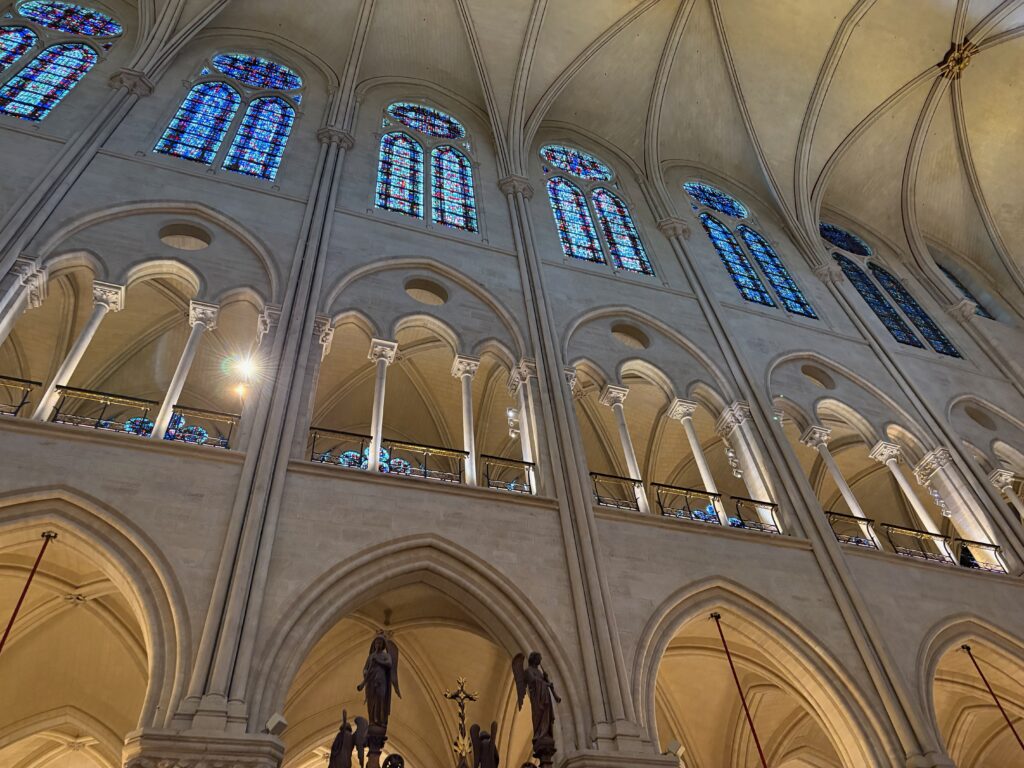


The other ticket-holders filed in behind me and soon the cathedral was full. The organist was Jean-Pierre Leguay (b. 1939), the distinguished French organist and improviser, formerly a student of the composer Olivier Messiaen (1908 – 1992), and a former titular organist at Notre-Dame and now titular organist emeritus.


Jean-Pierre Leguay is known as a master improviser, an art-form practised by many French organists and his style, as Messiaen’s pupil, isn’t immediately listener-friendly. The cathedral made the ideal listening studio for his pieces which deal in the less than obvious – gradual transformation, fractured sonorities, filigree textures and sudden almost violent sonic events. This is not typical “French organ grandeur” and some members of the audience obviously found it perplexing. His music could be described as sound architecture and, as such, it was definitely heard to its advantage in the very architecture that its composer has known so well for decades. I, for one, was happy to go on this architectural musical voyage in such an awe-inspiring piece if architecture.

Sainte-Chapelle
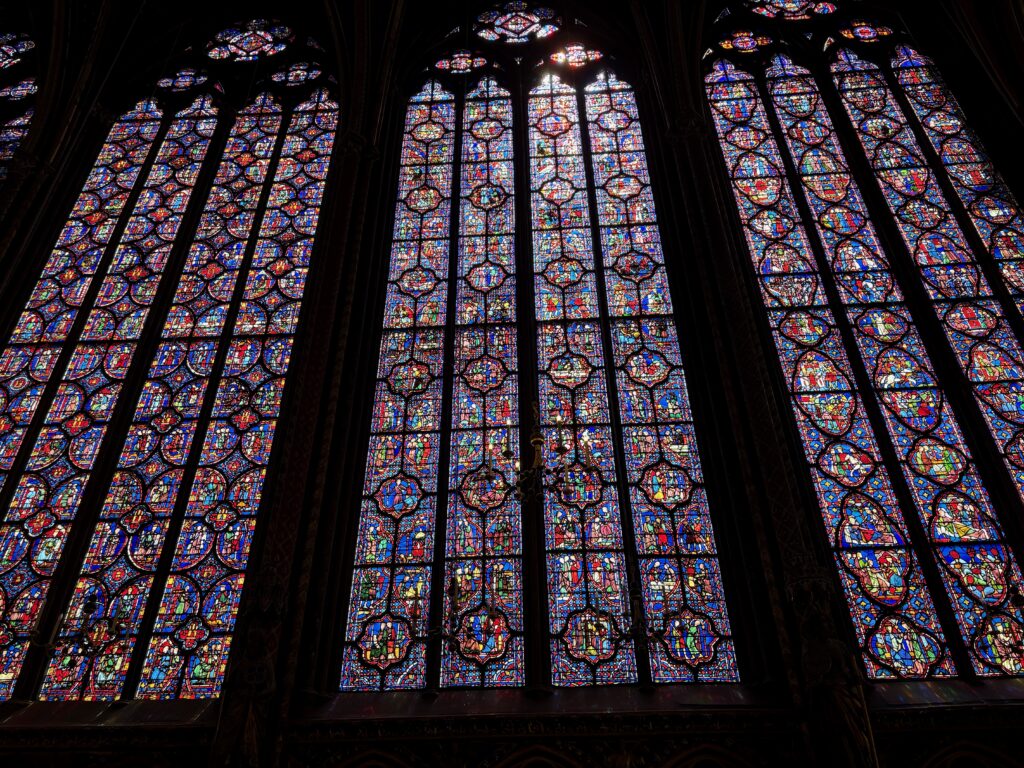
Less famous that Notre Dame, but certainly no less beautiful or less historically significant is the nearby Sainte-Chapelle, built in the 13th Century under the close supervision of King Louis IX (1214 – 1226), later to be canonised for his apparent piety as Saint Louis of France. Victor Hugo must have been very relived that it wasn’t demolished in the 19th century. The chapel was built to house a recently acquired relic, said to be the crown of thorns worn by Christ at his crucifixion, la Sainte Couronne d’épines. Louis had bought it in 1238, from Baldwin II, the Latin Emperor in Constantinople who needed the money to pay off his military expenses. In those days, if you had enough money, you could buy practically anything. La Sainte-Couronne is now held in the reliquary at Notre Dame.

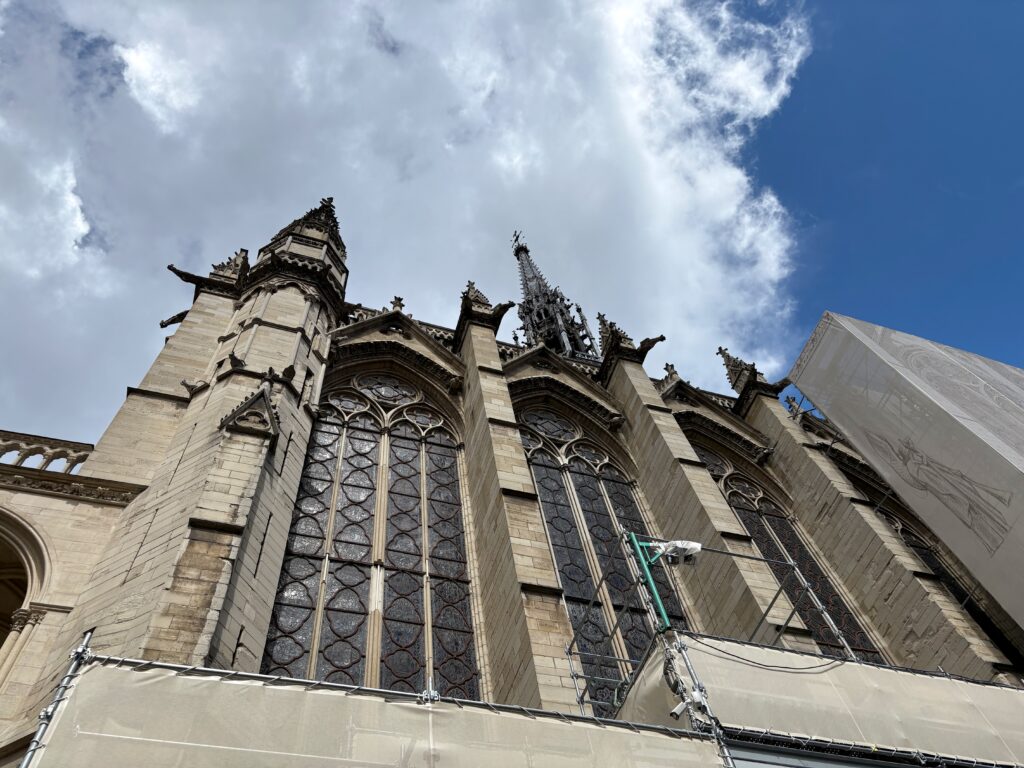
I had seen images of this extraordinary building and always wanted to visit it to see if it’s beauty was exaggerated in photographs or film footage. There was no exaggeration, it is simply one of the most beautiful buildings that I’ve ever seen.
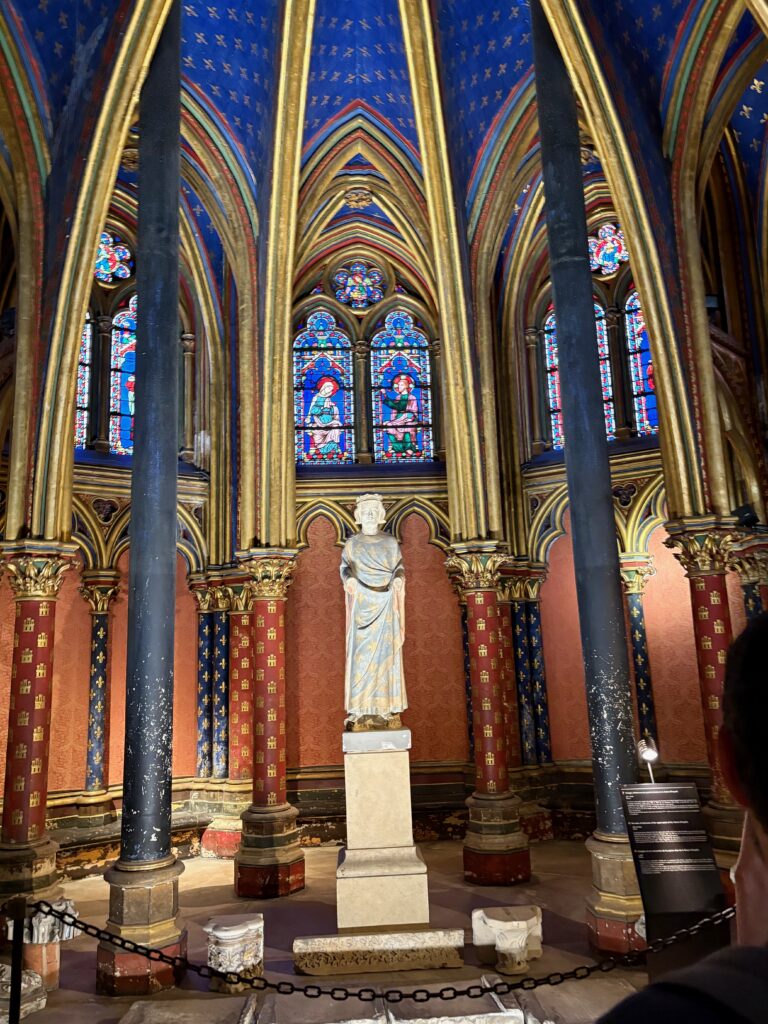
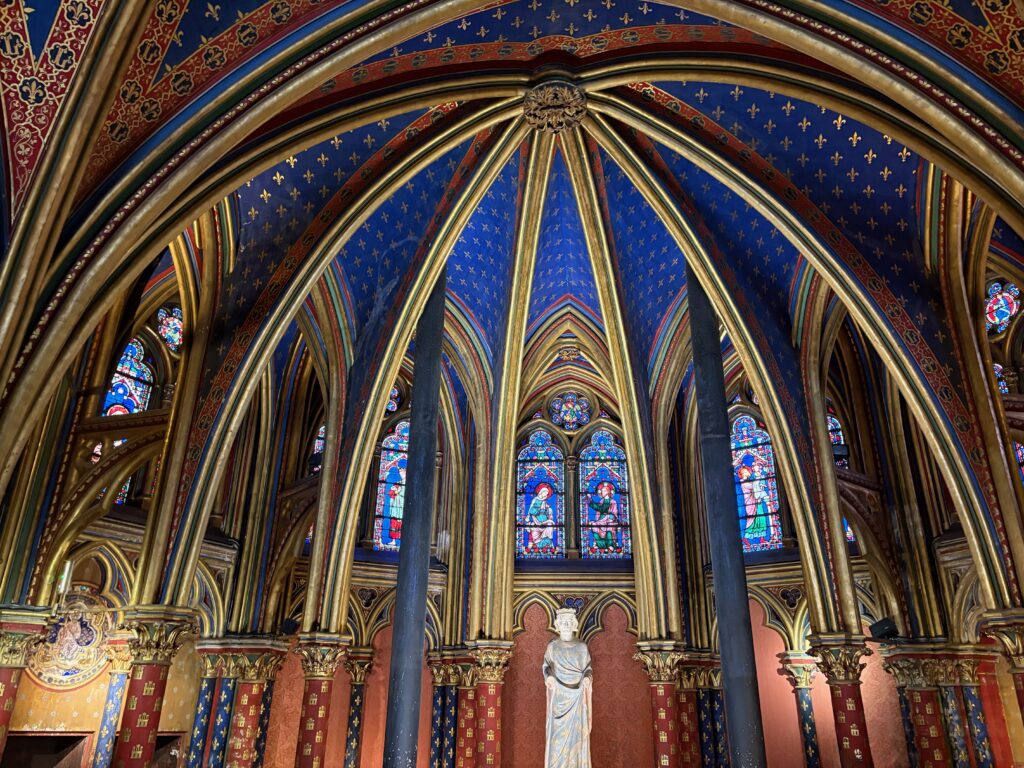

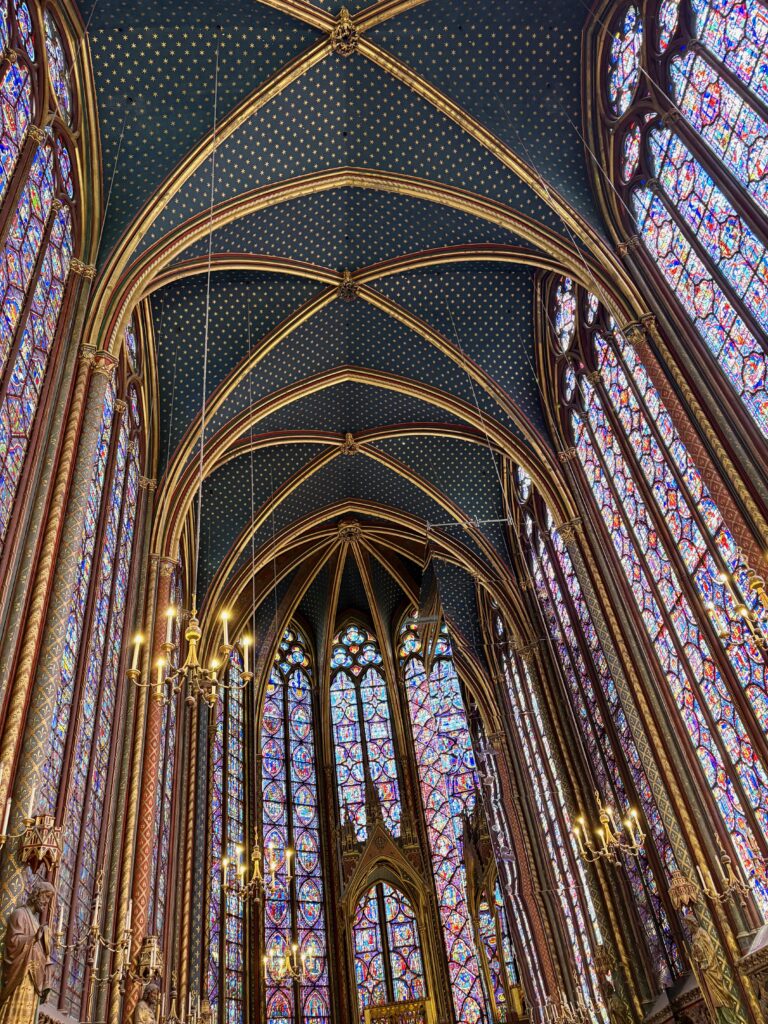
With or without it’s most famous relic, la Sainte-Chapelle is still one of the most beautiful churches anywhere. Known, most of all for its sensational stained glass windows, the most perfectly preserved and most complete 13th century stained-glass in the world. The building is designed as if it is one large reliquary – a sacred object in its own right. It has to be seen to be believed.

La Madeleine
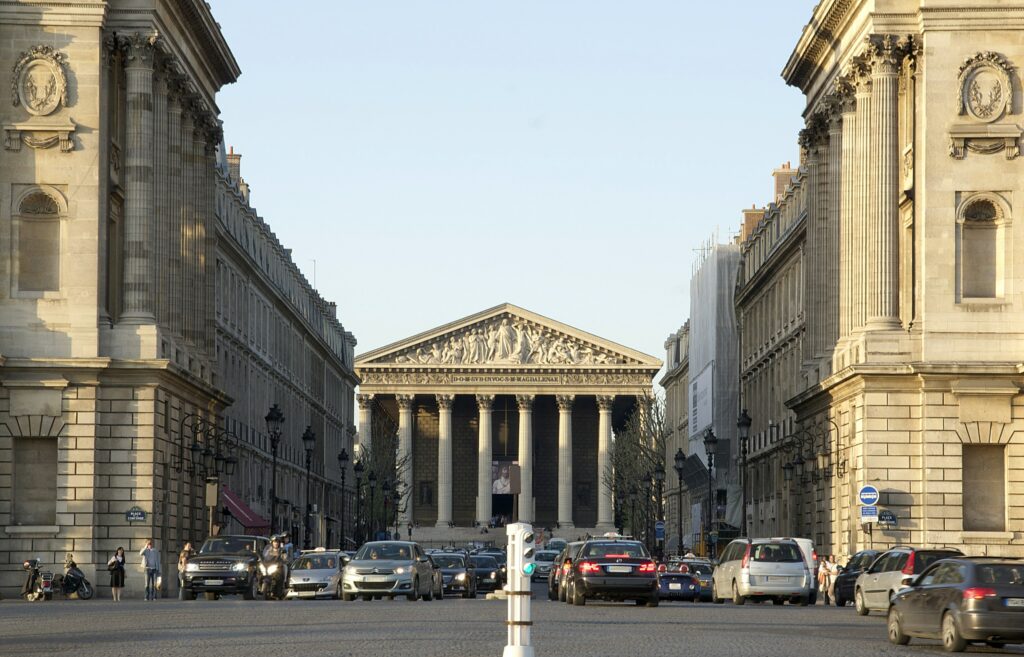
The church in central Paris, just off the place de la Concorde, known as La Madeleine, is officially called L’église Sainte-Marie-Madeleine, it was dedicated by King Louis XV in 1765, but the building was interrupted by the French Revolution in 1799, and the building was postponed once more when Napoleon ordered a new neoclassical building in 1806, with Corinthian columns to resemble a Grecian temple, le Temple de la Gloire, to be dedicated to the glory of his armies, and, presumably, to the glory of himself.

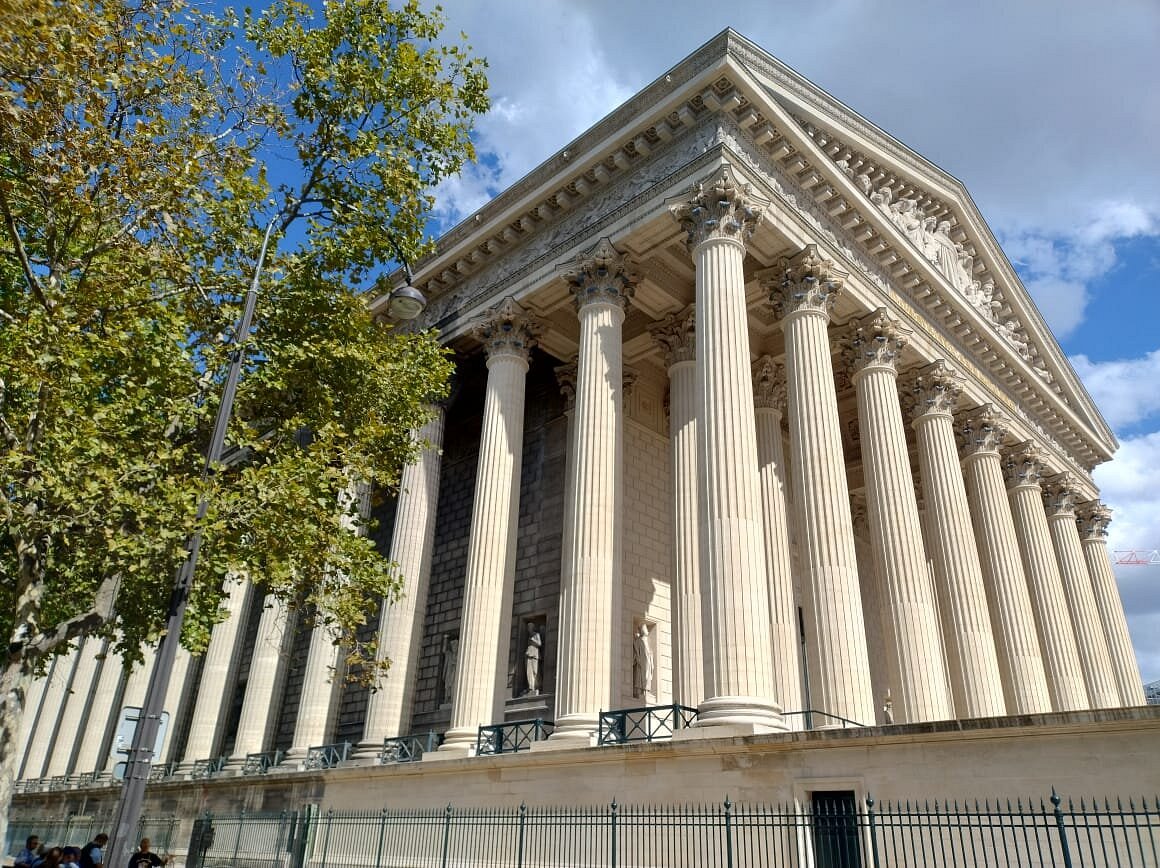
Napoleon commissioned the architect Alexandre-Pierre Vignon (1763 – 1818) to build this, one of the small number of neo-classical buildings to have Corinthian columns on all four sides like a Greek or Roman temple. The interior was designed by Jean-Jacques-Marie Huvé (1783–1852), wasn’t completed until 1842

The the interior was decorated in a highly ornate and romanticised neo-classical style by the sculptors and artists, François Rude (1784–1855) and Carlo Marochetti (1805–1867), which is quite splendid, but not necessarily the reason why I was enthusiastic about visiting the church, I was more interested in seeing the organ.


As a schoolboy organist, I used to practise in a number of English churches and developed a love for the amazing repertoire of organ music that originated in 19th century France, especially the showbiz toccatas, which were way beyond my capabilities, by Charles-Marie Widor (1844 – 1937), Alexandre Guilmant (1837 – 1911), Léon Boëlmann (1862 – 1897) and Louis Vierne (1870 – 1937), French composers that few of us would have heard of without their thrilling pieces for a new type of organ, like the one here at La Madeleine, legendary among organ enthusiasts like me since my teens. This organ was built originally by the prince of 19th century organ-builders, Aristide Cavaillé-Coll (1811 – 1899) in 1845 and has been subsequently restored and extended.

Church organists here since then have included Camille Saint-Saëns (1835 – 1921) and Gabriel Fauré (1845 – 1924) and the church is often associated less with Napoleon’s glory but by the glory of its magnificent music. Here is an old recording of an 88 year-old Widor playing his famous Toccata on the organ of la Madeleine in 1932. https://youtu.be/gy0OZoAwkbc?si=nL9CTH62N6ZTLe60
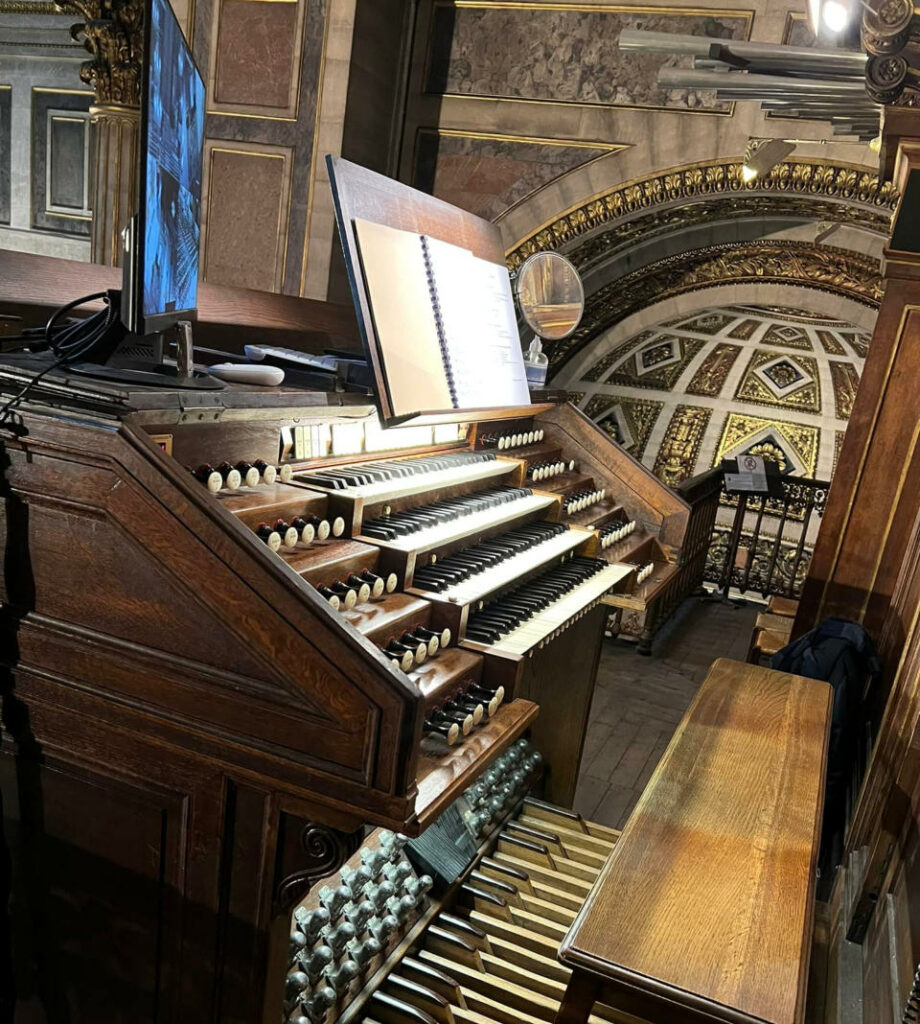


The French tradition of organ music lives on today in, amongst other places, the great organ of Notre Dame Cathedral, where Cavaillé-Coll built the organ there in 1868. Here is a recording of the official blessing of the restored Notre Dame/Cavaillé-Coll organ, played by the cathedral’s current titular organist, Olivier Latry in a controversially avant-garde improvisation at the opening service for the new cathedral. https://youtu.be/F6DO7V6pQyA?si=A5L9huw88LG_ZV-N
French cathedral improvisation can be an acquired taste, as can a lot of avant-garde music, and of course, avant-garde anything. Here is Jean-Pierre Leguay in his improvisation on the same organ at Notre-Dame, but before the fire. https://youtu.be/nPagA6vNke0?si=Z53KZr8nCxXiKZhJ – it certainly shows the range of this magnificent and mercifully saved instrument.