1. Rigoletto
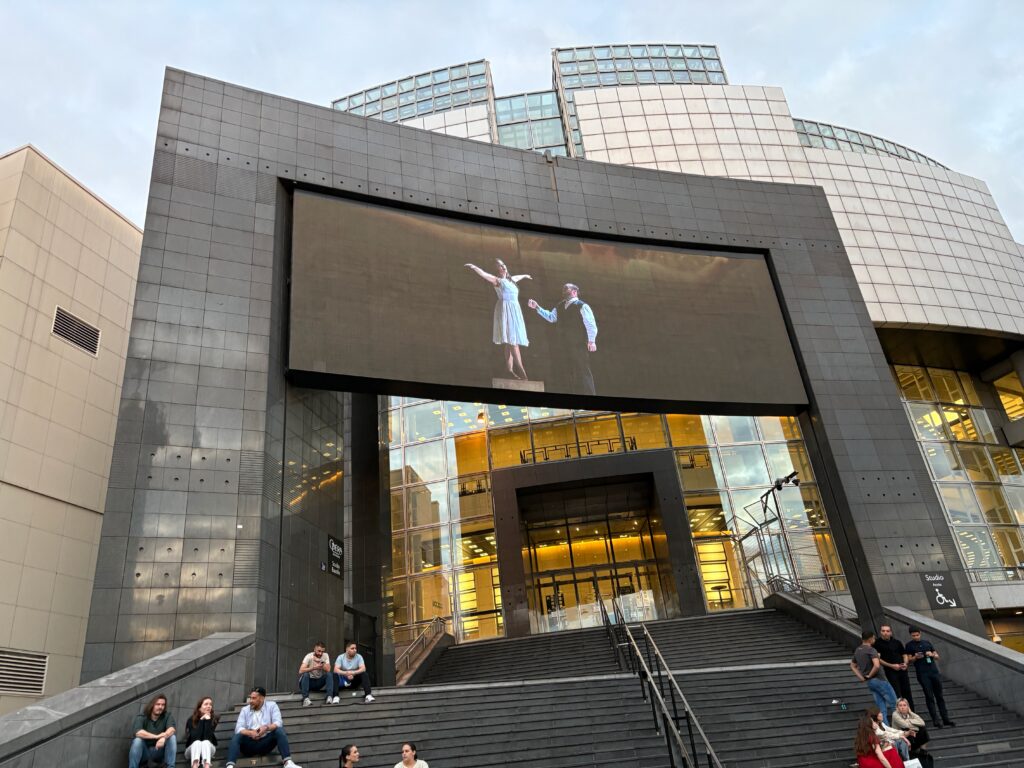
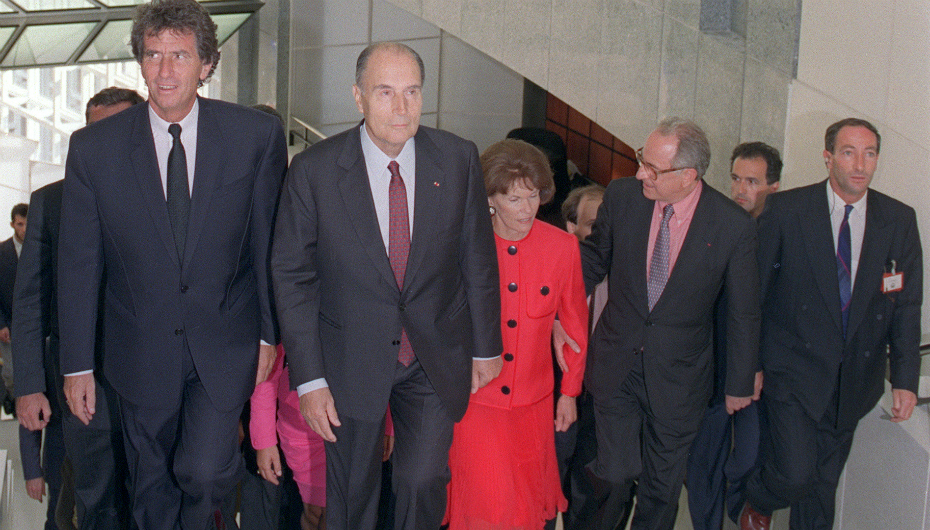
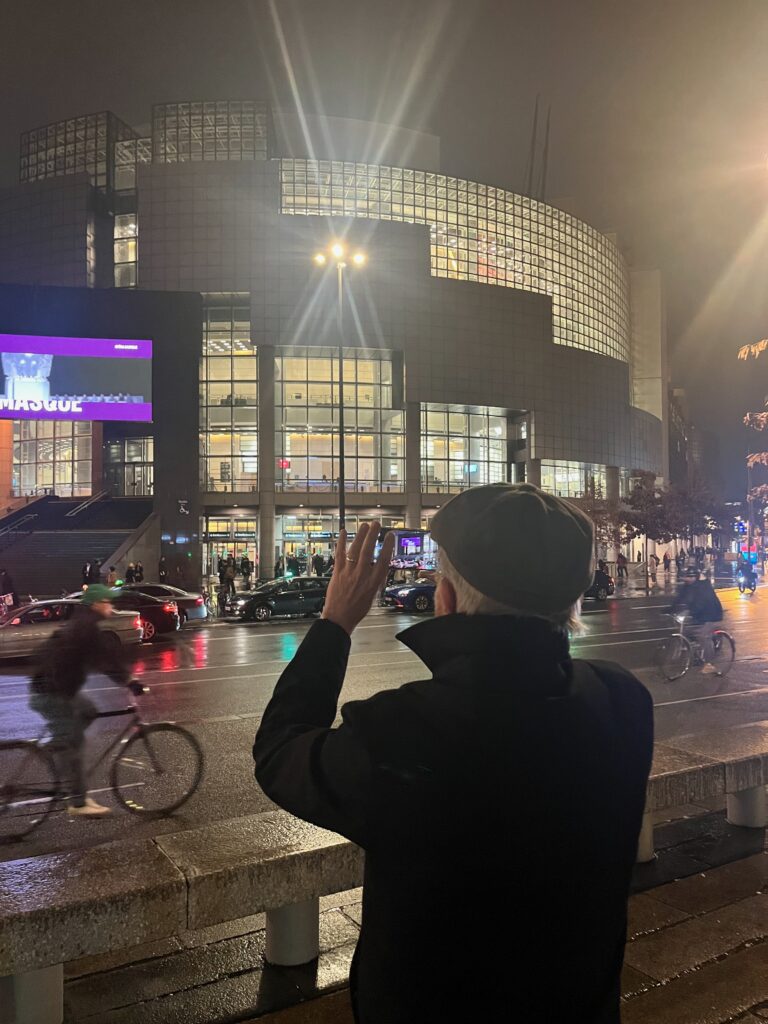
I have been an enthusiast for opera for all of my adult life and even a bit longer as my first opera was as a schoolboy (it was Donizetti’s Anna Bolena at Glyndebourne in the UK). It was a bug that bit me that night and the effect has never worn off. I have visited many opera houses now for decades – not just Glyndebourne, (I live down the road from there), but The Royal Opera House, Covent Garden, English National Opera, Opera North, Buxton Opera, Welsh National Opera, the Metropolitan New York, San Francisco Opera House, La Scala Milan, San Carlo Naples and La Fenice Venice. Every time it has been a special event for the incurable opera fanatic in me. And now, in 2025 and earlier this year, I have added French National Opera at the Bastille – Opéra Bastille. A modern theatre inaugurated in 1989 by President Mitterand and placed at the Bastille, a traditionally working class district of Paris, to deliberately place a cultural palace away from the elite centres of power elsewhere in the city. That sense of democracy and republican idealism is evident in the design, the ambience and philosophy behind what could have been just another pleasure dome for the well-heeled. I noticed the difference straight away when I thought of the Covent Garden Opera House.
What! No Royal Box.
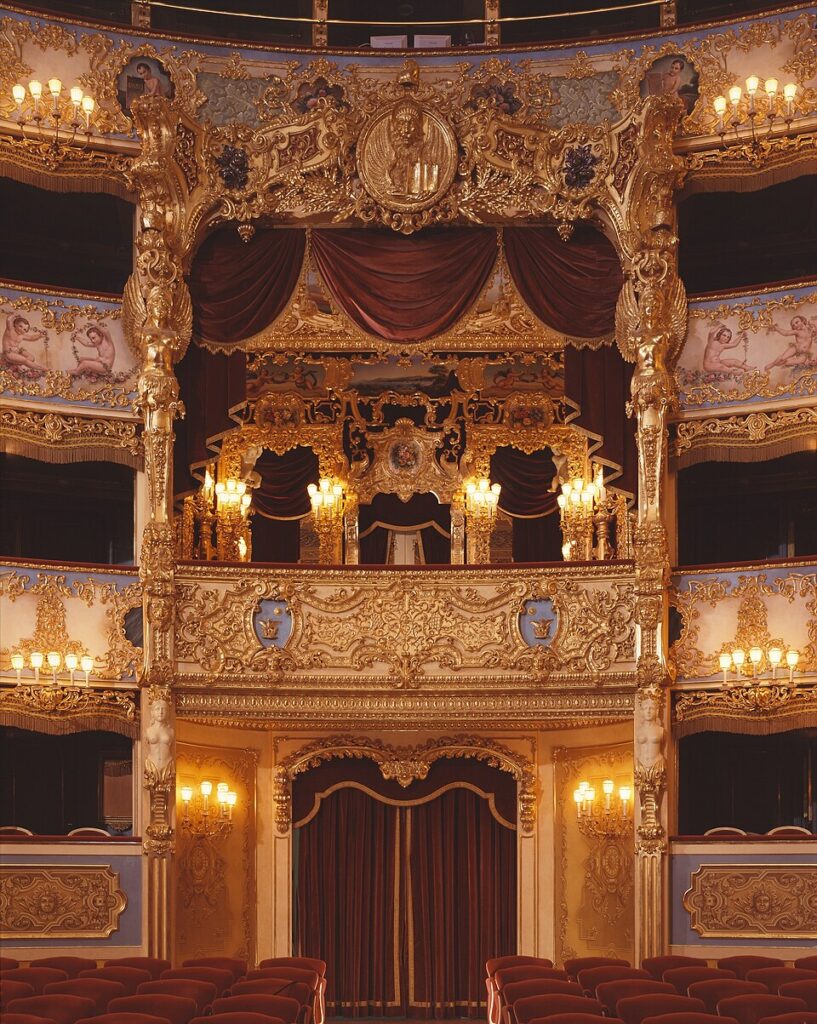
Nowhere to have one of those snobbish Glyndebourne picnics either, where the alfresco champagne dinner interval lasts for ninety minutes. Long enough for you to forget what happened in the first half of the opera itself. I have always hated those intervals and seen them as a distraction from the many wonderful productions I have seen there over the years.

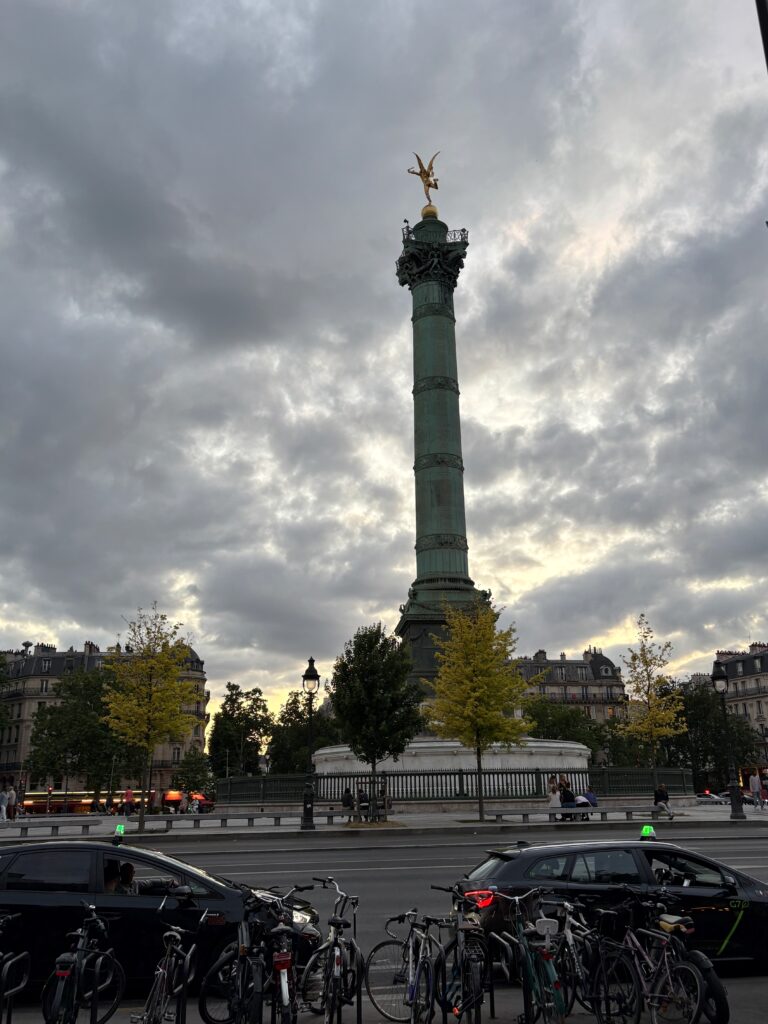
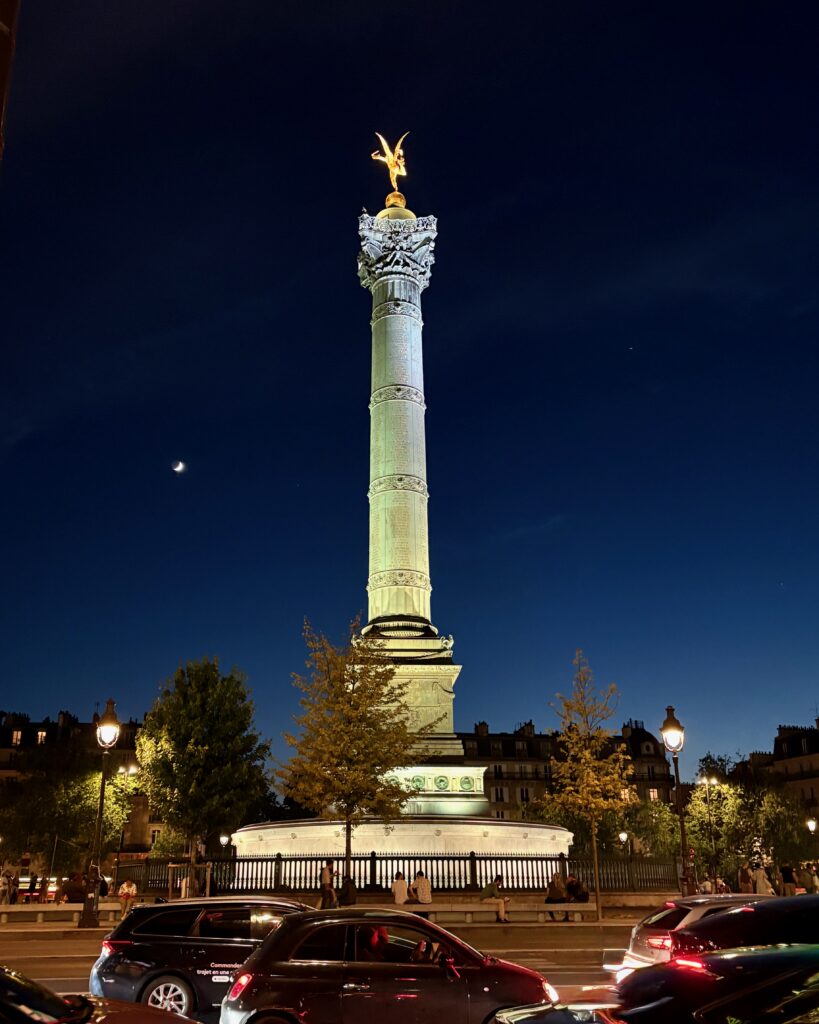
Siituated across the road from the Bastille memorial, the site of the infamous Bastille prison, but also the site of the stroming of the Bastille, where the French revolution began in 1789. When I think of Royal Boxes and Opera Picnics, I think vive La République.

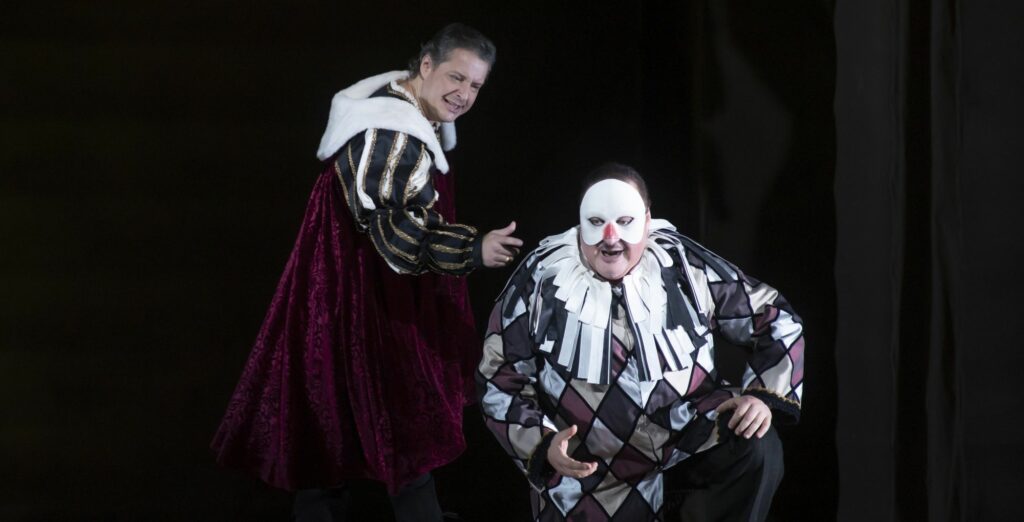
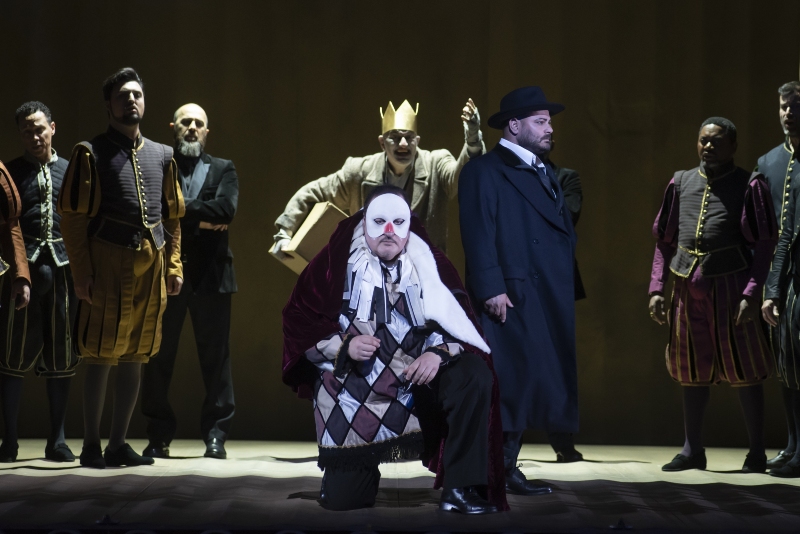
Arriving at Opéra Bastille for the first time, I was delighted to feel like a citizen in a republic and enthusiastic too that the first opera I was to see here was Rigoletto. Giuseppe Verdi’s 1851 opera based on a play by Victor Hugo, Le roi s’amuse, (The King Amuses Himself), which is about a hunch-backed Jester at the court of the King. The play was written in 1831, one year before Victor Hugo went on to write his novel Notre-Dame de Paris, otherwise known as The Hunchback of Notre-Dame. Rigoletto, the hunchback jester in Verdi’s opera is a direct descendent of Quasimodo.

Verdi and Hugo had much in common, they were both considered artistic and political revolutionaries who used their work to challenge authority. I love them both, they still have a lot to teach us about our attitude to the arts. I wish that opera and drama could be seen once again, as they saw it, as the people’s art-forms.
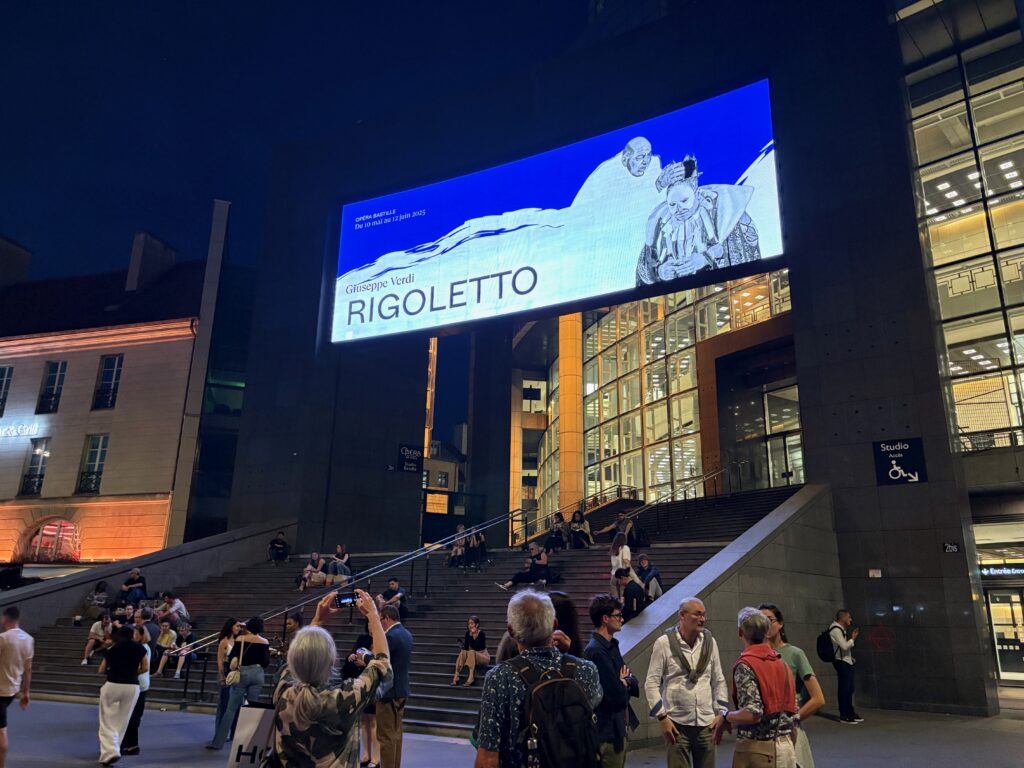
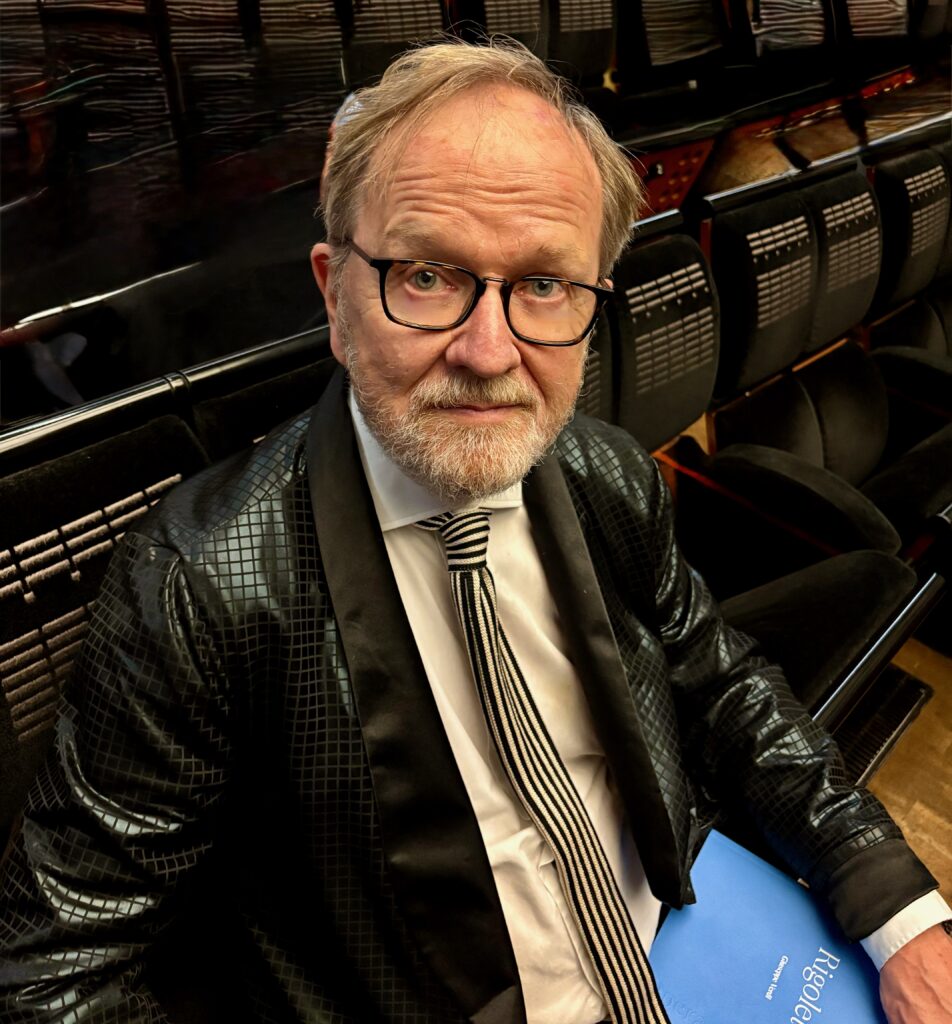


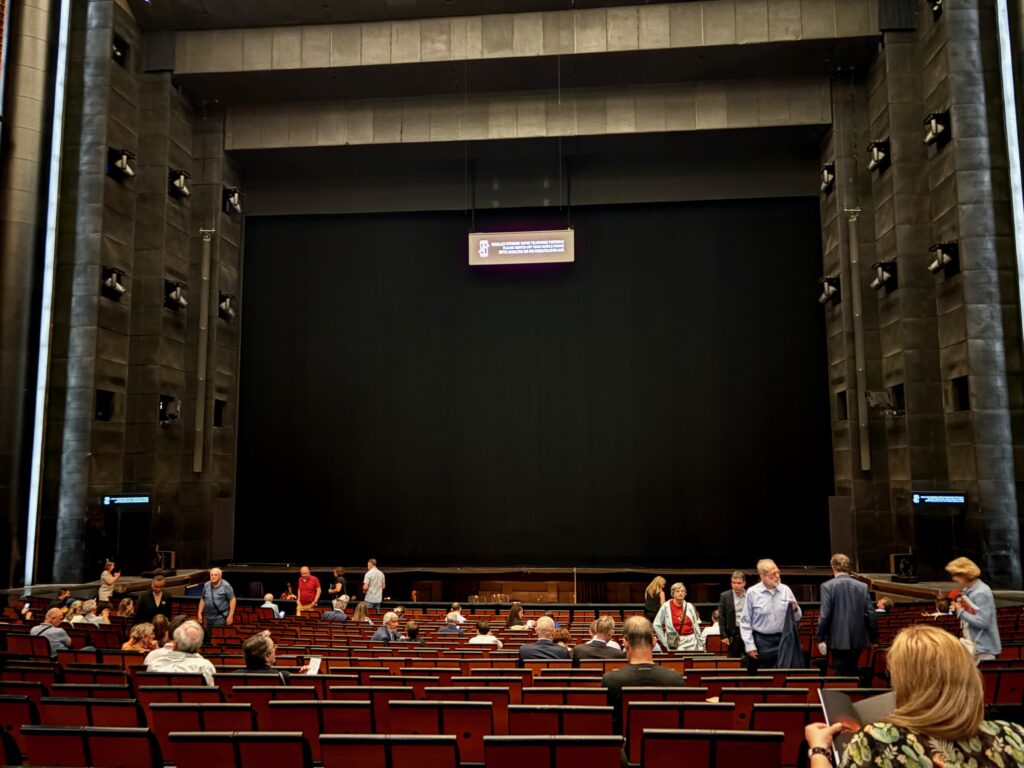
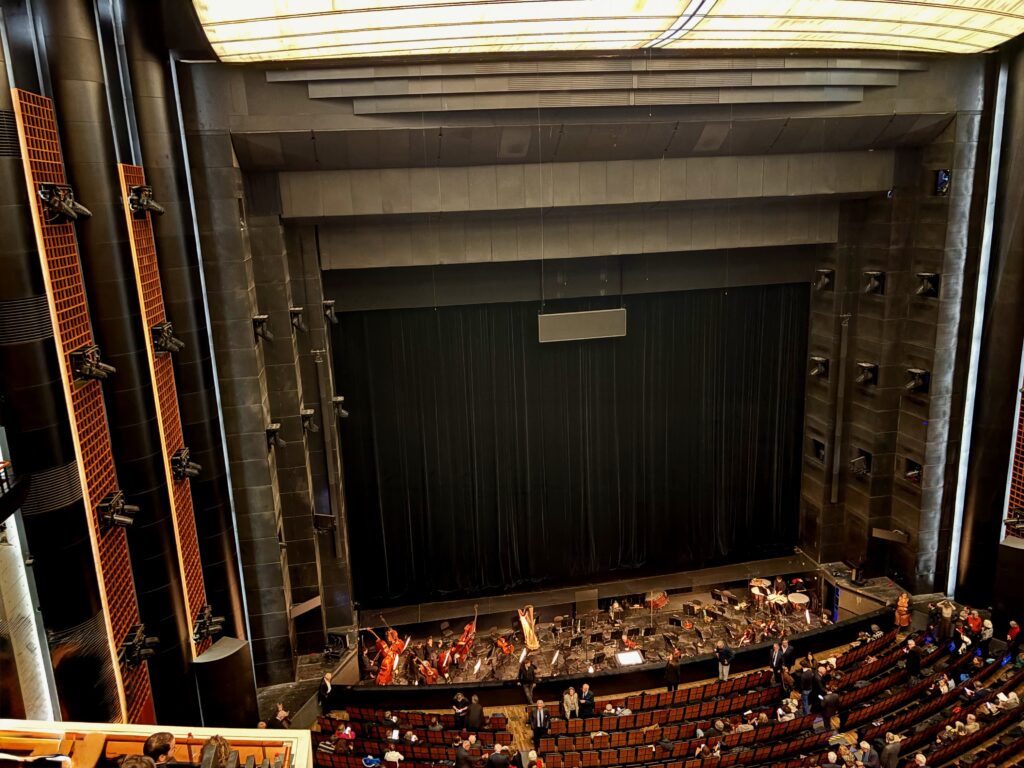
The theatre is scheduled to close for two season in 2030 for refurbishment and modernisation, but whatever problems they may have back stage, I think they have to the auditorium must right. No nonsense, clean lines, comfortable seat where everyone has a clear view of the stage. After all, the play’s the thing.
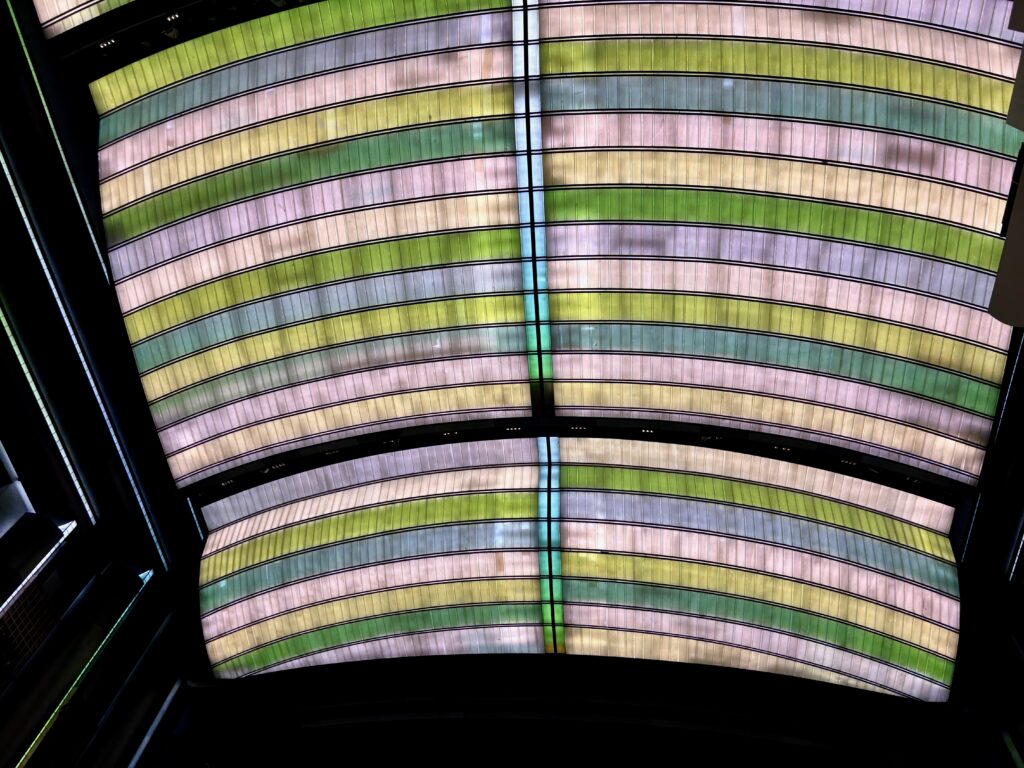
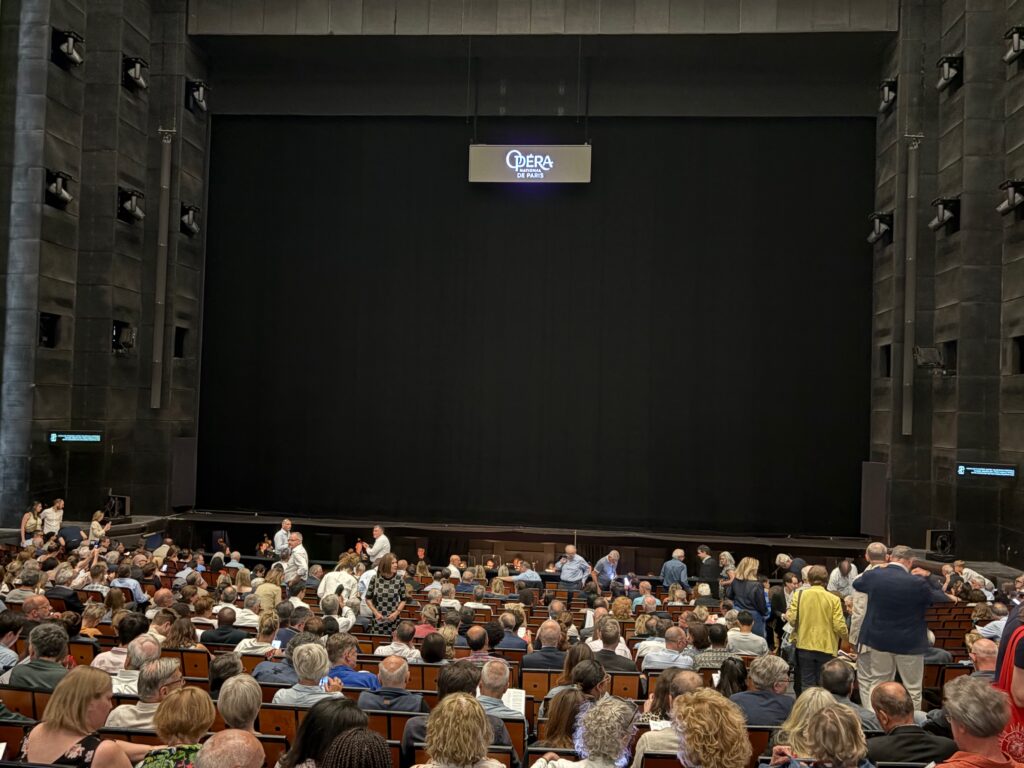
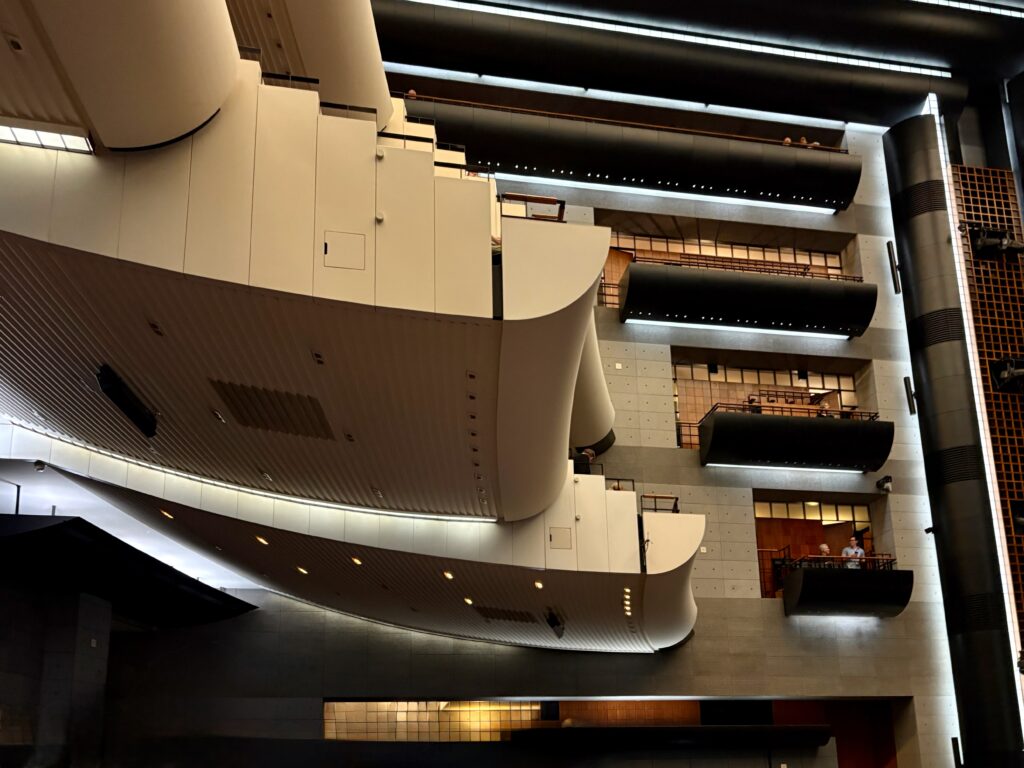
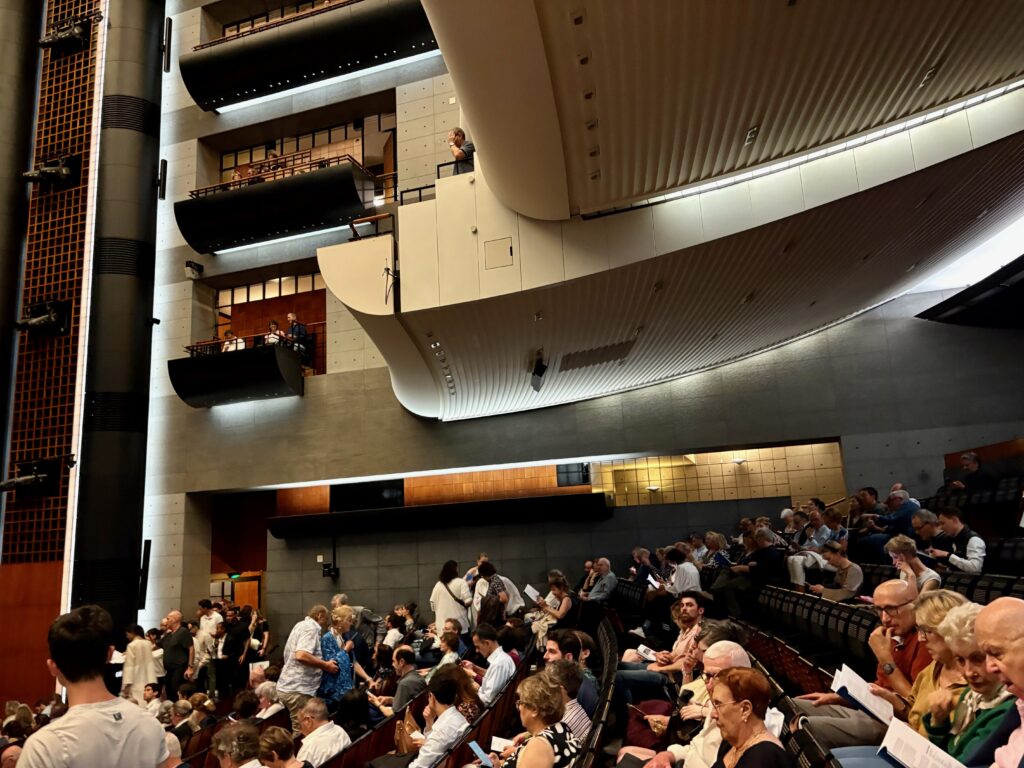
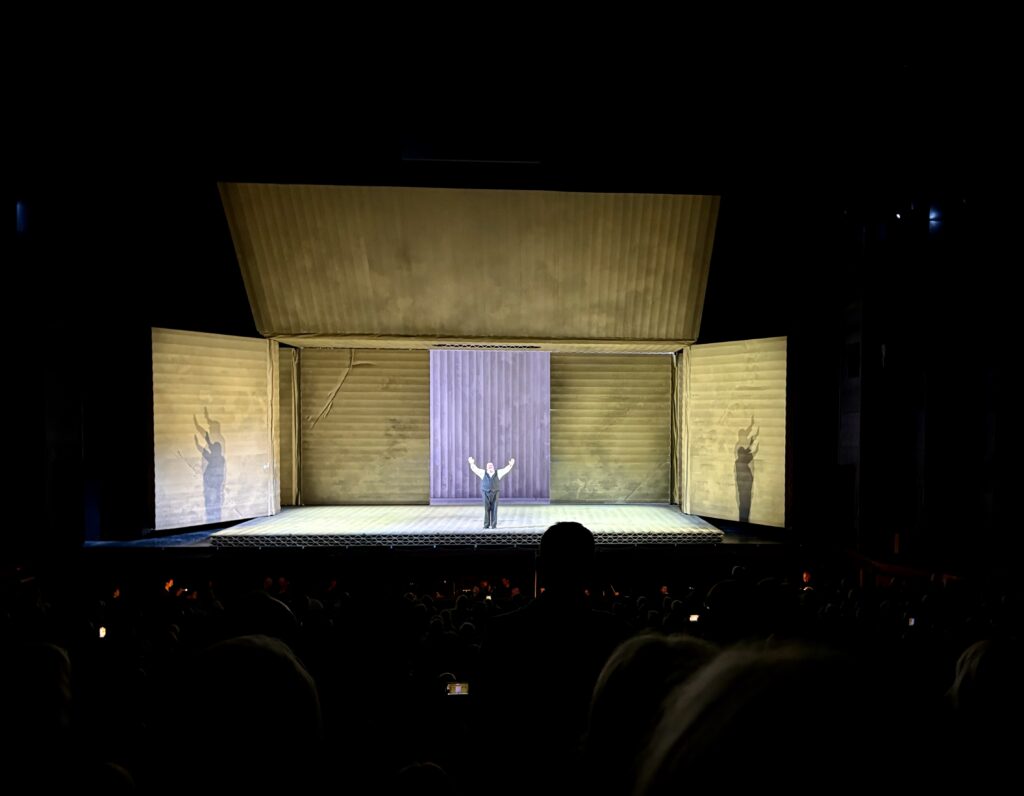
I had a great time at the opera that night. The Claus Guth’s production and design was enjoyably stripped down, ( I had a few niggles, of course) but the cast was perfect, and you can’t say that often, from the three principals (George Gagnidze, a magnificent Rigoletto; Slávka Zámečnikova, superlative with all the right notes for this lovely role; and Dmitry Korchak, an excitingly lyrical Duke of Mantua) and the conductor, Andrea Battistoni, well, he is Italian, had the exactly right mix of Italianate legato, lilting rhythms and a true sense of drama. This was first class, in an impressive building with its spirit of democratic equality. A true reflection of the French and Giuseppe Verdi and Victor Hugo’s republican ideals.



2. Un Ballo in Maschera

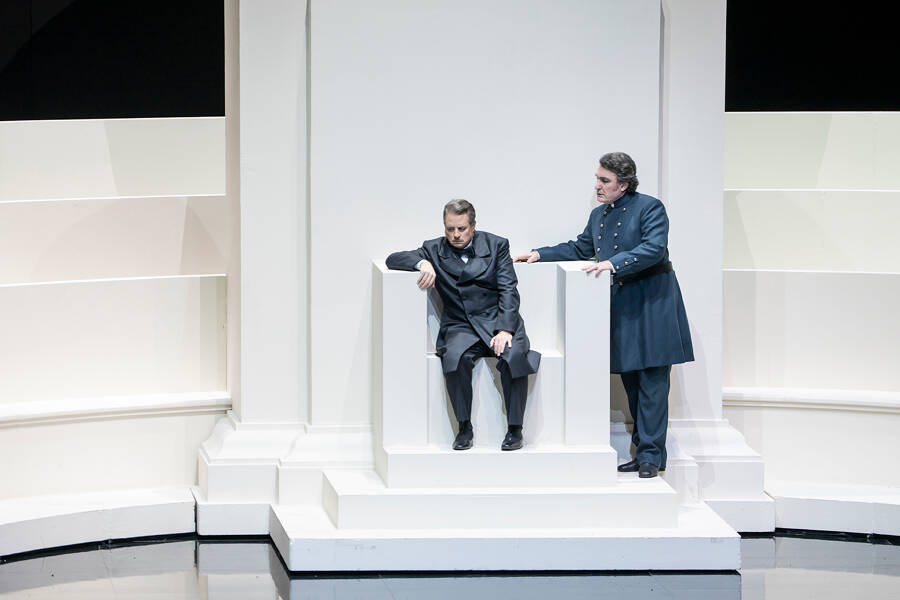
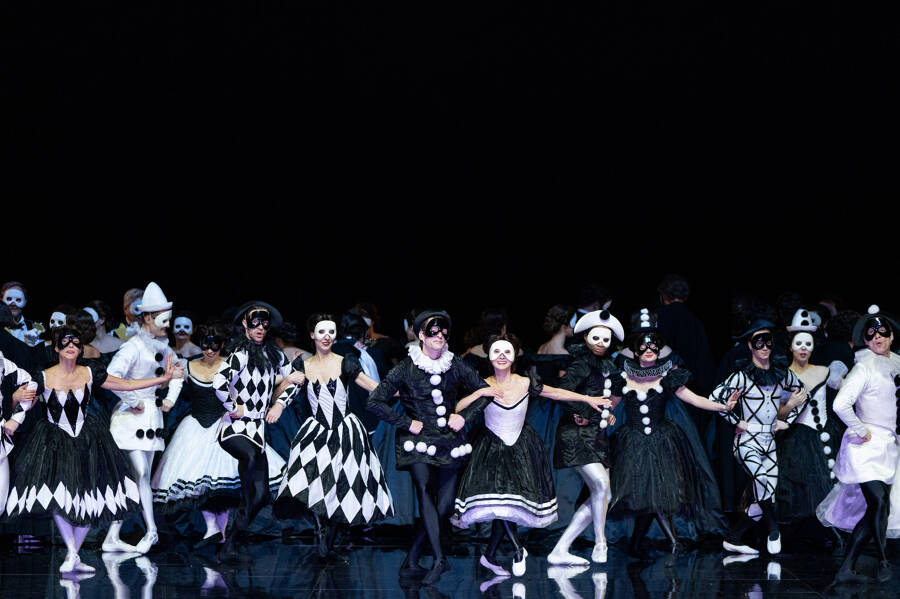
I was back at the Bastille Opera House in February this year for another Verdi opera. This time it was a production of Verdi’s middle-period, 1859, chiaroscuro opera, Un Ballo in Maschera (A Masked Ball). It was written after the three maybe most famous Verdi operas that began his triumphant reign as Italy’s greatest opera composer. The opera and this production in particular emphasised the work’s unique balancing of darkness and light, comedy and tragedy, Italian and French operatic styles. The opera was originally planned as the story of King Gustavus III of Sweden’s assassination at a masked ball in 1792, but the Italian censors in the revolutionary era in Europe, forced Verdi to make a last minutes adjustment and switch the action from 18th century Stockholm Sweden to 19th century Boston, Massachusetts, USA, because it was considered too subversive to show a King’s assassination on the stage in Italy at that time – so it was moved to the country of ‘no kings’.
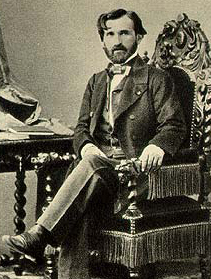
It is a great piece, one of Verdi’s finest scores after the great trio of his first major triumphs, all three of which have been performed somewhere in the world ever since: Rigoletto (March, 1851), Il Trovatore (January, 1853) and La Traviata (March 1853). With Un Ballo in Maschera, Verdi moves on on his quest to make his operas pure drama with the music, words and stagecraft equal partners. He was on his way to become the operatic equivalent of his idol, William Shakespeare.
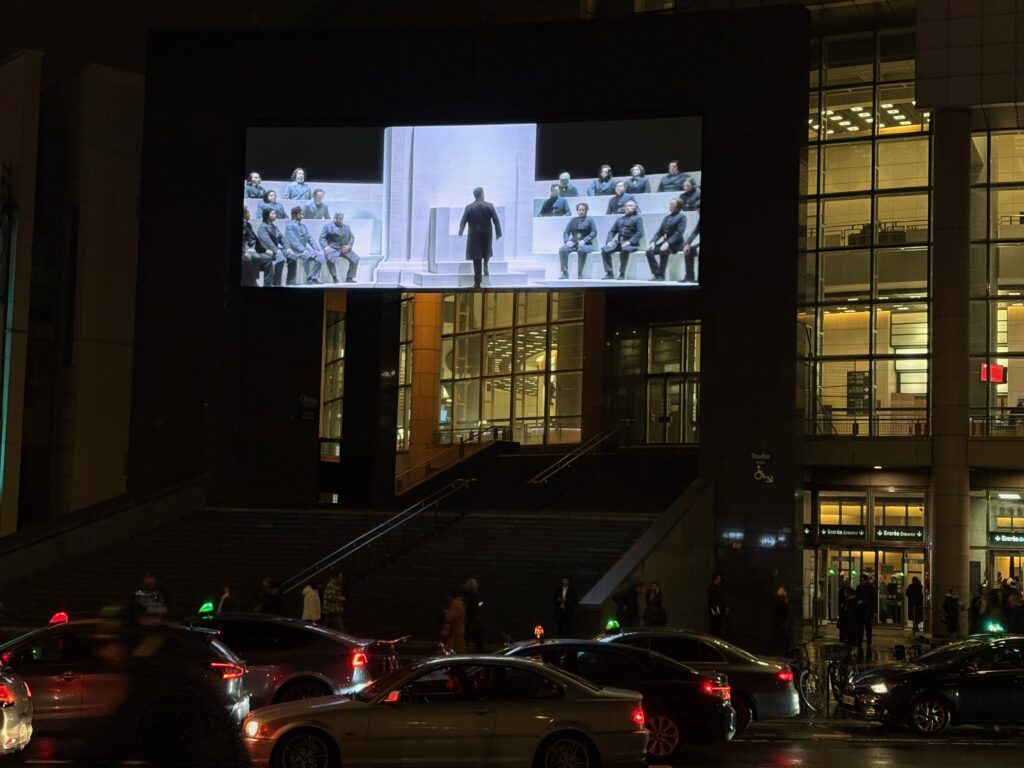
The music of Un Ballo In Maschera still sounds like it was conceived with the plot in 18th century Europe, with its at times almost Mozartean lightness of touch contrasting with the dark, trombone-focused music of the tragic elements. It is the nearest Verdi got to writing comedy since his failed first opera Un giorno di Regno (A King for a Day) 1840, and before his final triumph, Falstaff in 1893. The singers are truly challenged by this style. the tenor, Riccardo has to combine lyrical grace with dramatic oomph. It was one of Luciano Pavarotti’s ideal parts. The lead soprano voice (Amelia) is one of Verdi’s earliest dramatic soprano roles, with phenomenal demands of range and power with strong low notes matched all the way up to the top of the voice and the need to also use pianissimo as well as fortissimo. It was one of Verdi’s most exciting inventions.
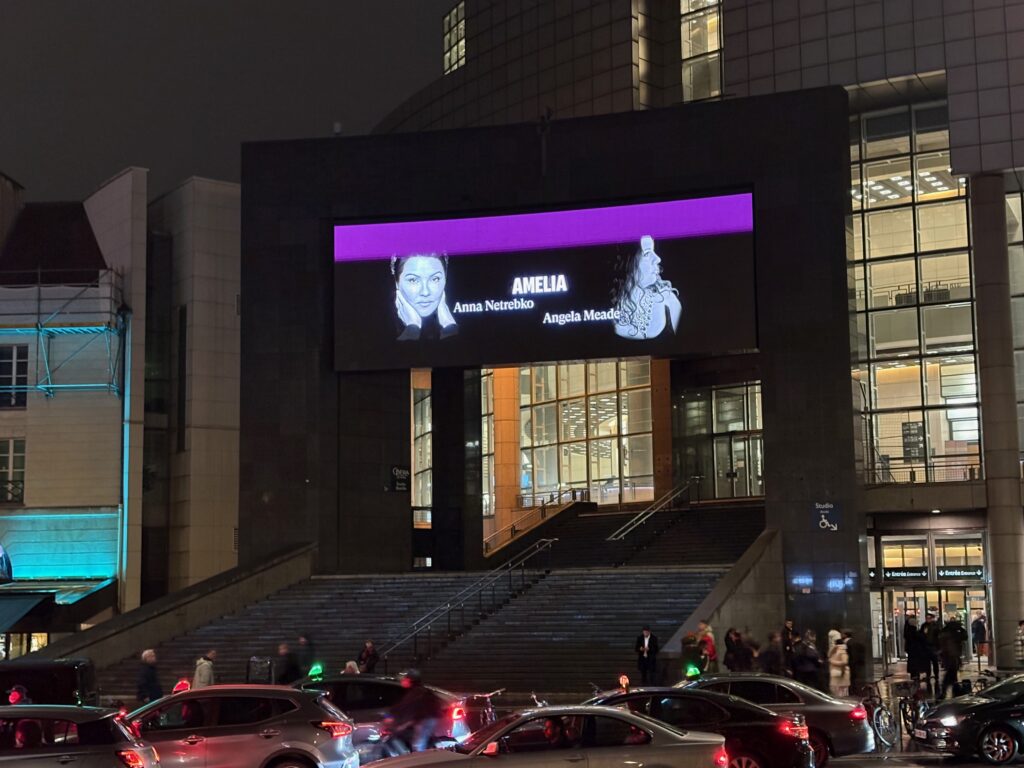
For me, the excitement of coming back to the Opera was not just for this opera, or just for Verdi, it was a chance to hear one of the great sopranos of the age in a role that Verdi might have written for her. The great Russian soprano Anna Netrebko, is without rivals as a Verdian dramatic soprano. I have loved her recordings and wanted to hear her live. I nearly succeeded in December 2023, when I had tickets for her in Puccini’s Tosca at La Scala, Milan, but she cancelled her performance at short notice. I was not disappointed this time. She was at the top of her form and I will count her performance that night as one of the greatest I have been lucky enough to witness in many years of being an opera enthusiast.
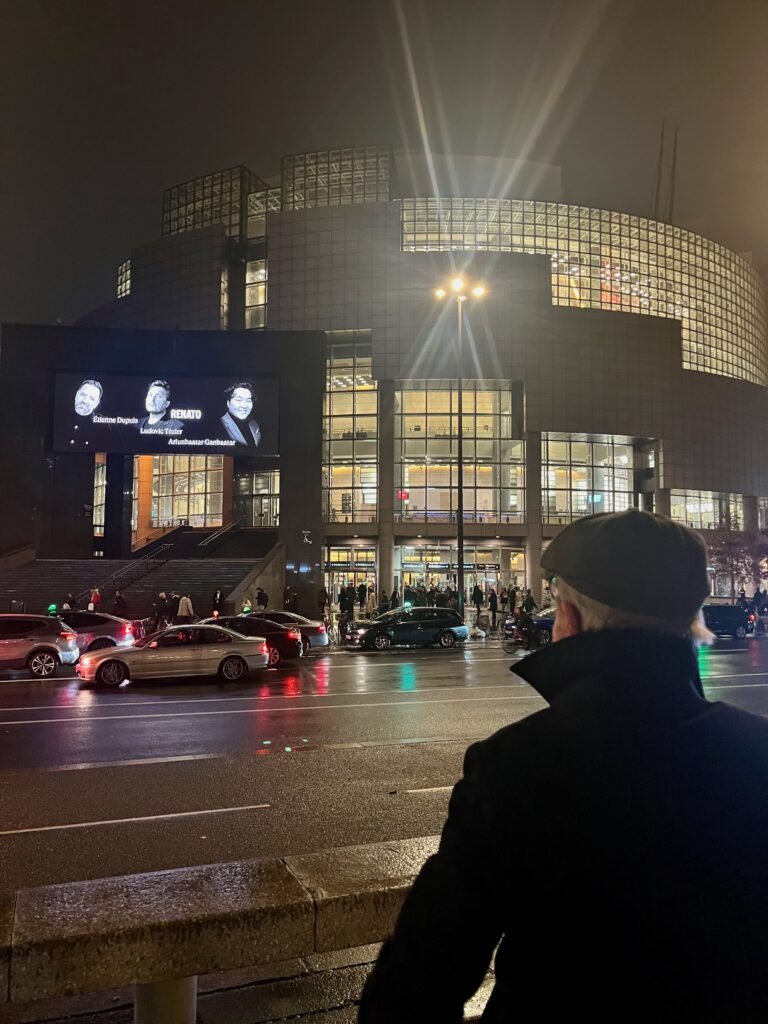
I was excited too to be hearing the French baritone, Ludovic Tézier, who has now emerged as perhaps the world’s leading Verdi baritone. I had only heard him once before, early in his career in Wagner’s Tristan und Isolde at Glyndebourne where it was obvious that he was already heading to stardom. It was Verdi again who reinvented the Italian baritone voice and created a string of great roles, like Rigoletto and Renato in Ballo in Maschera, the wronged husband of Amelia. I wasn’t disappointed by him either. He is definitely one of the best around.






It was a great night – one to remember. What next? Well, I would love to see Anna Netrebko in Verdi’s La Forza del Destino, 1862, the opera where he moved his exploration of the dramatic soprano voice a step further towards his ideal.