In late August 2025, I returned to Lahti for my fourth Sibelius Festival feeling a bit like a regular. It wasn’t the original plan, but festivals have a habit of growing on us, especially those of us who suffer a bit from the completist bug. At first, it was a question of hearing Sibelius’ music in his native Finland, played by the orchestra, ‘his orchestra”, the Lahti Symphony Orchestra, that, in a series of brilliant recordings, has become, to my ears at least, the definitive voice of Sibelius for our times.
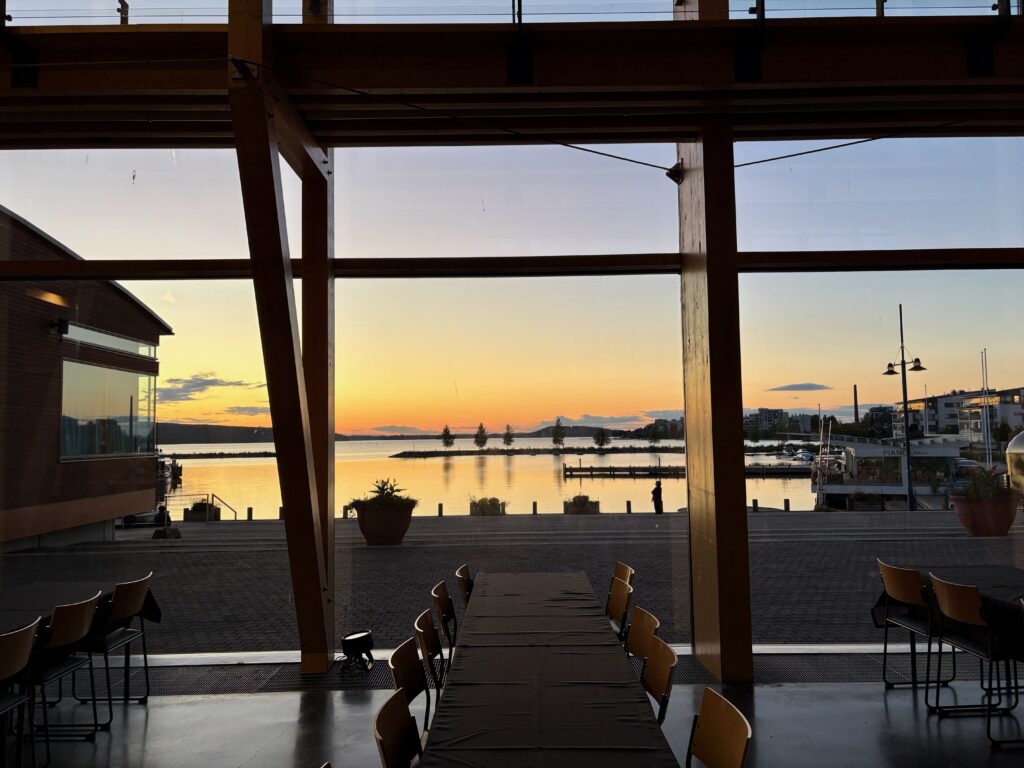
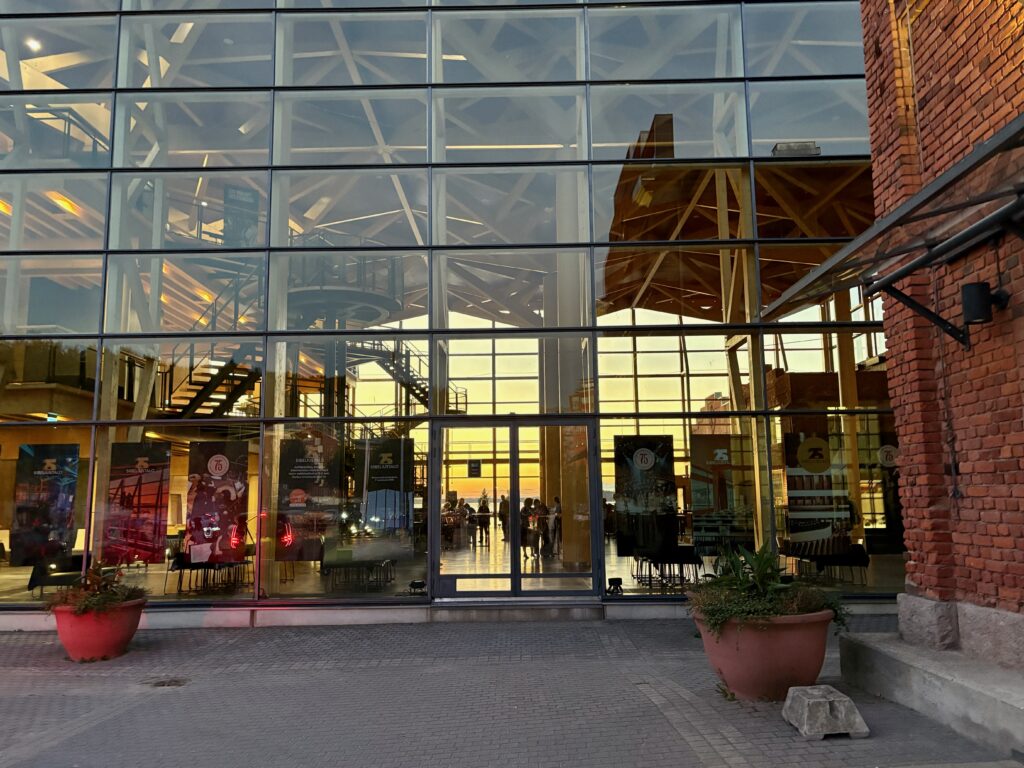
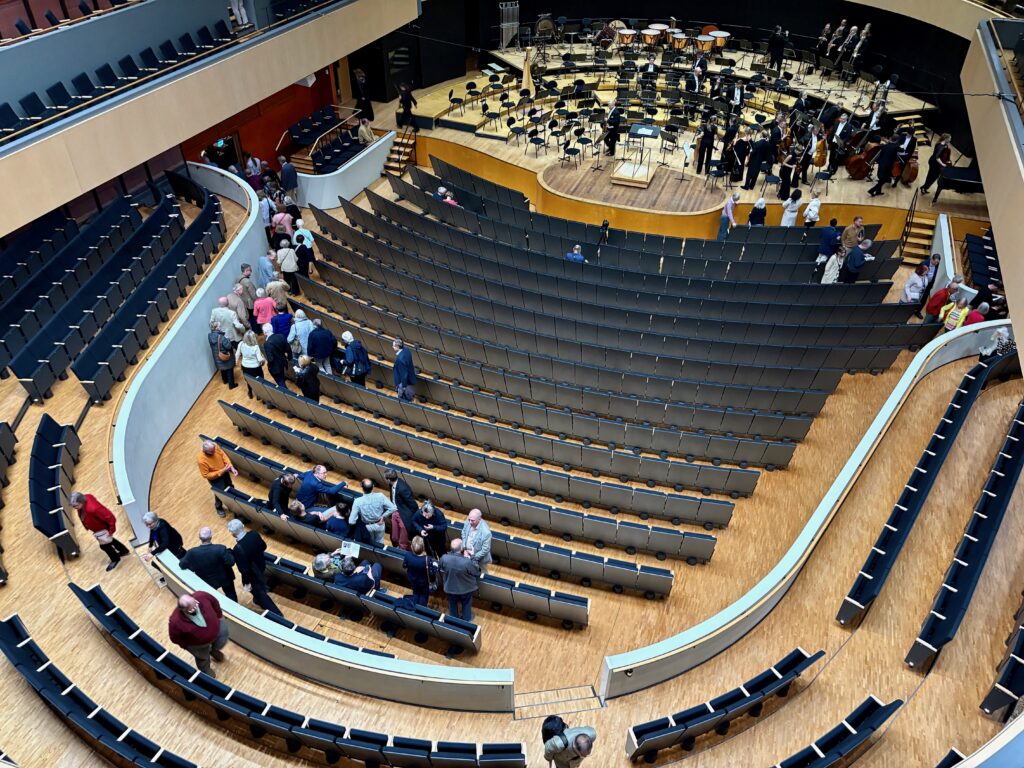
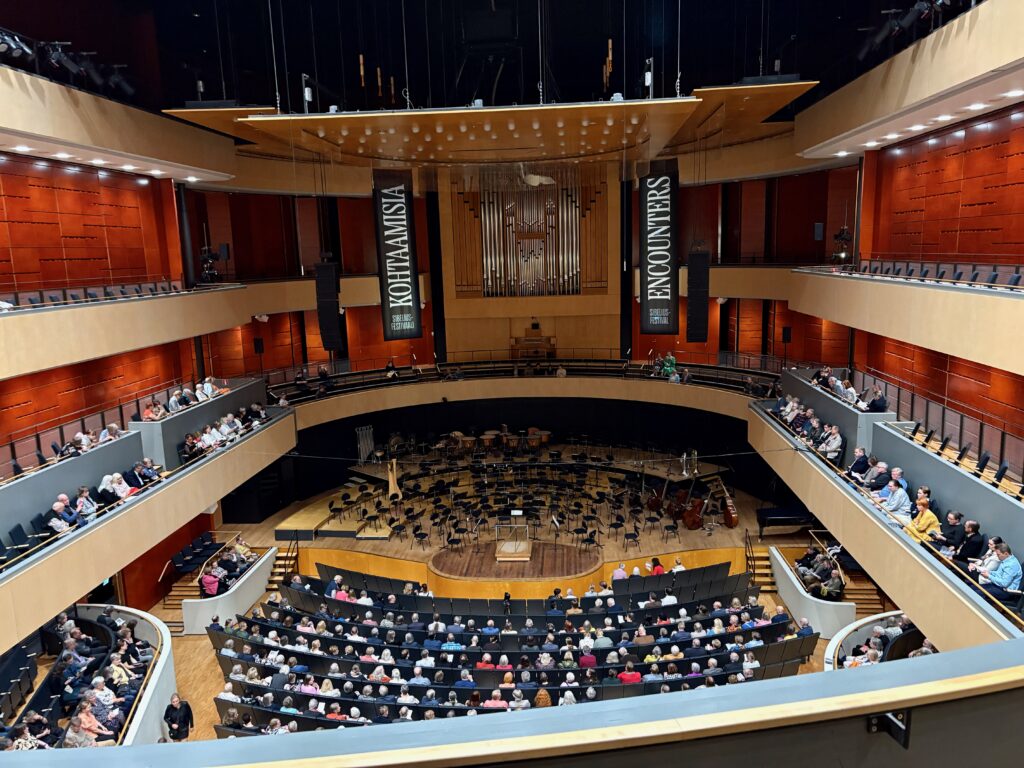
My first Sibelius festival was definitely a thrilling experience, much more thrilling than I’d expected. It was the perfect marriage of music, location and venue – the acoustically perfect and architecturally exciting Sibelius Hall (Sibeliustalo) situated on the banks of Lake Vesijärvi, and the performances of the Lahti Symphony Orchestra, under their then conductor, the dynamic firebrand, Dalia Stasevska. I was genuinely hooked after that first year. Over the following two Festivals, we had the chance to hear all of Sibelius’ symphonies in fine performances along with most of his major works. With Sibelius, the more you hear his music, the more you hear in his music.
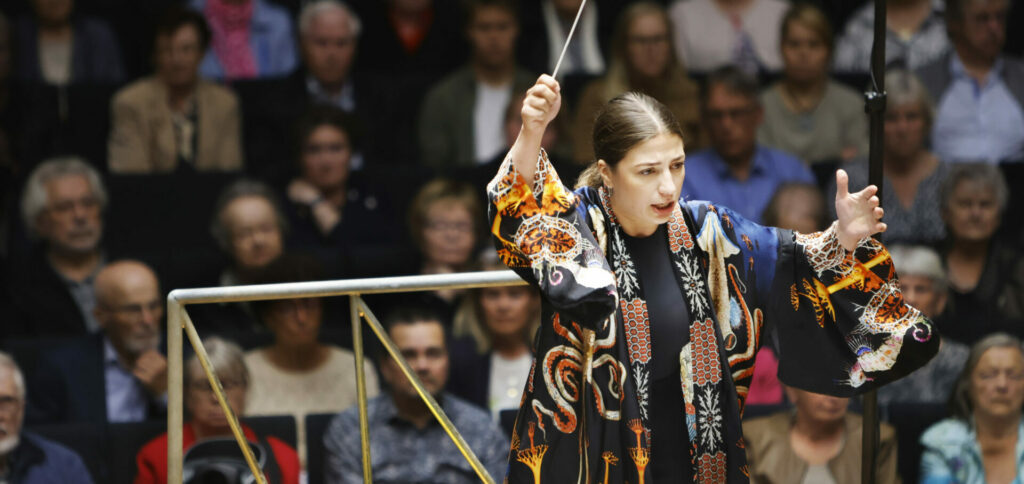
Dalia Stasevska, who is now conducting with all the major orchestra around the world, reached the end of her tenure in Lahti and it seemed to me that is was time for me too to move on. I decided that, sad though it was, I couldn’t just keep coming back to this wonderful place, to this wonderful country, even though a day didn’t pass without some of Sibelius’ music passing through my mind. I would miss the Sibelius Hall, I knew that, but then Sibelius is an international phenomenon and Dalia Stasevska also conducts the BBC Symphony Orchestra in London. So it would be a soft landing if I didn’t return. I’d heard all the symphonies here in Lahti except Kullervo, his early quasi-choral symphony. Hearing that live would have to remain a dream as it’s seldom performed.
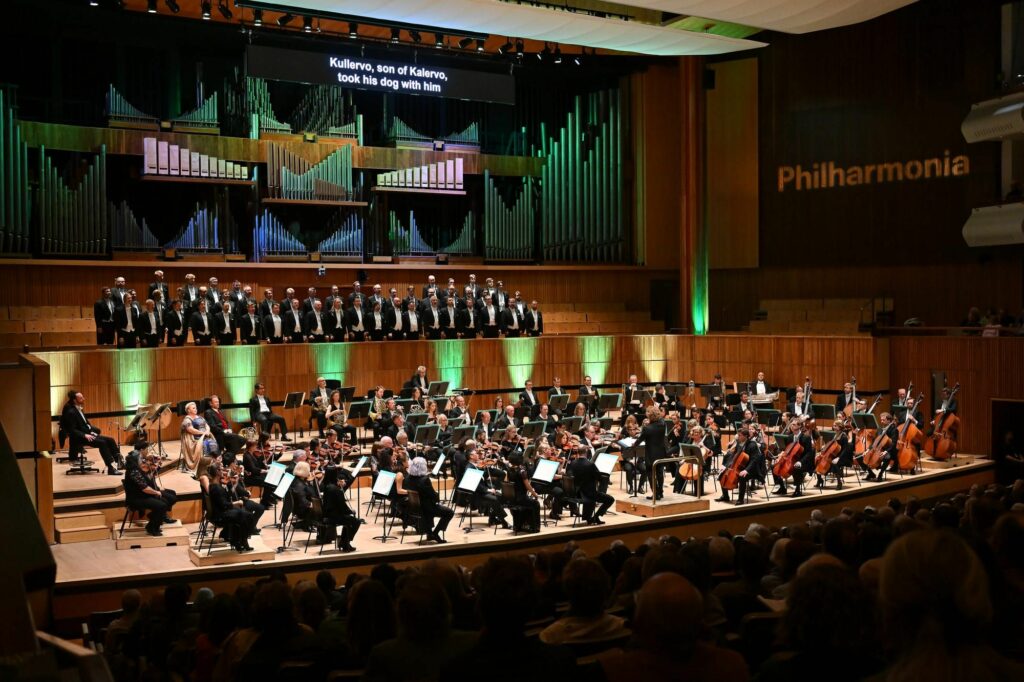
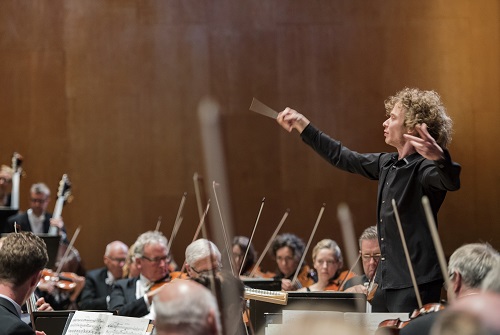
Coincidentally, back in England in September 2024, I saw that Kullervo was going to be performed in London’s Royal Festival Hall later that month with the Philharmonia Orchestra under its new principal conductor another young Finn, Santtu-Matias Rouvali. Finland has trained up a whole new generation of brilliant conductors who are now leading orchestras all around the world. I got tickets and went to the concert with the musical whizkid, Rouvali, who was born in Lahti and who had previously been principal conductor of the Tampere Philharmonic Orchestra. The chorus was the YL Male Choir, coming direct from Helsinki, along with the two solo singers, also Finnish, Johanna Eusanen (soprano); Tommi Hakala (baritone). It was a magnificent performance….satisfying even for the Sibelius completist in me. I’d done it, I thought.
I’d come home and I seemed to have brought a chunk of Finland back with me. The end of an era, I thought – but when I decided to take a look at the 2025 Sibelius Festival programme directly it was published, it was in the spirit of checking that I could resist getting tickets for another year. I found out pretty quickly that , especially with Sibelius and Finland, my resistance is low.
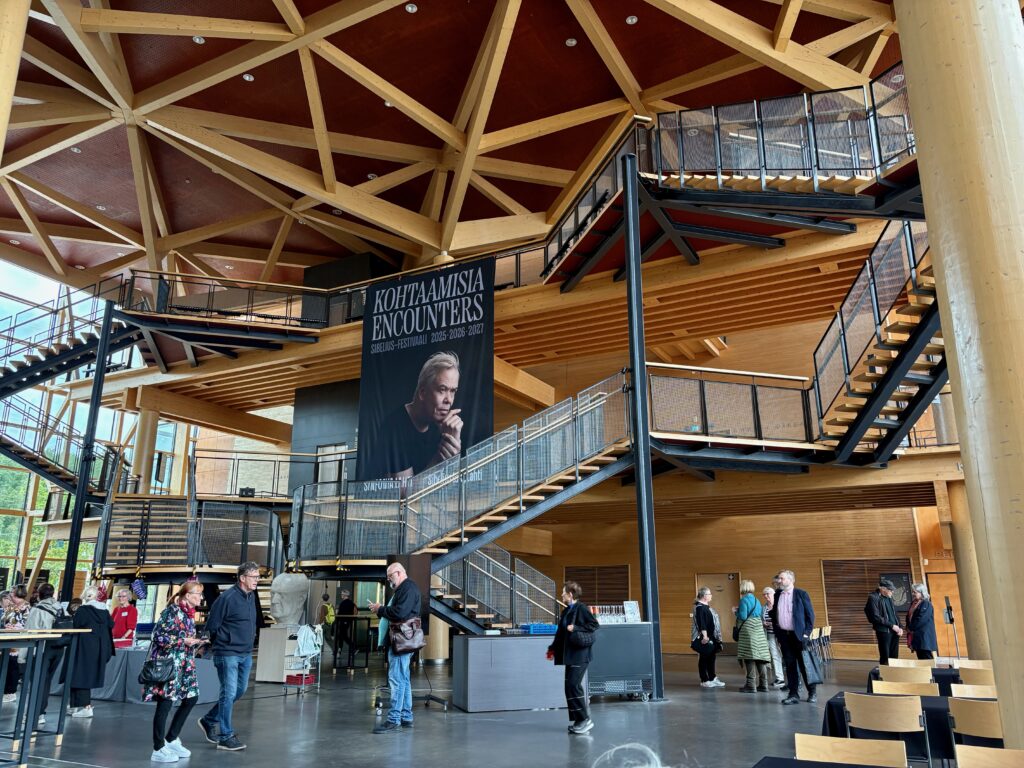
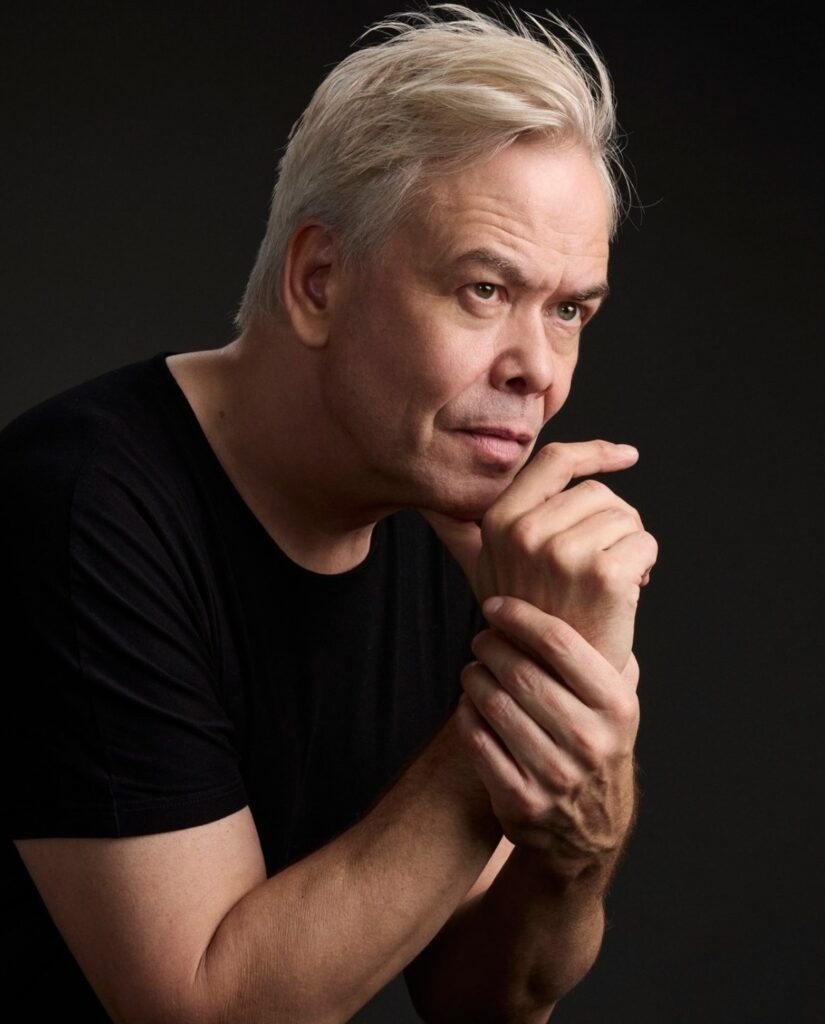
The Lahti Symphony Orchestra had announced that they’d appointed the Finnish conductor, Hannu Lintu, currently chief conductor of the Finnish National Opera and Ballet, as its new ‘artistic partner’ for the next three years, and thus musical director of the Sibelius Festival, effective from September 2025. He came up, not just with a programme for the 2025 festival, but with a three year plan complete with full programming for the three festivals that he is to run. He’s an impressive man, an important figure in Finland’s musical life, championing new Finnish composers as well doing pioneering work as principal conductor of the Finnish Radio Symphony Orchestra and for Finnish National Opera. I had previously witnessed his conducting in 2022 when I went to a production of Wagner’s Die Walküre in Helsinki.
The next three Sibelius Festivals, in Lintu’s plan, were to break the mould and place Sibelius at the centre of the series of concerts, but to include music by other composers, either influences on Sibelius, or, later in the series, influenced by Sibelius. In 2025, we were to hear music by Wagner, Mahler, Tchaikovsky and Grieg as well as key early Sibelius works, culminating with his First Symphony. It will make fascinating listening. We’d all been invited to start again assessing the great composer but by starting at the beginning with the young Sibelius of the 1890s.
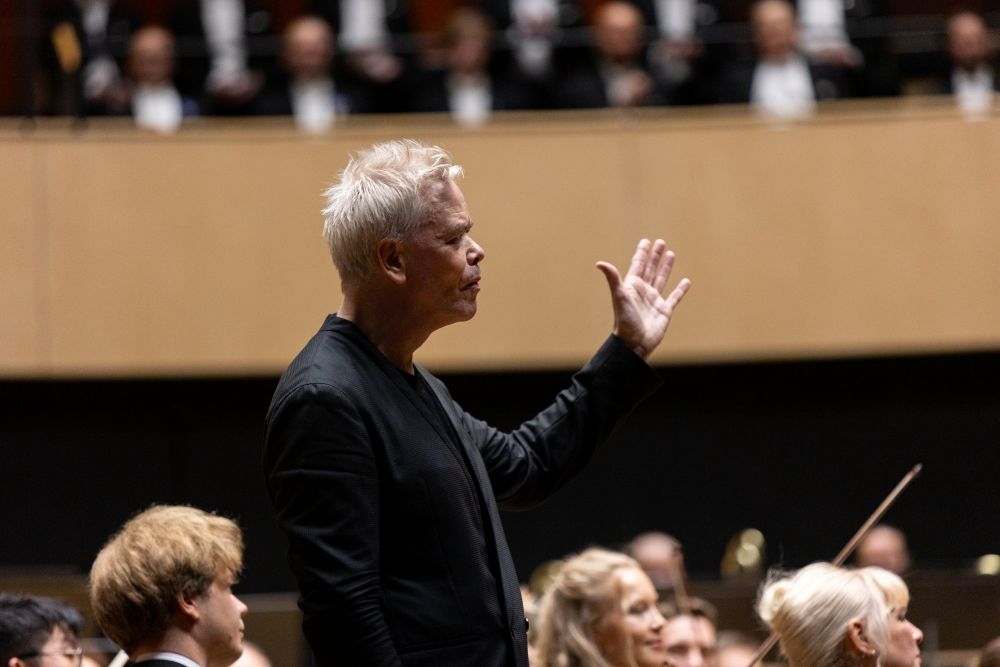
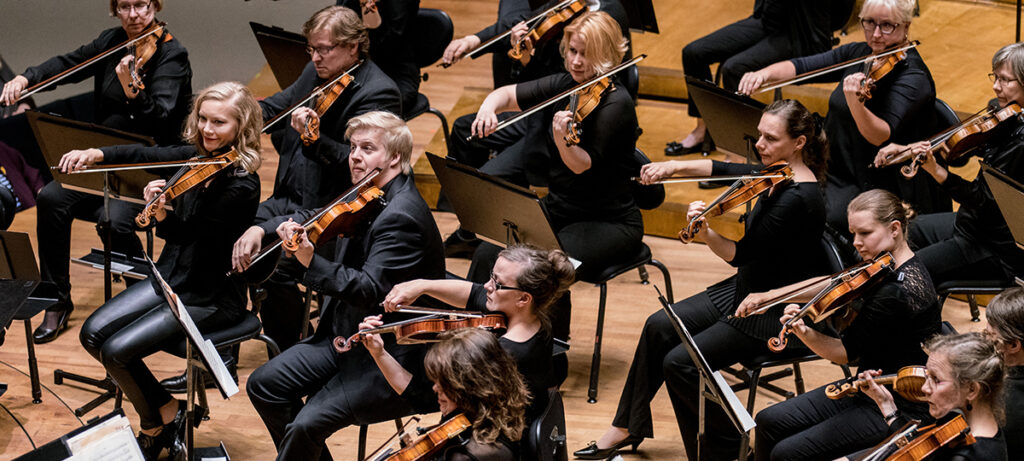
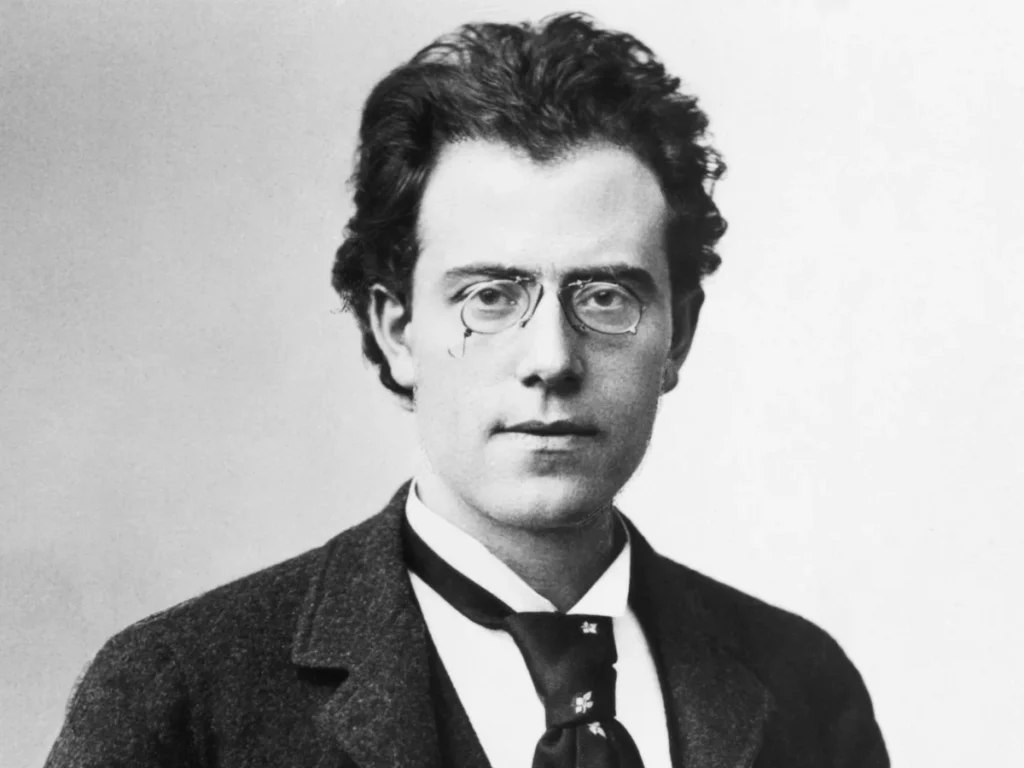
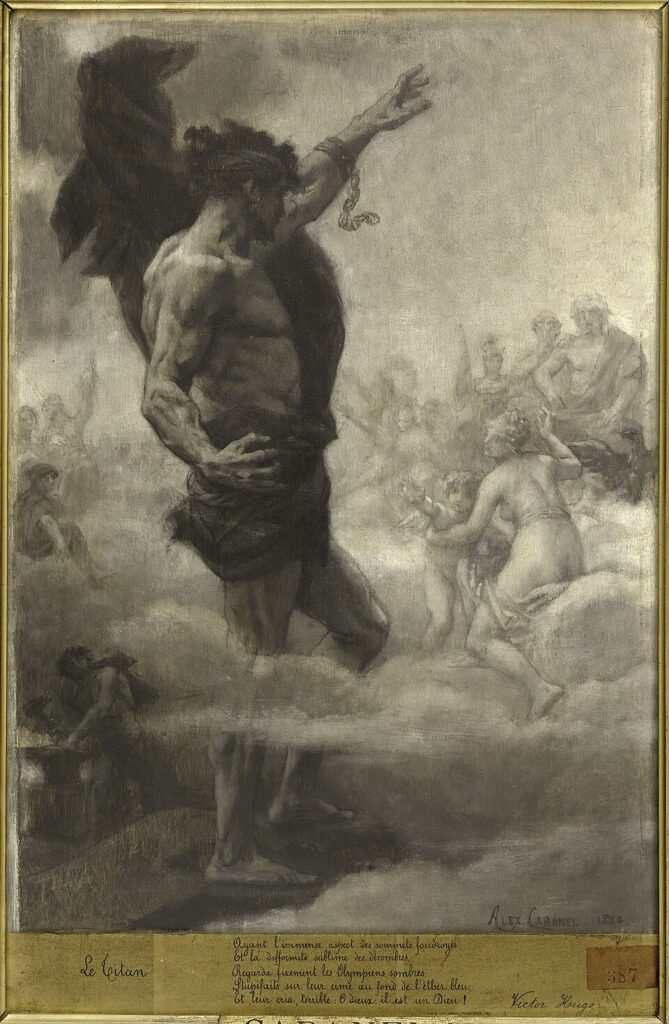
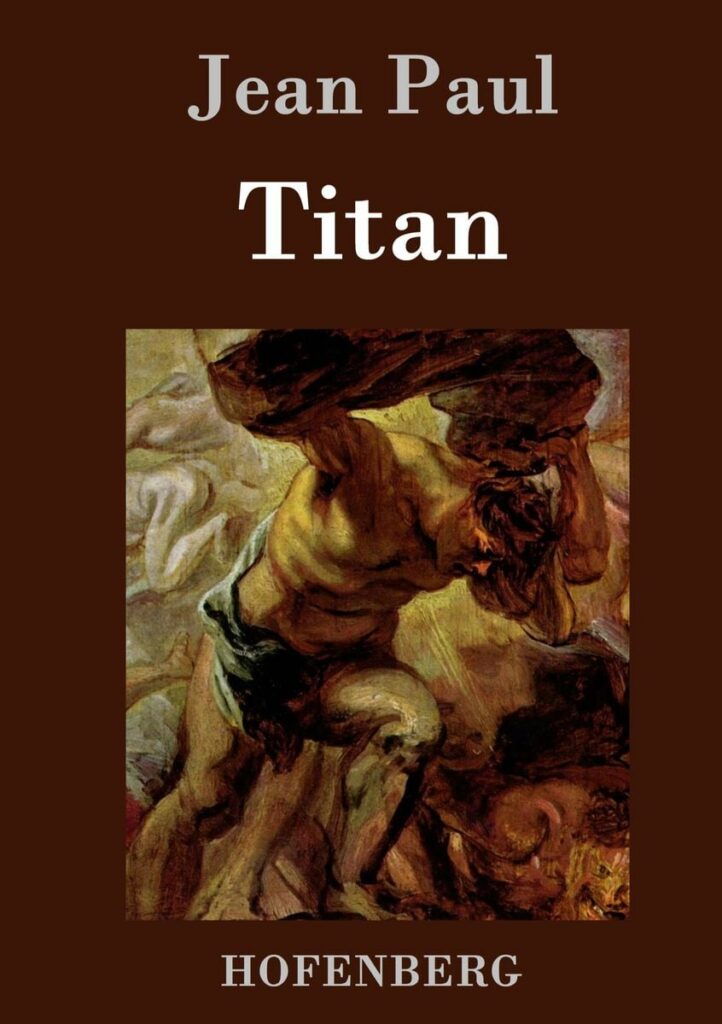
So the festival began not with Sibelius but with an early work by Gustav Mahler, Todtenfeier (Funeral Rites) written in 1888, which he later expanded to use as the first movement of his Second Symphony. Conductor Hannu Lintu, brought out all the foreboding and horror of this piece which made a powerful impact without Mahler’s later additions of hope added when the piece was to lead to a magnificent evocation of resurrection. Todtenfeier was originally intended to describe the funeral of Albano, the Titan, the hero of the German writer, Jean Paul’s 1893 novel Titan. Mahler’s First Symphony had similarly been intended as a description of the hero Albano’s life and the work is still nicknamed Titan. Heroes, for good or ill, were the order of the day in the late nineteenth century and Gustav Mahler’s hero was drawn as much from Richard Wagner’s operatic heroes as it was from Jean Paul’s Titan. Sibelius, as Hannu Lintu implies in the 2025 festival, was inspired by both Wagner and Mahler.
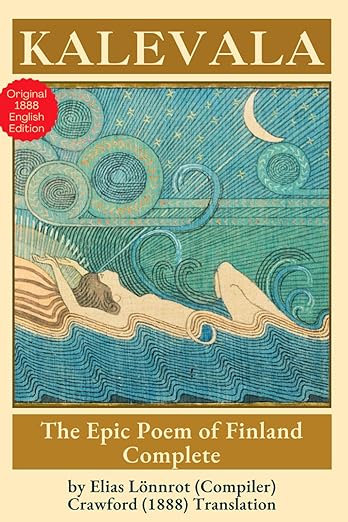
Mahler’s hero’s funeral here in Lahti was followed by Sibelius’ Swan of Tuonela, from The Lemminkäinen Suite (1891), which illustrates the death of another hero, this time the recklessly charming Lemminkäinen, the story taken from the famous Finnish epic, Kalevala (1835).
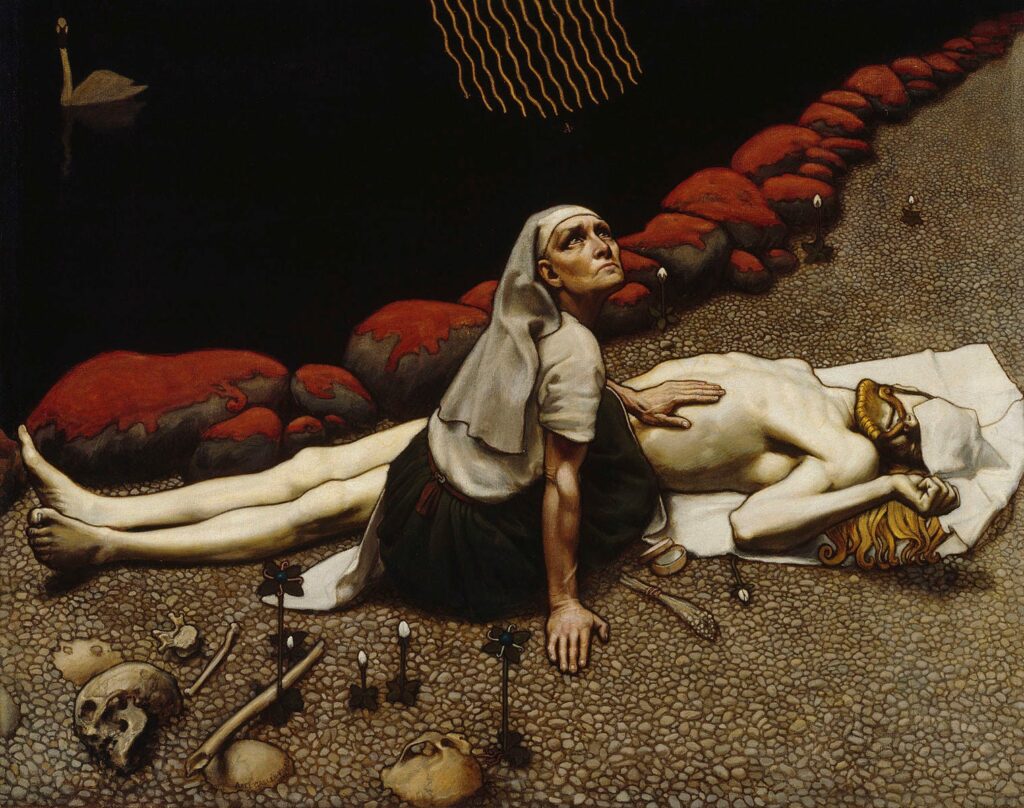
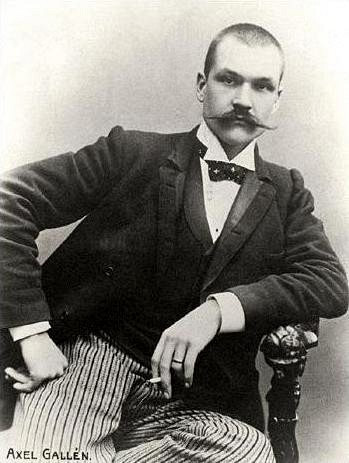
Lemminkäinen’s Mother and the Swan of Tuonela, 1897, from Kalevala, by Akseli Gallen-Kallela (1865 – 1931)
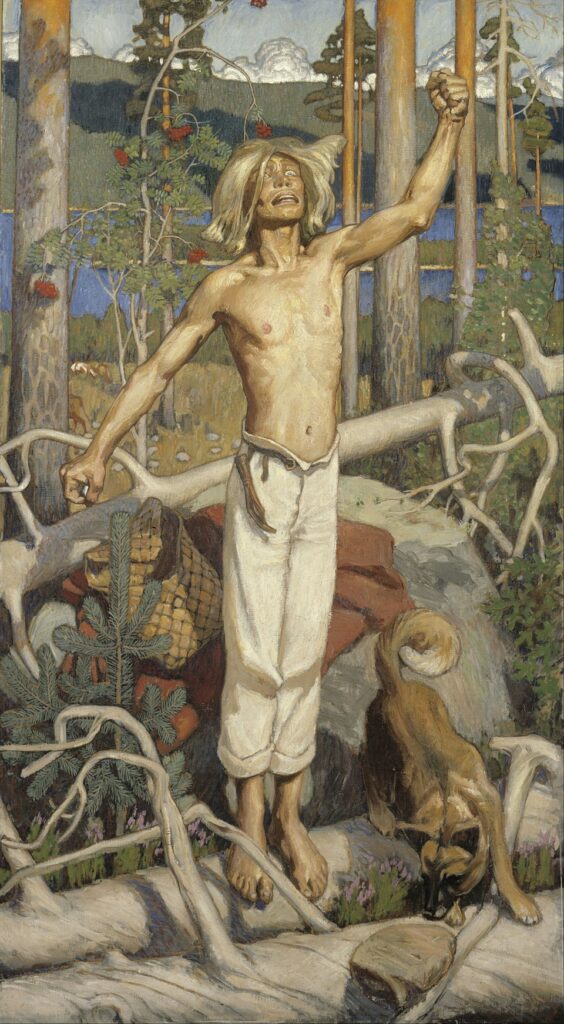
Sibelius’ friend the painter Akseli Gallen-Kallela (1865 – 1931), is now most famous for his paintings that illustrate scenes from the Kalevala epic. He and Sibelius were equally inspired by these tales of two of the legendary heroes from the book, Lemminkäinen and Kullervo.
Kullervo was one of the boyish heroes of Kalevala, a joyful extrovert , like Wagner’s Siegfried, who was immensely strong and brave but who was also fated to endure a sorrowful life and to die in despair, after discovering that he had had incestuous love with a woman who turned out to be his long-lost sister.
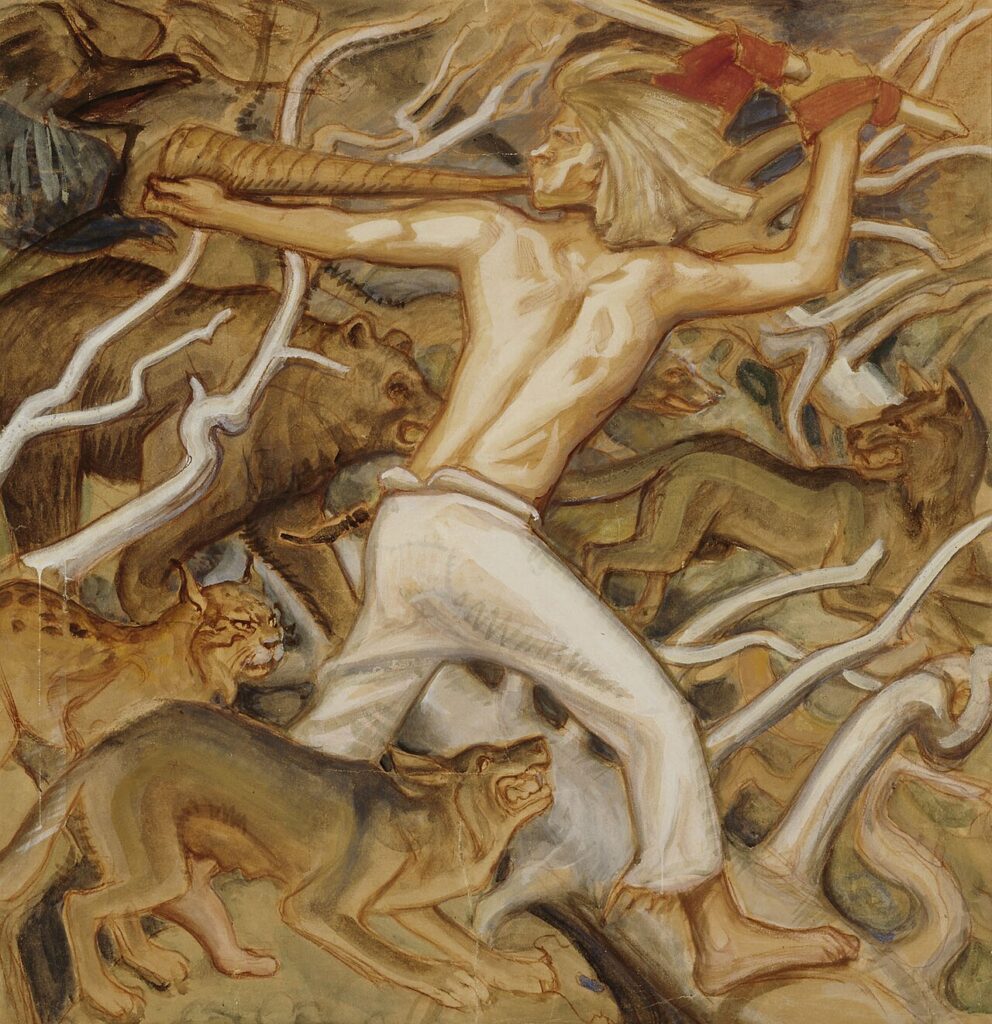
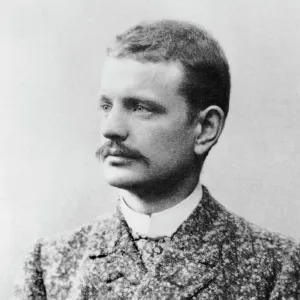
Sibelius began his epic journey as a symphonist with his portrait of Kullervo in his first symphonic score, his giant choral symphony for soprano and baritone solos, male voice chorus and a large symphony orchestra, his Kullervo, Op. 7 (1892). It made him famous.
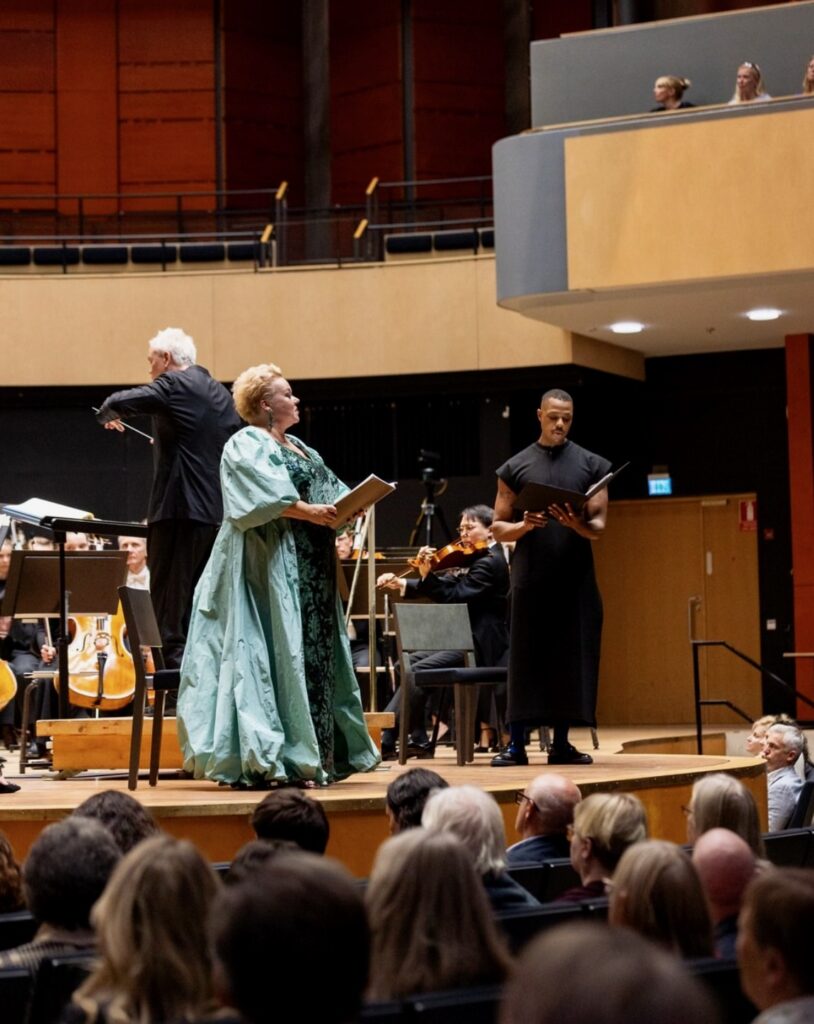
Kullervo isn’t performed a lot, but I was lucky to hear it twice in a year, first in London om 2024 and then in Lahti in 2025, with the same soprano, Johanna Rusanen, but a new baritone, the excellent American singer, Davóne Tines. The roof-raising splendour of the Finnish men’s chorus, the same YL Male Choir from Helsinki that had sung in London. It was a magnificent occasion in both venues.
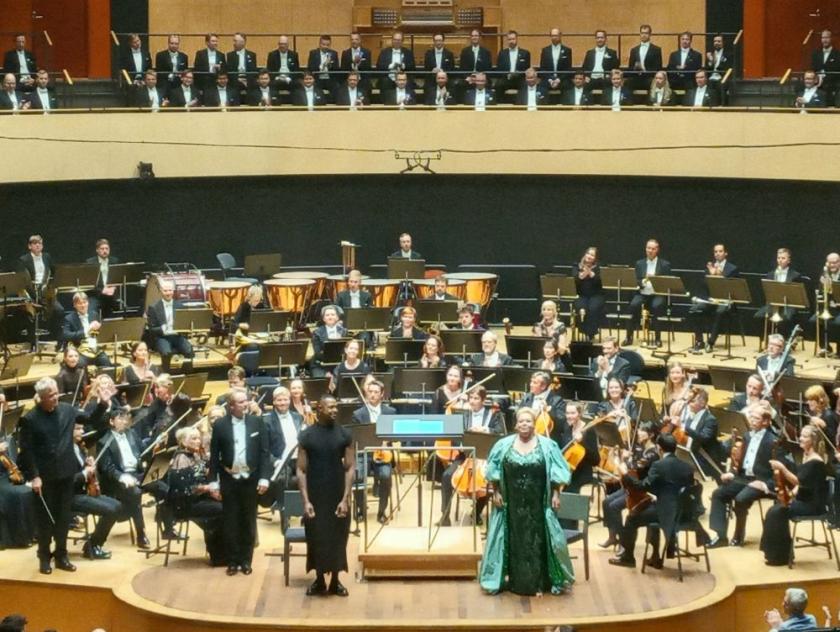
The fate of Kullervo and his sister, destined to fall in love without knowing each other’s identity, has many similarities with Wagner’s hero Siegmund and his incestuous relationship with his sister, Sieglinde, in act one of his opera Die Walküre (1870). Sibelius knew and admired Wagner’s work, he had seen Die Walküre at Bayreuth in 1894, and said that he’d found it overwhelming. By attempting to write his own Wagnerian epic, he was pitching his ambition high, just nine years after Wagner’s death. Wagner’s influence went even deeper after he’d seen Parsifal at Bayreuth, it forced a crisis of identity when he reallised he had to move his music forward in new directions.
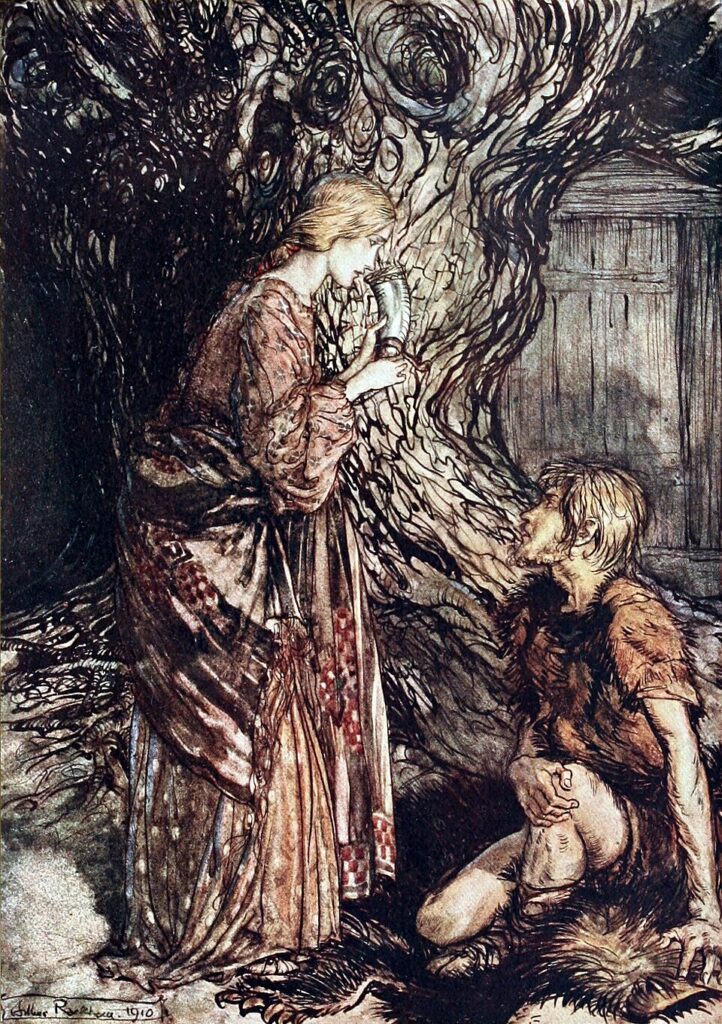
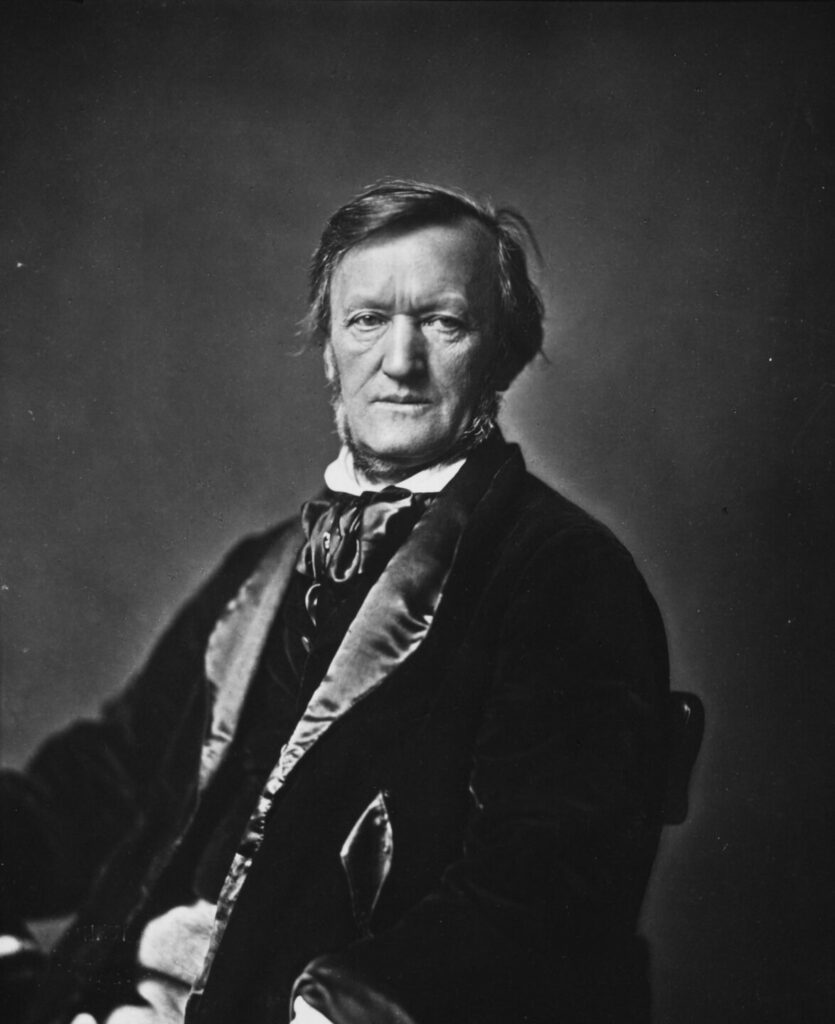
The 2025 Sibelius festival had programmed act one of Die Walküre as the closing half of the second day. I wondered how many times Die Walküre and Kullervo have been performed in such proximity, on consecutive days. For me, I had heard both pieces relatively recently, Kullervo in London, and Die Walküre in Helsinki, also conducted by Hannu Lintu and with the same soprano as Sieglinde, Miina-Liisa Värelä. One of Wagner’s greatest pieces, the first act of Walküre was heard the day after an ‘apprentice piece’ by the 26-year old Sibelius. The comparison was fascinating, but, of course there was no real competition. Having said that, the Sibelius has its moments of greatness, of true originality and beauty and definitely deserves to be performed a lot more often. I now really like the piece for its boldness and its stark orchestral textures. Die Walküre Act One is one of the most perfect movements that Wagner ever wrote, so, whatever the occasion, I would always love to hear it, and I wasn’t disappointed in Lahti. I am hoping, one day, to see Hannu Lintu’s complete Ring cycle in Helsinki when they mount all four of their punkish productions at the Finnish National Opera House.
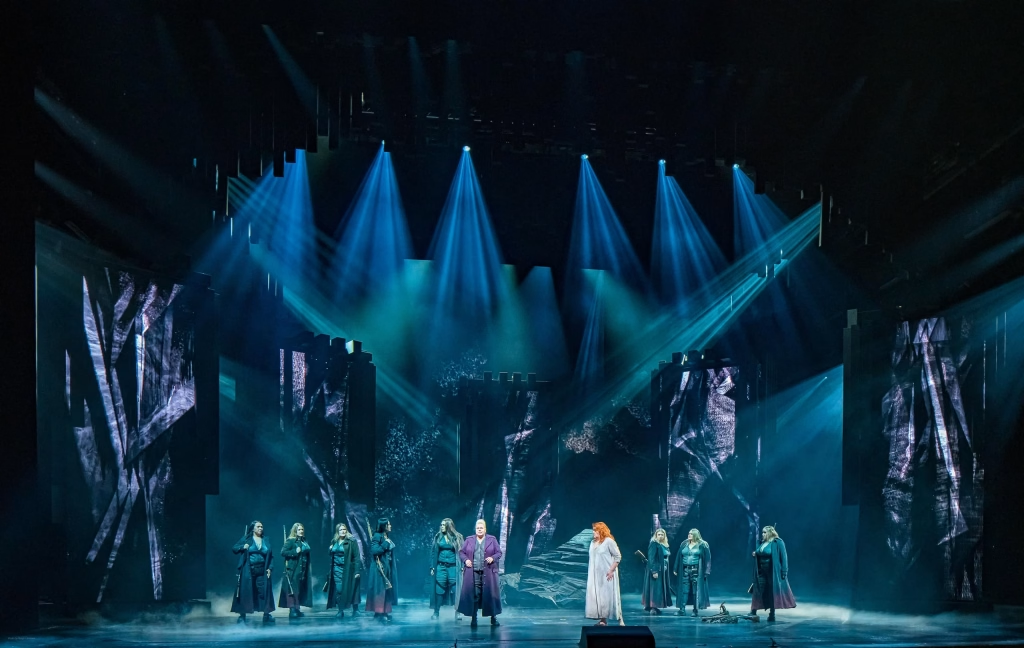
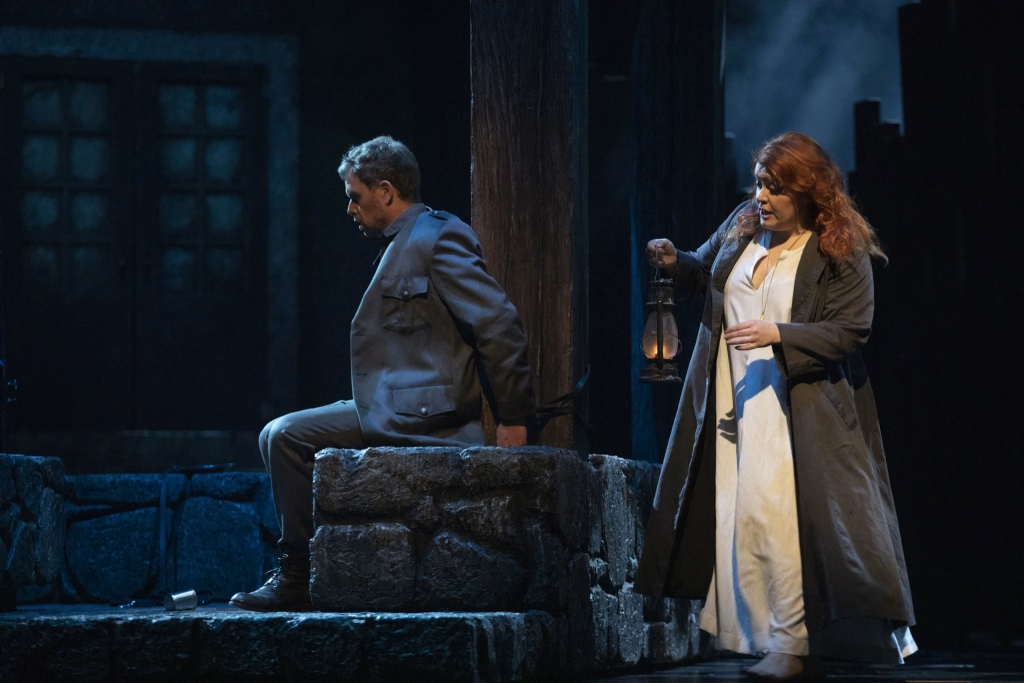
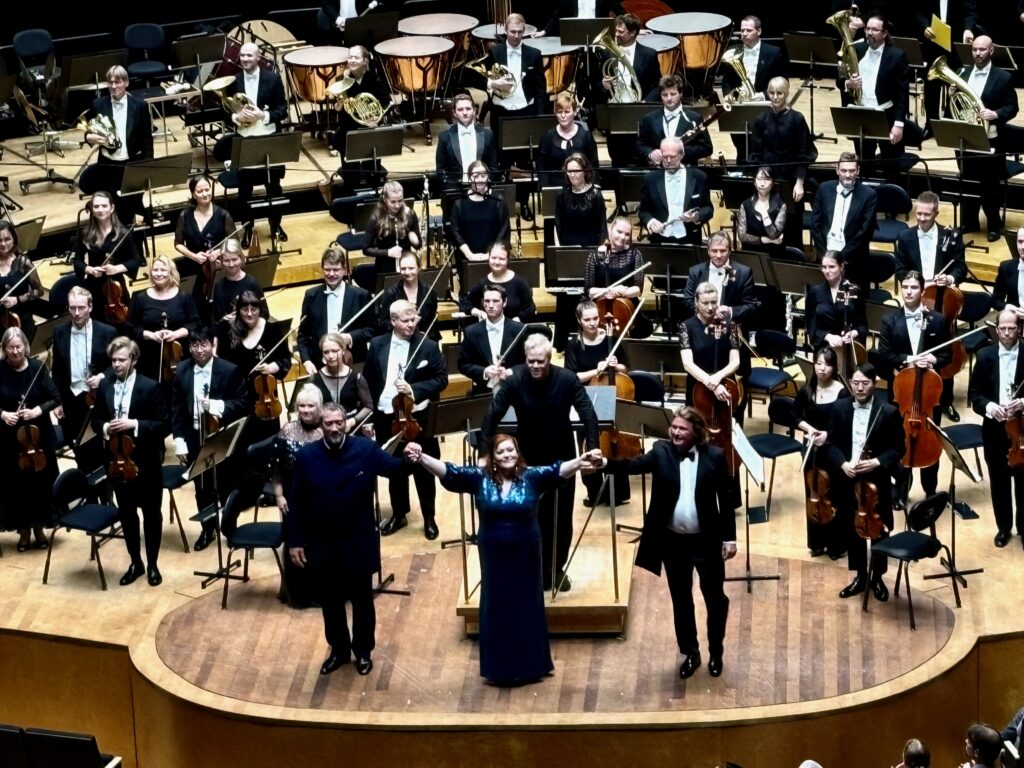
It wasn’t all Wagner tubas and timpanis at the festival, there was also a chamber music series, featuring a different kind of hero in the Finnish pianist, Ossi Tanner, who took on Sibelius’ wildly extravagant Piano Sonata. And because this festival was all about drawing comparisons and spotting musical relationships, Ossi Tanner also played a set of piano pieces by that other great Nordic composer, the Norwegian Edward Grieg (1842 – 1907) – four of his well-known but still under-estimated Lyric Pieces (1867 – 1901).
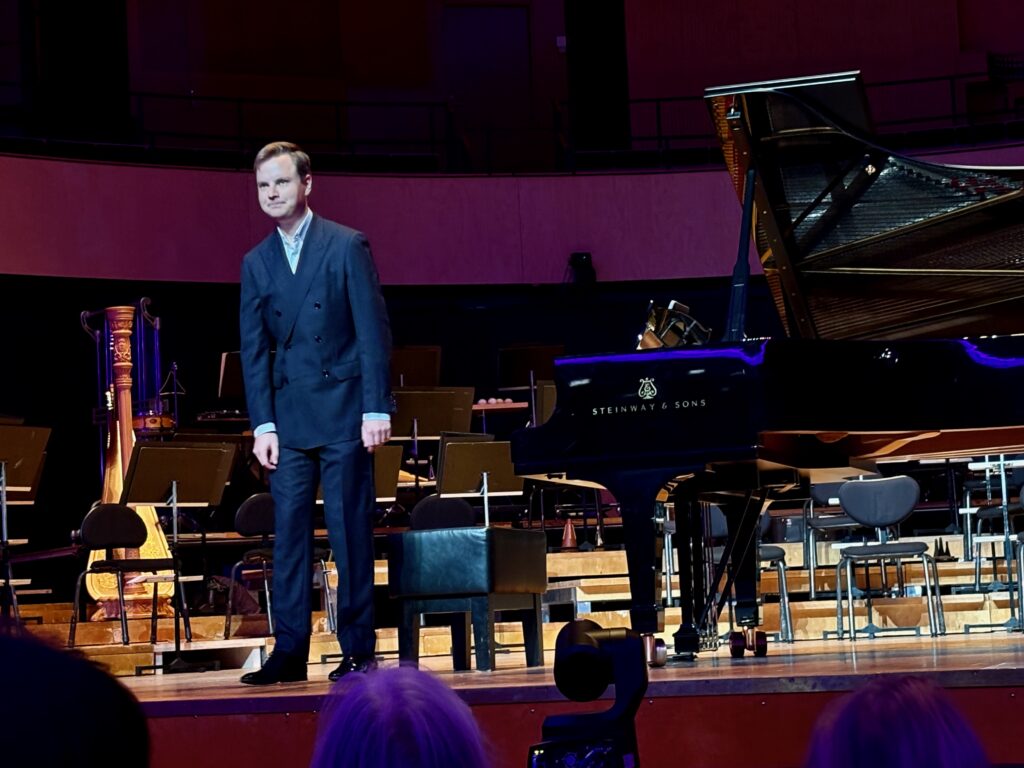
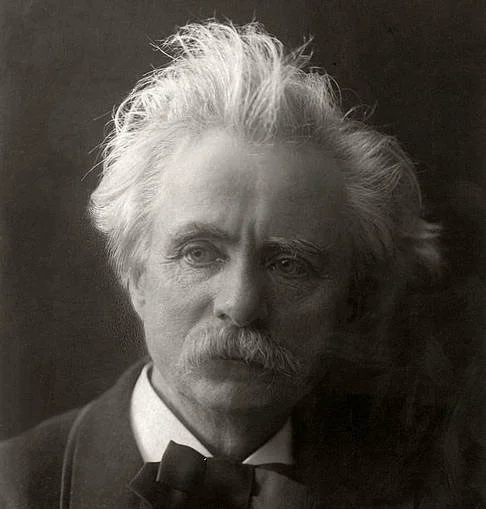
Edvard Grieg did for Norwegian music what Sibelius did for Finnish music and between them, they engineered a tilt of the world of European art music to the North. The movement has continued and is still developing today with the plethora of Nordic composers, the great grandchildren of their two great forebears. Maybe Grieg is best known these days for one of the most popular of all piano concertos and for his unforgettable incidental music for Peer Gynt, the play by another great Norwegian, Henrik Ibsen (1828 – 1906), the radically original drama that was part of the Nordic reworking of European theatre that also included the plays by another Sibelius acquaintance, the Swede, August Strindberg.
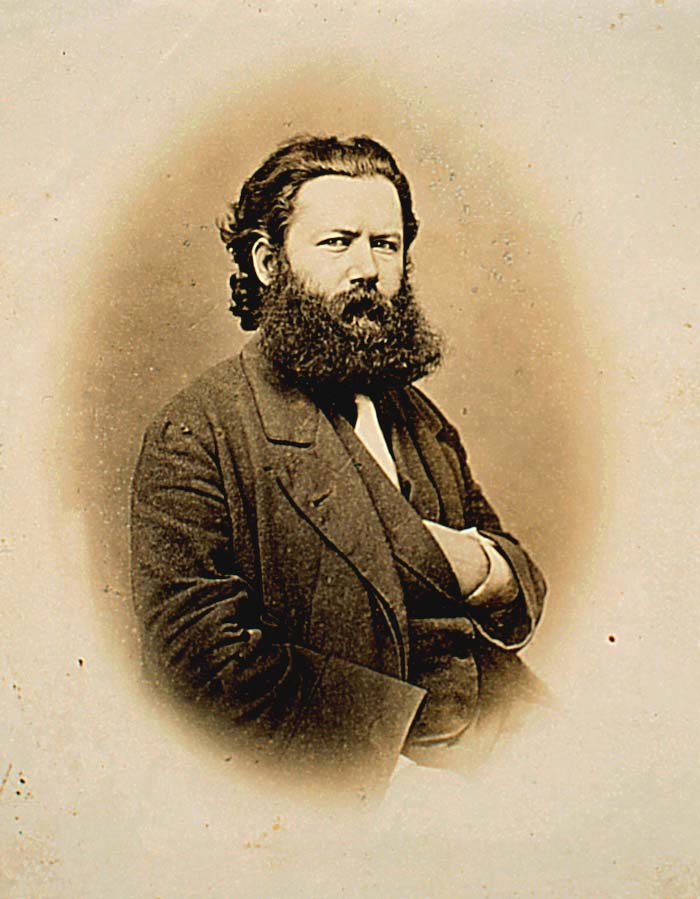
In the last decades of the 19th century there was a coming together of new artists, writers, and musicians from the Great North, many of them congregating in Berlin which was bcoming a kind of Nordic Paris. This group included the Finnish soprano Ida Ekman, who was, reportedly, Sibelius’ favourite singer. She became a friend and he dedicated a number of his songs to her. She often performed his work, becoming their leading exponent of his often very original songs. Ida Ekman also knew Edvard Grieg, who accompanied her on the piano on a concert tour of both composers’ songs.
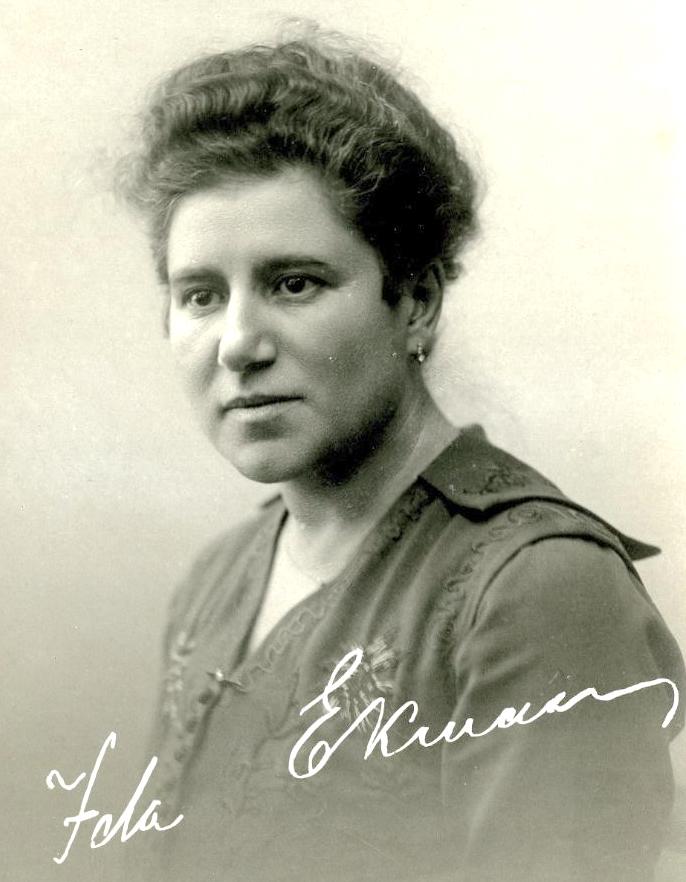
She wrote about Grieg and Sibelius in a memoir: ‘One particular person for whom I was also able to sing Sibelius was Edvard Grieg. This came about as I presented his Lieder with him on a concert tour to Warsaw. We were together ten days and each day I was supposed to sing Sibelius for him. “He will be one of the greatest men of the North,” Grieg once said to me. Grieg was so enthusiastic that he
promised to visit Finland soon, but several months after our trip he died.’
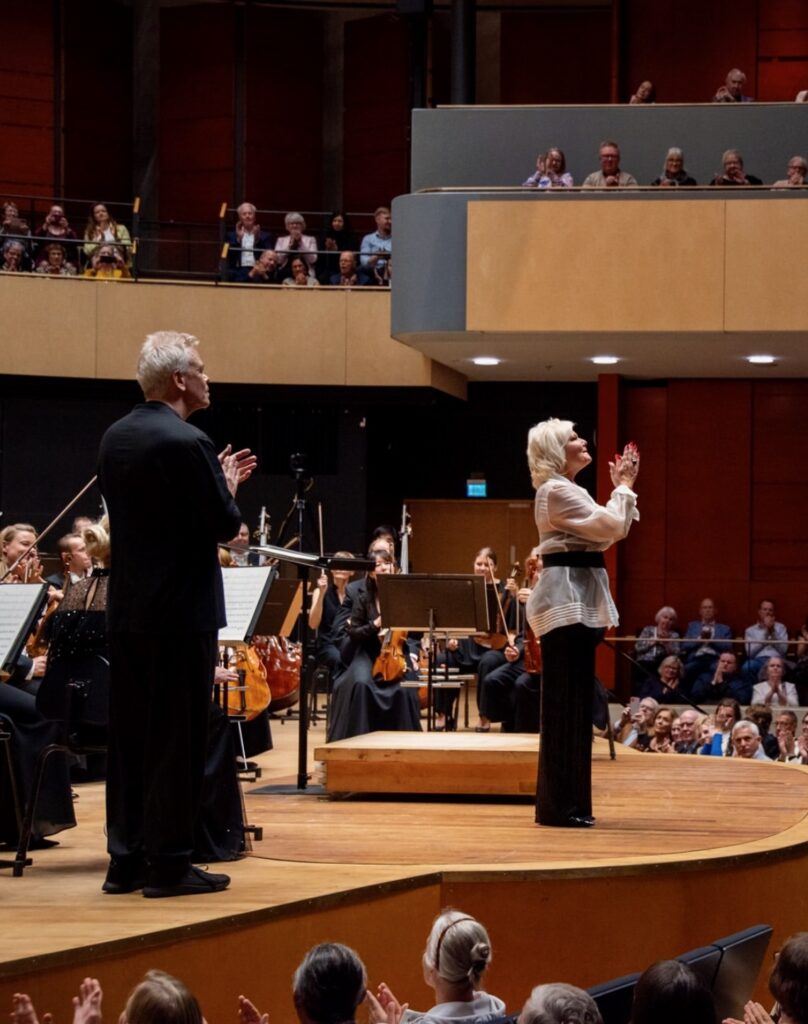
There was mutual respect between the two most famous Nordic composers even though they never actually met. Their songs are in the repertoire of the international opera star, the Finnish soprano Karita Mattila and she came to Lahti for the closing concert when she sang orchestral songs by both composers, Grieg’s songs from Peer Gynt and his well-known En Svane (A swan) and Vǎren (Spring). She closed with a selection of Sibelius’ songs, including the magnificent Svarta rosor (Black Roses). There were no apologies or excuses before she sang, but it became noticeable by the pauses between songs, and then a longer gap as she left the stage, that she was nursing her voice through some kind of infection. She made sure that she could deliver of her best by pacing herself through would could have been an ordeal. It was a masterclass of a great singer’s vocal technique. In Sibelius’ Svarta rosor, she had saved the most difficult and demanding song to the end and she delivered it real passion and drama.
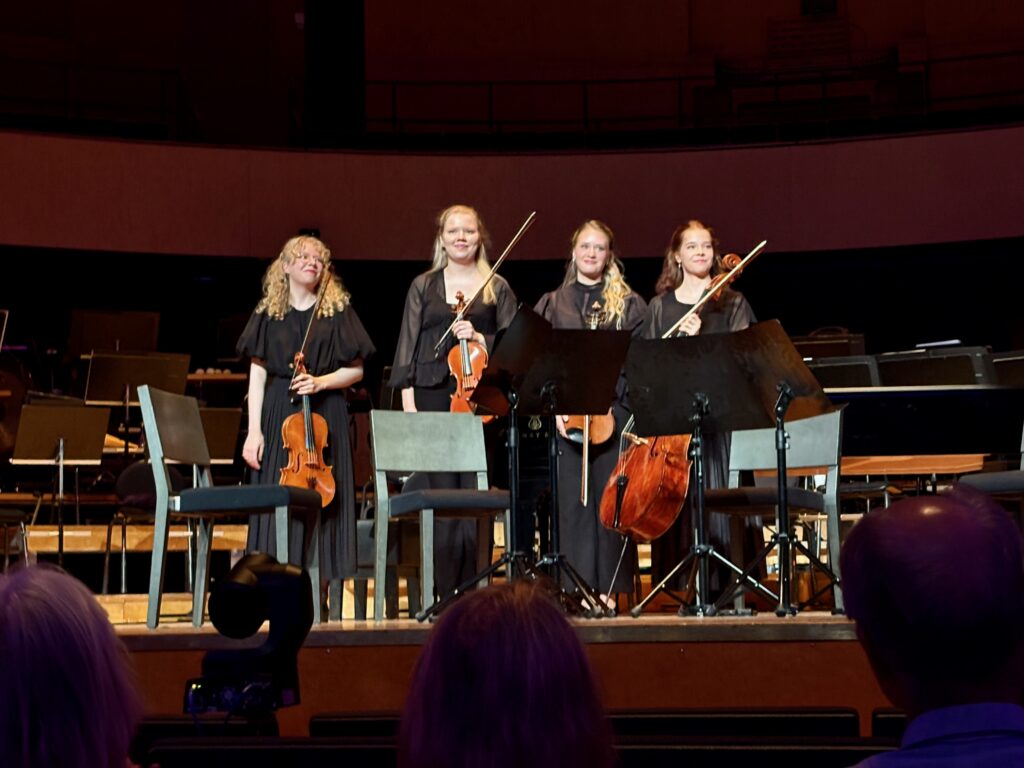
Earlier in the festival, the ILOA String Quartet played Sibelius’ early quartet in A minor (1889) and were joined by pianist Ossi Tanner for Sibelius’ youthfully reckless and virtuosic concerto-like, Piano Quintet, (1890) – neither works are played very often and it was a real thrill to hear these examples of Sibelius in his days of high Romanticism. the ILOA Quartet also played the moving single movement fragment that is all that Tchaikovsky completed of his String Quartet in B flat major, Op. Post (1865). Tchaikovsky thus made his appearance at the Sibelius Festival in honour of his place in the development of Sibelius’ original voice.
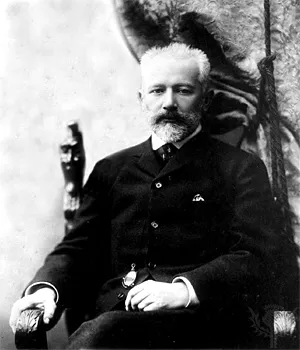
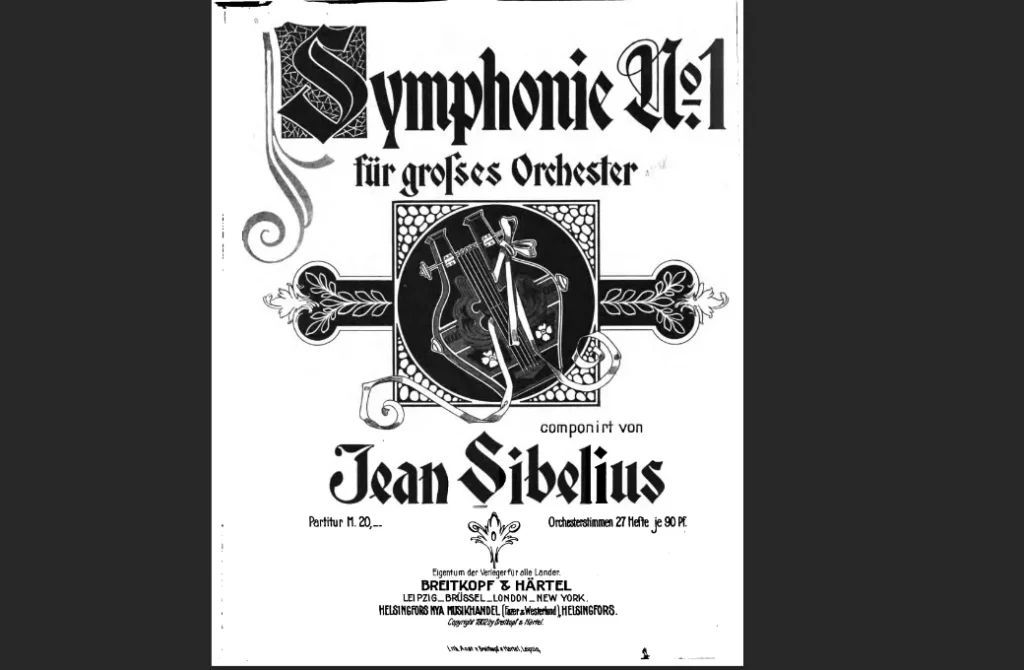
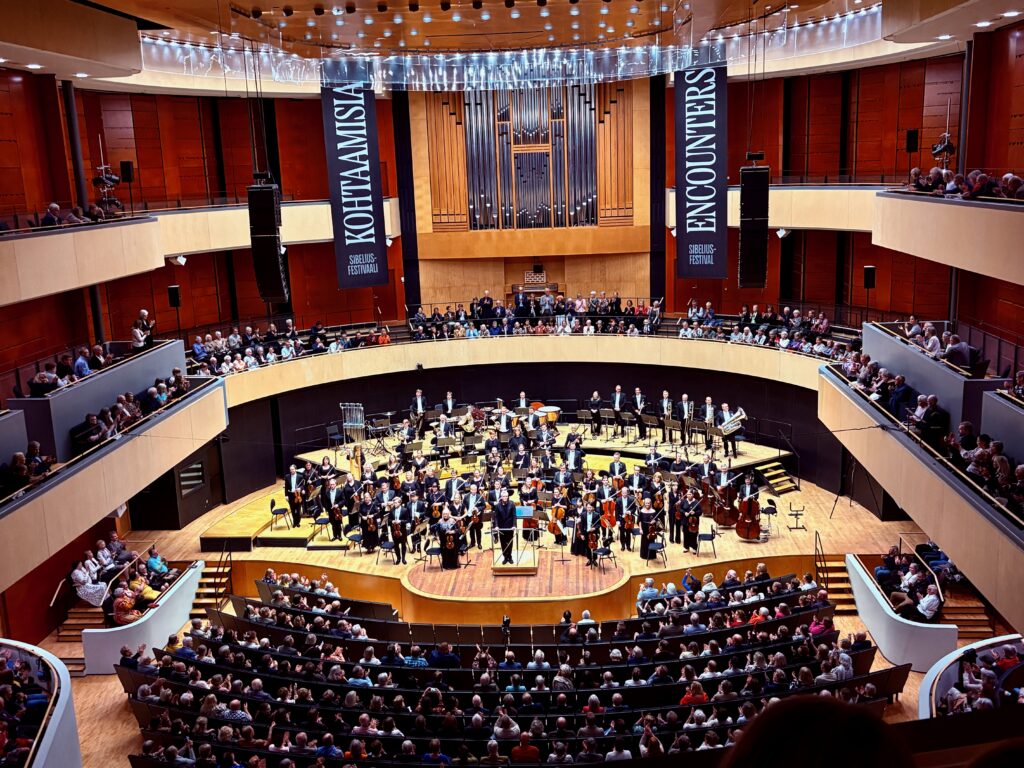
Sibelius couldn’t help but be influenced by Tchaikovsky whose music, particularly his Pathétique Symphony had been performed in Helsinki in 1894, the year after the composer’s death and then, again three years later, in 1897. Sibelius was at both concerts and wrote about Tchaikovsky to his wife: ‘There is much in that man that I recognise in myself.’ The parts that he recognised, we recognise too in Sibelius’ First Symphony (1899) which was given an emotional and dramatic performance at the close of the 2025 Sibelius Festival.
I have booked tickets for the 2026 Sibelius Festival which will include music by these composers: