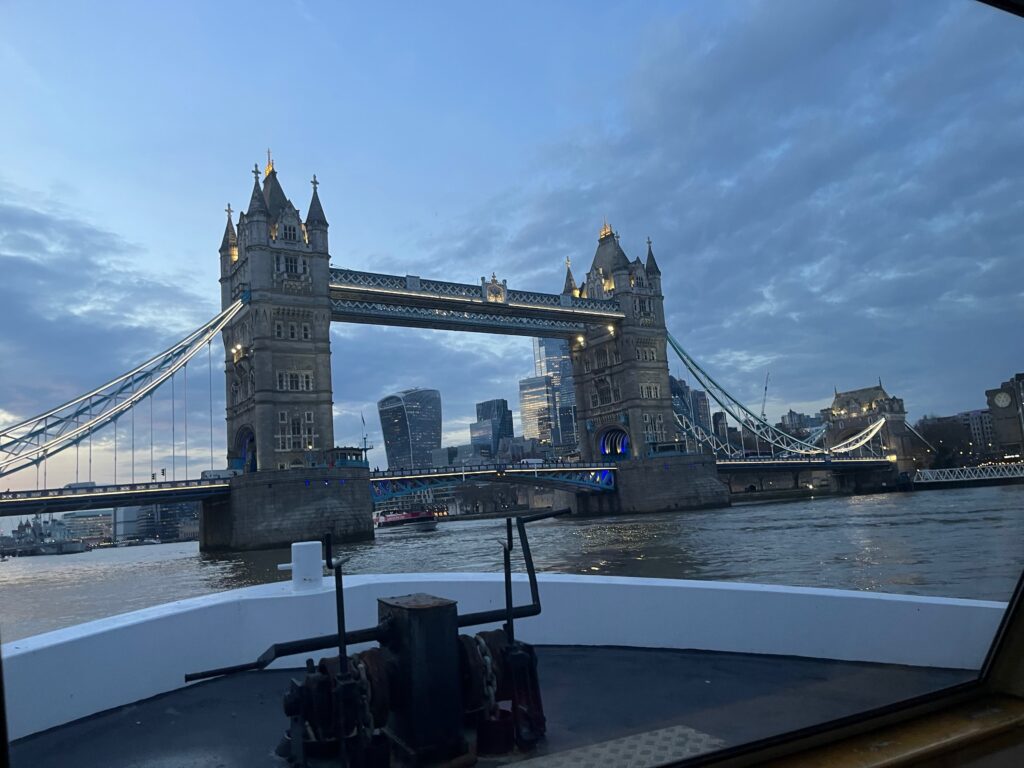
I have been doing a catch-up recently with my blogs. It’s that old excuse, I have been really busy with writing projects and neglected this website over the last year. Forgive me. Now, of course, looking back over recent posts, it looks like I am constantly travelling overseas, well, to Europe. It’s not really true. Over the last five years, I have definitely been on the road more than usual, I’ve been very lucky to be able to have visited France, Italy, Finland, Germany, Estonia and Georgia, exploring Europe in a way I have never done before. Post Brexit and Covid, I have been using my Irish passport, as a citizen of the European Union. Maybe retaining my citizenship of Europe encouraged me to explore its boundaries, or maybe I just love European arts and culture too much to allow myself to feel locked out.
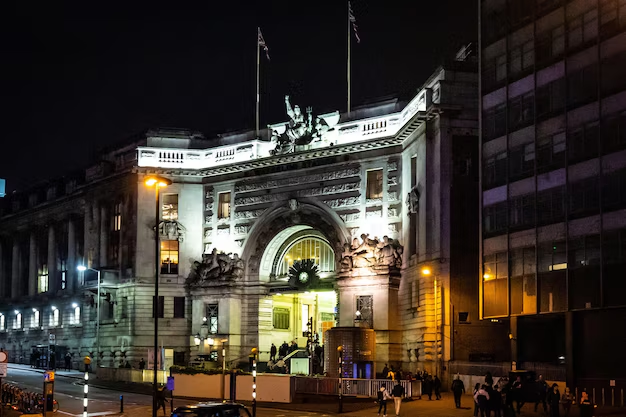
Two things occur to me, writing this blog. One is the need to explain why I am writing it, and the other is to put on record how much I love British arts and culture too. I am truly fortunate to live in the arty English town of Lewes, an hour away from London by train. I want to give you an idea of why I go to London and why I think it is still one of the great cities of the world. For me, it’s the place where I go most often to satisfy my life-long passion for music and art. In the one year I document here, I have been truly inspired by what I’ve seen and heard in good ol’ London Town.
Of course, also for the record, and for all this stuff about the wonders of Europe and, the UK’s foolishly severed relationship with it. I love London – scroll on to see some of my reasons for so doing.
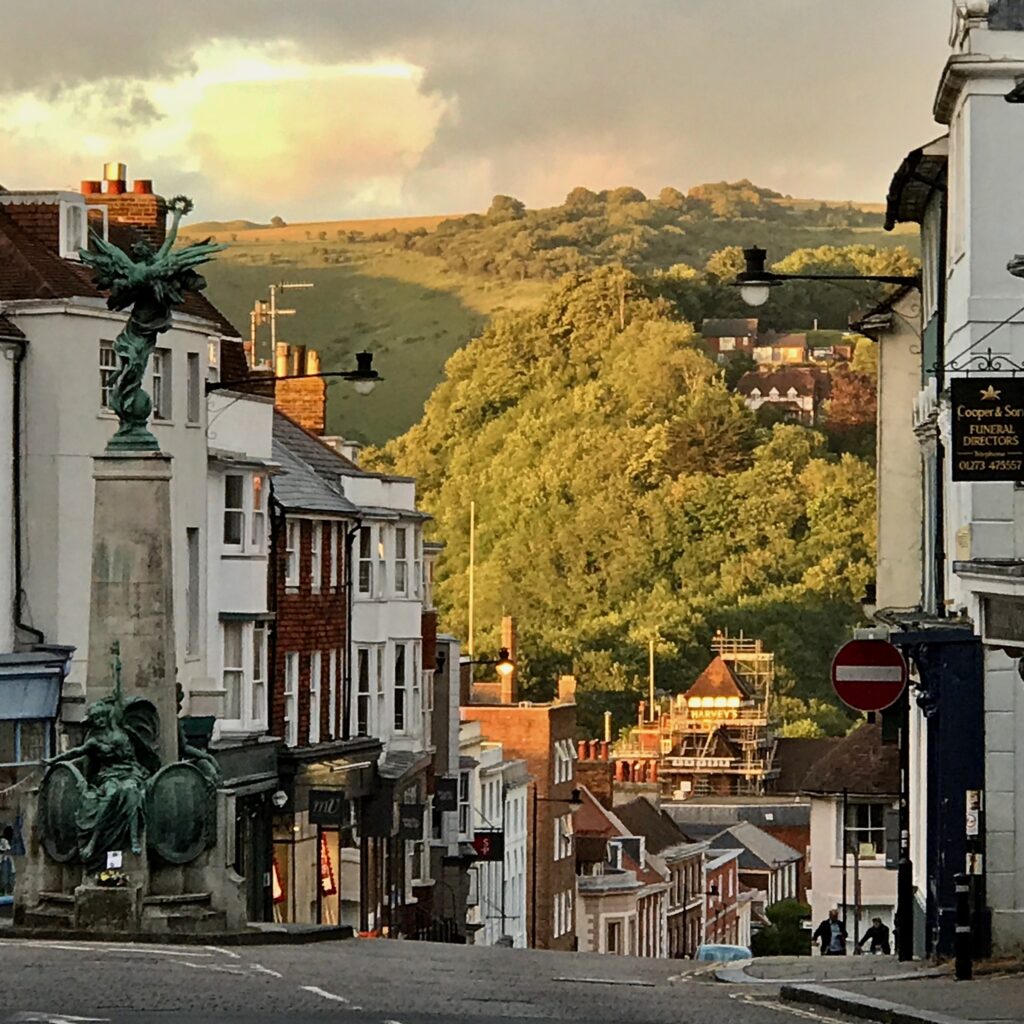
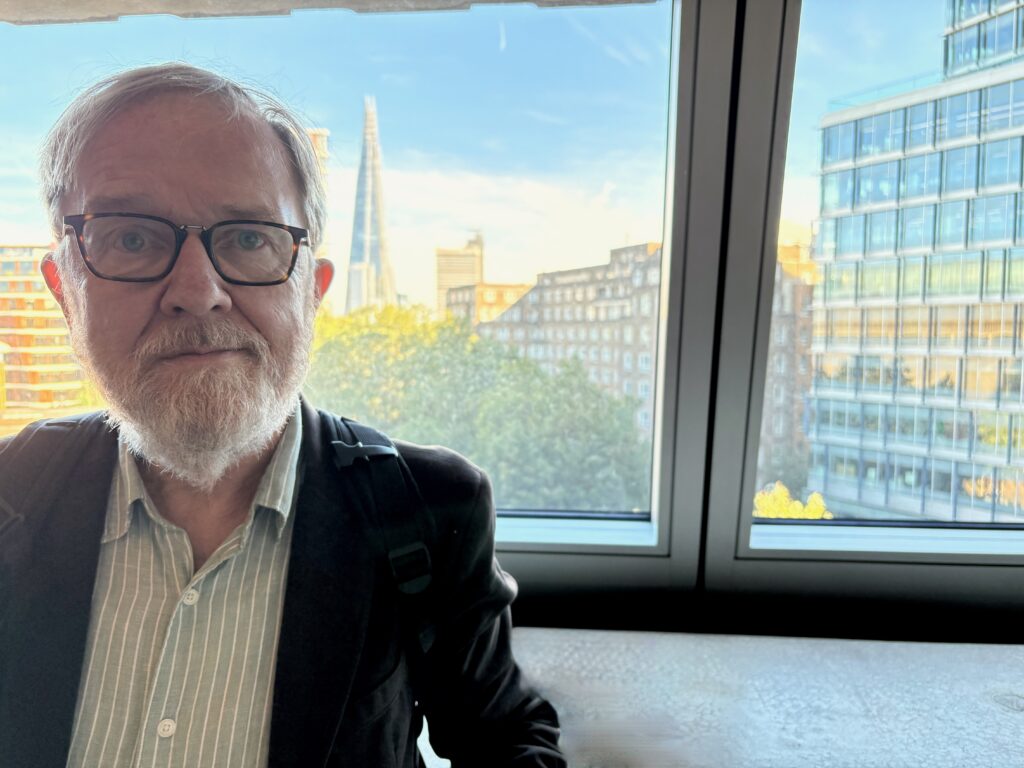
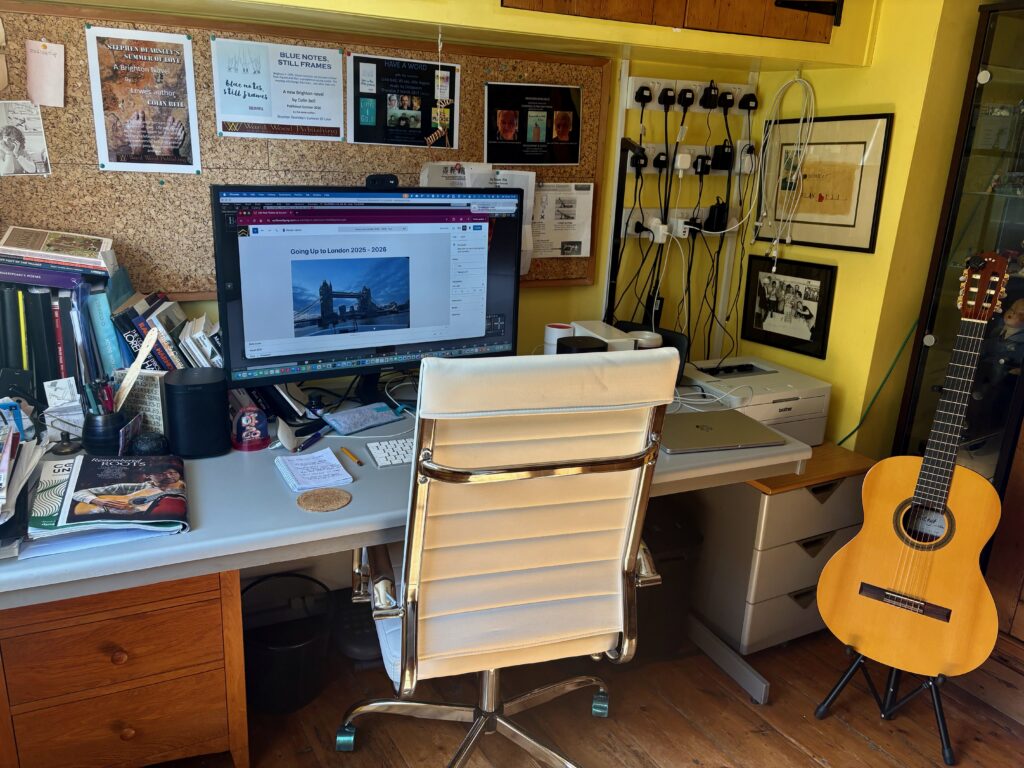
One last thing – if I give the impression of being a bit of a globe-trotter, the truth is that mostly, as all writers, I spend most of my time in a small room here in the lovely town of Lewes in Sussex. In fact, friends tell me that I don’t. go out enough.
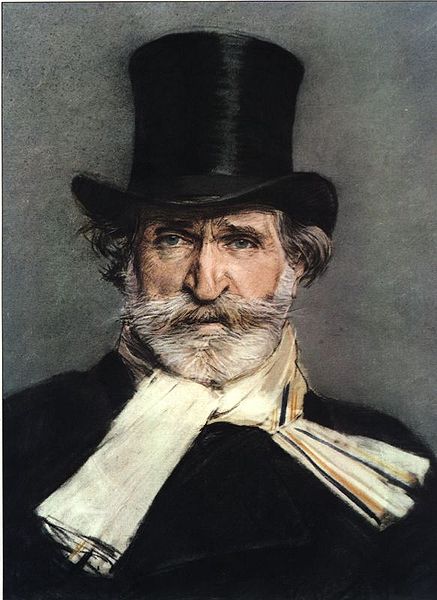
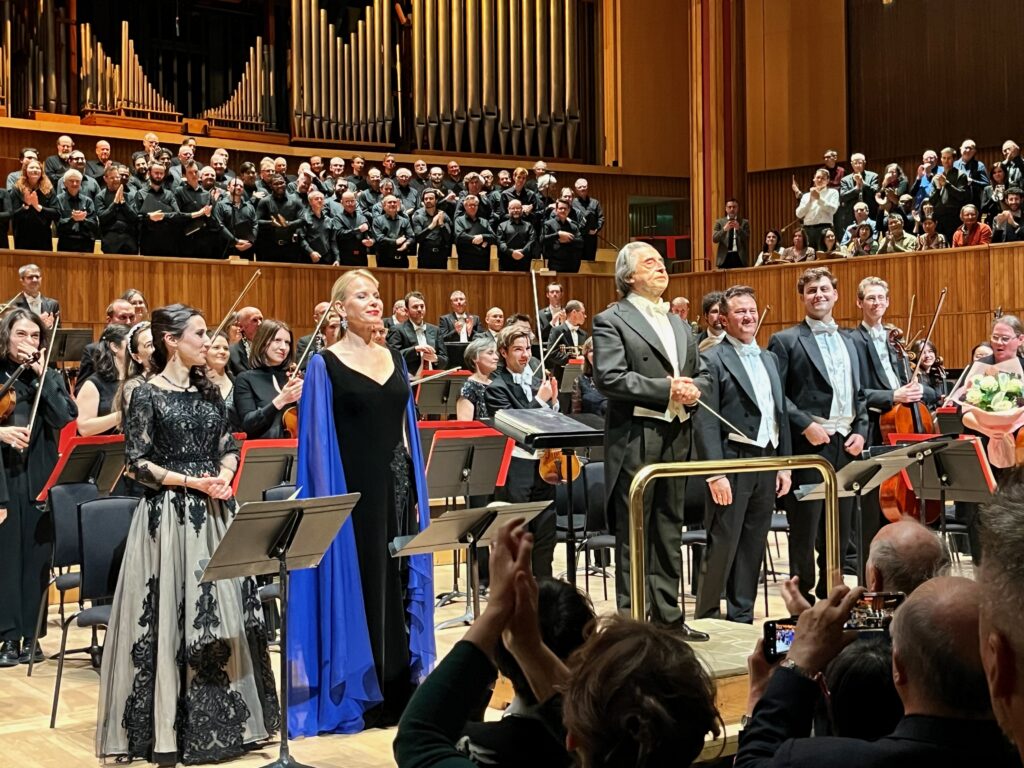
Verdi’s Requiem with Riccardo Muti, a true Maestro
27th March 2025
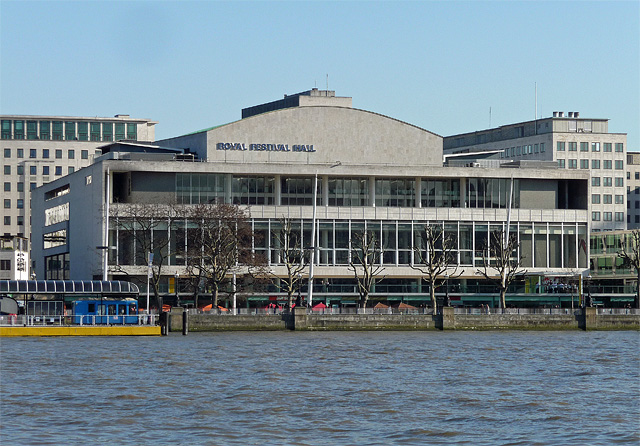
Marie Lys, soprano, Elina Garanča, mezzo-soprano, Piotr Beczala, tenor, William Thomas, bass, Philharmonia Chorus, Philharmonia Orchestra, conducted by Riccardo Muti.
“Neil Fisher, chief music critic of The Times recently interviewed Riccardo Muti and aptly described him as the last of the ‘Big Beasts’. Tickets for this concert were like gold-dust, the hall was packed to the gunwales; there were people standing (with paid tickets) at the rear of the stalls. This was not simply another concert – it was a major musical event…It was not only a huge pleasure to attend this concert, but it was also a privilege and certainly one for the record books.” John Rhodes, Seen and Heard International.
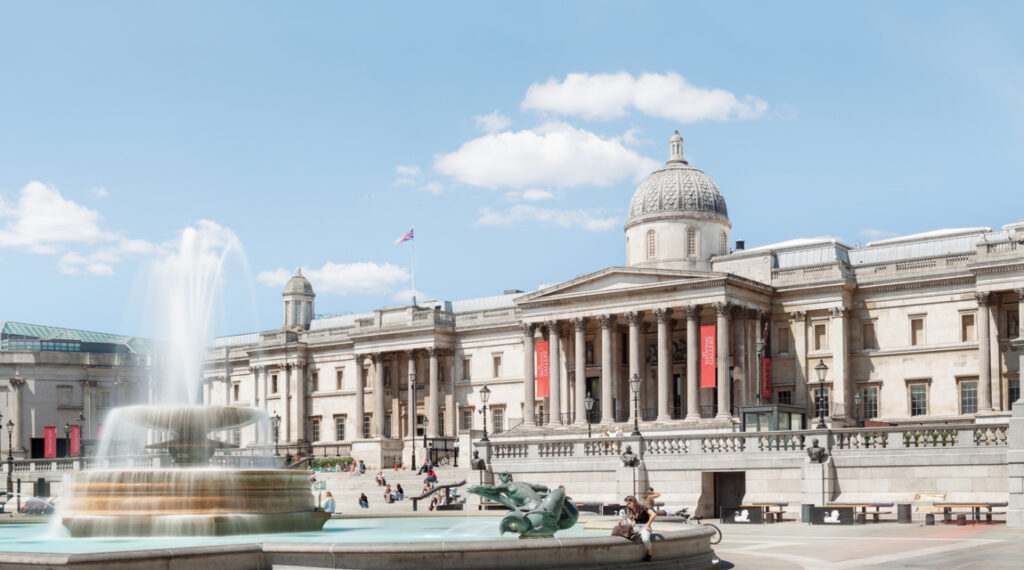
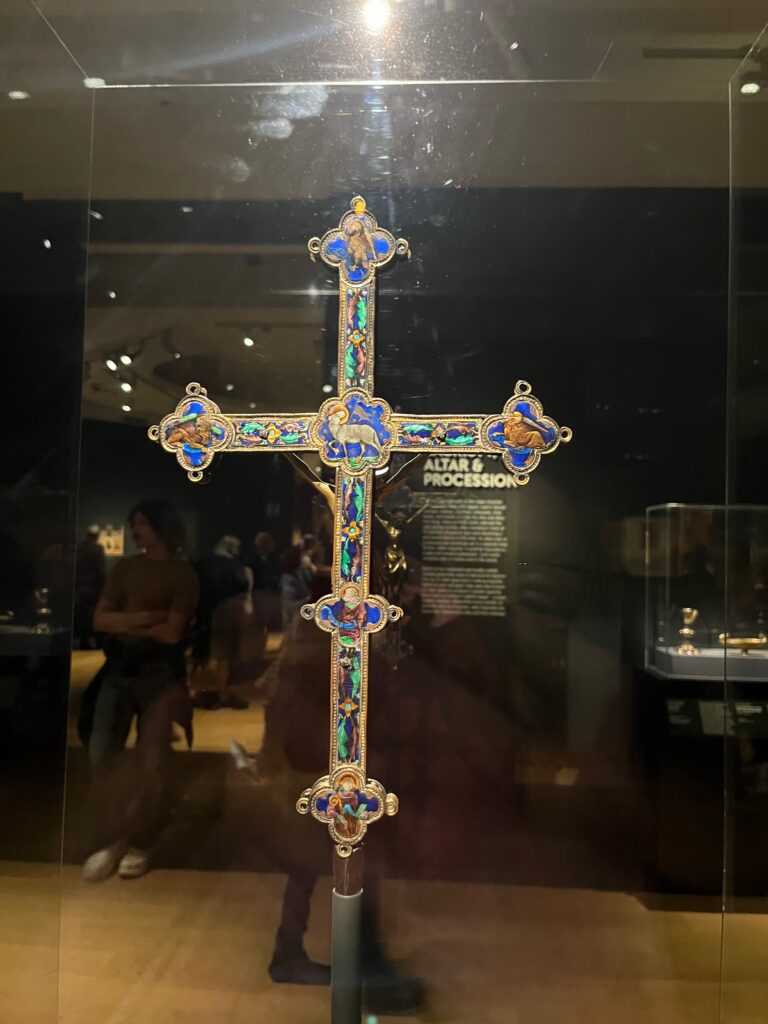
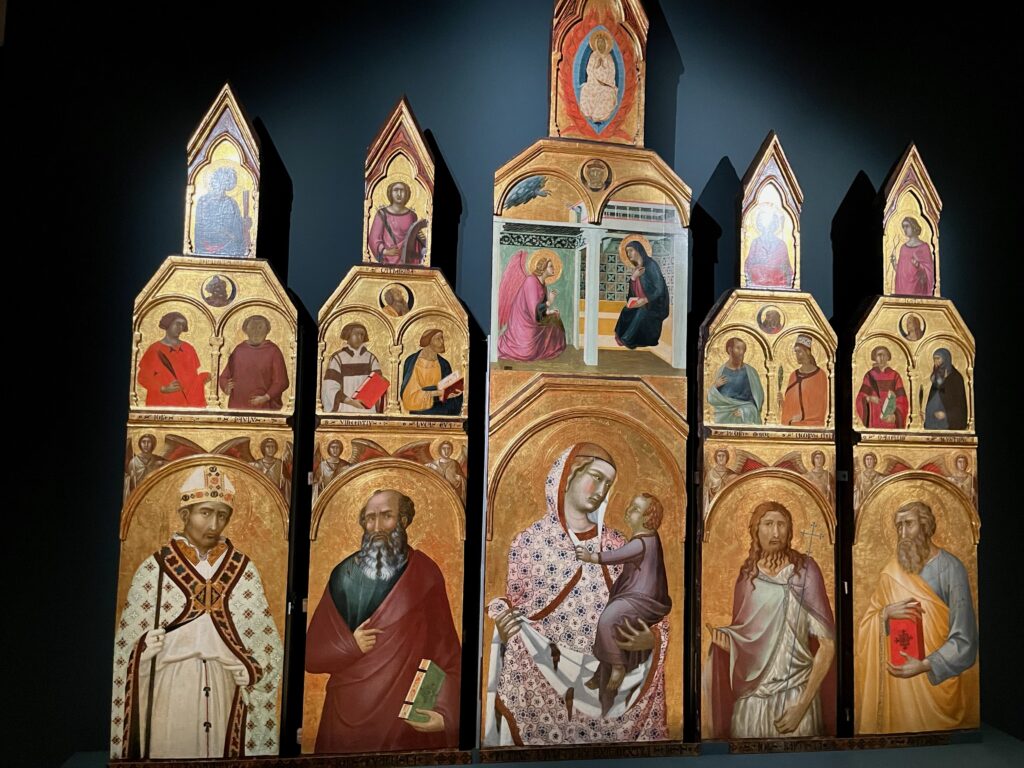
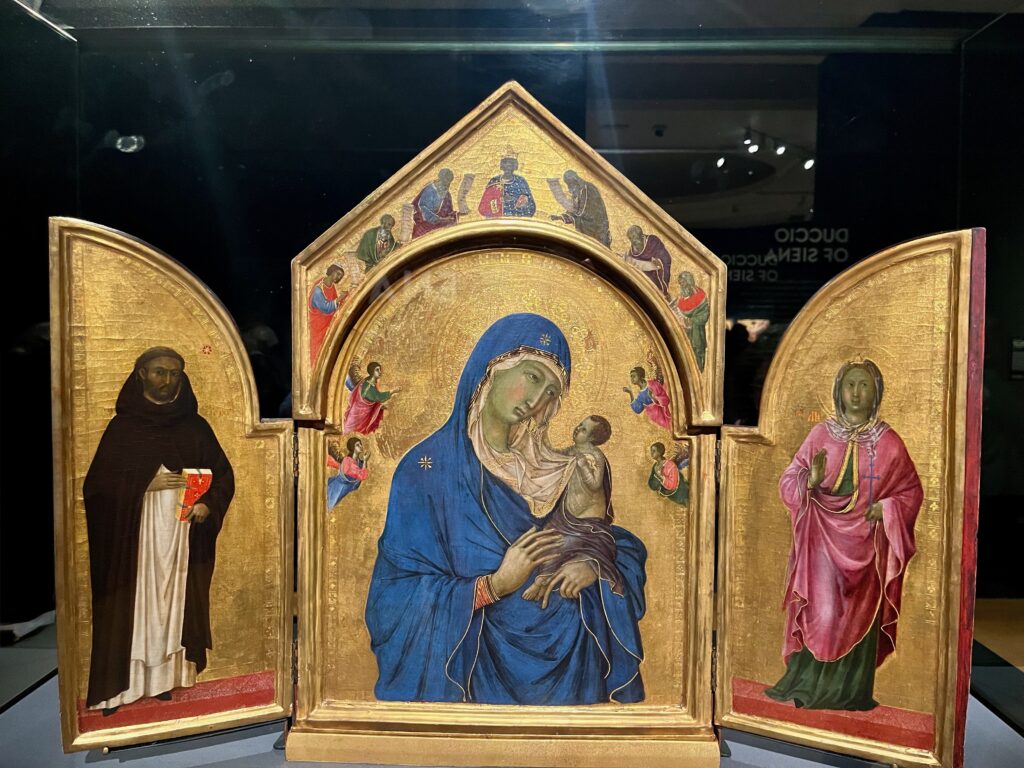
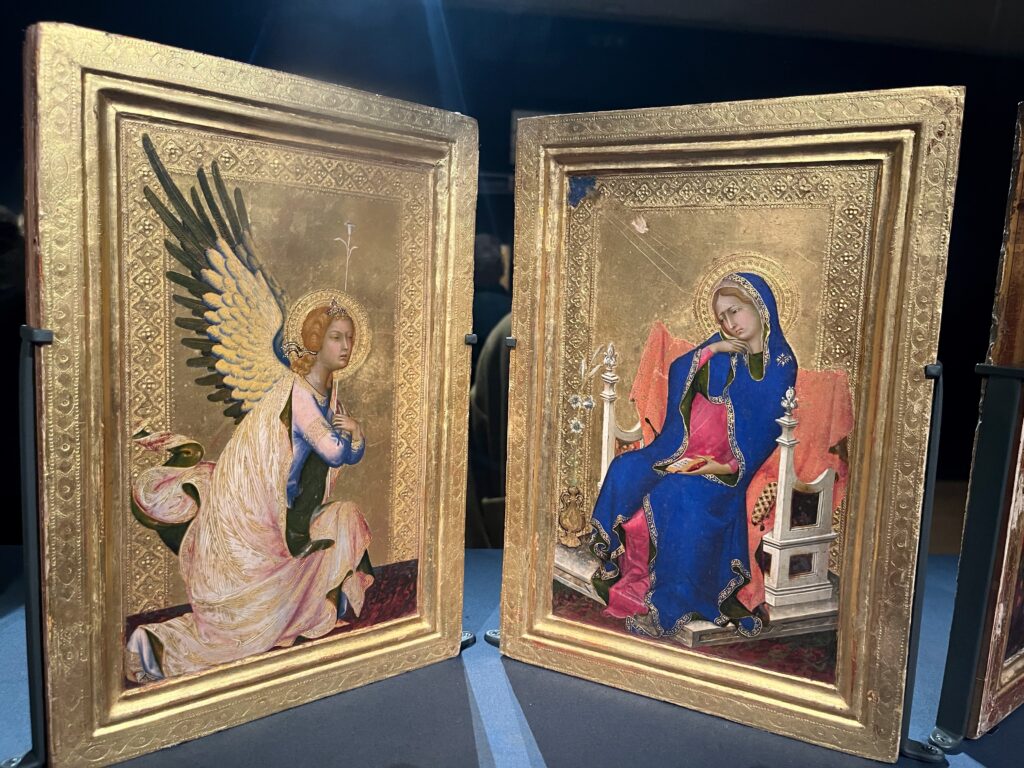
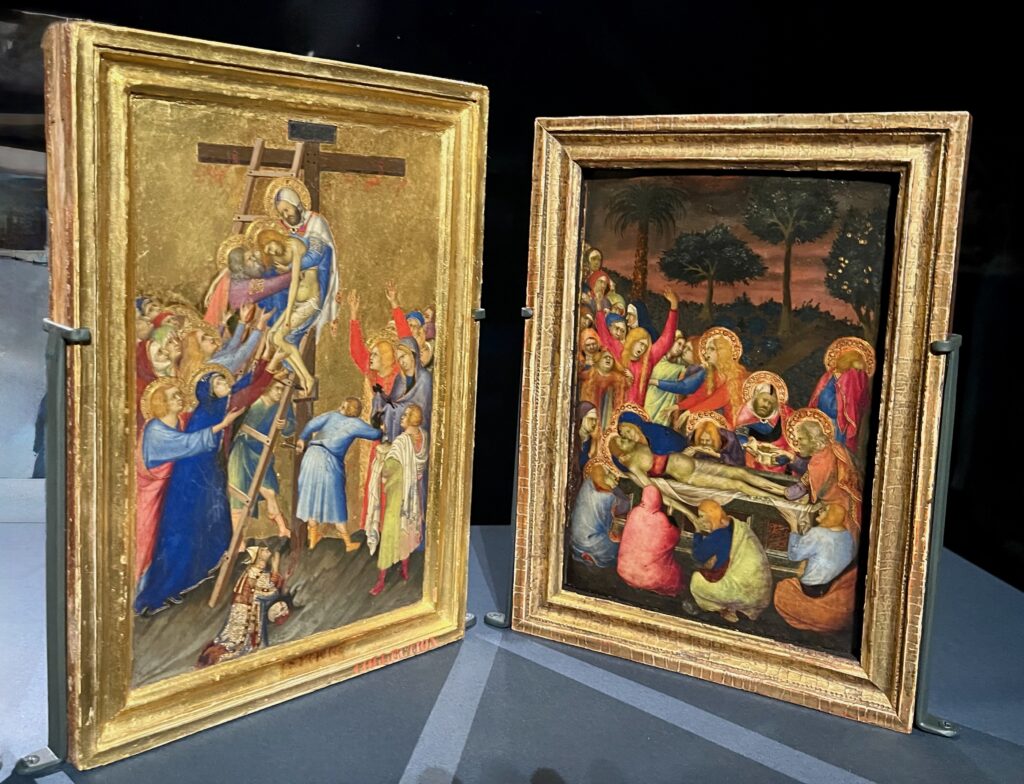
Siena: The Rise of Painting, 1300 ‒1350
27th March 2025
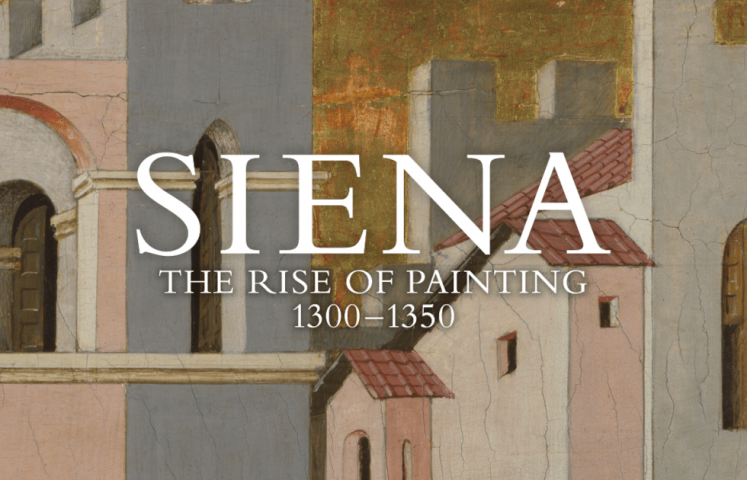
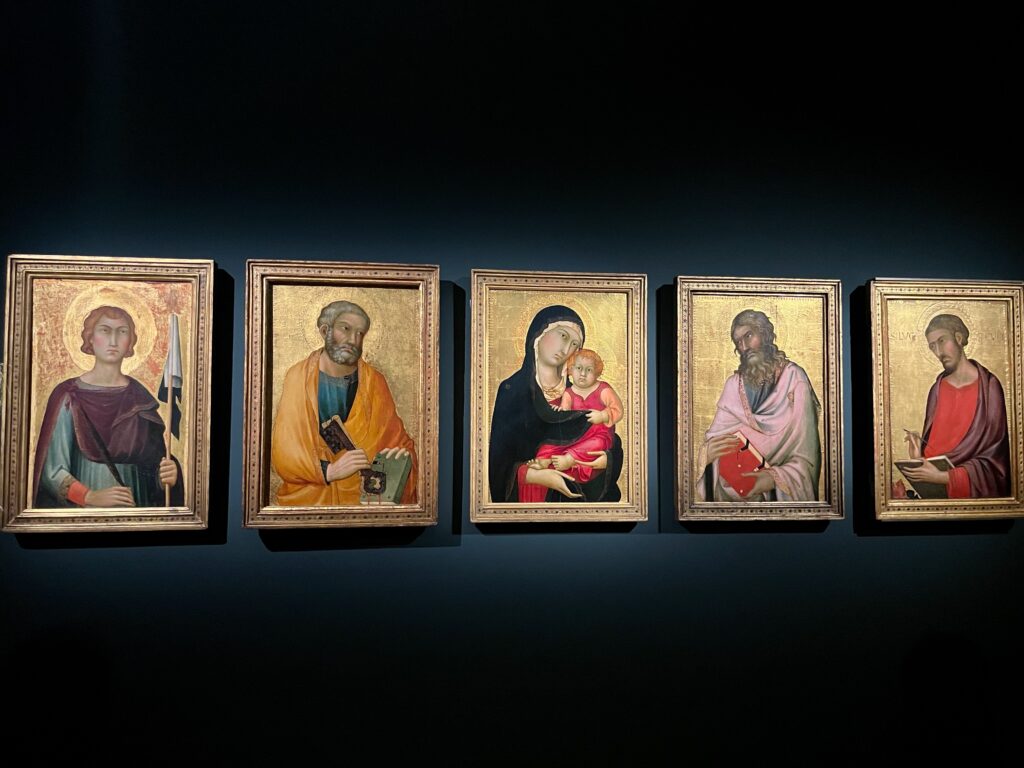
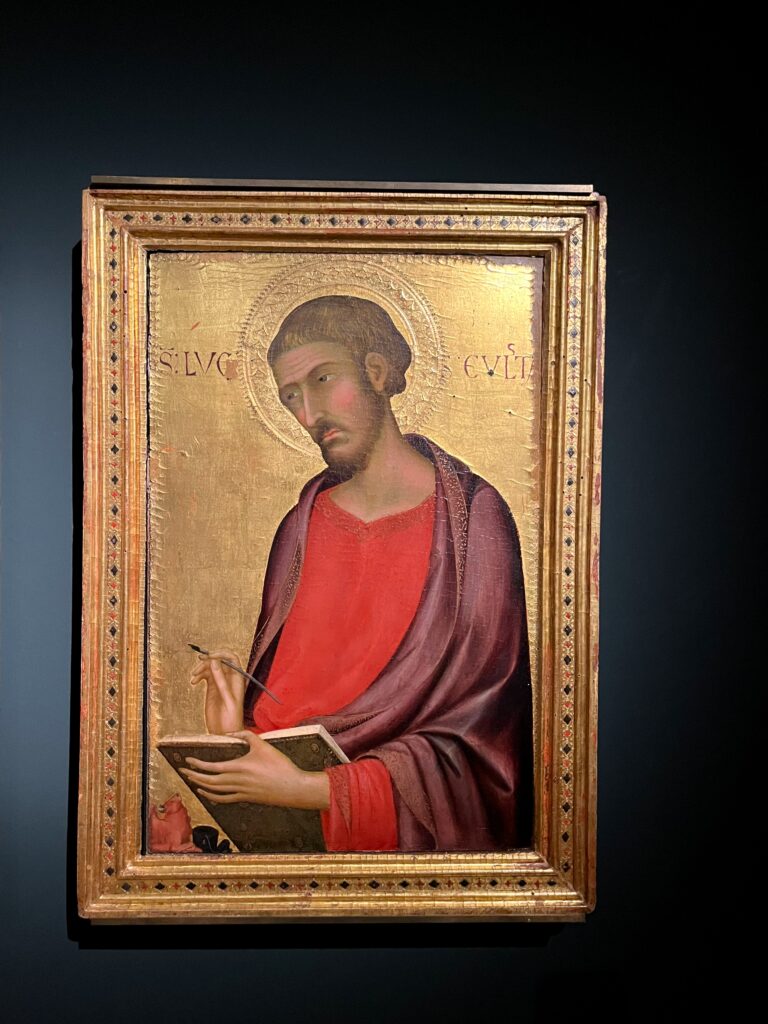
This epochal exhibition is full of works so intimate and expressive that the painters of a medieval Italian city 700 years ago suddenly seem close at hand. Seven centuries ago a poet penned the most ecstatic art review ever written. Francesco Petrarca, known as Petrarch, had commissioned the Sienese artist Simone Martini to paint a portrait of his beloved, Laura. The result was so marvellous, he wrote, that if all the famous artists of ancient Greece “competed for a thousand years they wouldn’t have seen a tiny bit of the beauty that’s conquered my heart”.
Petrarch’s rave review has it right. Conquering the heart is what Martini and other 14th-century painters from Siena do in the National Gallery’s devastatingly exact, epochal exhibition about the moment western art came alive. Simone’s painting of Laura is lost but you see why he was the artist for the job. He is so expressive, so tender, exploding any idea of medieval art as remote. Jonathan Jones, The Guardian.
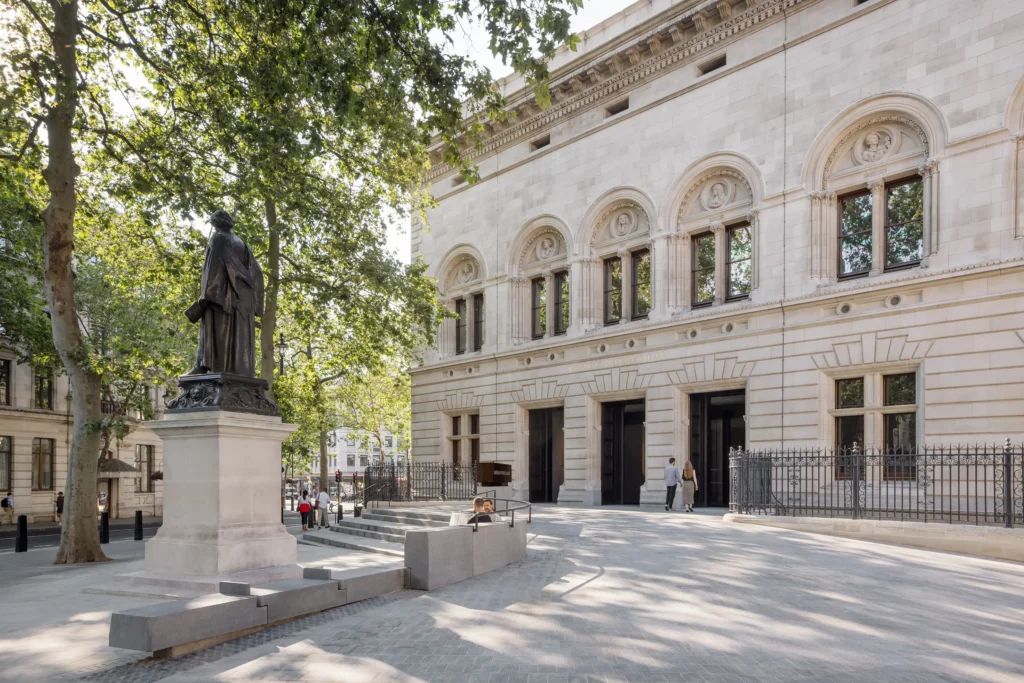
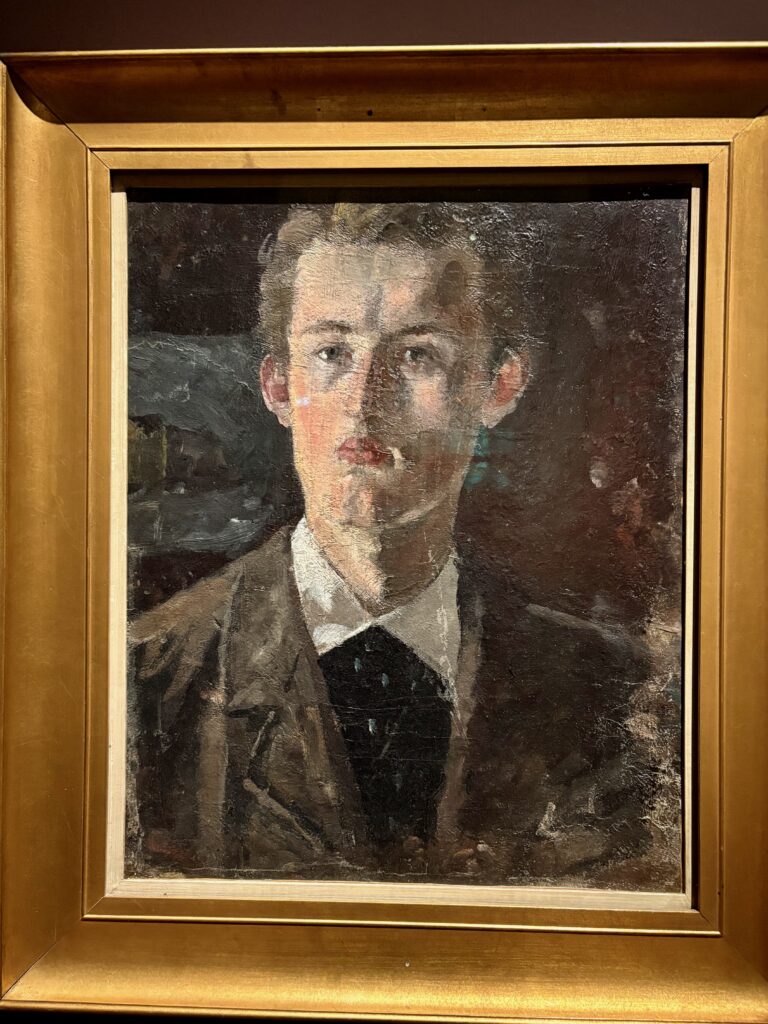
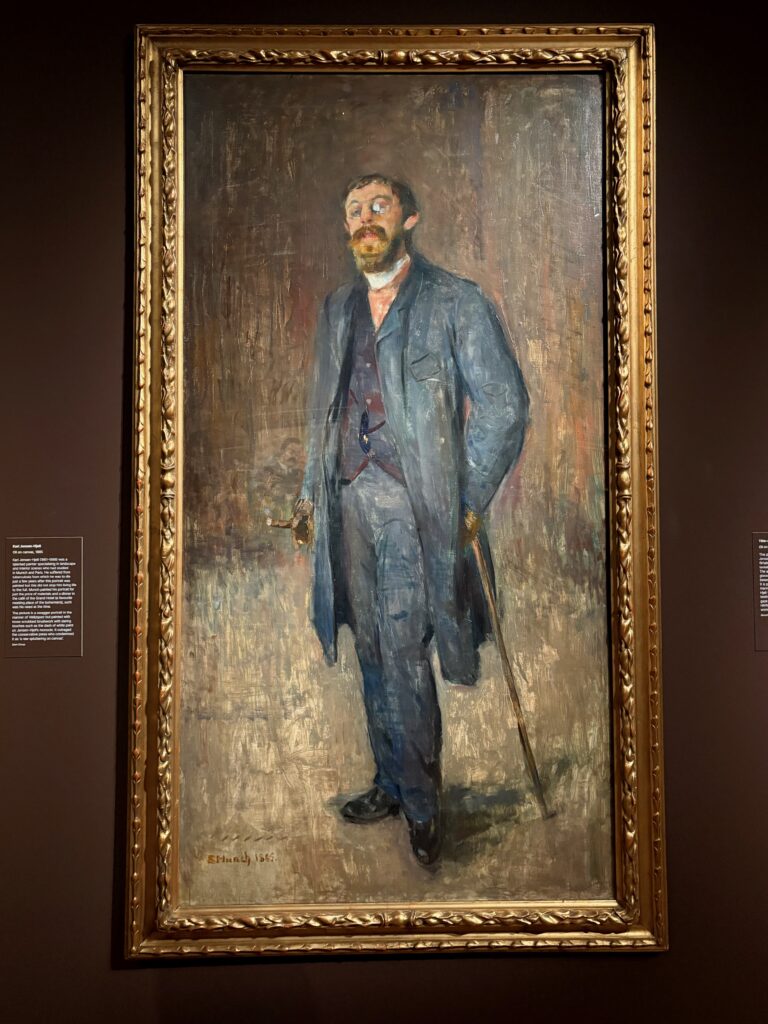
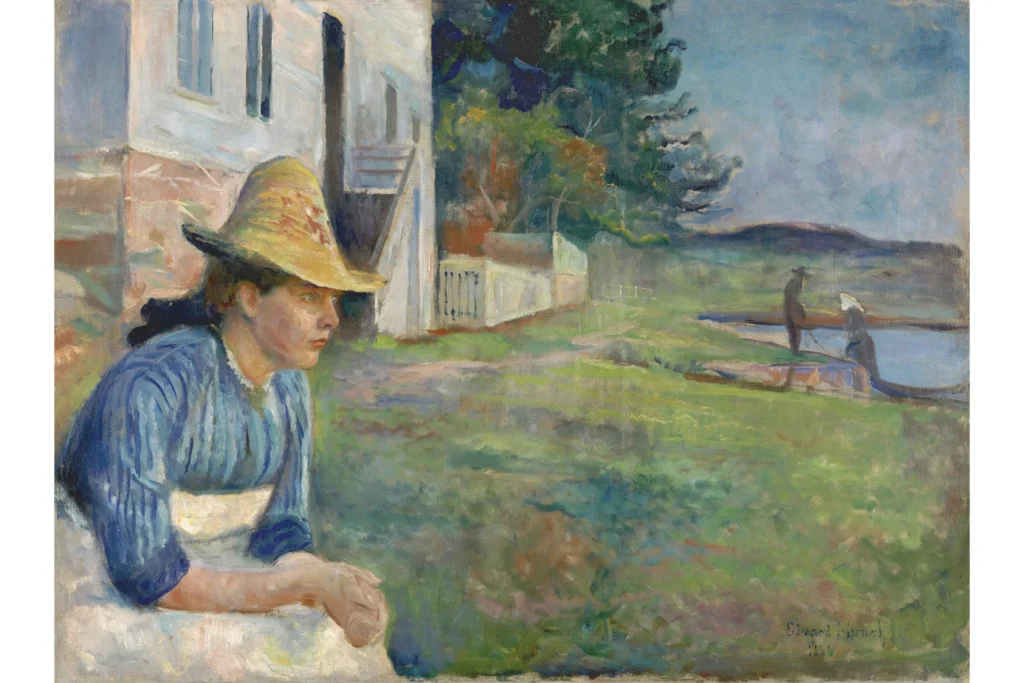
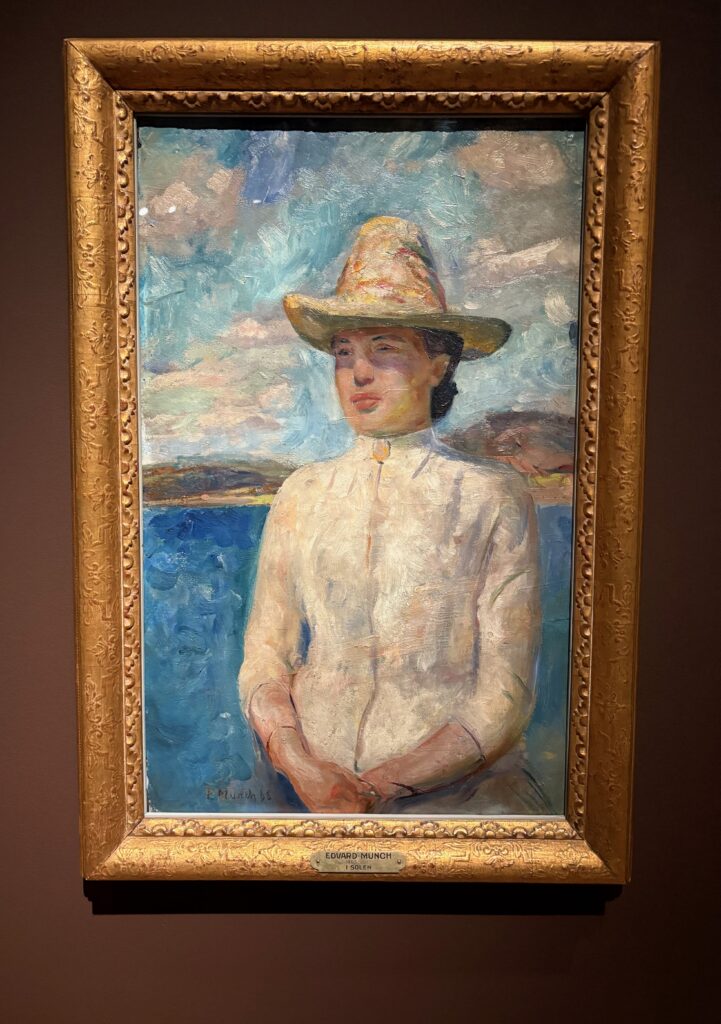
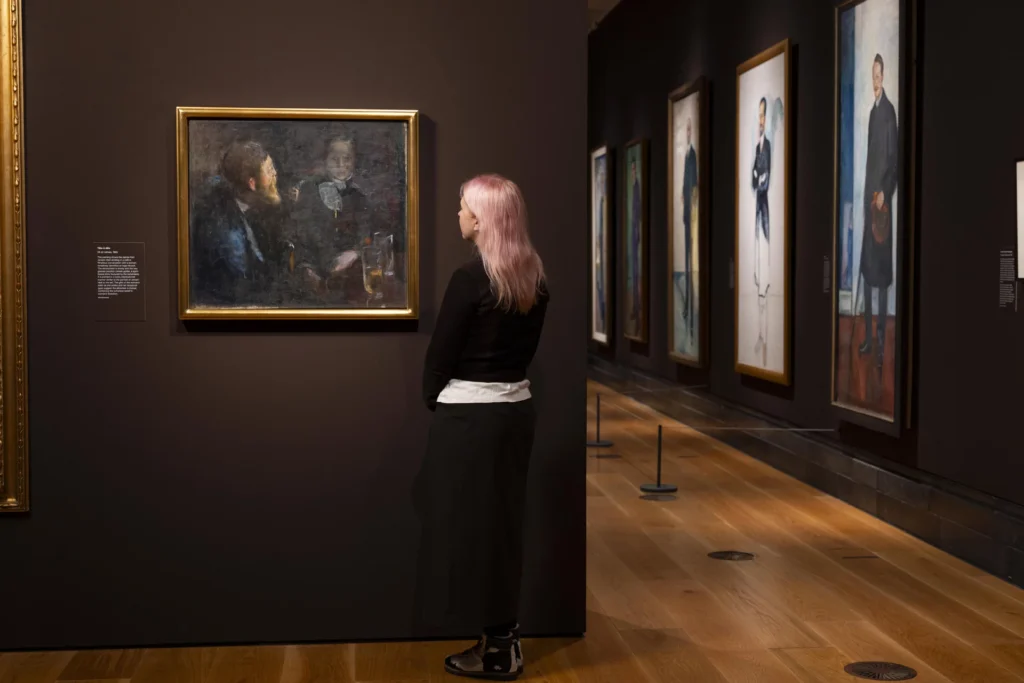
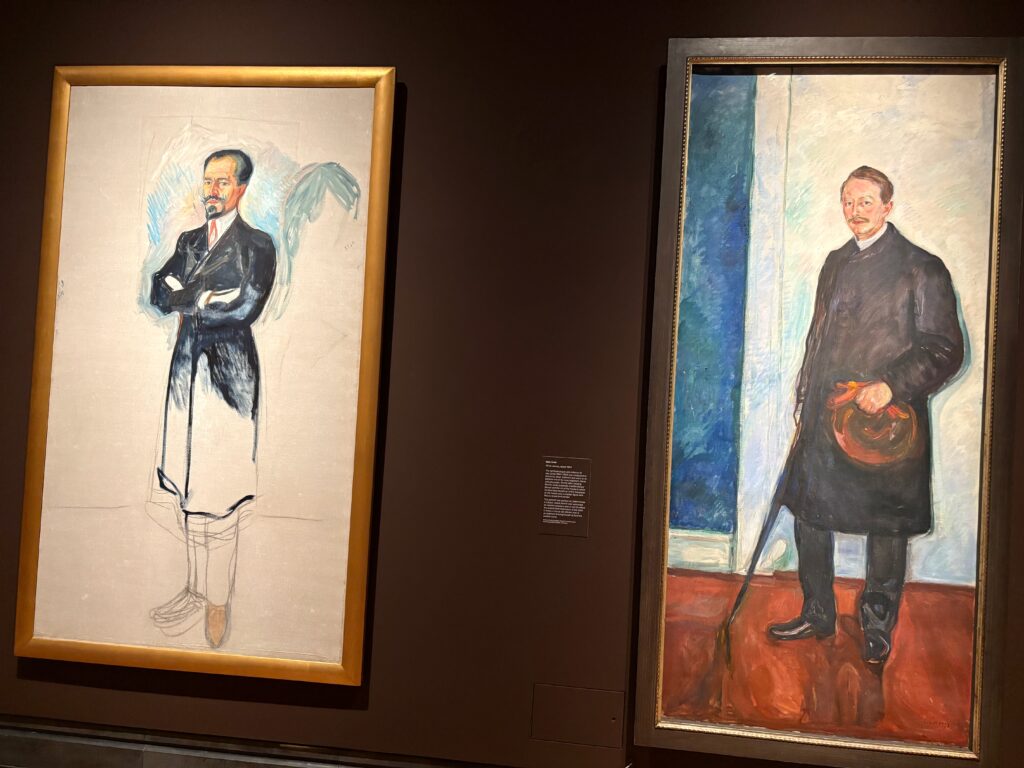
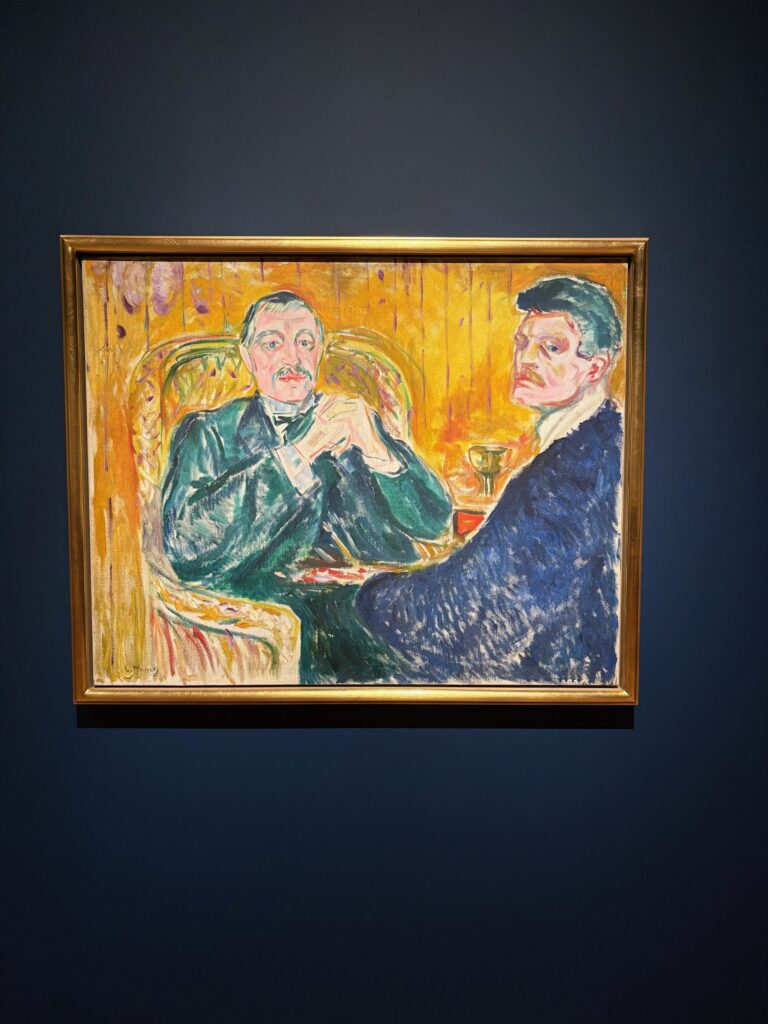
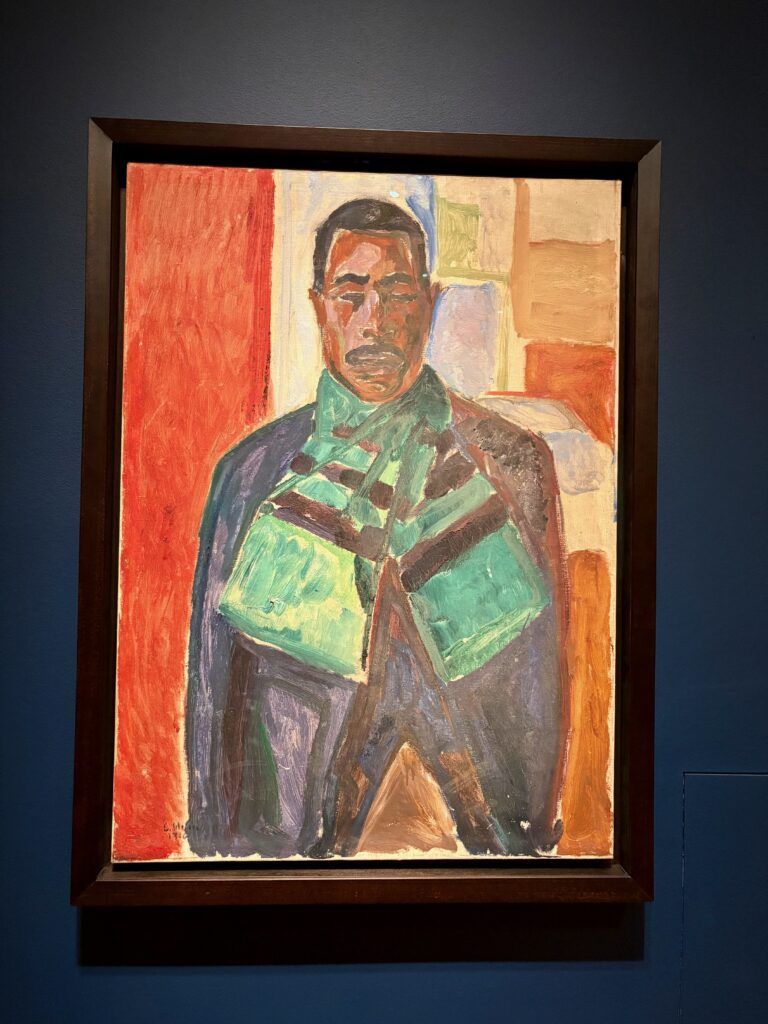
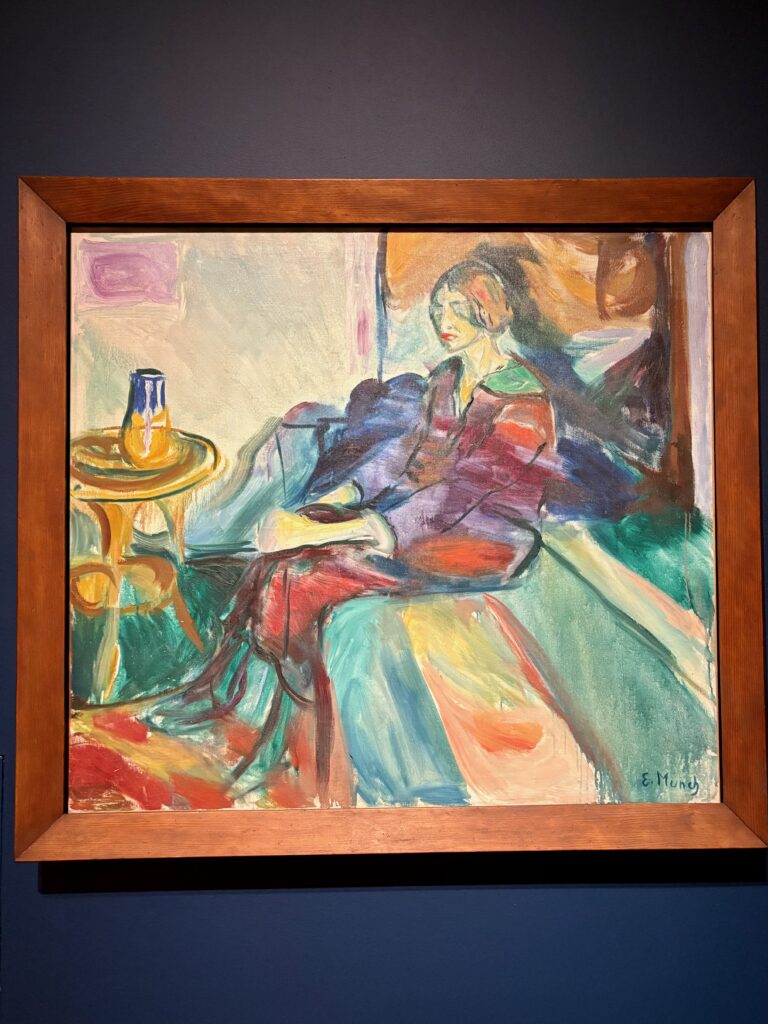
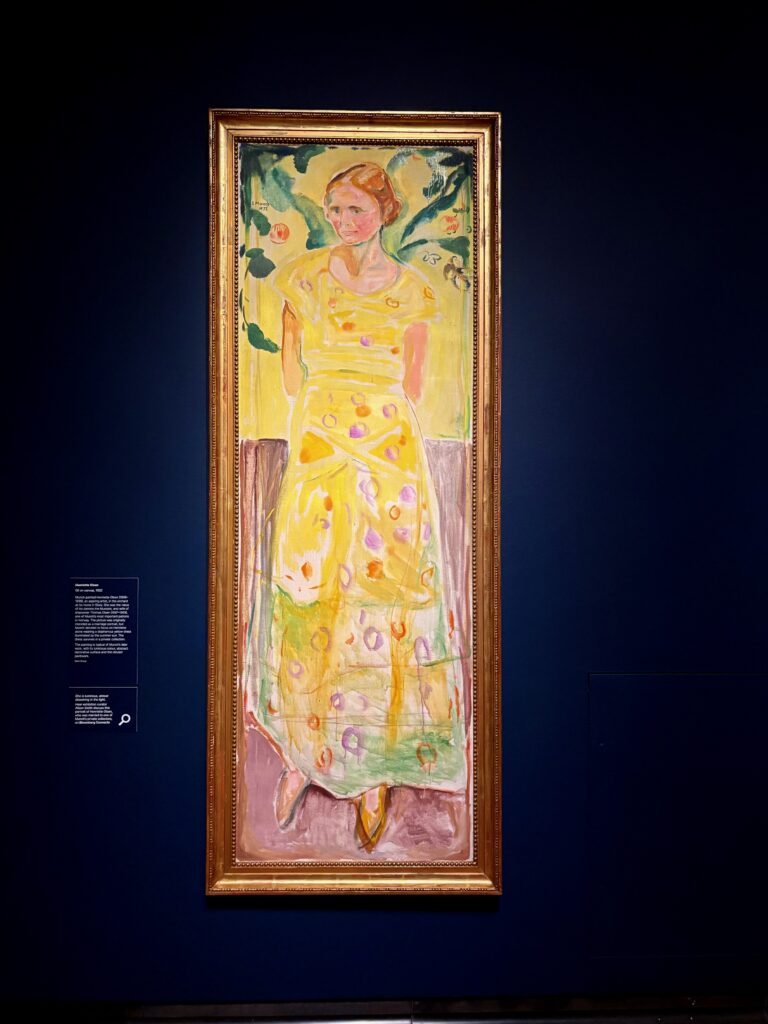
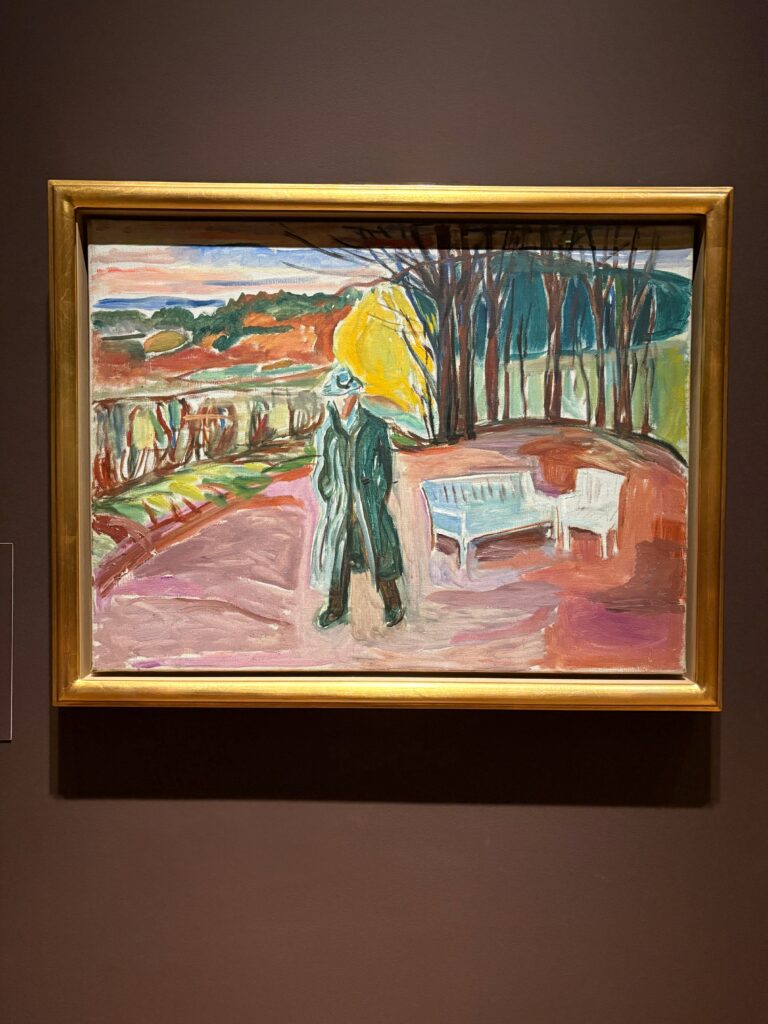
EDVARD MUNCH PORTRAITS
29th April 2025
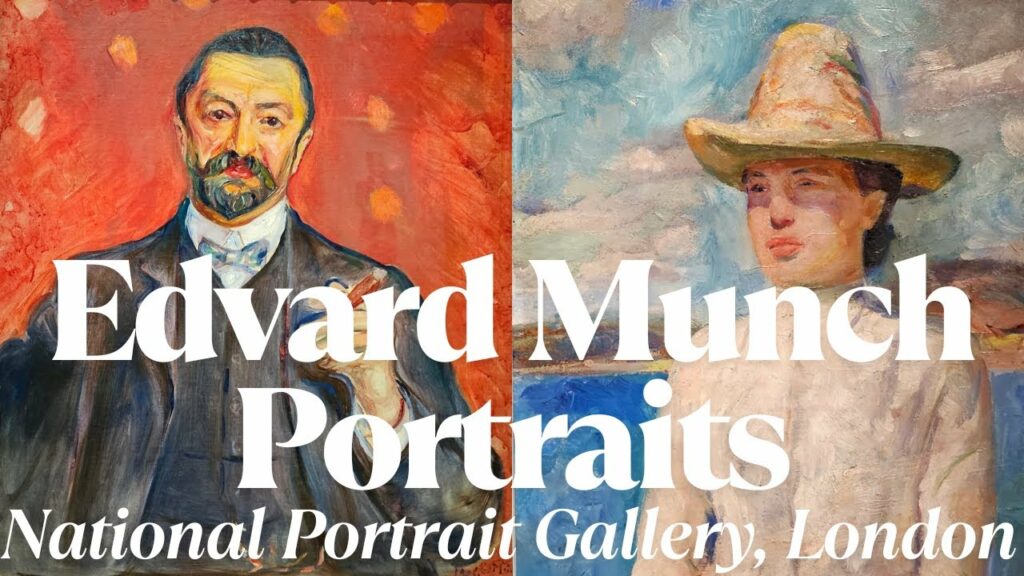
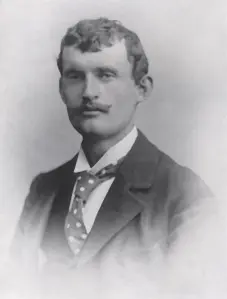
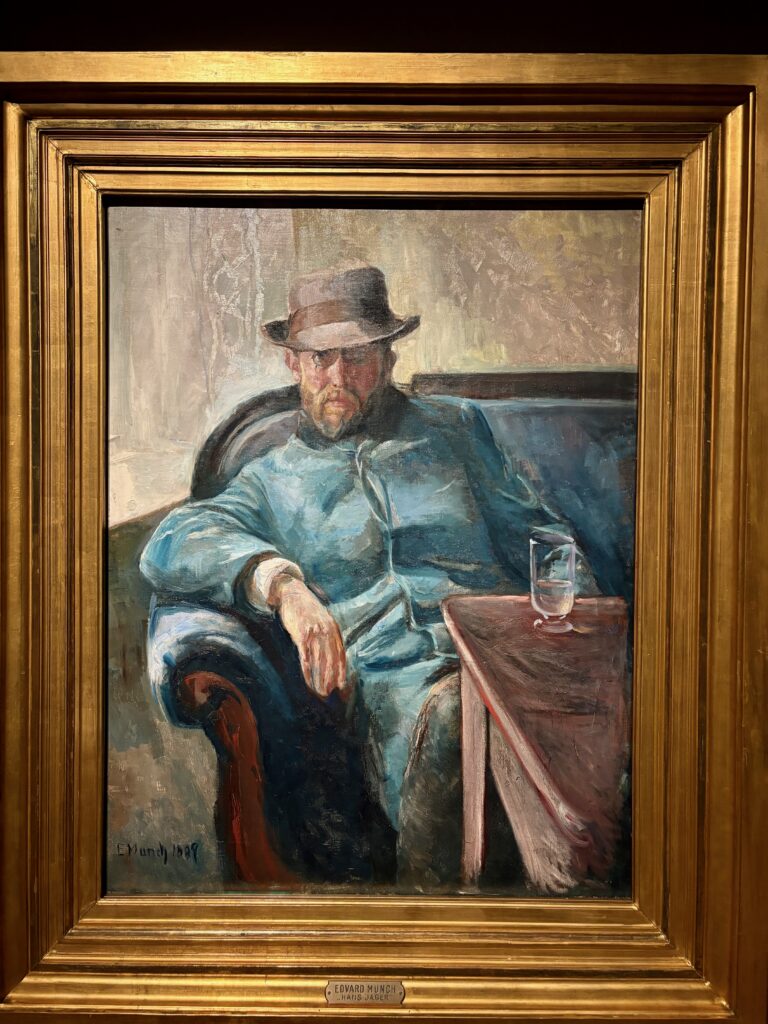
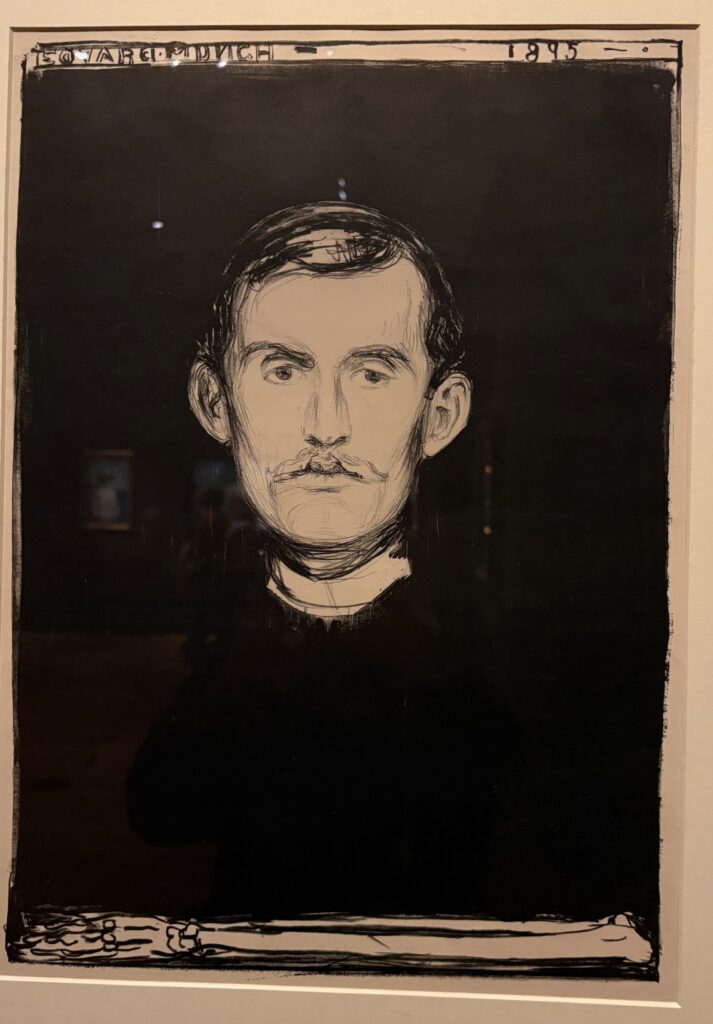
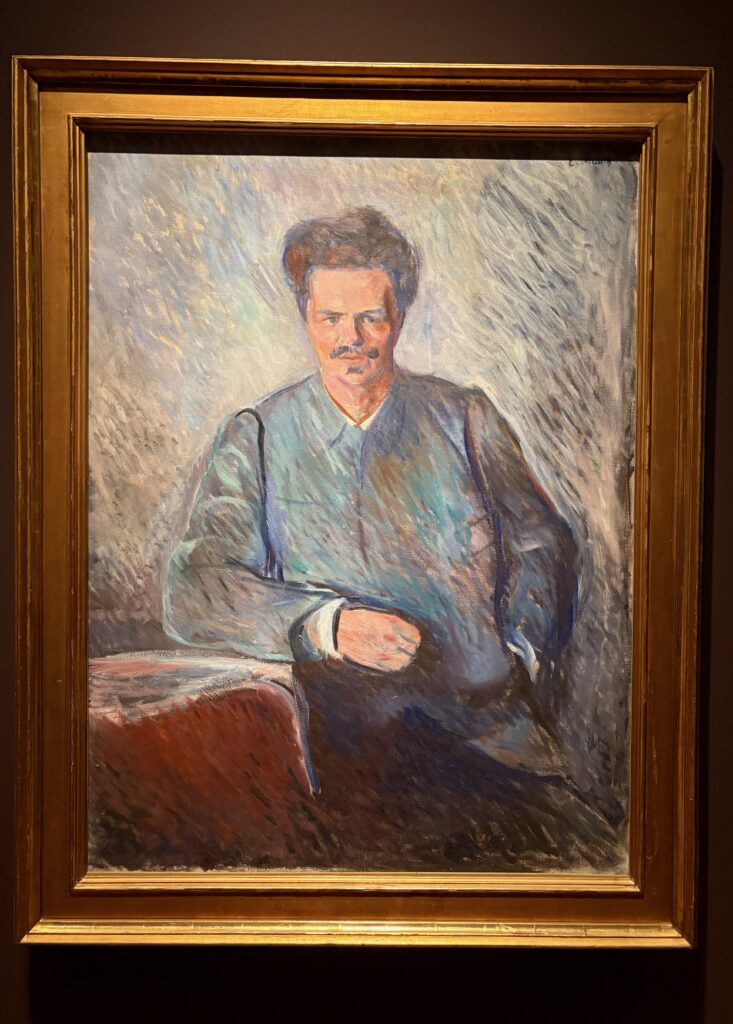
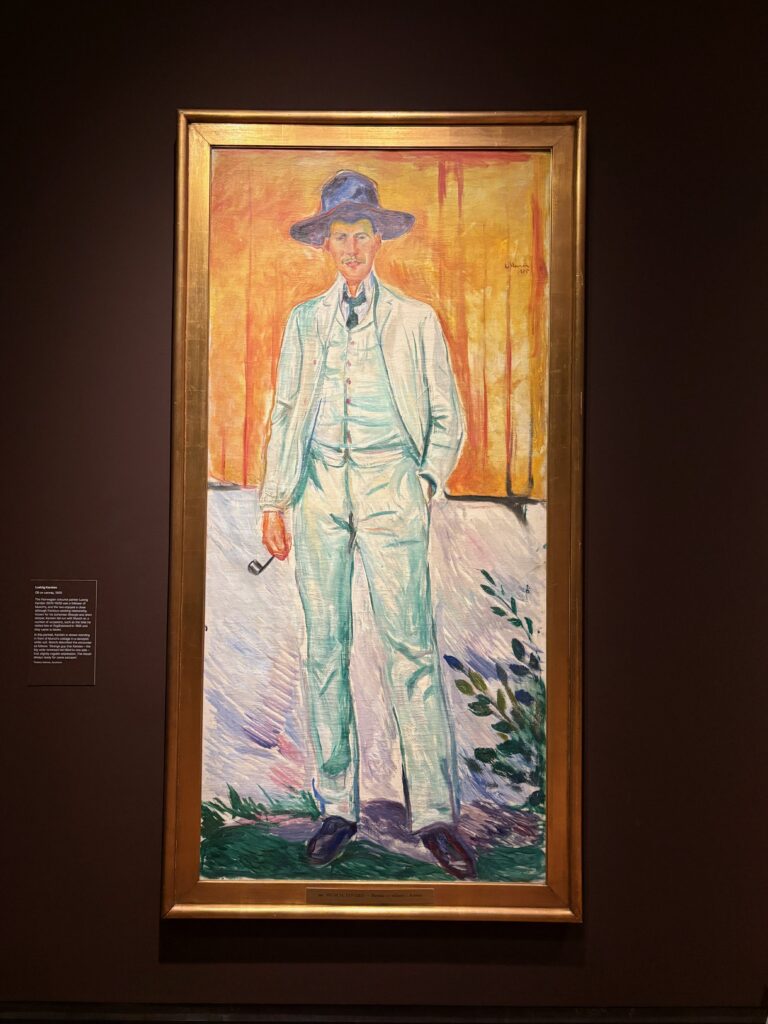
There’s way more to Edvard Munch than ‘The Scream’. The Norwegian expressionist painter is also considered one of the great portraitists of the 19th and 20th centuries, and spent much of his artistic life creating intimate portraits of those in his life – from his family and friends to fellow artists, writers and art collectors in his orbit. Some of these works were commissioned; others were personal projects, but regardless of the motive behind them, all exhibit the elements that made Munch such an influential figure in portraiture. And you can see plenty of them in this National Portrait Gallery exhibition, the first UK show to focus on this sometimes overlooked aspect of his work. Time Out.
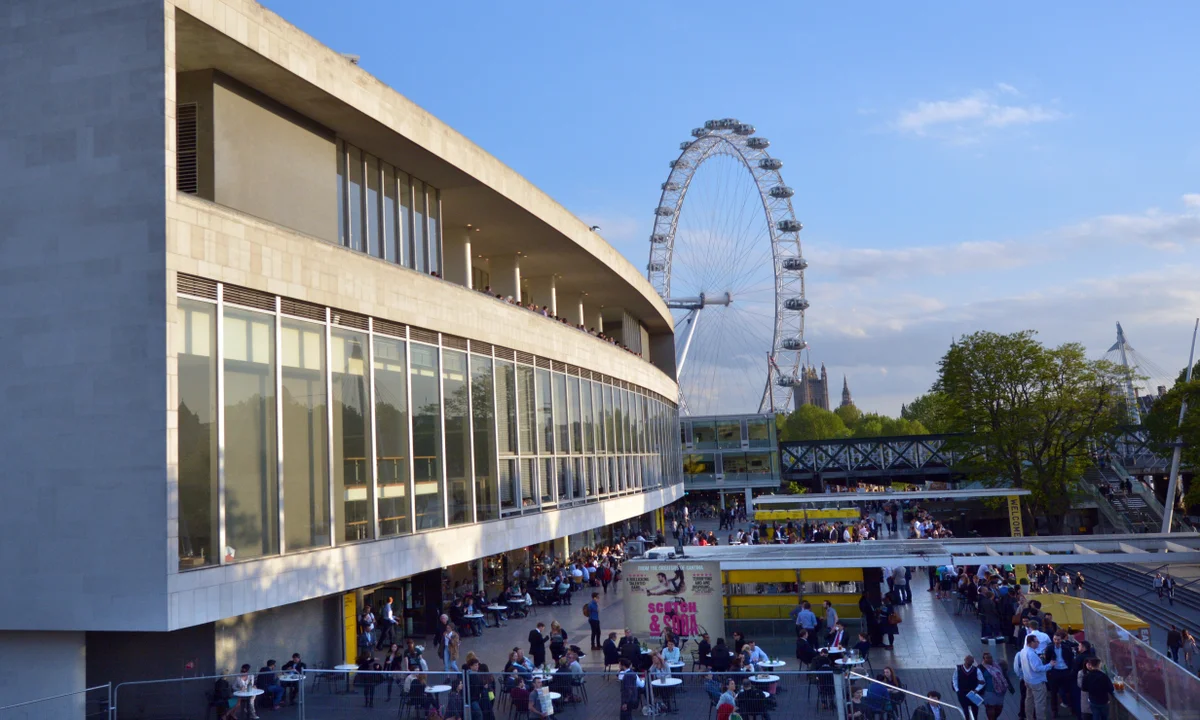
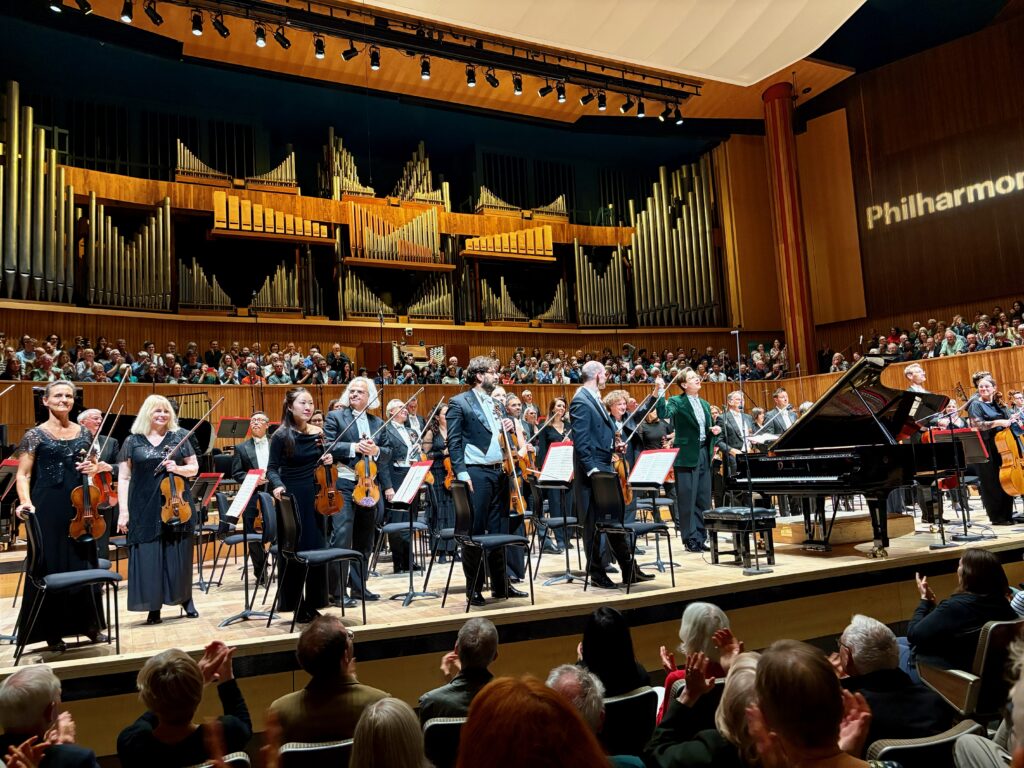
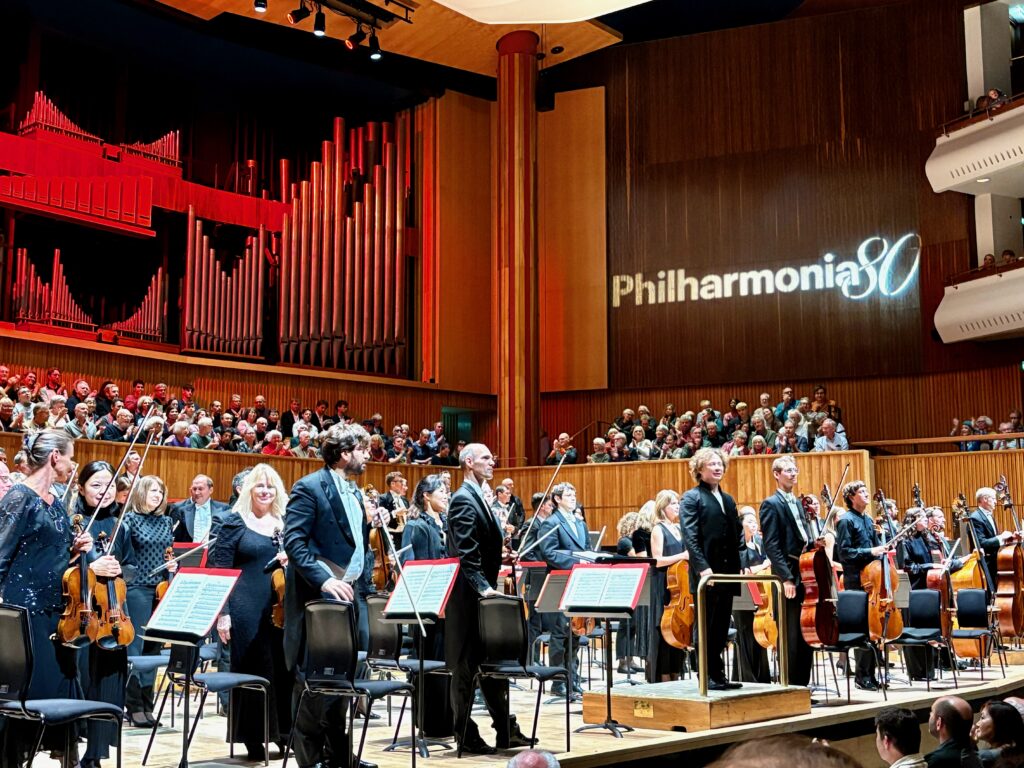
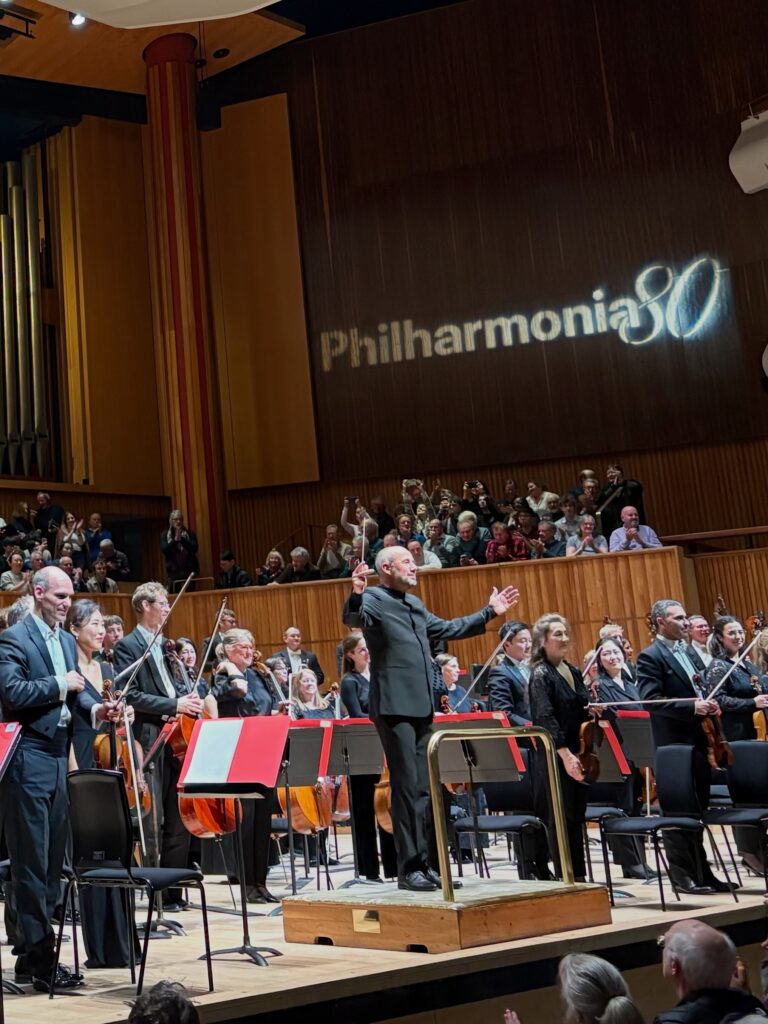
80 SEASONS OF THE PHILHARMONIC – SANTTU-MATIAS ROUVALI’S IN CHARGE – VÍKINGUR ÓLAFFSON EXQUISITE IN BEETHOVEN AND OLIVIER LATRI MAGNIFICENT IN SAINT-SÄENS.
29TH APRIL 2025
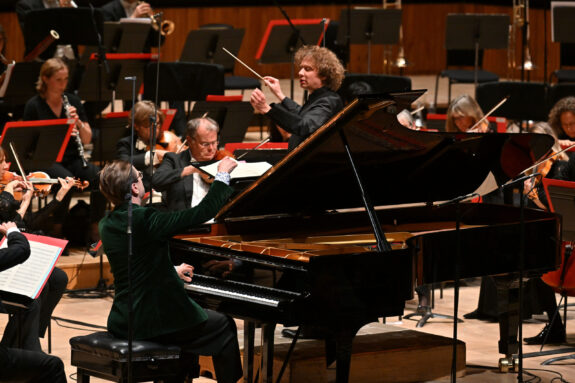
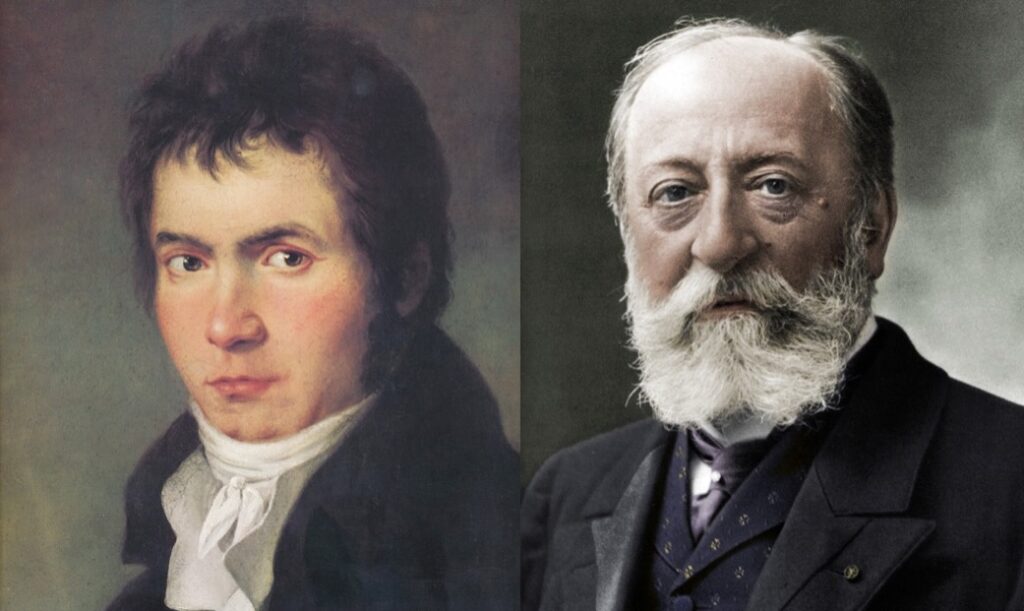
Legions of keyboard fans know that Víkingur Ólafsson does reflective like few others. Calmness, softness of touch and introspection are among the Icelandic pianist’s widely admired trademarks. It helps make him a perfect performer for the AirPod age……but how does Ólafsson respond to a full orchestra in a large-scale work such as Beethoven’s third piano concerto? The answer, in this opening concert of the Philharmonic Orchestra’s celebrationary 80th season, is that he does it with enviable ease.
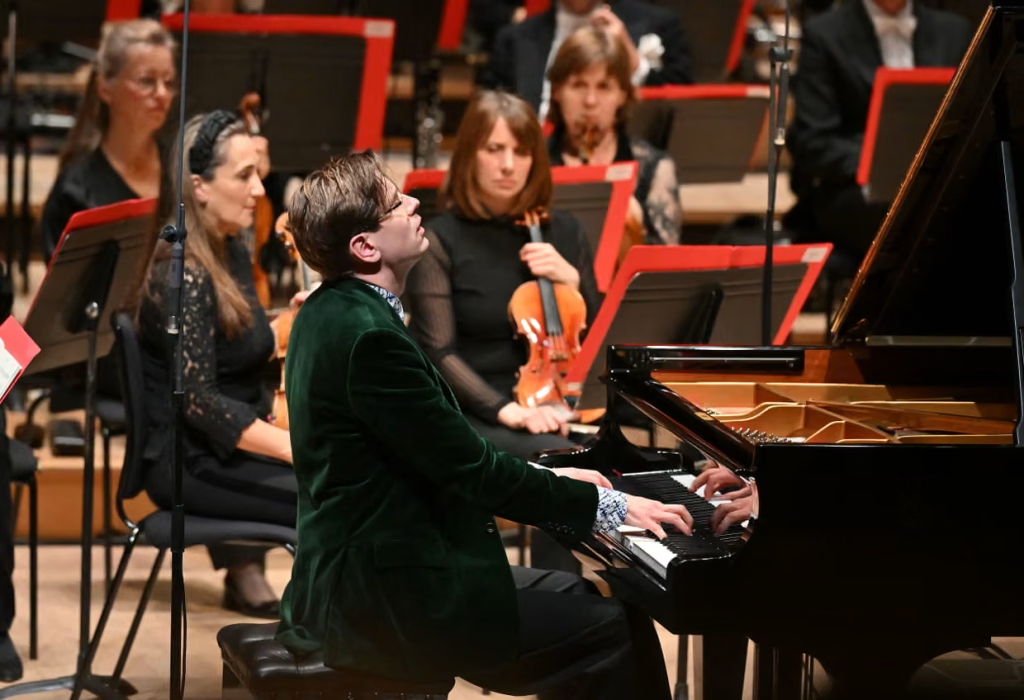
Before the concerto, Santtu-Matias Rouvali conducted the UK premiere of Gabriela Ortiz’s Si el Oxígeno Fuera Verde, which the orchestra had premiered in Amsterdam the previous day. Described by the composer as a fragile green murmur of life, the environmentally inspired work is delicately scored as a bubbling forest of gentle arpeggios and trills, which eventually coheres into an insistent dance with echoes of John Adams and the Stravinsky of The Rite of Spring.
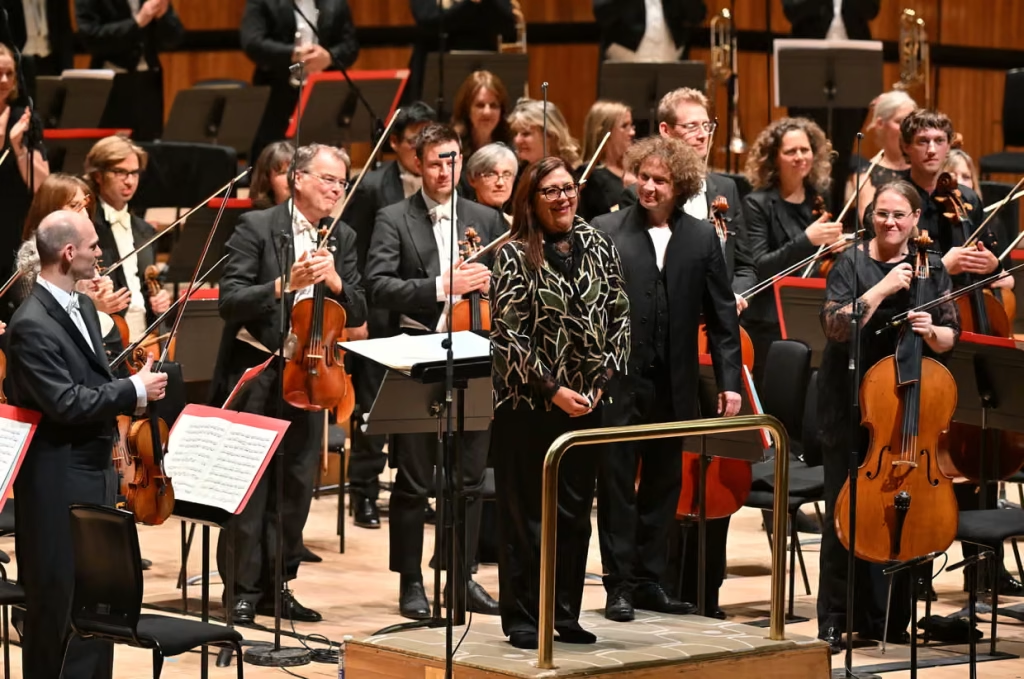
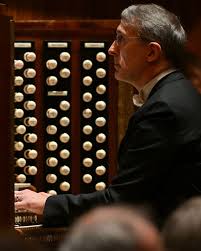
Alongside Ólafsson, who stayed to listen to the second half of the concert, the evening’s star attraction was the Royal Festival Hall organ being played at full throttle. With Notre Dame cathedral’s Olivier Latry at the organ controls, and Rouvali neatly alive to the work’s overall architecture and colours, Saint-Saëns’s third symphony is a guaranteed crowd pleaser for a special occasion – and so it proved. Martin Kettle, The Guardian
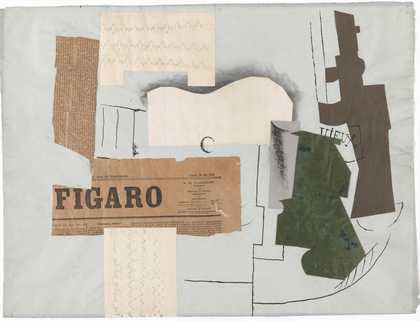
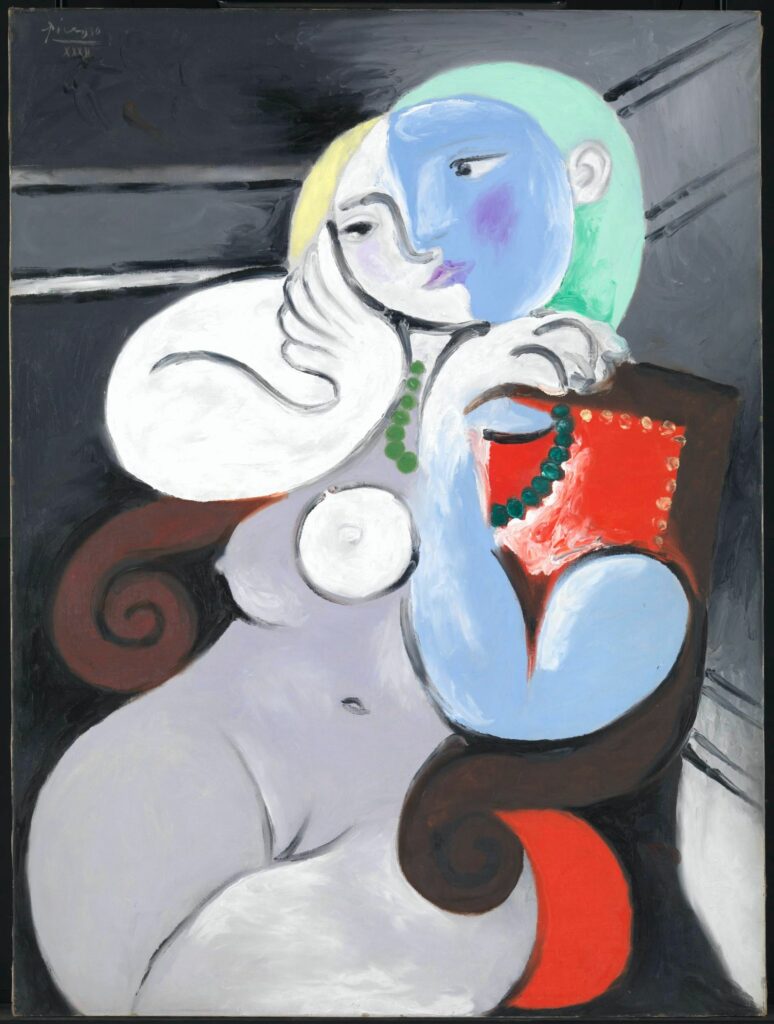
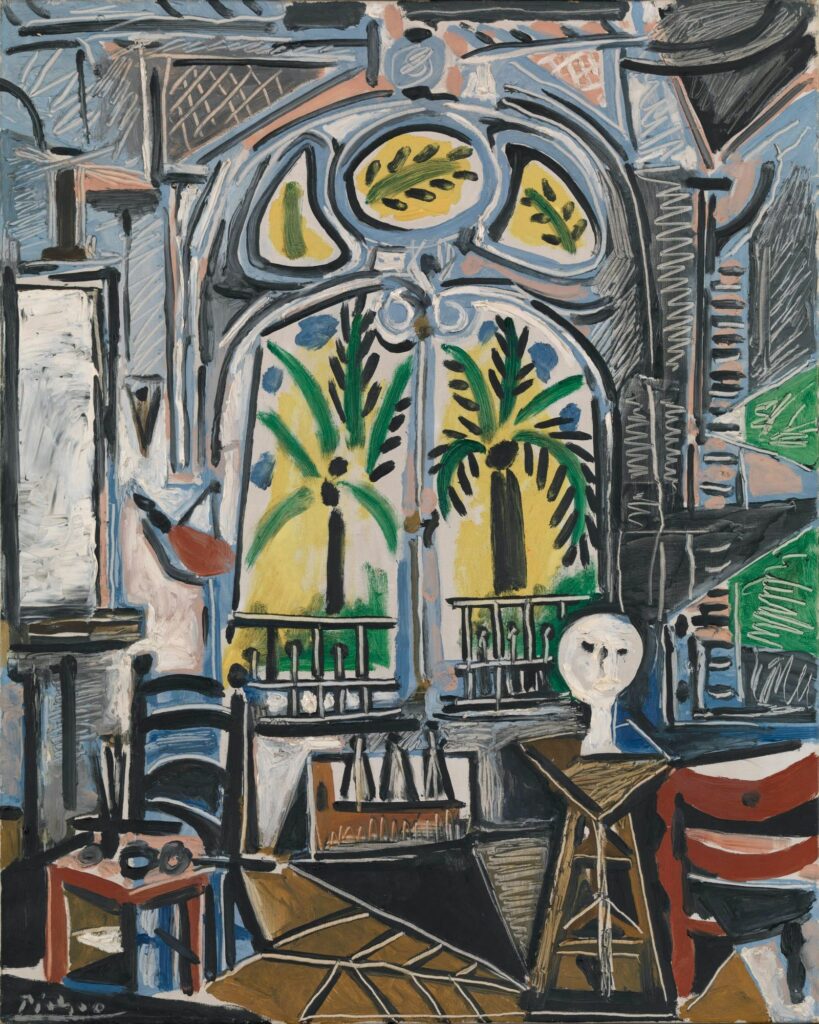
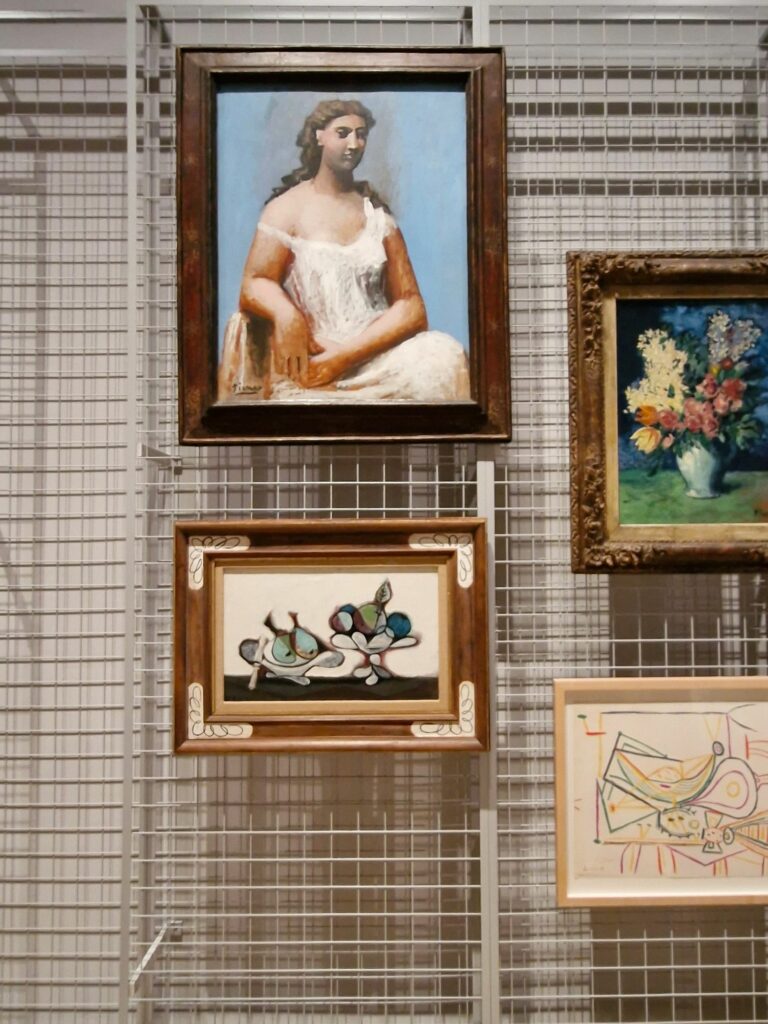
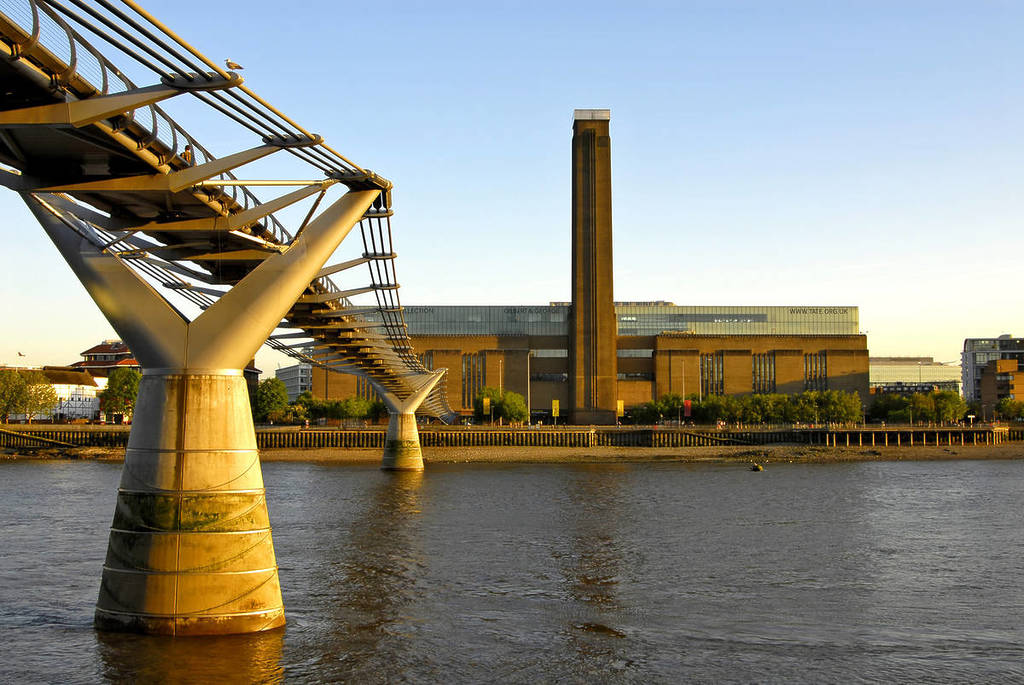
THEATRE PICASSO AT TATE MODERN
29th September 2025
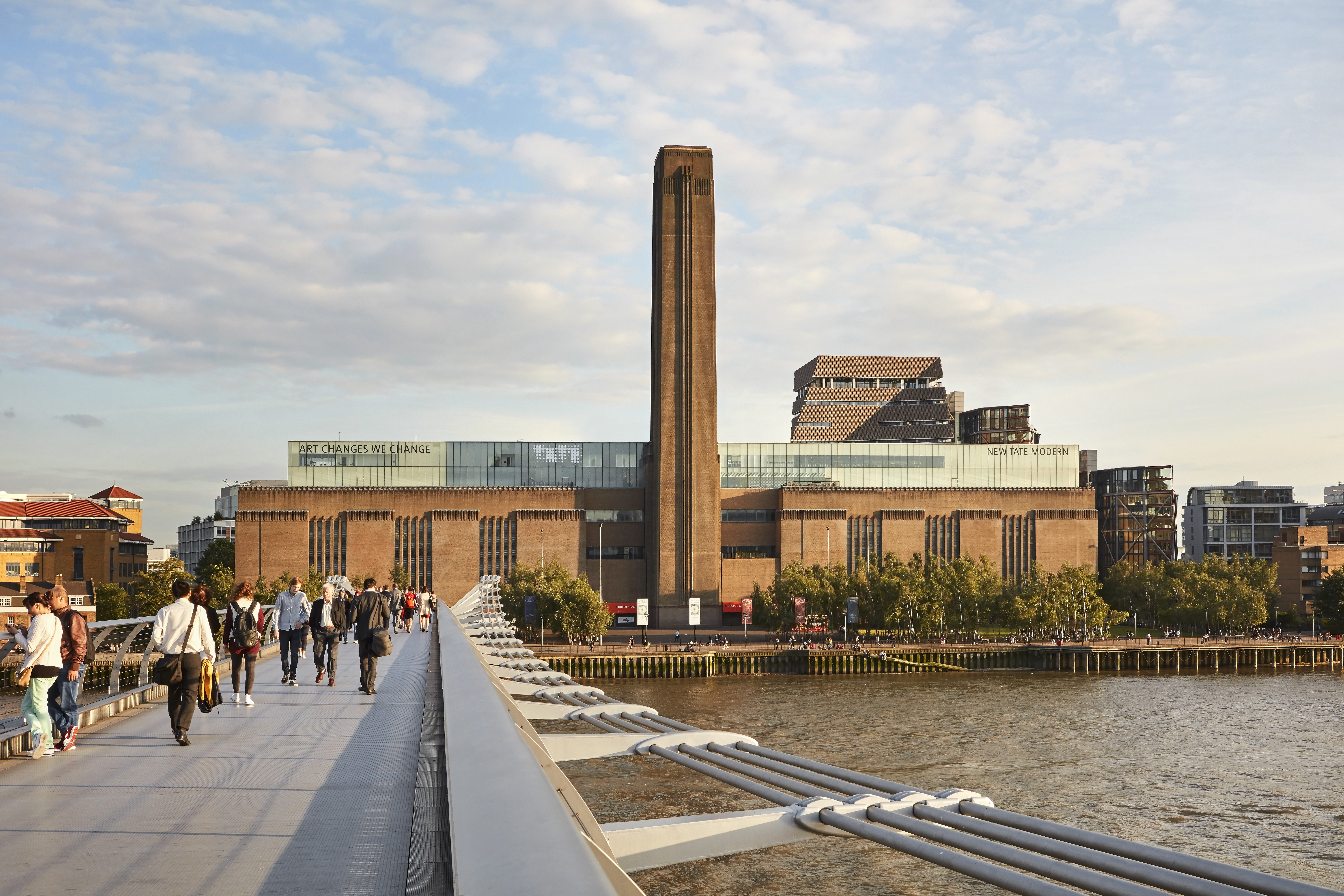
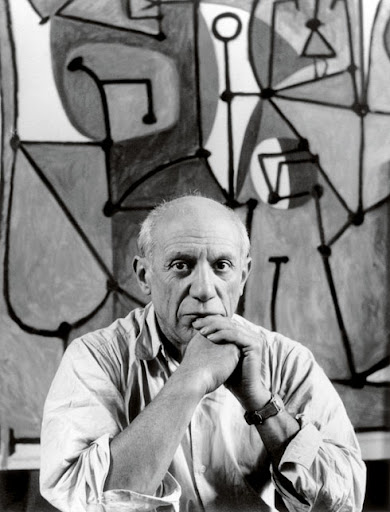
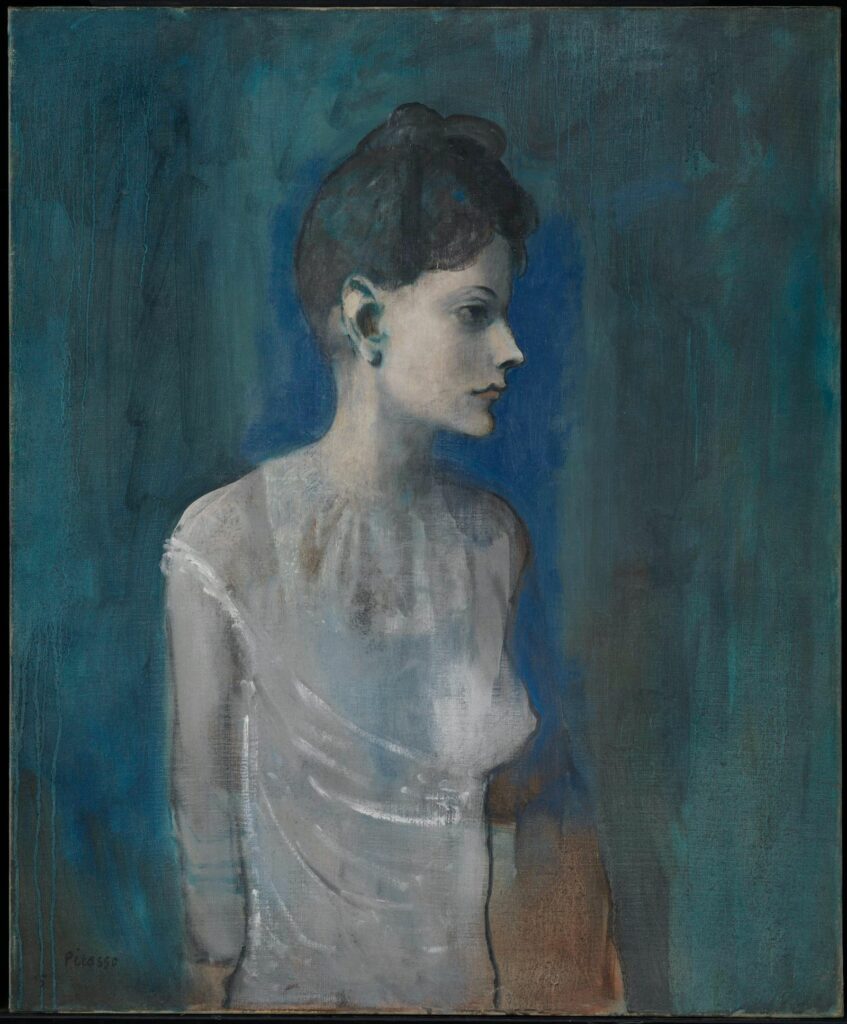
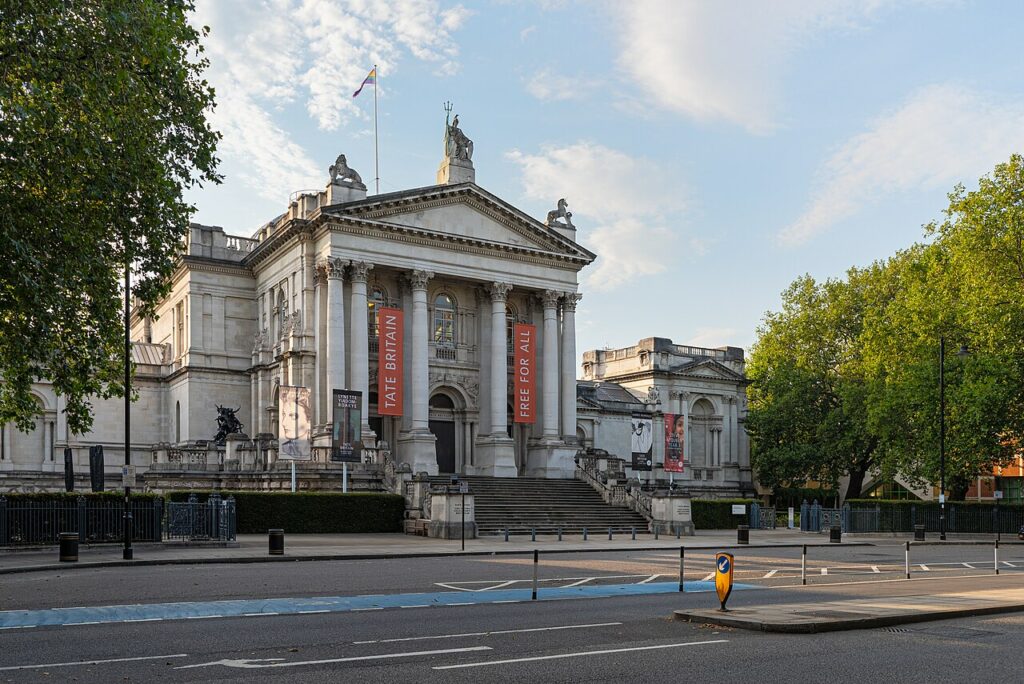
Theatre Picasso is the most thrilling show at Tate Modern in years, says Waldemar Januszczak.
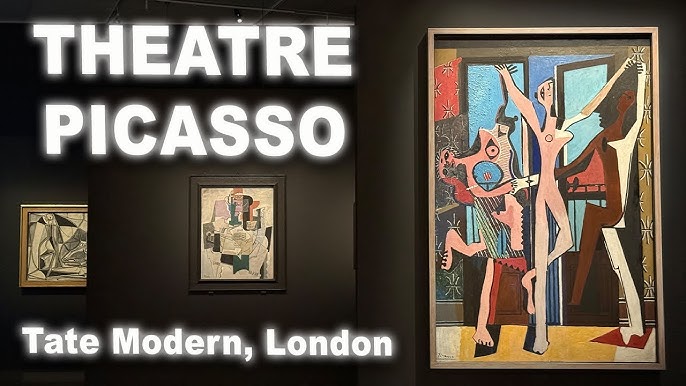
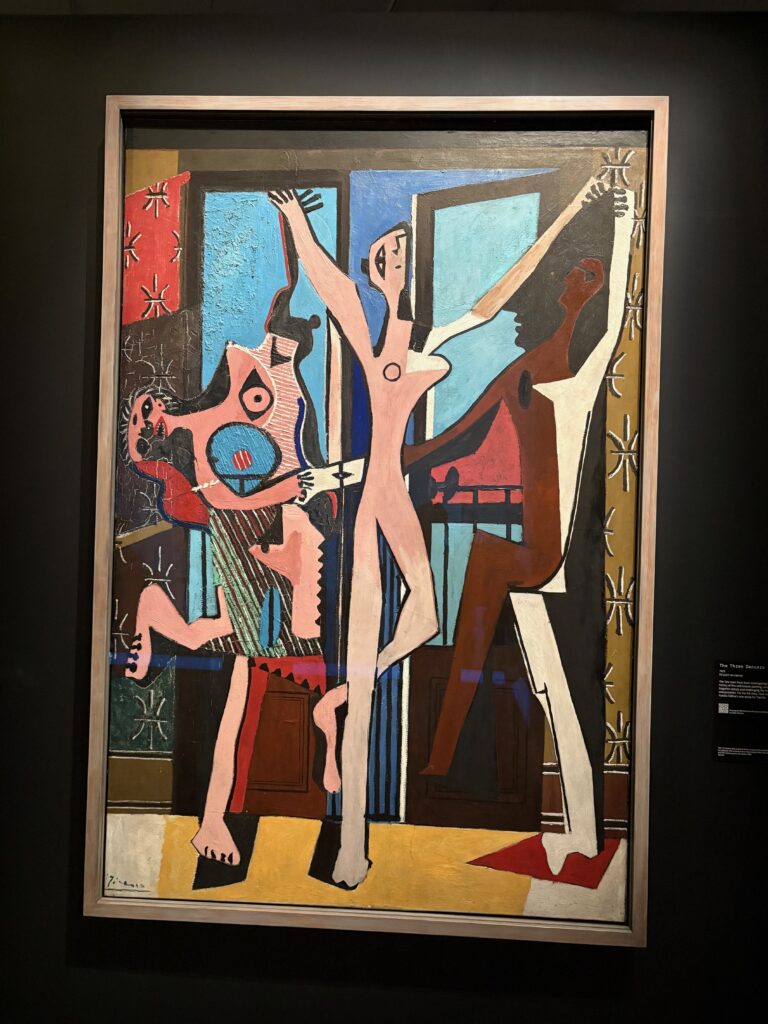
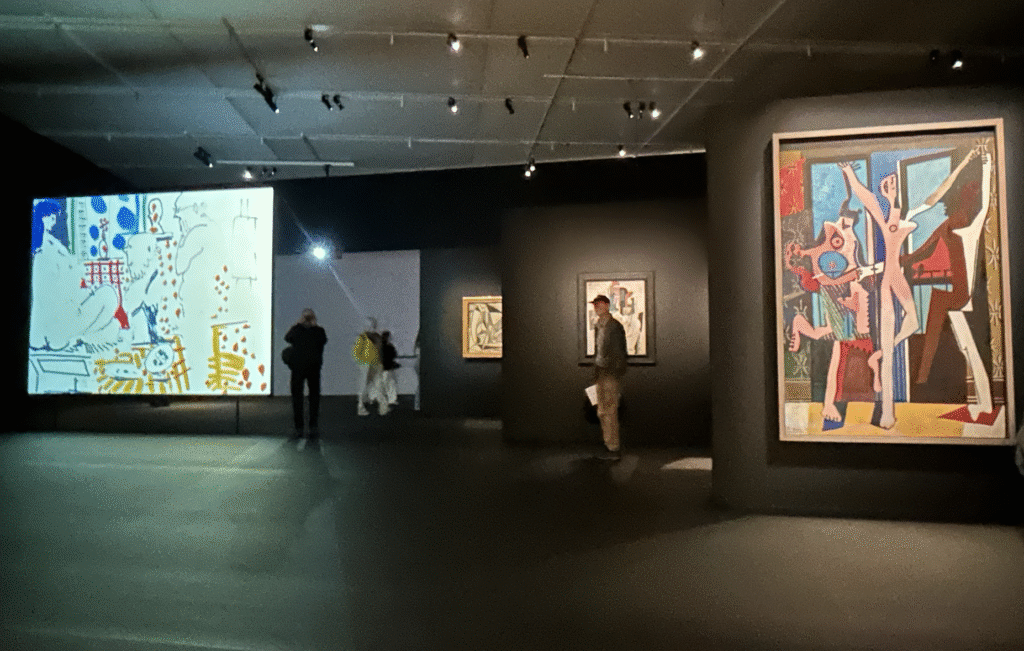
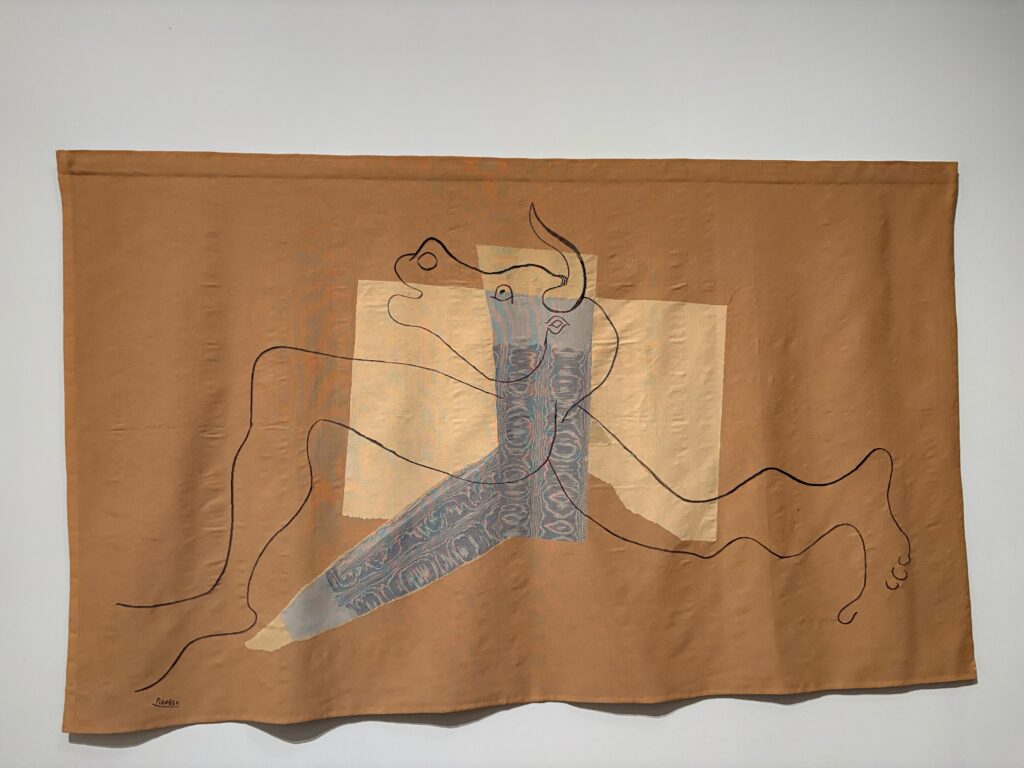
The centrepiece here — or more accurately, the destination — is The Three Dancers, the edgy bit of stagey surrealism, painted in 1925, that many would argue is the most important painting in the Tate collection. The fact that it is 100 years old gives the gallery the kind of excuse it needs these days to put on a Picasso show. In today’s art history, he’s generally the coconut and angry damsels throw the balls.So what Tate Modern has done, in a nimble bit of curation, is hand over the event to the trans performer Wu Tsang and the “intersectional” writer Enrique Fuenteblanca. Between them they have imagined a completely new journey on which to take Picasso’s theatrical art.
The result is a show that feels adventurous and fresh. Reconsidered by Tsang and Fuenteblanca, his art springs to life. And to top it all, in the show’s climax, we get The Three Dancers displayed on a pretend stage, lifted up in lights for us to examine properly and dramatically. The “dancers” are two women and a man, their figures twisted spikily into an edgy tango. The woman on the left is grimacing grotesquely. The man on the right is silhouetted mysteriously. The dancing nude at their centre seems to be the focus of their tension.
We’re watching a tug of love. I was reminded immediately of Princess Diana’s lament about three in a marriage being a bit crowded. Picasso has cast the central figure in the Camilla Parker Bowles role.The man is clearly Picasso, reduced, typically, to a silhouette. The screaming woman on the left is, surely, his Russian wife Olga, whom he had begun to caricature nastily in his art. The dancing nude is a lover who has come between them.The Tate has other theories and we’ll never know for sure. But what’s excellent here is how excitingly the show has framed the possibilities. It’s been a long time — several years — since an event as stimulating as this opened at Tate Modern. If it were up to me I would leave these rooms exactly as they are for ever, as a thrilling tribute to Picasso. Waldemar Januszczak, Waldemar.tv
Do Ho Suh: Walk the House
2nd November 2025
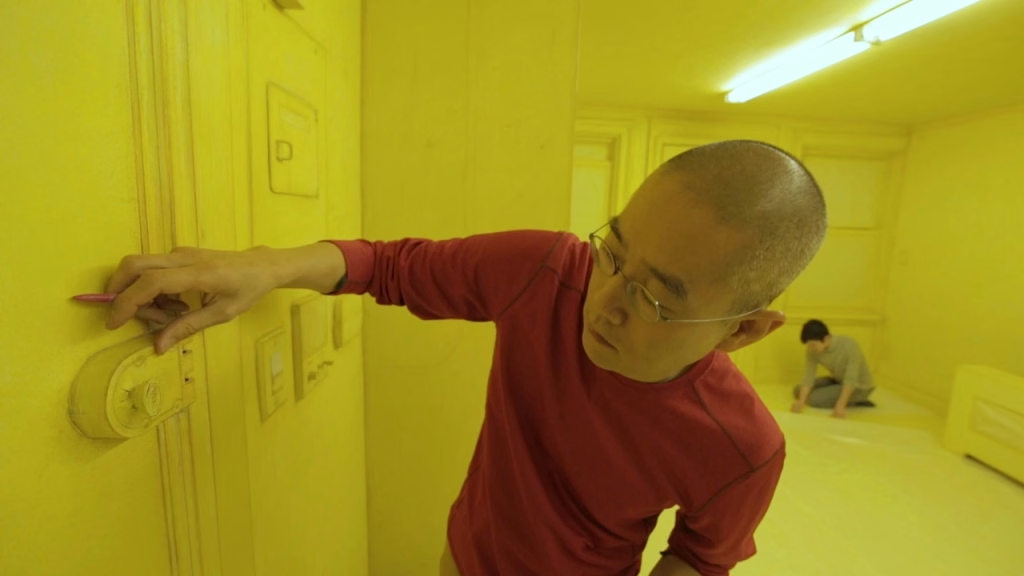
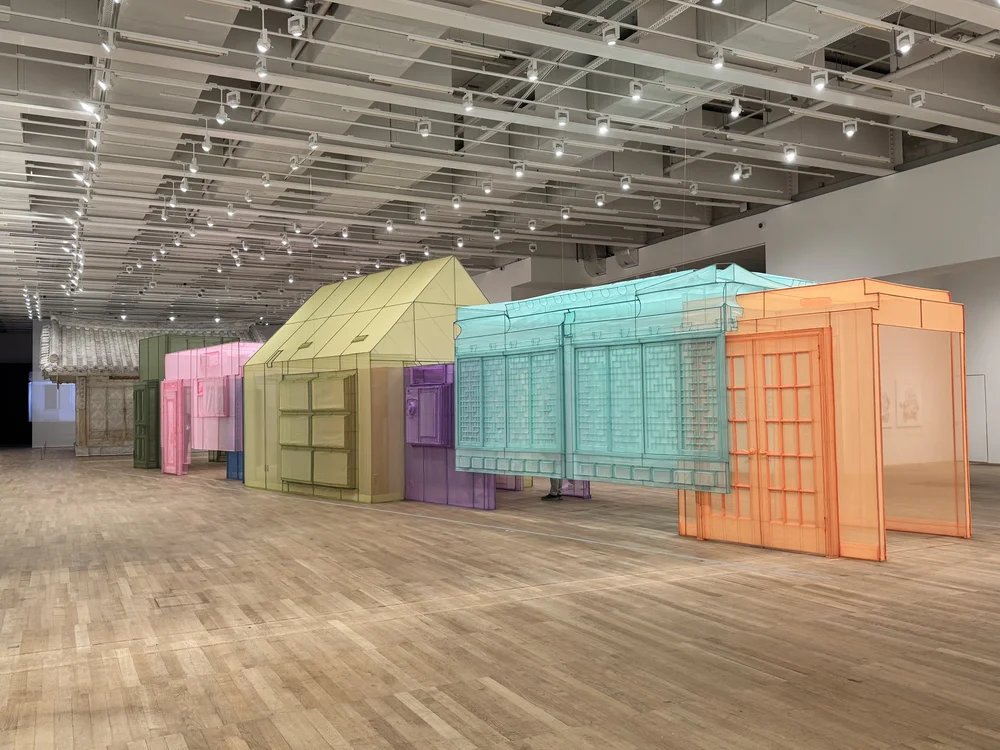
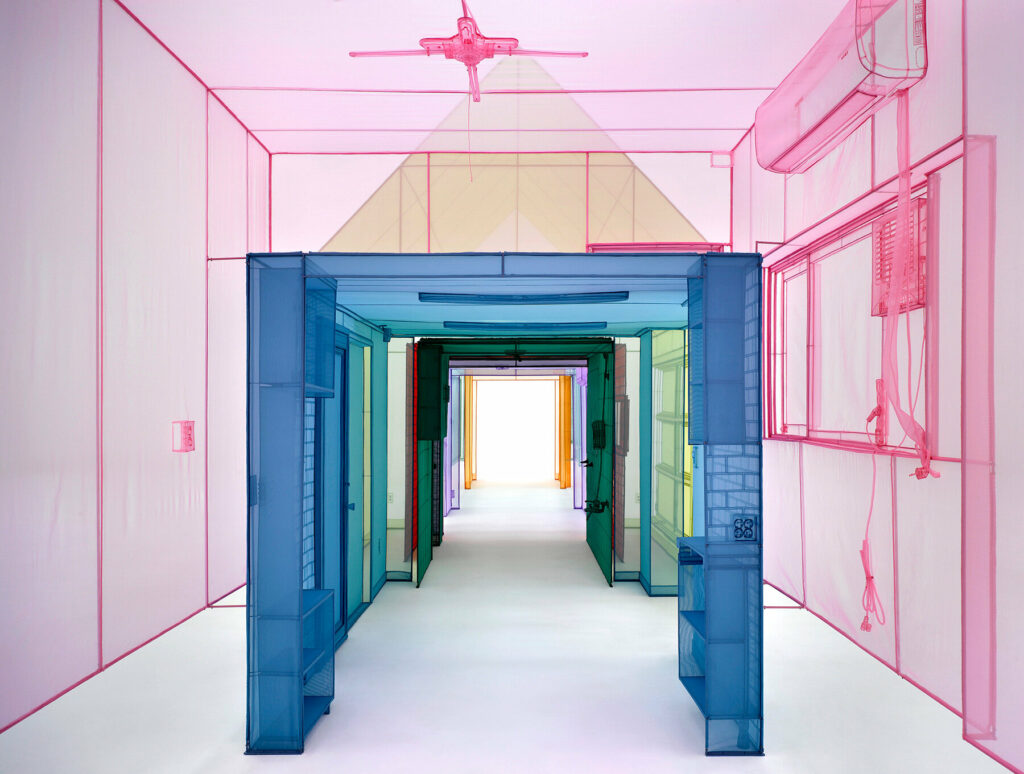
Korean-born, London-based artist Do Ho Suh invites visitors to explore his large-scale installations, sculptures, videos and drawings in this major survey exhibition.
Is home a place, a feeling, or an idea? Suh asks timely questions about the enigma of home, identity and how we move through and inhabit the world around us. Tate Modern.
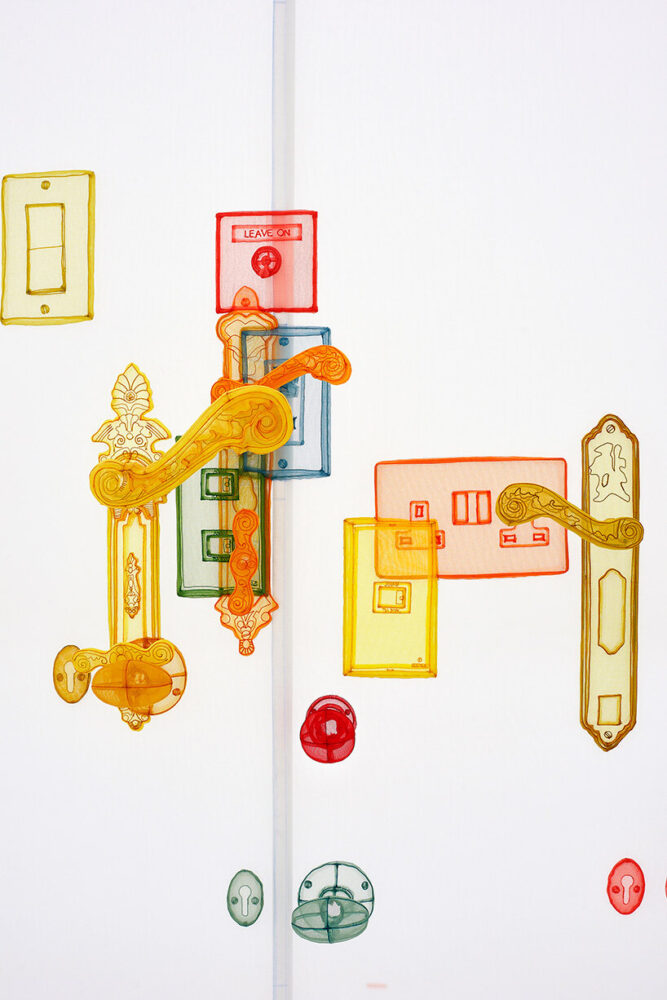
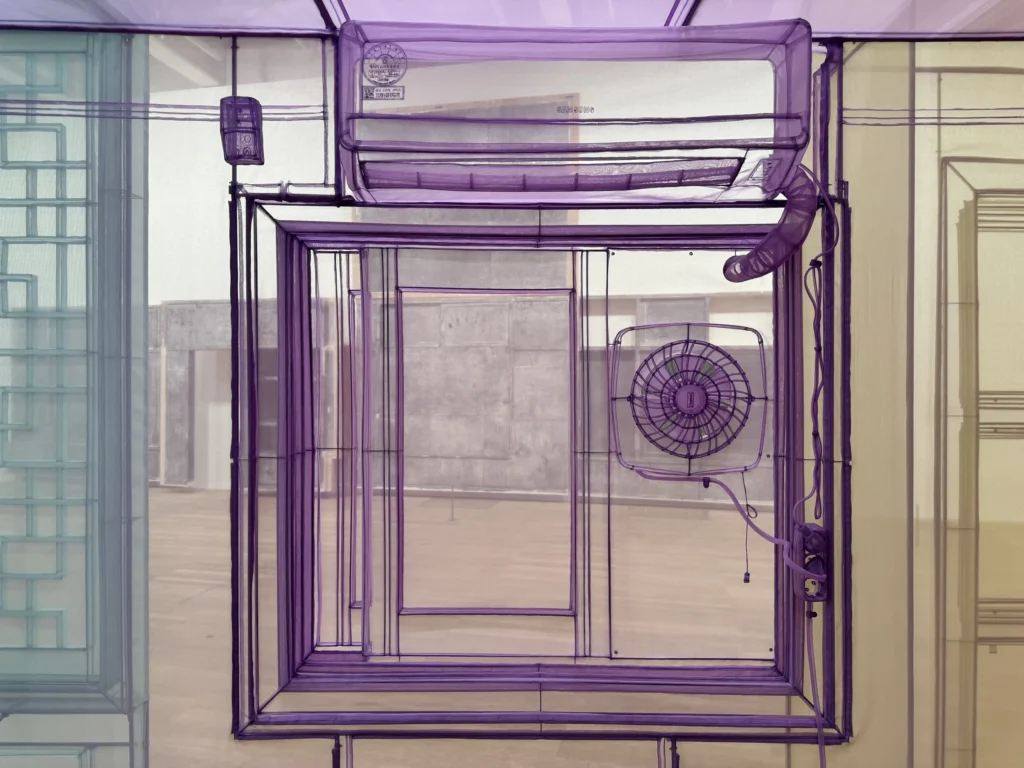
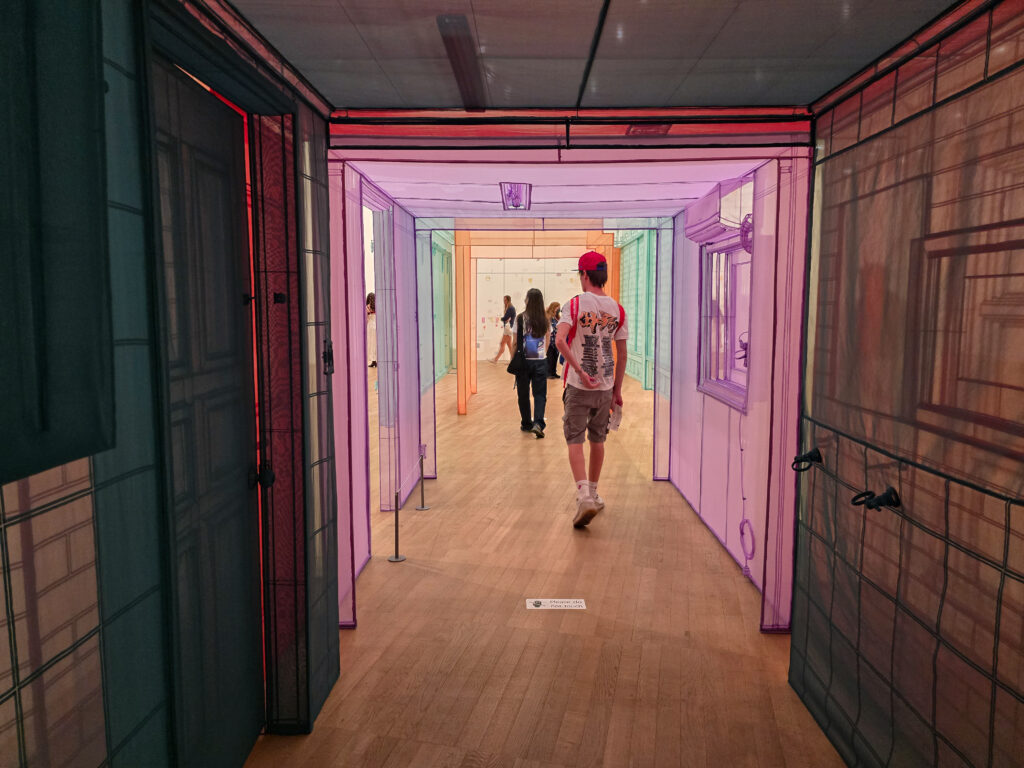
Emily Kam Kngwarray
2nd November 2025
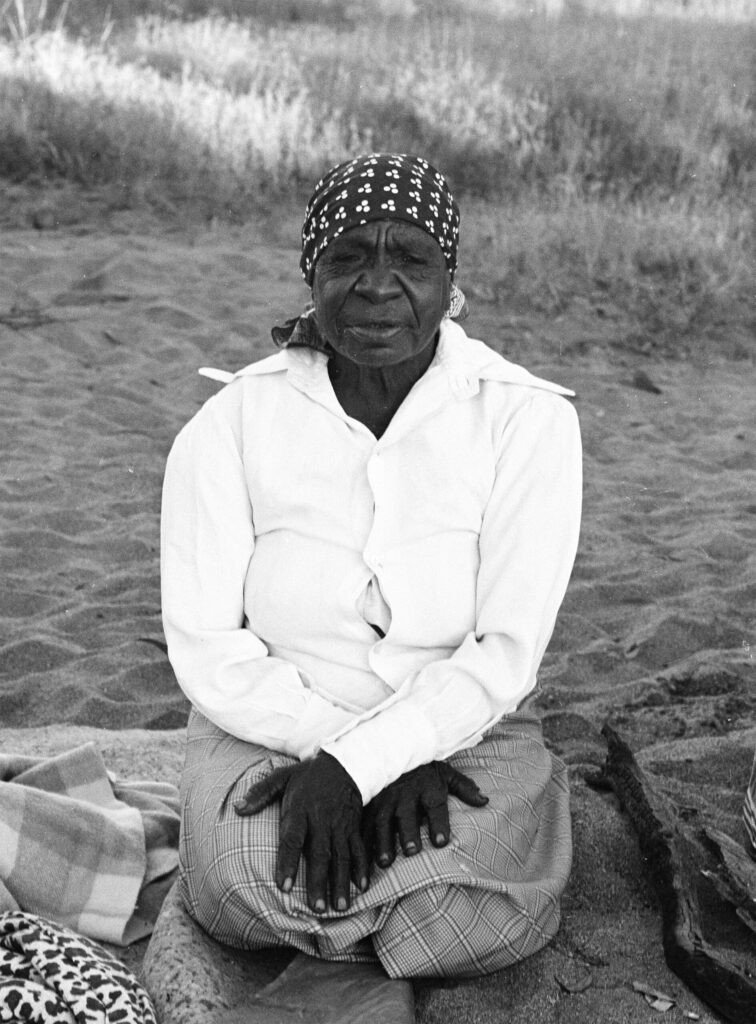
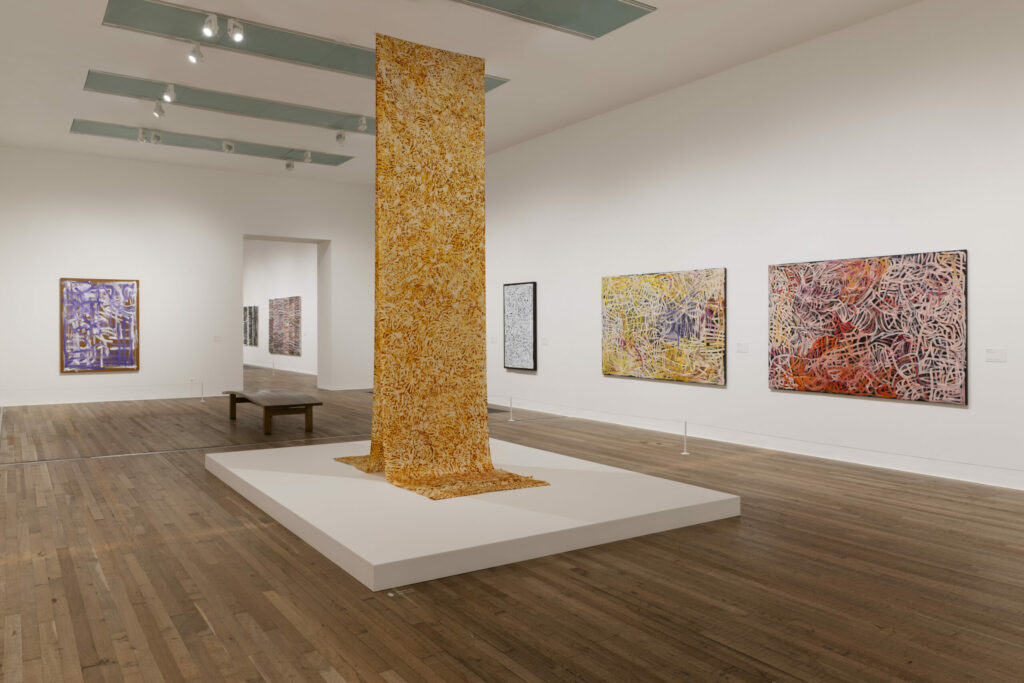
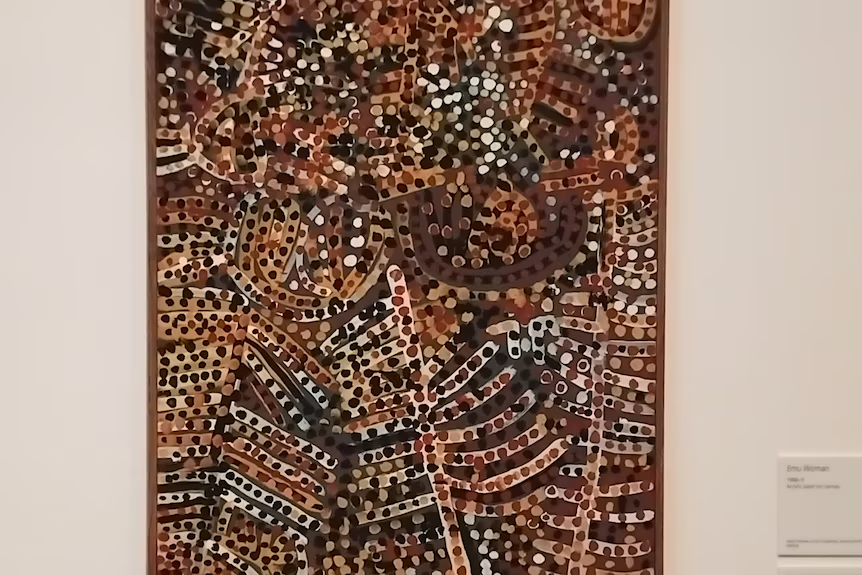
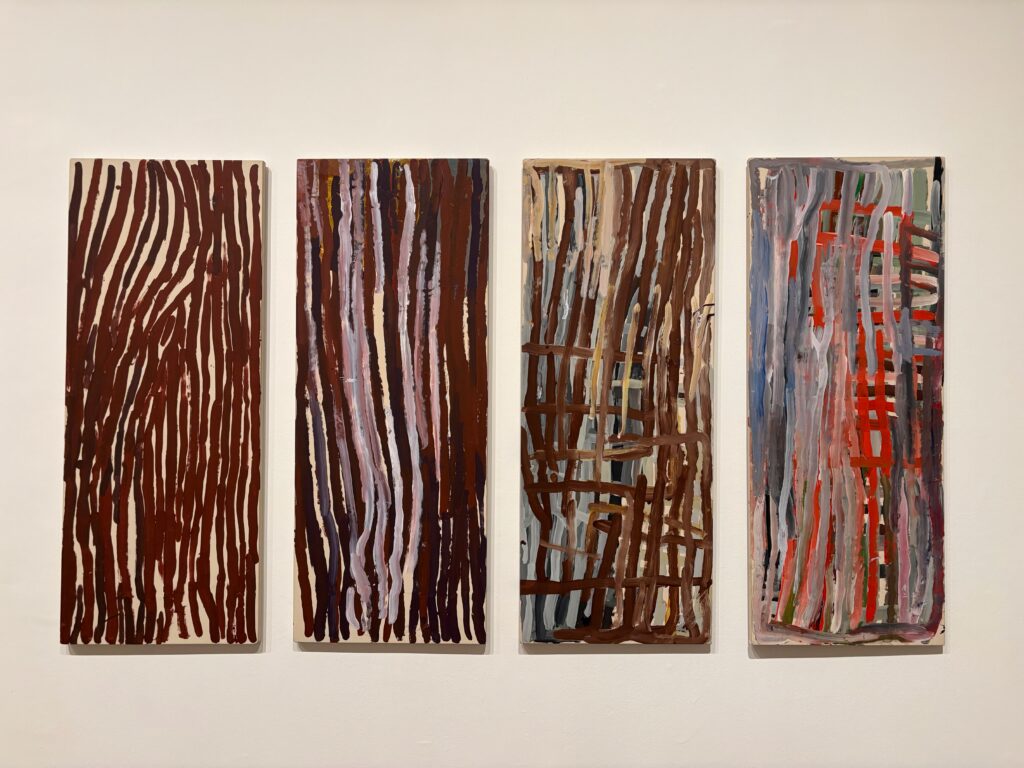
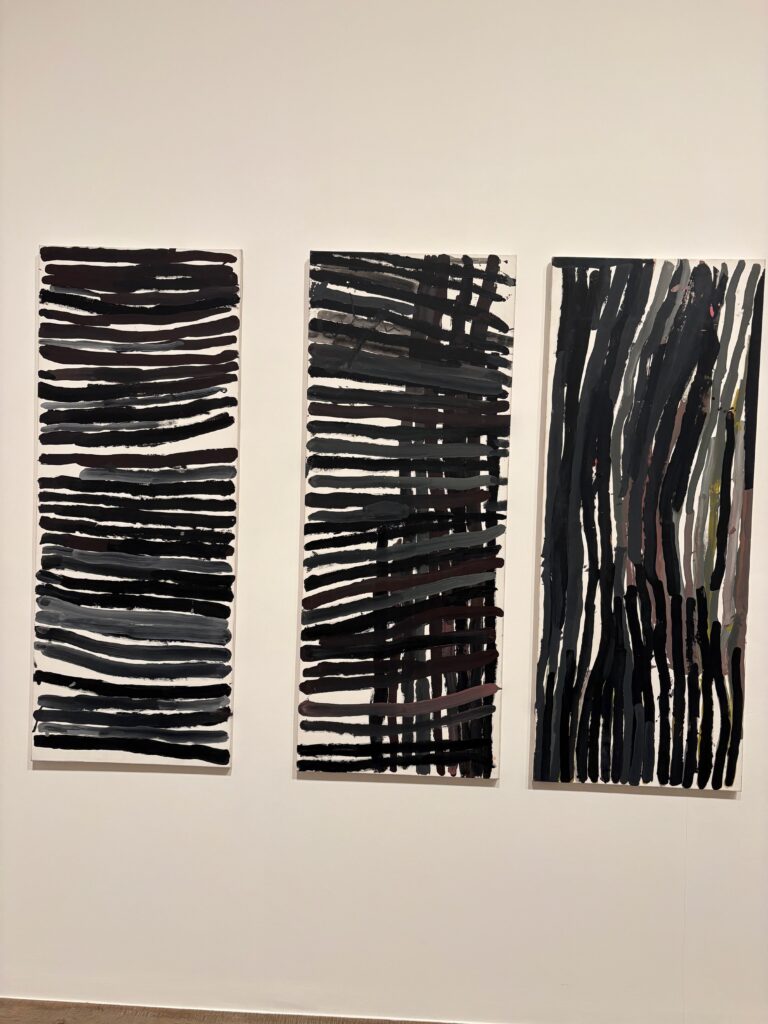
Painting quickly and directly, with few revisions and no changes of heart, the indigenous Australian artist, Emily Kam Kngwarray’s art is filled with exhilarations and with difficulties. Part of the pleasure of her art is that it is so immediate, so visually accessible, with its teeming fields and clusters of finger-painted dots, its sinuous and looping paths, its intersections and branchings, its staves and repetitive rhythms. You can get lost in there, and sometimes overwhelmed. You can feel the connection between her hand and eye, and the bodily gestures she makes as she paints.
Kngwarray’s paintings might well remind you of a kind of gestural abstraction they have nothing to do with, and which the artist would never in any case have seen. The things we look at in Kngwarray’s art are about an entirely different order of experience to the similar kinds of brushstrokes driven this way and that around other, more familiar canvases we might also find in Tate Modern, where her retrospective has arrived from the National Gallery of Australia. But this similarity is also one of the reasons Kngwarray became famous in the first place. Adrian Searle, The Guardian.
CHROMOINTERFERENT ENVIRONMENT
2nd November 2025
Installation by Carlos Cruz-Diez, 2019.
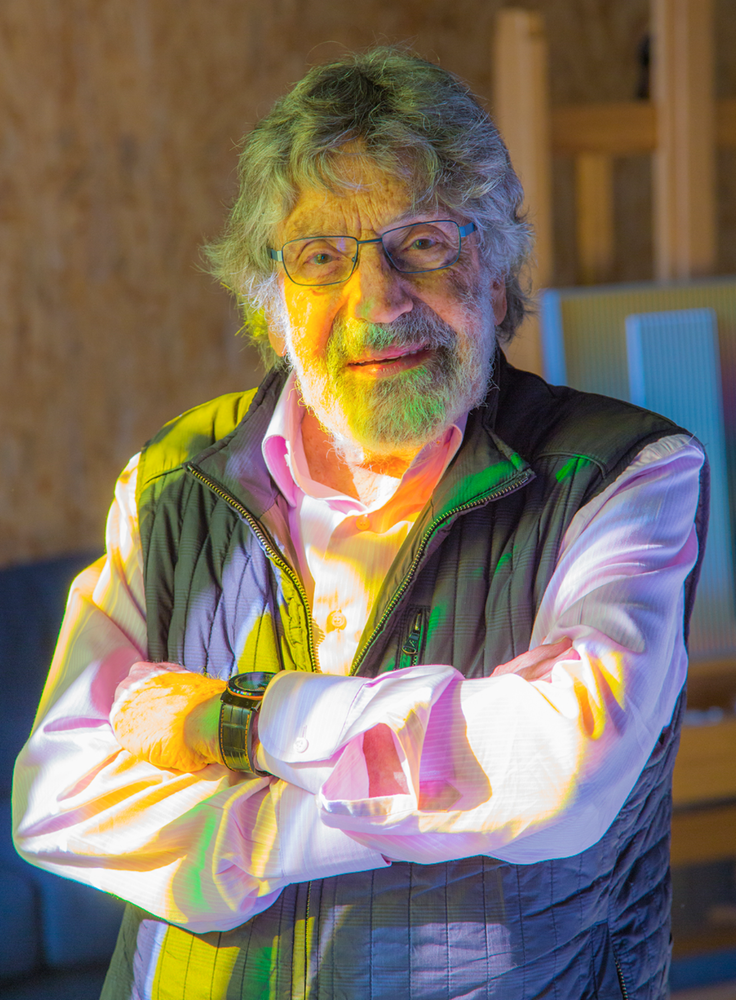
‘When light comes into contact with an artwork, it changes it completely. My challenge is to reveal to the viewer a reality without a past or a future: my works exist in a perpetual present.’
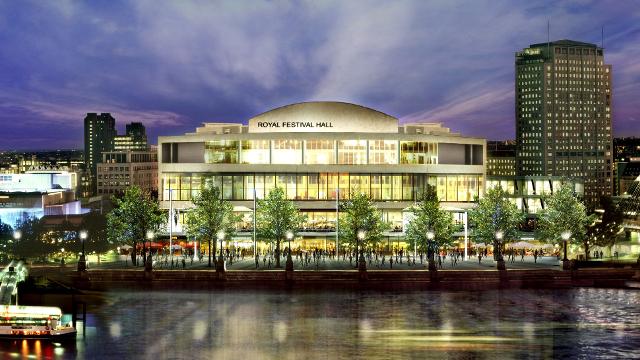
FINLANDIA, A TROMBONE CONCERTO AND A SOVIET CLASSIC – SIBELIUS, LINDBERG AND SHOSTAKOVICH
2nd November 2025
Sibelius – Finlandia
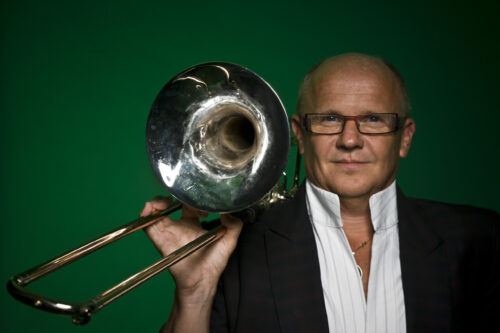
Christian Lindberg – Trombone Concerto No.4, ‘Golden Eagle’
Shostakovich – Fifth Symphony (1937)
‘Rather unusual for ‘contemporary’ composers, Christian Lindberg actually has his ‘own identity’ – a voice of his own – and not at all derivative of other composers, as tediously customary in ‘contemporary’ music. Lindberg’s Trombone Concert No.4, is a mesmerising masterpiece and was warmly received by an enthused audience.
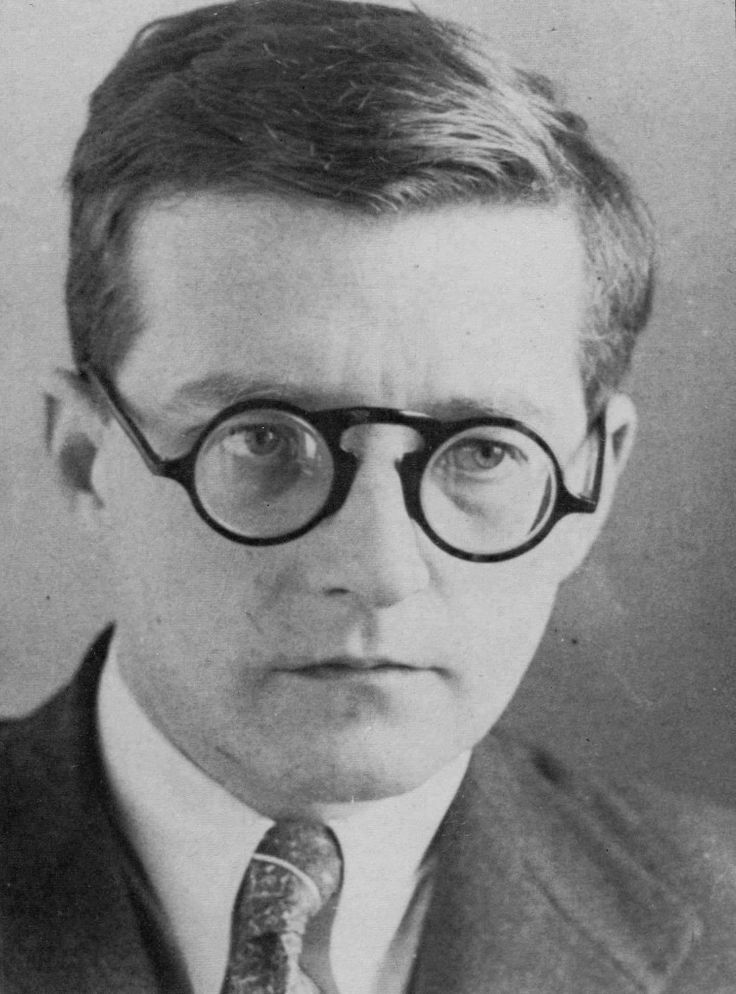
The elegantly elfistical Santtu-Matias Rouvali conducted a completely flawless performance of Shostakovich’s Fifth Symphony (subtitled ‘A Soviet artist’s practical, creative reply to just criticism’) with all tempos correctly judged from beginning to end: accents, clarity, phrasing, and dynamic range were exceptionally well-judged eliciting a highly charged emotional intensity from his immaculately tuned world-class orchestra.’ Alexander Verney-Elliott, Seen and Heard International.
THE GESUALDO SIX AND THE DEATH OF GESUALDO
16th January 2025
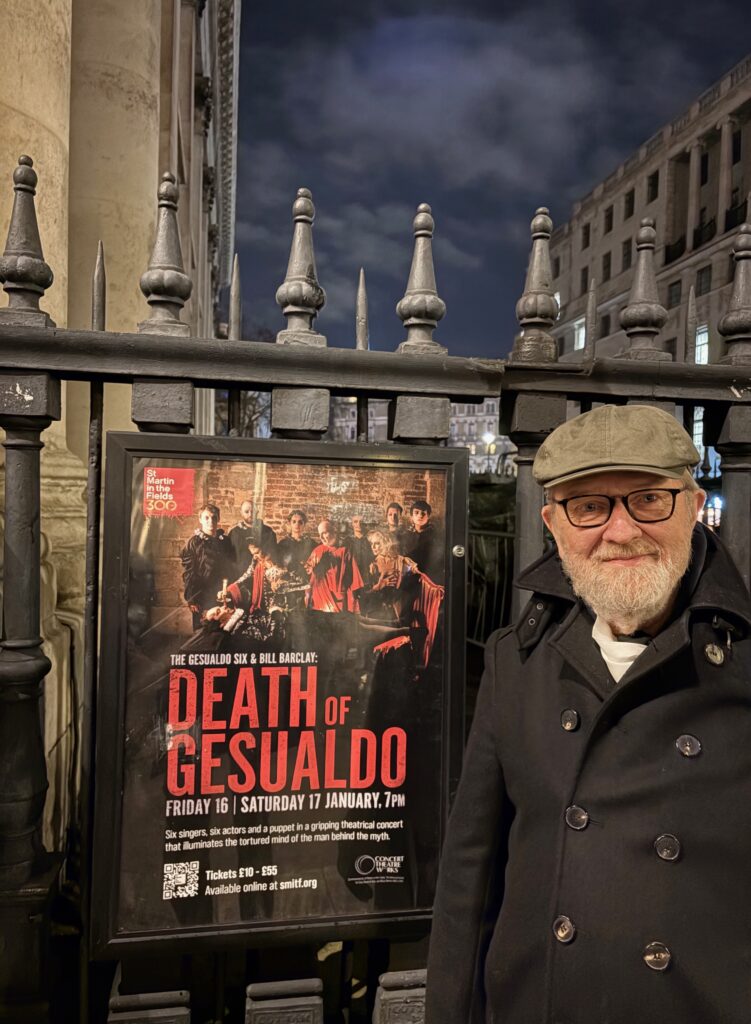
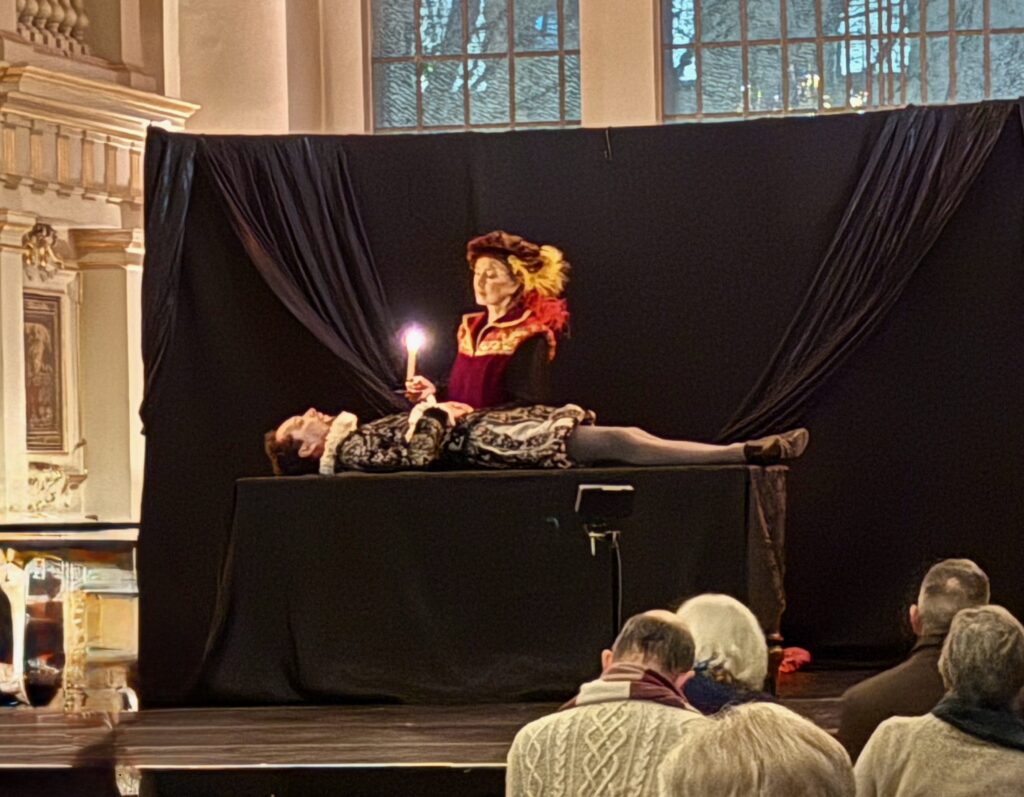
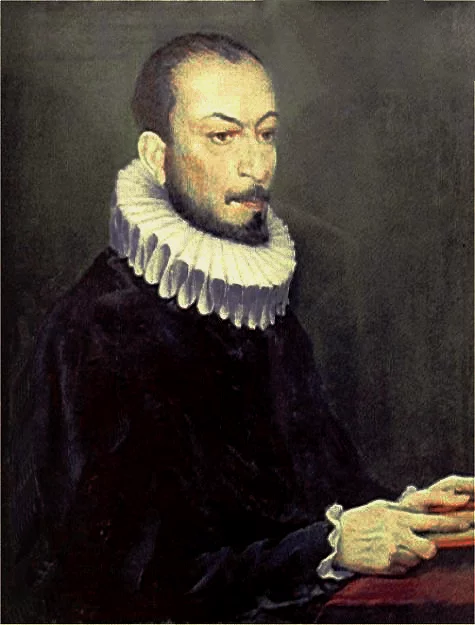
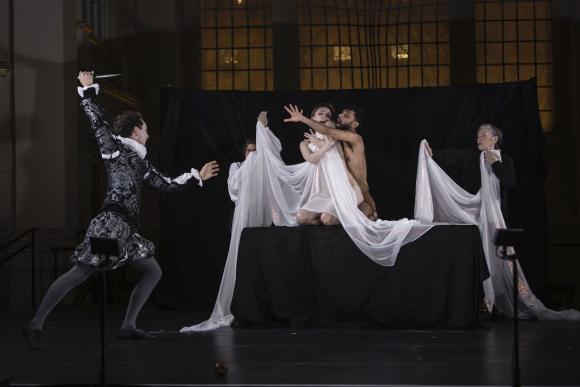
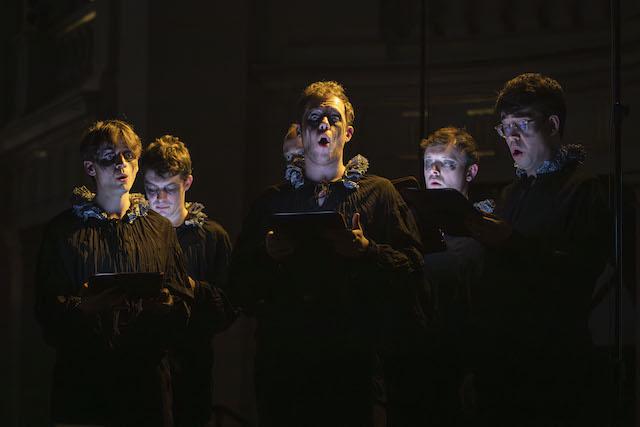
The latest working of [Carlo Gesualdo’s biographical] material is the production of Bill Barclay, co-commissioned by St Martin-in-the-Fields, with the National Centre for Early Music and Music Before 1800 (NYC). Featuring the vocal ensemble The Gesualdo Six – immaculately voiced as ever – alongside half a dozen actors, together with puppetry, it enacts a series of tableaux vivants incorporating iconography from Renaissance Painting.
Indeed, anyone not au fait with the story of Gesualdo’s colourful life would be perplexed by much they saw here, especially as his two wives appear to be played by the same actress. No help is given in terms of texts (they’re printed in the programme but there are no surtitles) or other factual information.
The show is better seen… as a theatrical representation of Gesualdo’s tortured psyche as reflected in his shockingly chromatic harmonies, rather than a representational biopic. On that level it’s powerful and engrossing, the music extending far beyond contemporary Mannerism to something more like 20th-century Expressionism, expressing deep psychological trauma. Barry Millingon, The Standard.
Here is a short extract of The Gesualdo Six singing Gesualdo: https://fb.watch/GxZLyMKALs/
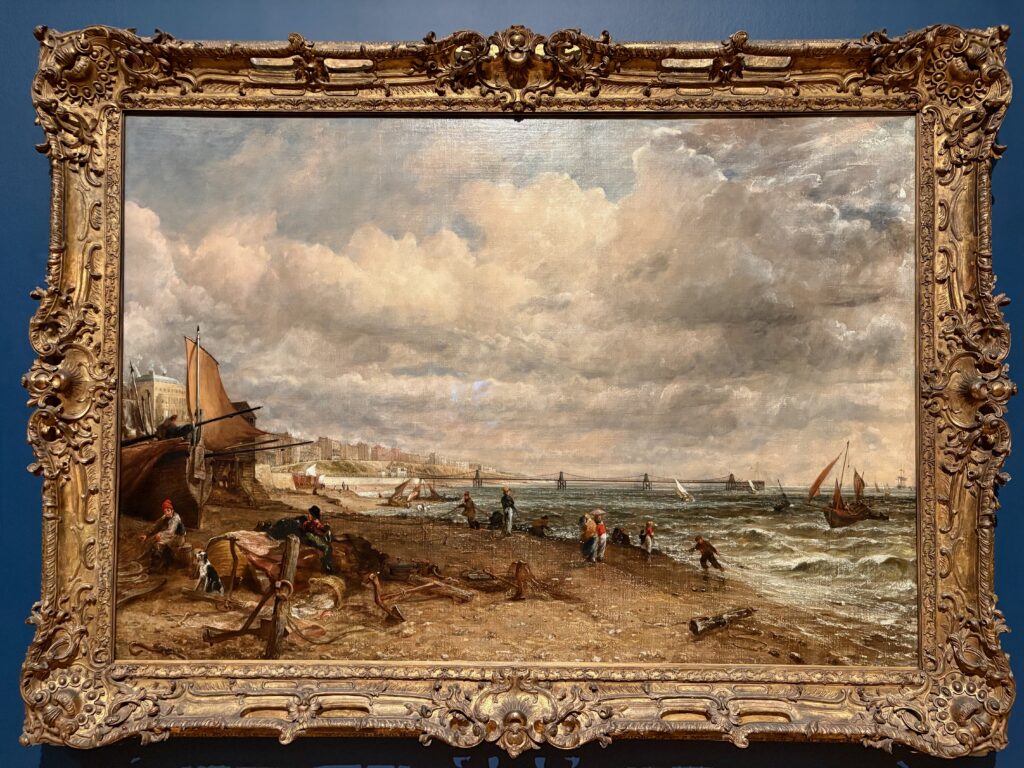
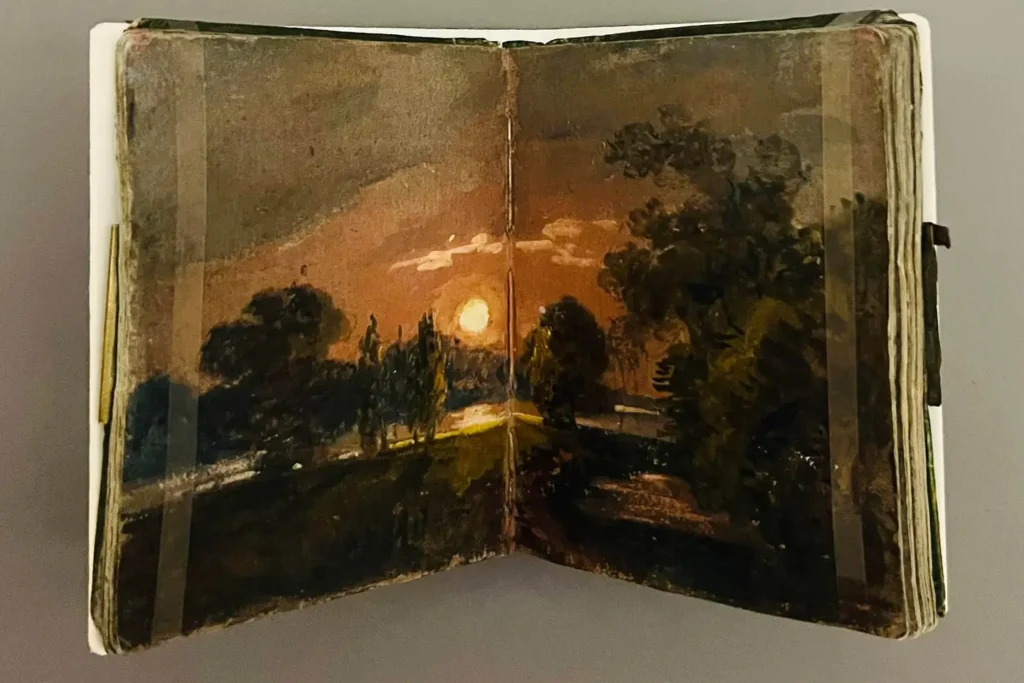
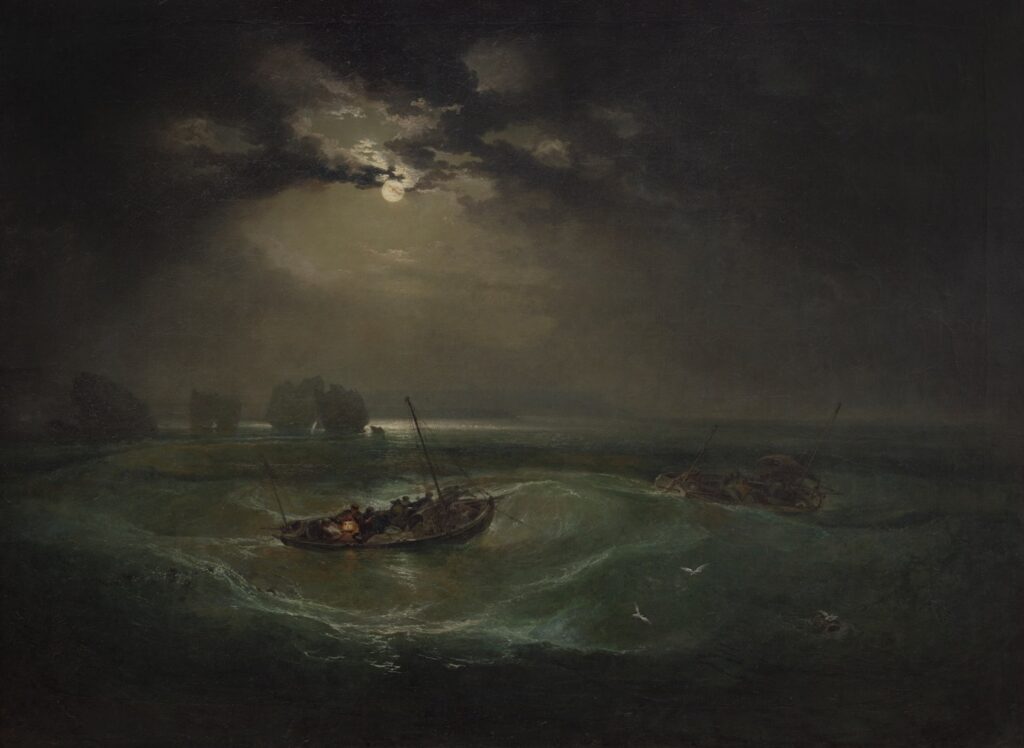
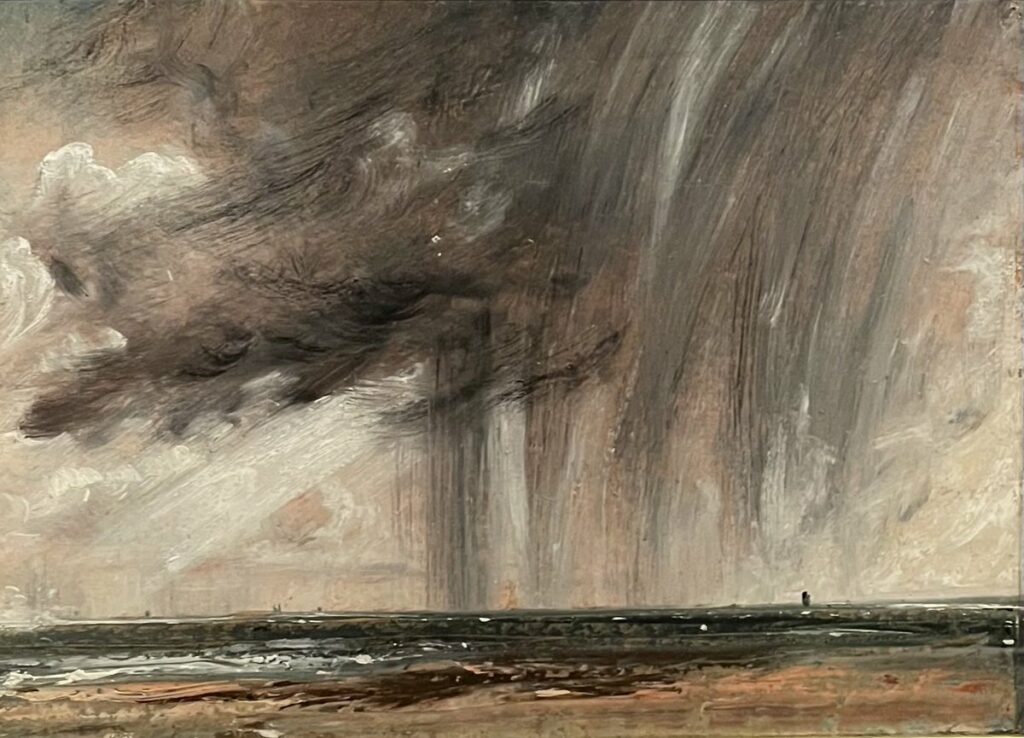
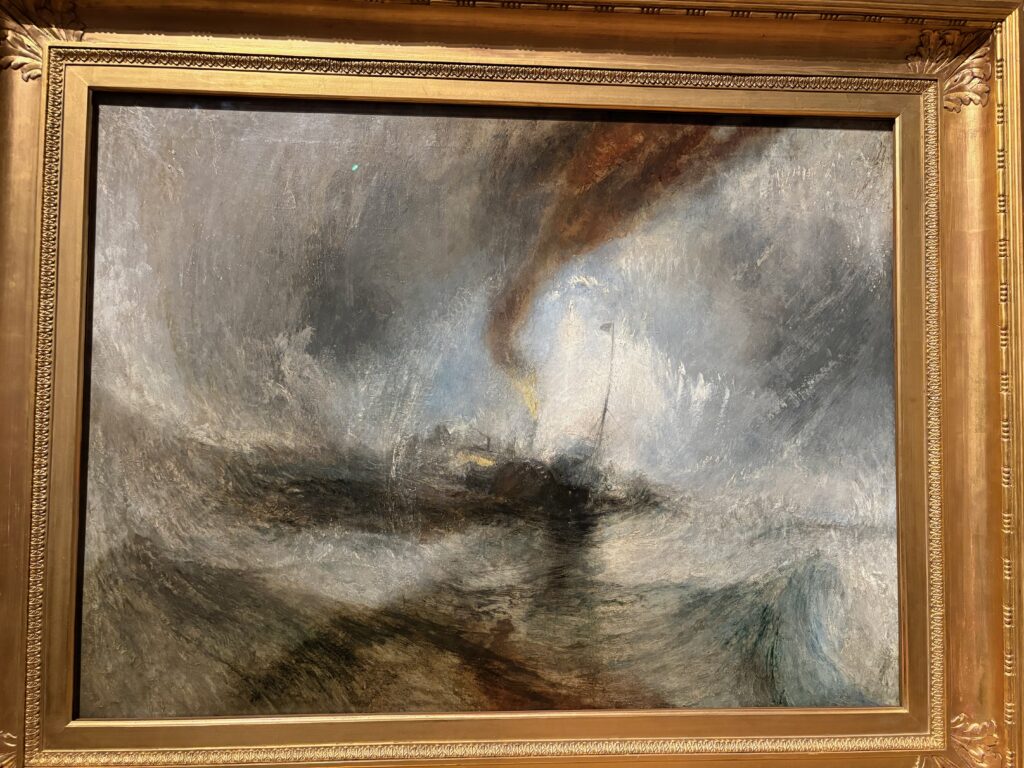
TURNER AND CONSTABLE – SIDE BY SIDE
19th February 2025
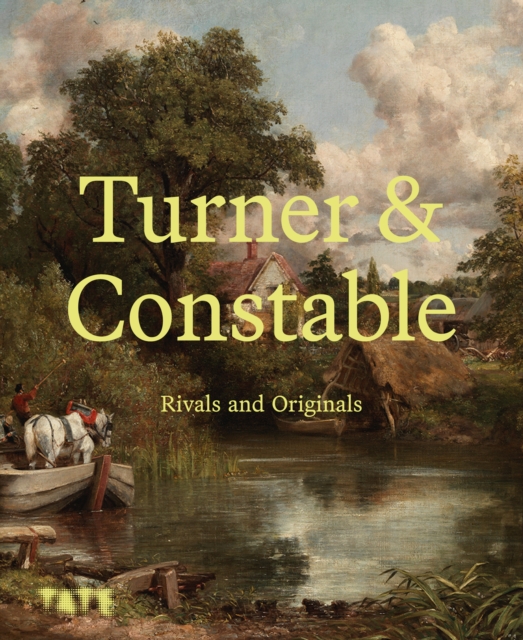
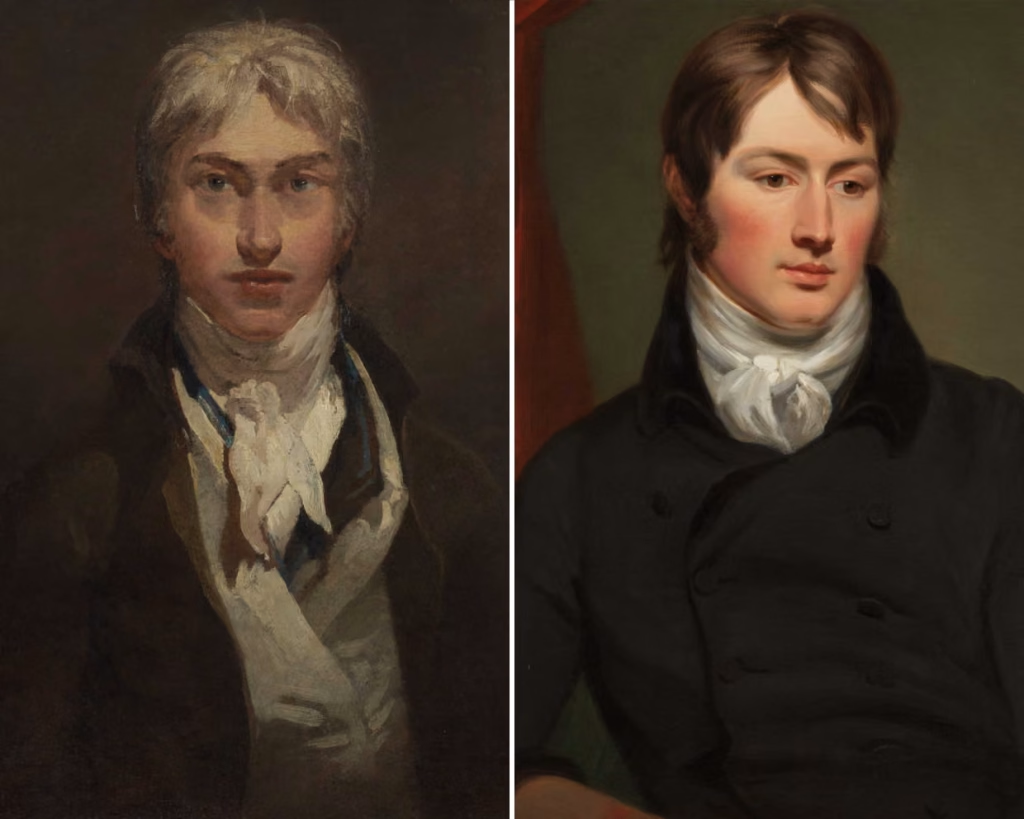
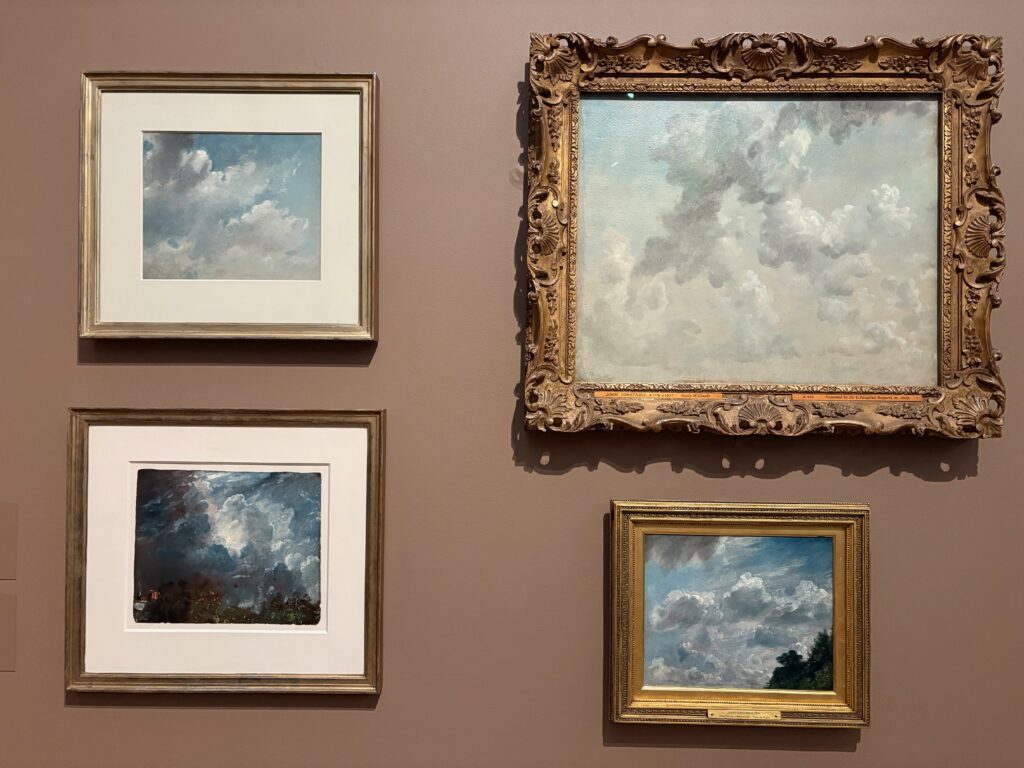
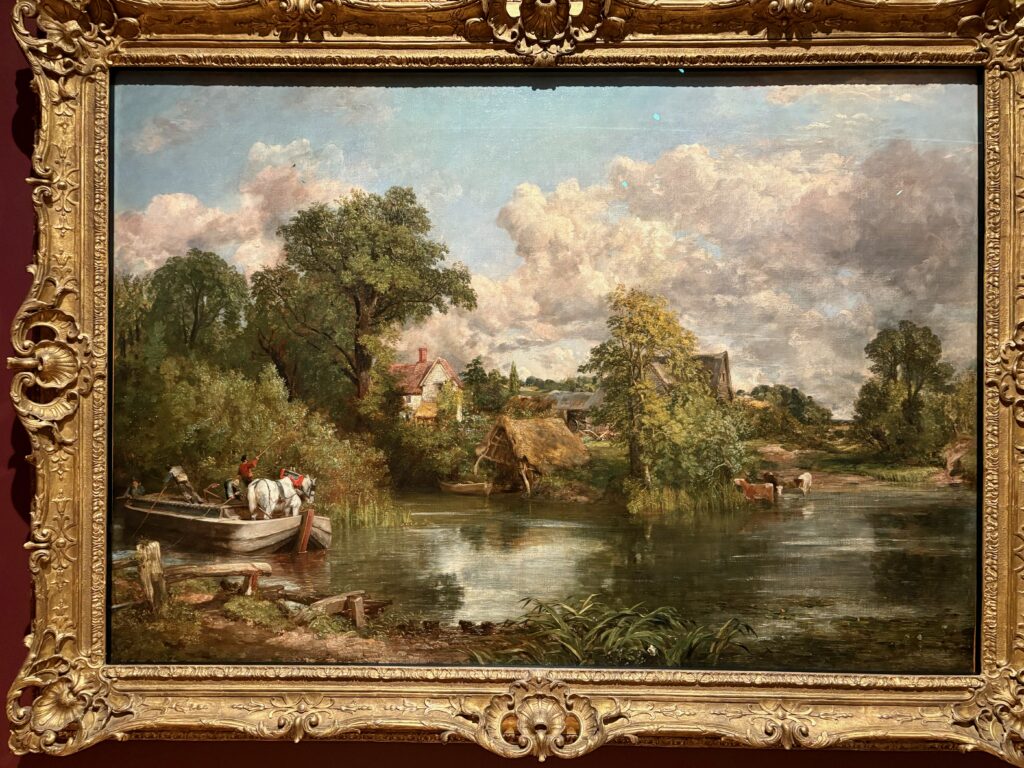
The show’s premise is deceptively simple. Turner was born in 1775, Constable in 1776, so this is a joint 250th commemoration. There is also a lively tale of professional rivalry to tell. The Covent Garden barber’s son who never lost his Cockney accent versus the scion of a successful Suffolk miller; hot versus cold; fire versus rain; poetry versus prose, and so forth.
The distinctions are so often invoked that some find it hard to believe these artists could have anything in common. Which is precisely the twist of this show. It wants us to look far more closely at these minds and hands at work, and to discover fundamental similarities when the two are brought together. In its originality and insight, its brilliant selection and compelling texts, this is one of the most exhilarating shows I’ve ever seen. Laura Cumming, the Observer.
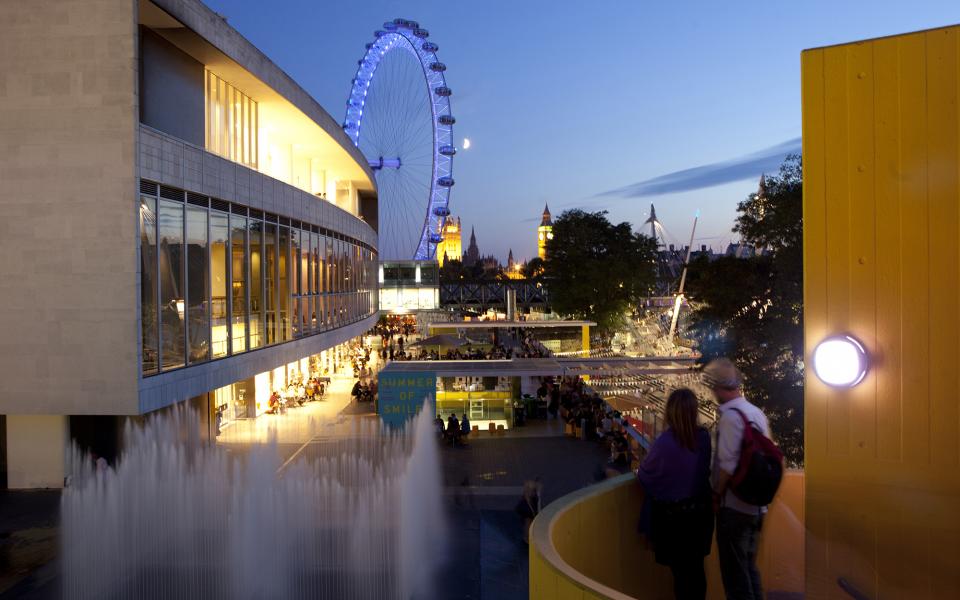
BRUCKNER’S 8TH – WITH A LAST MINUTE CHANGE OF CONDUCTOR
19th February 2025
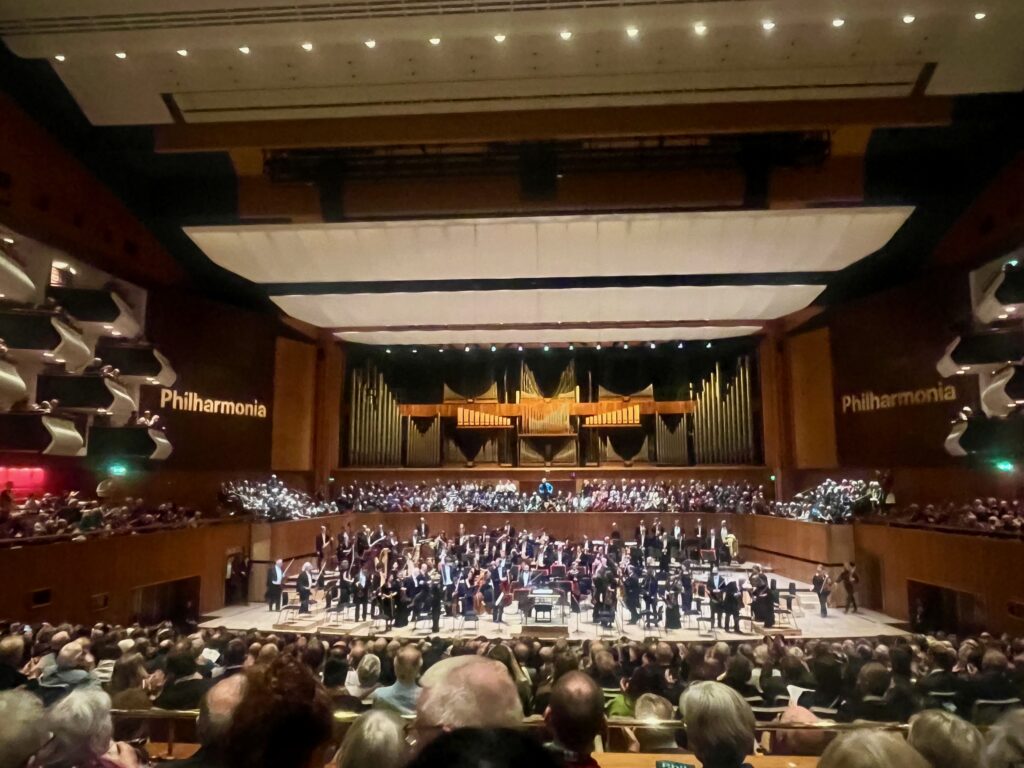
Bruckner Symphony No. 8, Philharmonia Orchestra conducted by Lawrence Renes
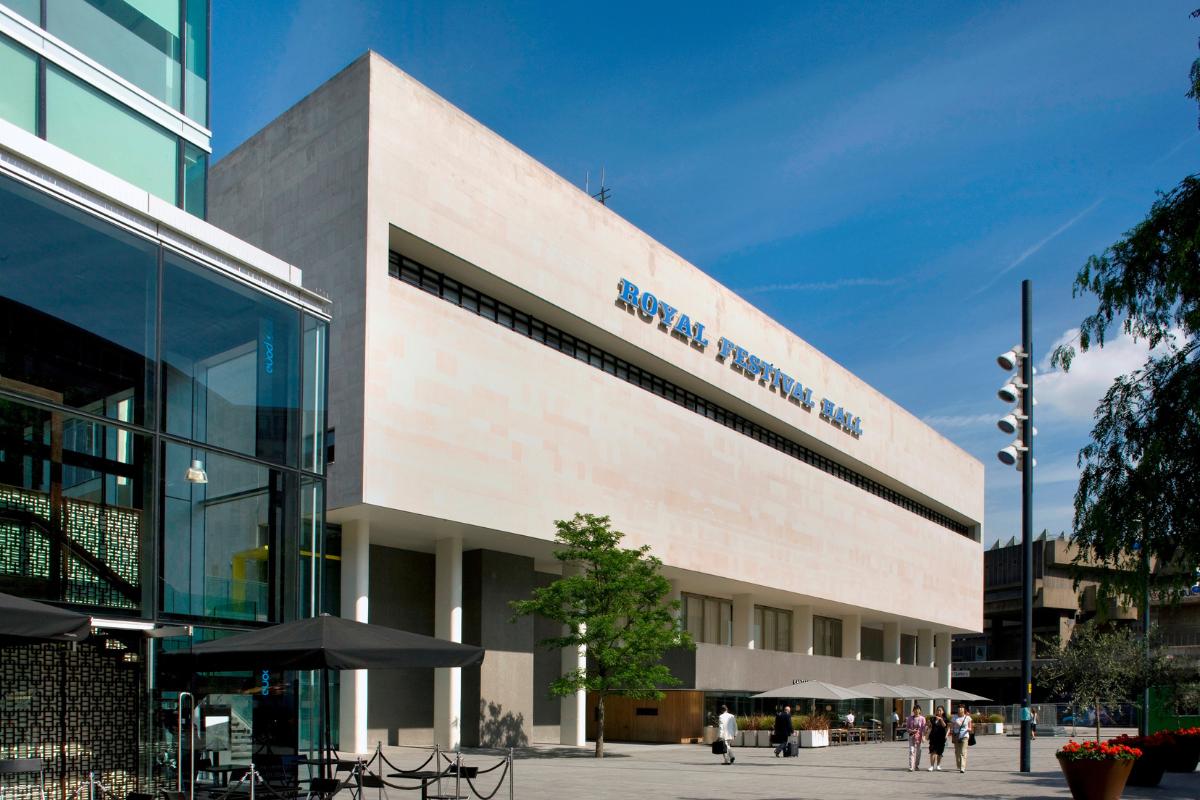
A rare appearance in the UK by Sir Donald Runnicles, a longtime fixture of the German classical music scene, had prompted excitement among audiences in London. The proposition of hearing him conduct the Philharmonia in Bruckner’s Symphony no. 8 in C minor stirred the musical loins of Bruckner-lovers, and there was a palpable buzz at the Royal Festival Hall on the evening. Alas, Sir Donald was indisposed, but Lawrence Renes gamely stepped in at short notice to lead the orchestra in the Haas edition of the score.
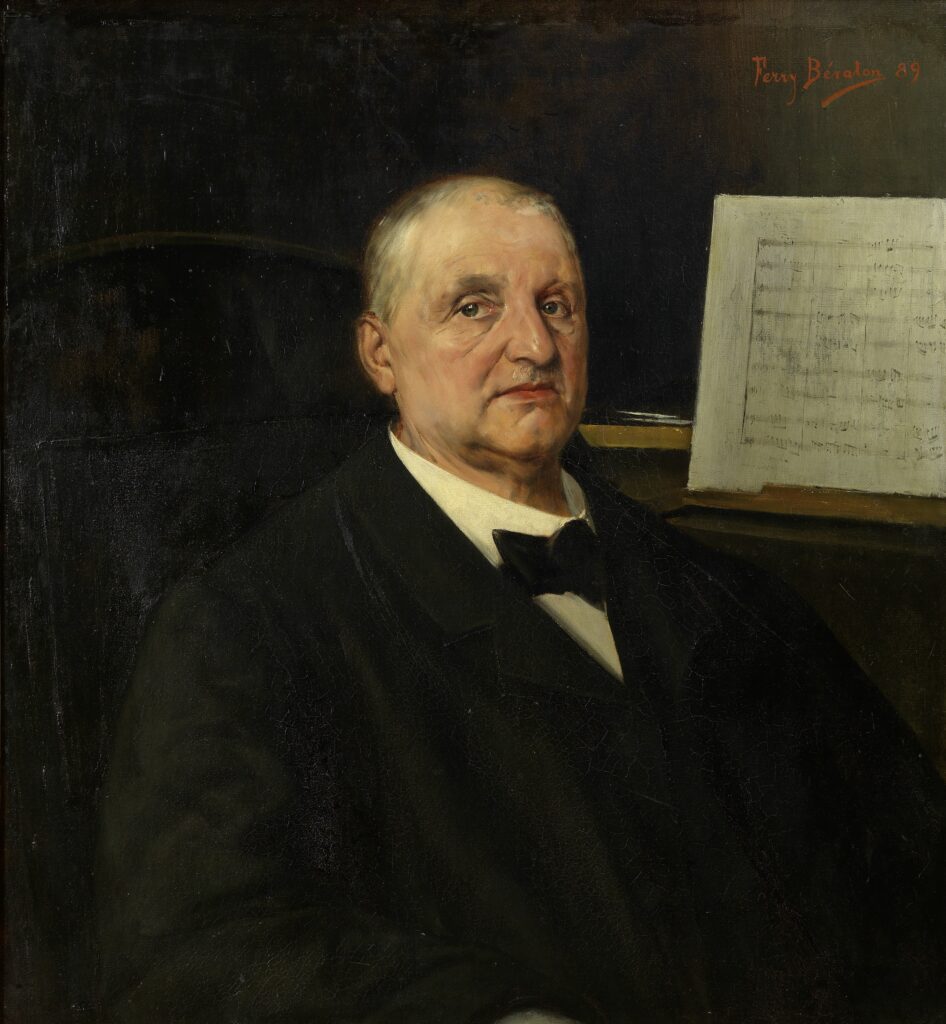
‘The performance of the symphony (Bruckner’s 8th Symphony) was nothing short of glorious and much of that must be due to Renes’s muscular conducting. His grasp of the structure of the work was palpable, and he revelled in the frequent volcanic eruptions in the work. The Scherzo oozed rhythmic energy, the three harps glistened. The long Adagio started very slowly and I feared the conductor was going to ignore the composer’s express direction Feierlich langsam, aber nicht schleppend (Ceremonially slow but don’t drag); thankfully, Renes soon imposed a slightly faster tempo. He built up the many climaxes with great skill, and the Wagner tubas shone. Indeed, the orchestra played magnificently across all sections, blended woodwind, firm strident brass, thundering timpani (Simon Carrington), mellow horns (led by Lasse Mauritzen) and the percussionist enjoying his two cymbal clashes: and all held together by the lithe and energetic Leader, Zsolt-Tihamér Visontay.
I am now thinking of starting a new blog entitled ‘Bring back Renes’ – or even, ‘Where’s Renes? Perhaps the Philharmonia will invite him back in a coming season with, say, Bruckner’s Fourth? I live in hope; but also hope Sir Donald, restored to full health, will return to a London podium very soon.’ John Rhodes, Seen and Heard International
NIGERIAN MODERNISM
19th March 2026
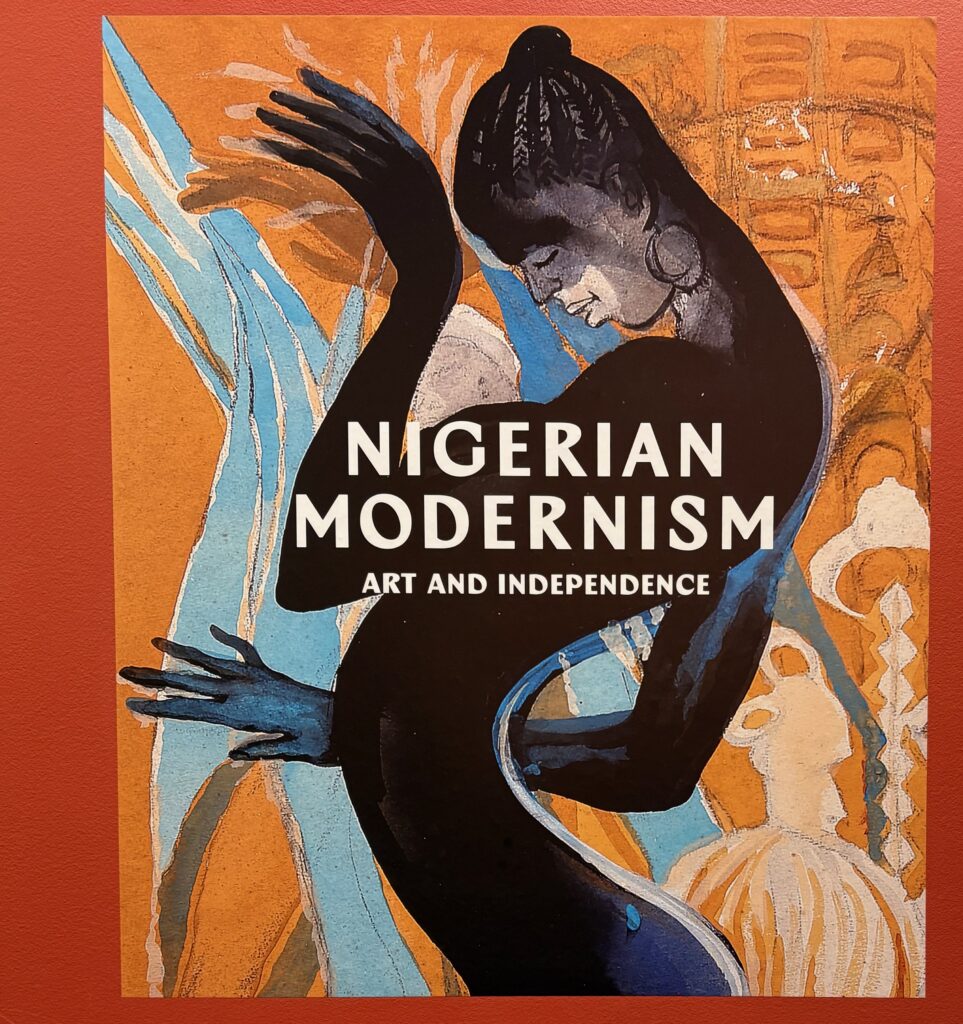
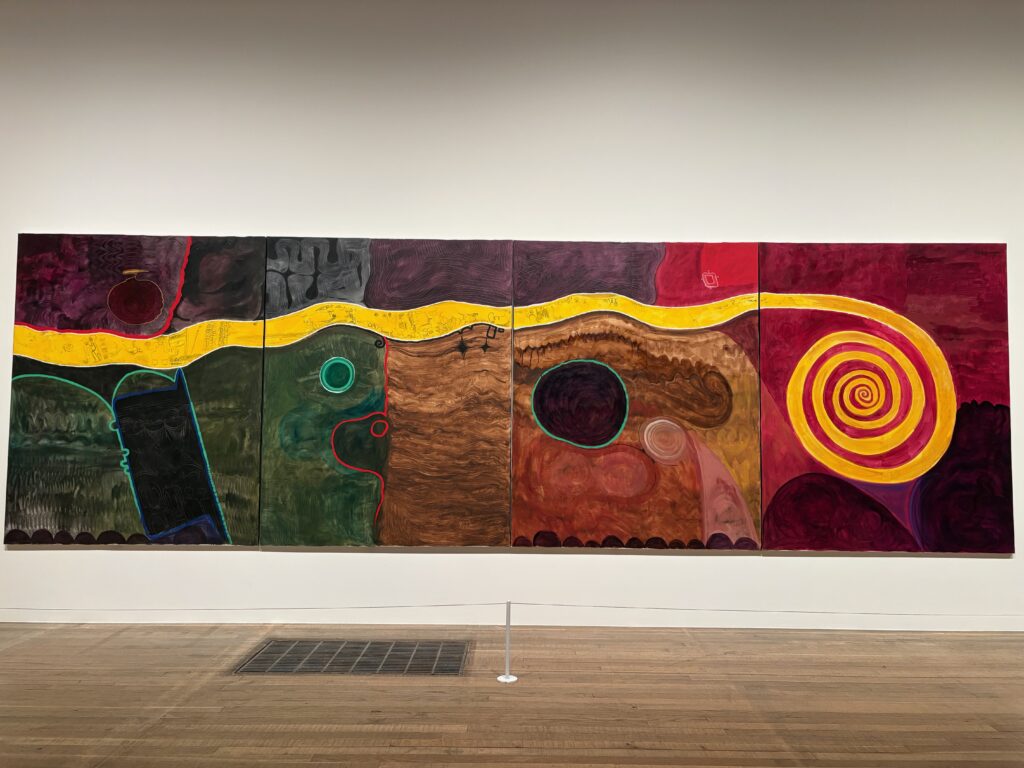
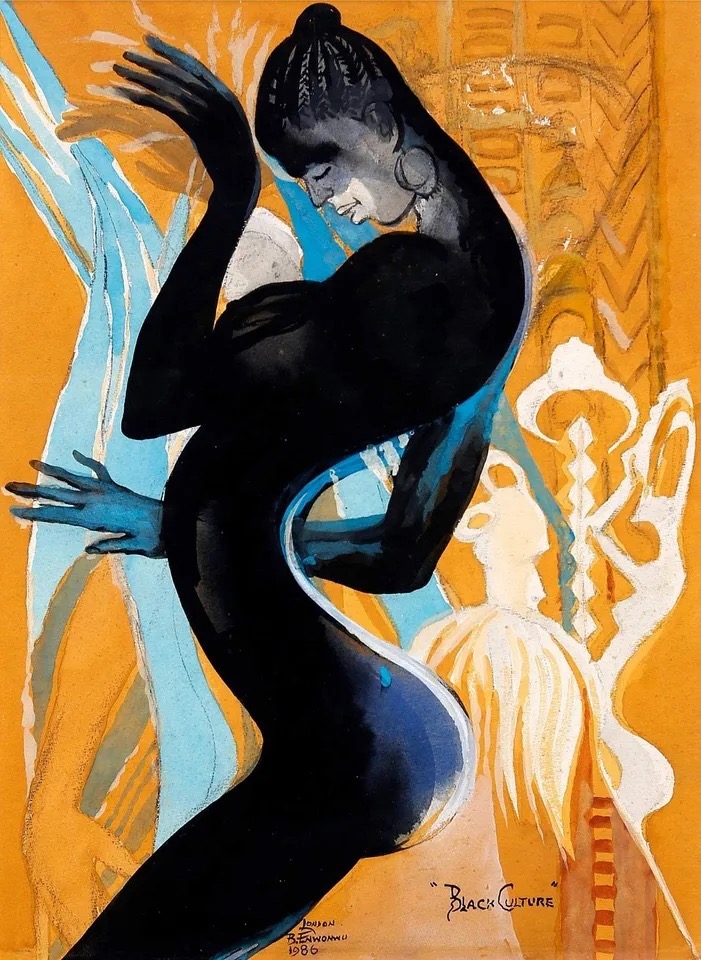
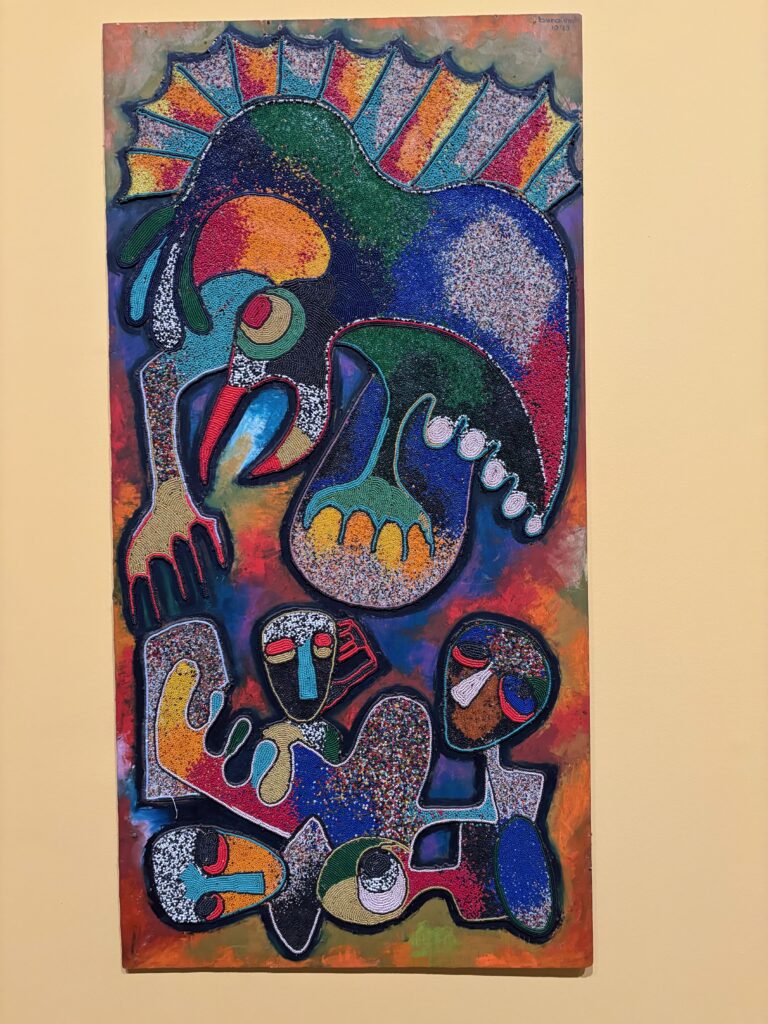
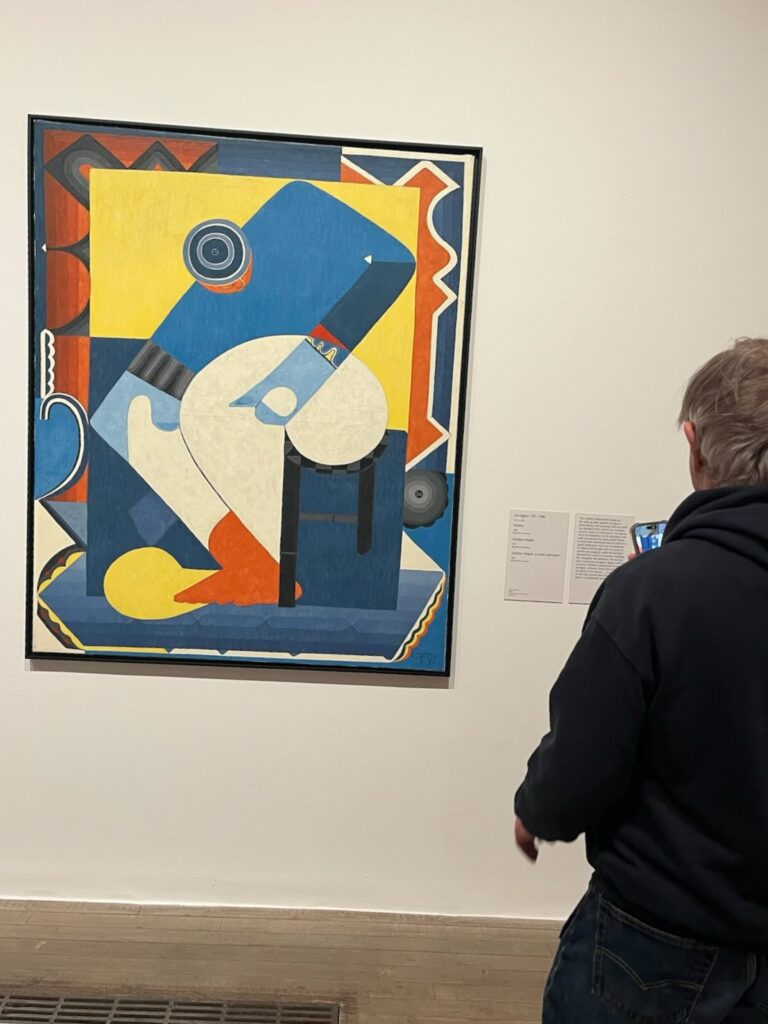
Visually rich and carefully curated, Nigerian Modernism offers a clear, accessible introduction to a vital artistic movement. It speaks to those who know the history well and to visitors encountering these artists for the first time. Above all, it recognises Nigeria’s place in global modernism with the depth and respect it deserves — something that will resonate deeply with anyone interested in African art, diaspora history or the wider story of modern creativity.
What stands out from the outset is the shift in perspective. Rather than presenting modernism as a story that begins in Europe and spreads outward, the exhibition recognises Lagos, Zaria, Ibadan and Enugu as major centres of artistic innovation in their own right. This reframing will resonate strongly with Black British visitors familiar with how cultural histories can be sidelined in mainstream institutions. Here, Nigeria is not the supporting act — it is the focus.
Written by Black History Month UK. 18/11/2025
KENT NAGANO CONDUCTS THE PHILHARMONIA IN MAHLER’S GIANT 2ND SYMPHONY
19th March 2026
There was a time when London’s walls were papered with Mahler 2s; certainly, in the 1980s, performances were regular occurrences with nary a month going by without one or other of the capital’s concert halls having its roof blown off by massed choirs belting out Klopstock.
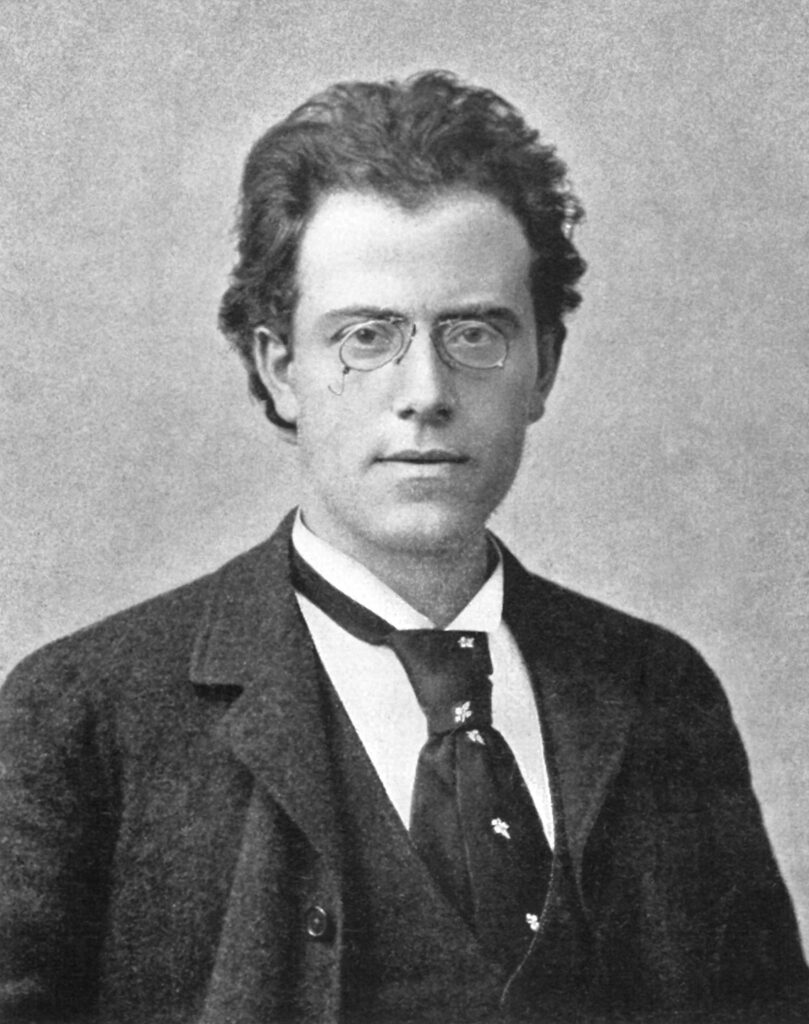
The Mahler craze has quieted, but there is always space for the mighty sonic edifice of the Second. Fittingly, given the prominence of the brass in Mahler, this performance was dedicated to the memory of trumpeter John Wallace, former Principal Trumpet of the Philharmonia Orchestra….
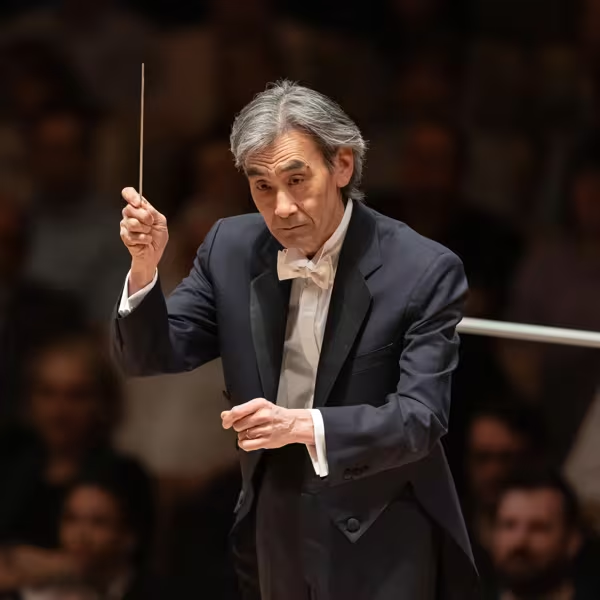
…Kent Nagano’s Mahler is a known entity, and shares with his Wagner (his ongoing historically-informed Ring cycle in particular, closing with Götterdämmerung in Dresden in May) an x-ray awareness of detail. This was an individual interpretation of the highest rank, as Nagano manages to pair that sense of detail with an awareness of the big picture, allowing climaxes to really register (another commonality with his Wagner).
Nagano also has the ability to create just the right momentum, a trait important everywhere but maybe especially so in the symphony’s opening paragraphs. His conducting technique is near-infallible, too: of all the many Mahler 2’s I have heard, none contained such perfectly controlled Luftpausen as this. Nagano gave space for the contrasting themes; again, just the right amount. It is worth mentioning some individual contributions from the orchestra that stood out: first horn Laurence Davies, and cor anglais player Maxwell Spiers…
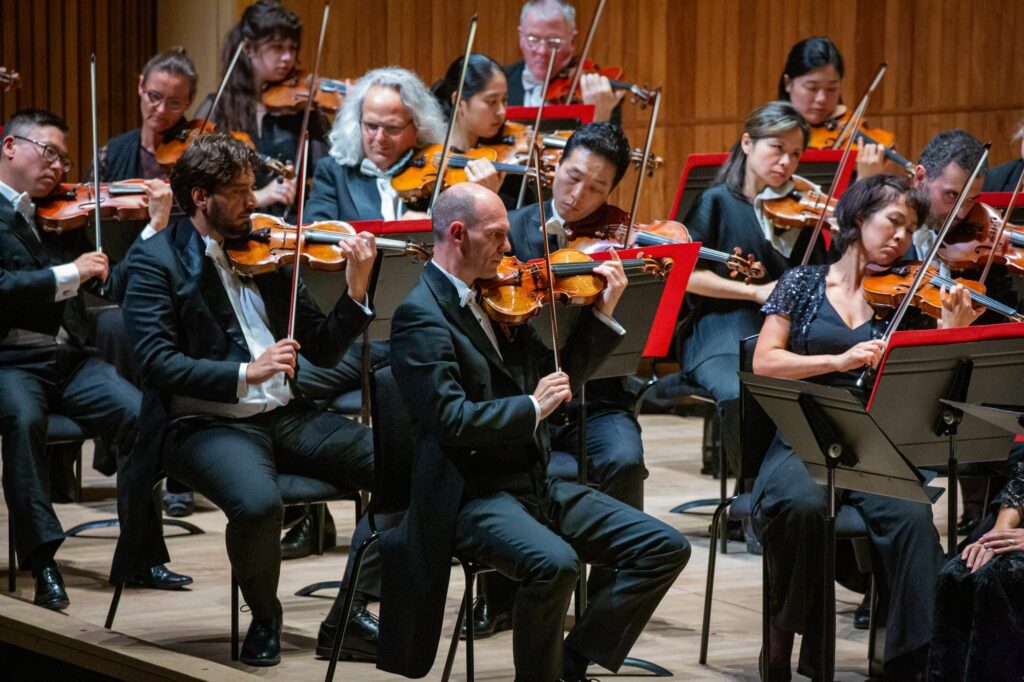
…A simply superb trombone solo from Matthew Lewis was another highlight of the evening, as was the velvety sound of trombones and tuba at the ‘Dies irae’ theme. The finale is a movement of extremes, and Mahler piles on the scoring in true late-Romantic fashion. Somehow, Nagano made sense of the thorniest passages like few before him, while honouring the Modernism of the score, more notably in those proto-Ivesian moments of thematic juxtaposition…
…The placing of the off-stage contributions was carefully and effectively thought-through. Jane Archibald was just as special a soloist as Bock, her soprano the perfect complement to Bock’s mezzo. But it was Nagano that choreographed the great choral climax so perfectly, the Philharmonia Chorus beautifully soft on entry, the male voices later creating an imposing wall of sound, Nagano extending the silent pause after ‘Bereite dich’ daringly, as if himself asking, ‘Prepare yourself for what?’. ‘To live,’ came the answer, and how beautifully Archibald crowned the chorus. The Philharmonia Chorus could only be described as fearsomely present in the work’s final stretch; and yet the brass crowned it all, perfectly. Good to hear the RFH organ at full tilt, too. Colin Clarke, Opera Today.
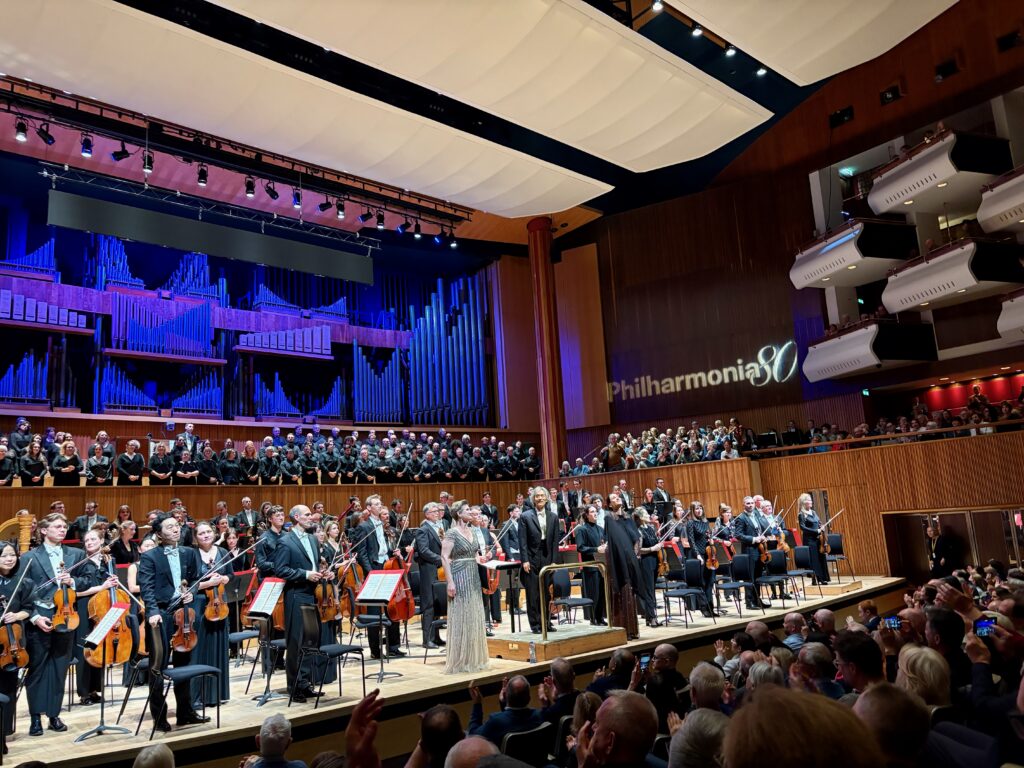
With Mahler’s rousing musical celebration of resurrection thundering to its conclusion, another great day in London came to an end and now, with a spring in my step, all there was to do was to get over the road to Waterloo Station and the train home.